pierna
“pierna” means “leg” in Spanish. It has 2 different meanings depending on context:


leg
Also: pin (slang for leg)
📝 In Action
Me caí y ahora me duele la pierna derecha.
A1I fell and now my right leg hurts.
Ella corre muy rápido porque tiene piernas fuertes.
A2She runs very fast because she has strong legs.
Vamos a estirar las piernas antes de seguir conduciendo.
B1Let's stretch our legs before continuing to drive.

leg
Also: thigh (of pork or ham)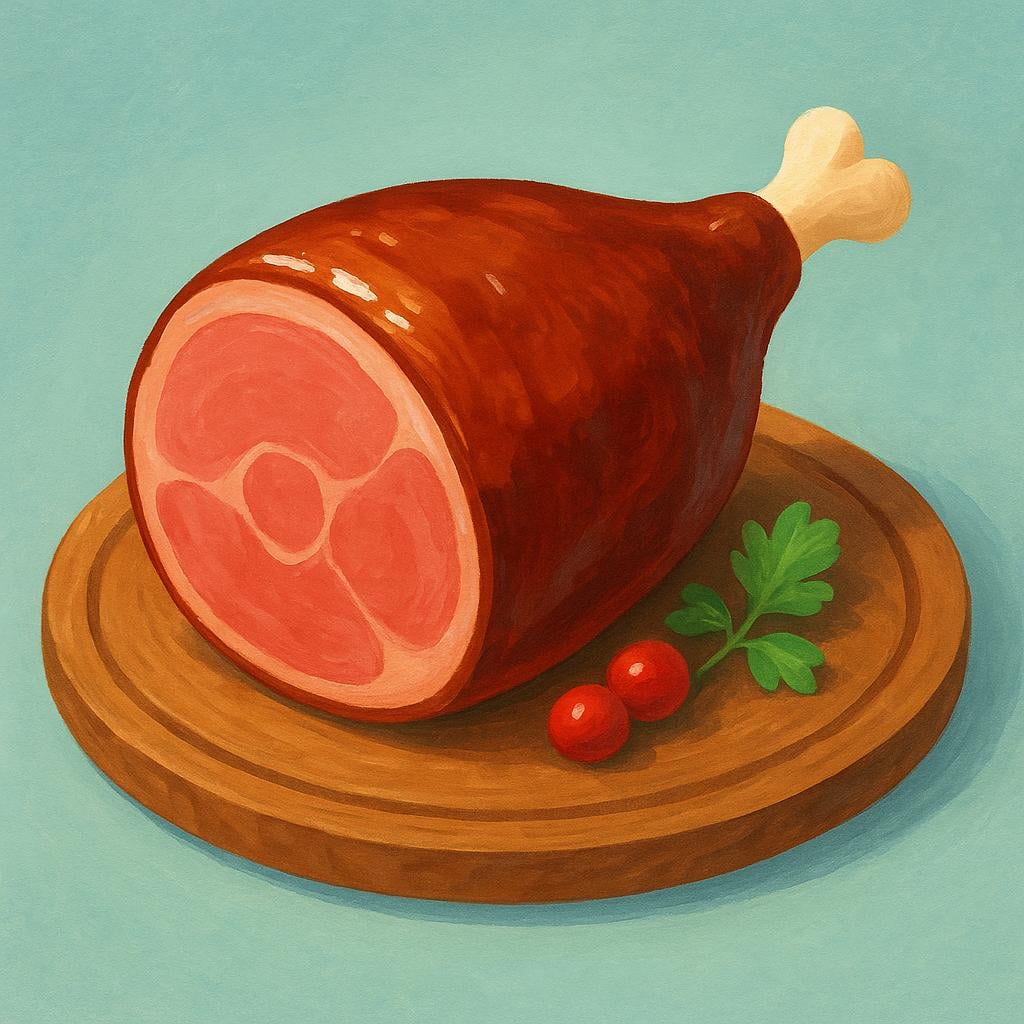
📝 In Action
Para la cena de Navidad, compramos una pierna de cordero.
B1For Christmas dinner, we bought a leg of lamb.
En España, la pierna de jamón ibérico es muy valorada.
B2In Spain, the leg of Iberian ham is highly prized.
Translate to Spanish
Words that translate to "pierna" in Spanish:
leg→✏️ Quick Practice
Quick Quiz: pierna
Question 1 of 2
Which sentence uses 'pierna' in a culinary context?
📚 More Resources
👥 Word Family▼
🎵 Rhymes▼
📚 Etymology▼
Comes from the Latin word *perna*, which originally meant 'ham' or 'thigh.' The word moved into Spanish and shifted its primary meaning to the entire lower limb (leg), while still keeping its culinary connection in certain contexts.
First recorded: 13th century
Cognates (Related words)
💡 Master Spanish
Take your Spanish to the next level. Read 200+ illustrated and narrated Spanish stories tailored to your level with the Inklingo app!
Frequently Asked Questions
Is 'pierna' used for animal legs too?
Yes, 'pierna' is the standard word for both human and animal legs. However, the word 'pata' is often used specifically for the legs or paws of animals, especially four-legged creatures or insects.
What's the difference between 'pierna' and 'pata'?
'Pierna' typically refers to the human leg or a large cut of meat. 'Pata' generally refers to an animal's leg, paw, or a furniture leg. If you say a person has 'patas,' it's usually informal or joking.