How to Say "deserted" in Spanish
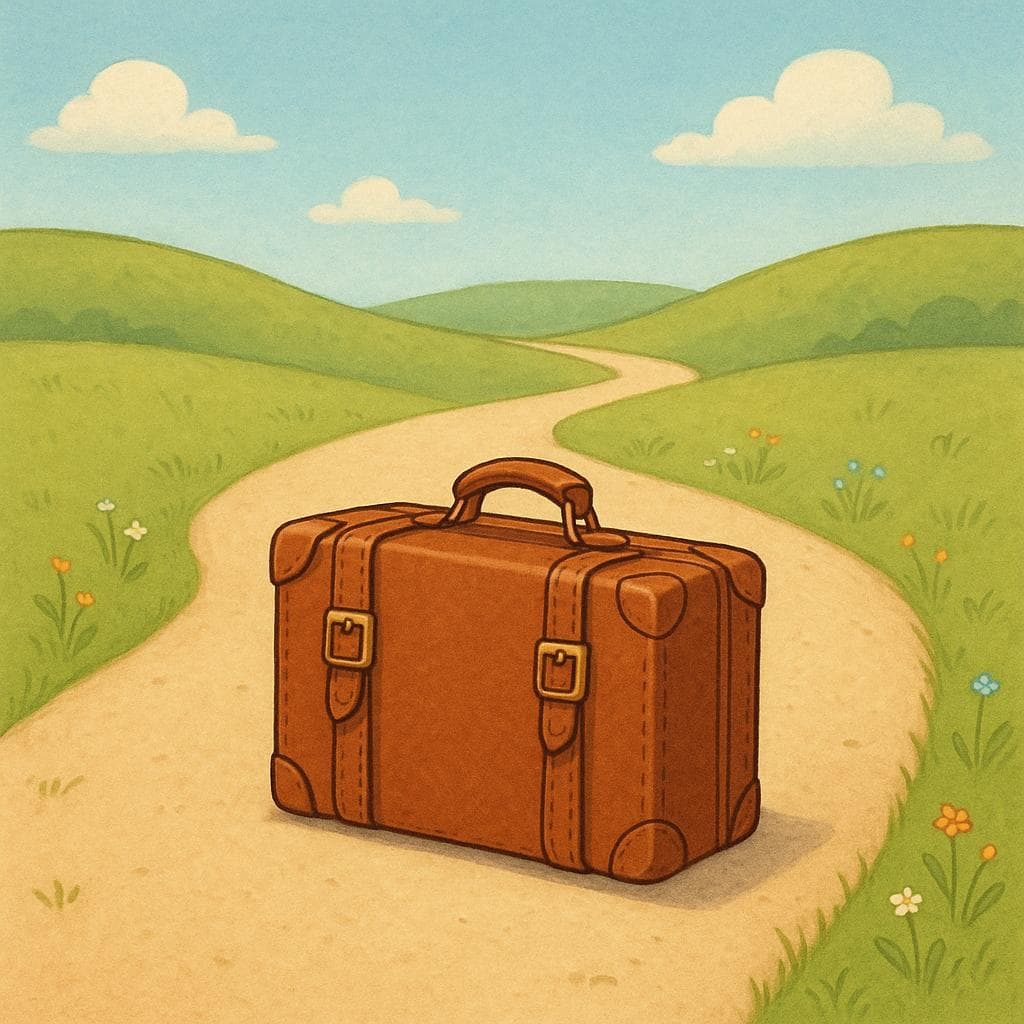
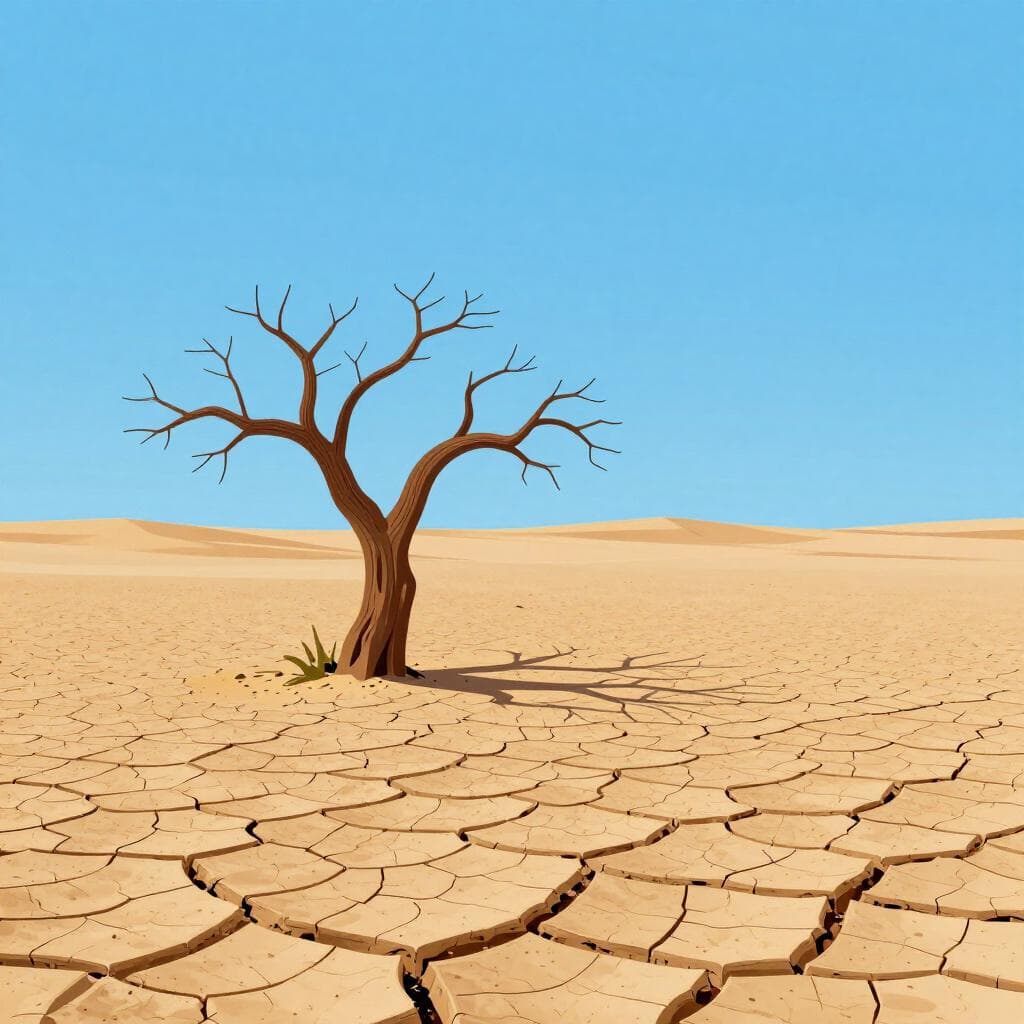
The most common Spanish word for “deserted” is “abandonado” — use 'abandonado' when referring to a person or thing that has been left behind by someone, often implying sadness or neglect.

abandonado
ah-bahn-doh-NAH-dohaβan̪doˈnaðo
Examples
El perro se sentía abandonado sin sus dueños.
The dog felt deserted without its owners.
Se sintió totalmente abandonado cuando su socio se fue.
He felt totally deserted when his partner left.
Temía ser abandonada por sus amigos.
She was afraid of being forsaken by her friends.
The Passive Voice
When talking about an action done to someone, 'abandonado' works with the verb 'ser' to form the passive voice: 'El niño fue abandonado' (The child was abandoned).
desierto
deh-SYEHR-tohdeˈsjeɾto

Examples
La oficina estaba desierta a medianoche.
The office was deserted at midnight.
La playa estaba desierta después de la tormenta.
The beach was deserted after the storm.
El centro comercial está completamente desierto los domingos.
The shopping center is completely empty on Sundays.
Parece que el pueblo está desierto; no hay nadie en las calles.
It seems the town is deserted; there is no one in the streets.
Adjective Agreement
As an adjective, 'desierto' must match the thing it describes in gender and number: 'el parque desierto' (masculine singular), 'las calles desiertas' (feminine plural).
Forgetting Agreement
Mistake: “La casa estaba desierto.”
Correction: La casa estaba desierta. (Since 'casa' is feminine, the adjective must also be feminine.)
Examples
El capitán abandonó el barco en llamas.
The captain deserted the burning ship.
desolado
deh-so-LAH-dohdesoˈlaðo
Examples
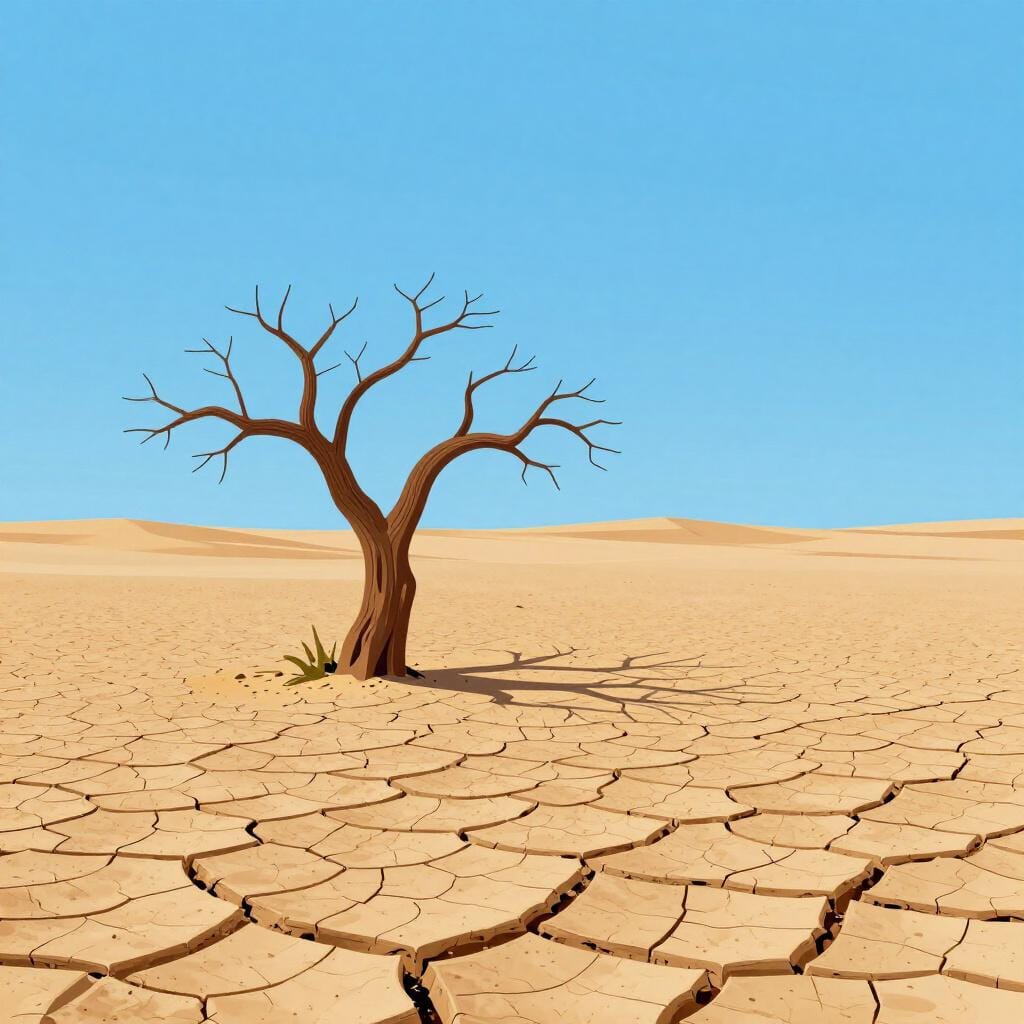
El pueblo quedó desolado tras el terremoto.
The town was left deserted after the earthquake.
Caminamos por un paisaje desolado después del incendio.
We walked through a desolate landscape after the fire.
La ciudad parecía desolada a las tres de la mañana.
The city seemed deserted at three in the morning.
Es una isla hermosa pero desolada, sin habitantes.
It is a beautiful but desolate island, without inhabitants.
Describing Places
When describing a place as naturally empty (like a desert), you can use 'ser'. If it's empty because everyone left, use 'estar'.
More than just 'alone'
Mistake: “Using it for a person who is just home alone.”
Correction: Use 'solo' for being alone. Use 'desolado' for a place that feels empty and ruined.
Abandonado vs. Desierto
Related Translations
Learn Spanish with Inklingo
Interactive stories, personalized learning, and more.