How to Say "devastated" in Spanish
The most common Spanish word for “devastated” is “desolado” — use this word for profound sadness and grief, often from loss, implying a feeling of emptiness.


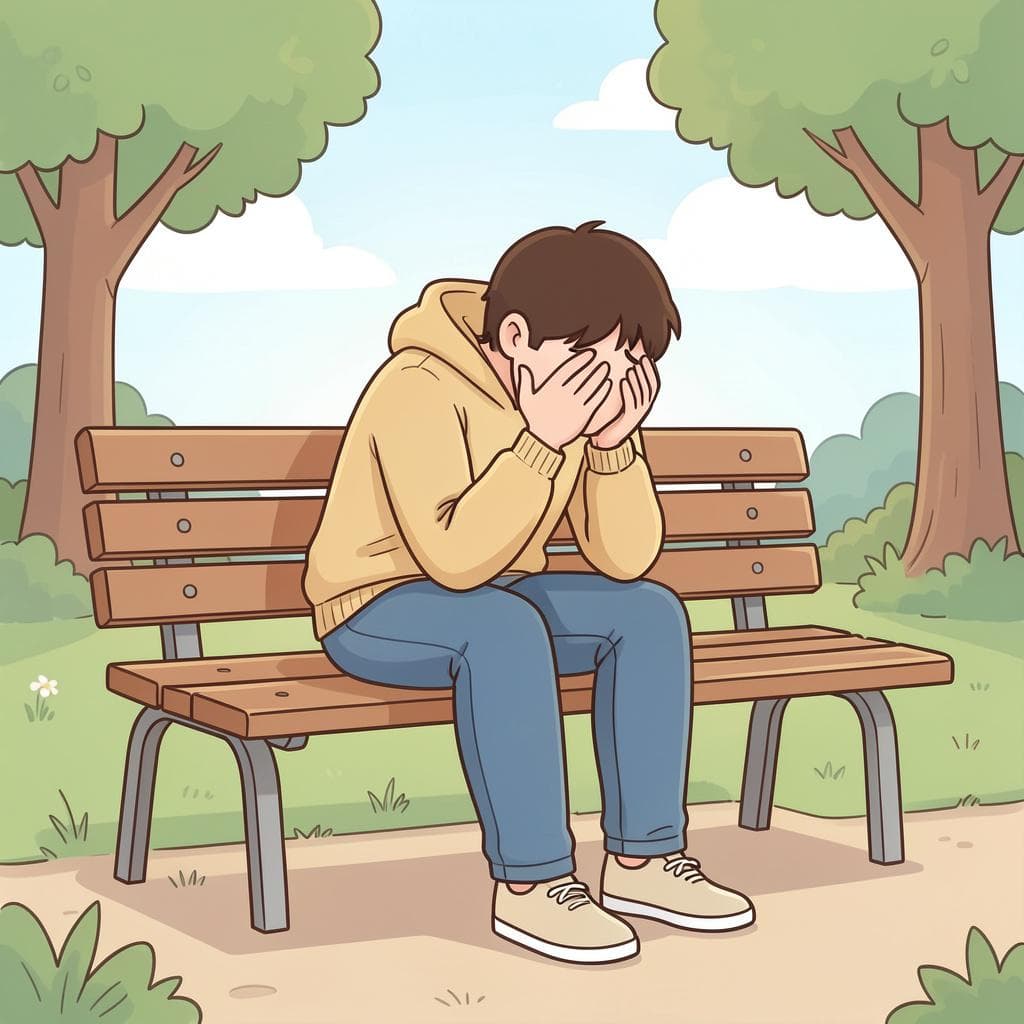


desolado
deh-so-LAH-dohdesoˈlaðo

Examples
Juan está desolado por la pérdida de su gato.
Juan is heartbroken over the loss of his cat.
Me sentí desolada cuando escuché las noticias.
I felt devastated when I heard the news.
Quedó desolado al saber que no había aprobado el examen.
He was devastated to find out he hadn't passed the exam.
Using with 'Estar'
Since this word describes a feeling or a state that resulted from an event, always use it with 'estar' rather than 'ser'.
Matching Gender
Remember to change the ending to 'desolada' if you are describing a woman or a feminine object.
Don't use 'ser'
Mistake: “Soy desolado.”
Correction: Estoy desolado. Use 'estar' because you aren't a heartbroken person by nature; you feel that way right now.
destrozado
des-tro-ZAH-dohdes.tɾoˈθa.ðo

Examples
Estaba destrozado después de perder el partido final.
He was devastated after losing the final match.
Llegué a casa totalmente destrozada tras doce horas de trabajo.
I arrived home totally shattered (exhausted) after twelve hours of work.
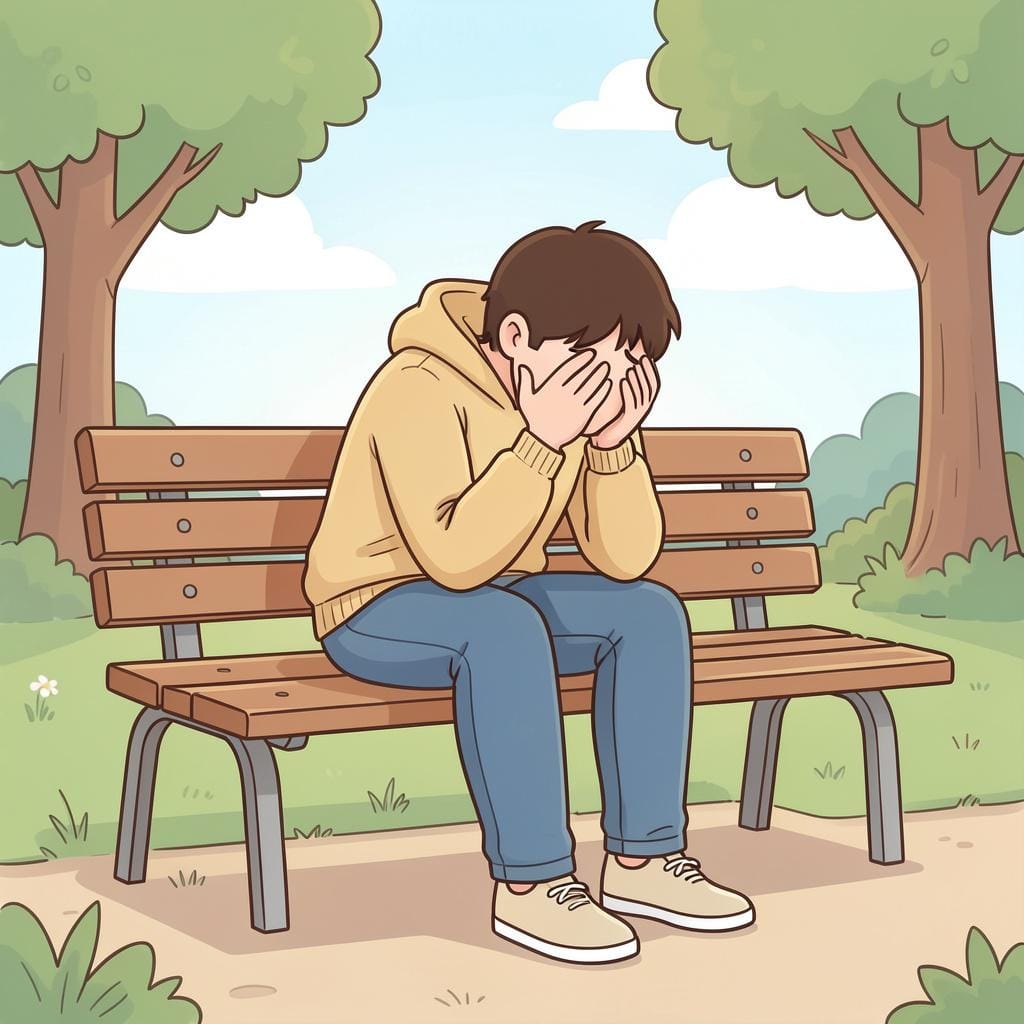
destruida
des-troo-EE-dahdesˈtɾwiða
Examples
Ella quedó destruida después de la ruptura.
She was devastated after the breakup.
Estoy destruida tras correr el maratón.
I'm wiped out after running the marathon.
Describing People
When used for a person, it's almost always feminine in this form ('Ella está destruida'). If you are a woman, you say 'Estoy destruida'.
devastado
deh-bahs-TAH-dohdeβasˈtaðo

Examples
La ciudad quedó devastada tras el paso del huracán.
The city was left devastated after the hurricane passed through.
Juan quedó devastado cuando supo la noticia del accidente.
Juan was devastated when he heard the news about the accident.
Me siento devastada por la pérdida de mi mejor amiga.
I feel devastated by the loss of my best friend.
La familia está devastada y pide privacidad.
The family is devastated and asks for privacy.
Changing the Ending
Since this is an adjective, you must change the ending to match the person. Use 'devastado' for a man and 'devastada' for a woman.
Using it with 'Quedar'
In Spanish, we often use the word 'quedar' (to stay/remain) with this word to show how someone was left feeling after a big event.
Matching Objects
If you are describing a city (la ciudad), use 'devastada.' If describing buildings (los edificios), use 'devastados.'
Describing the Cause
We usually use 'por' (by) to explain what caused the destruction, such as 'devastado por el fuego' (devastated by fire).
Don't use 'Ser'
Mistake: “Él es devastado.”
Correction: Él está devastado (or 'quedó devastado'). We use 'estar' because we are describing a state or a feeling, not a permanent character trait.
Stronger than 'Dañado'
Mistake: “El coche está devastado por un rasguño.”
Correction: El coche está dañado. Use 'devastado' only for total or near-total destruction.
roto
ROH-tohˈro.to

Examples
No puedo salir, estoy totalmente roto este mes.
I can't go out, I'm totally broke this month.
Después de la noticia, ella quedó rota, sin palabras.
After the news, she was devastated, speechless.
Emotional States
When describing feelings or mental states (like being exhausted or heartbroken), Spanish always uses 'estar' with 'roto/a' because it describes a current, temporary condition.
golpeó
Examples
La crisis económica golpeó con fuerza a las pequeñas empresas.
The economic crisis hit small businesses hard.
Emotional vs. Physical Devastation
Related Translations
Learn Spanish with Inklingo
Interactive stories, personalized learning, and more.