How to Say "wrecked" in Spanish
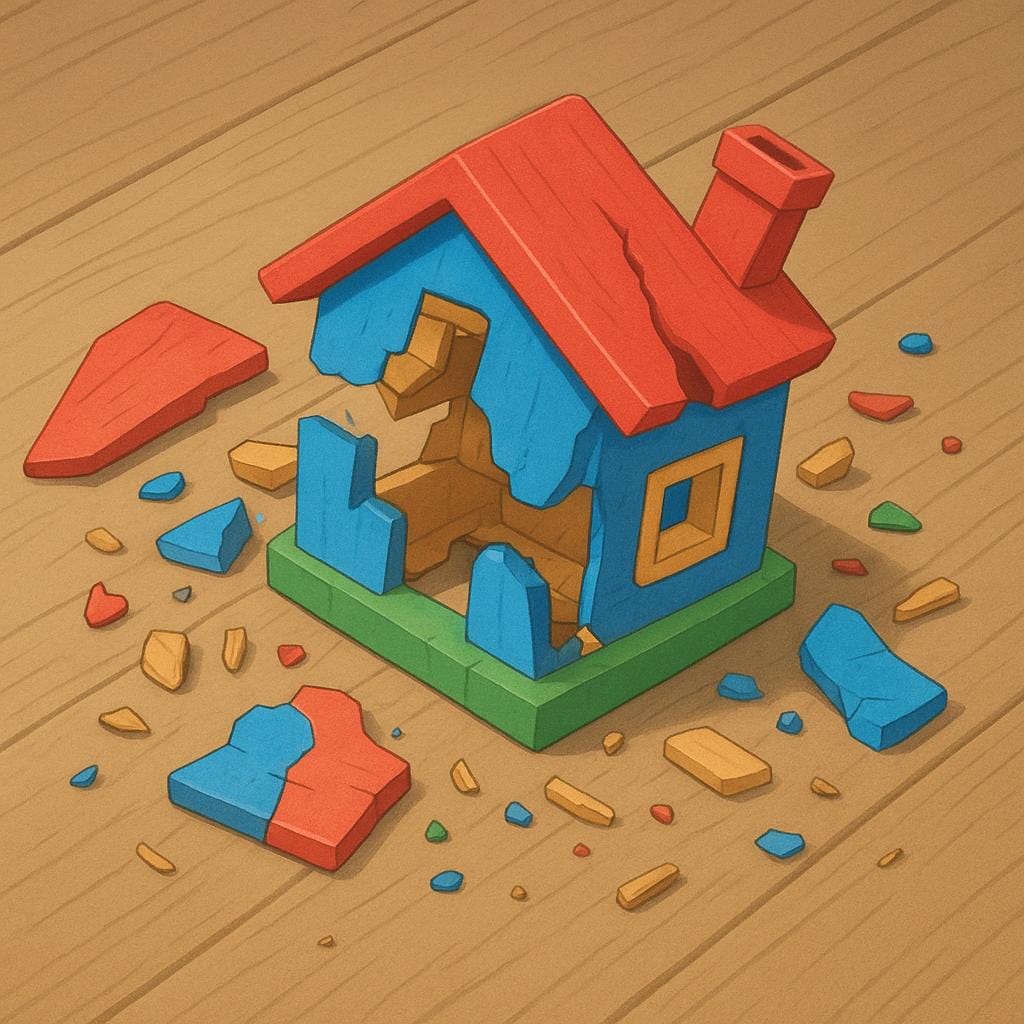
The most common Spanish word for “wrecked” is “destrozado” — use this adjective when referring to vehicles, buildings, or other structures that have been severely damaged or ruined.
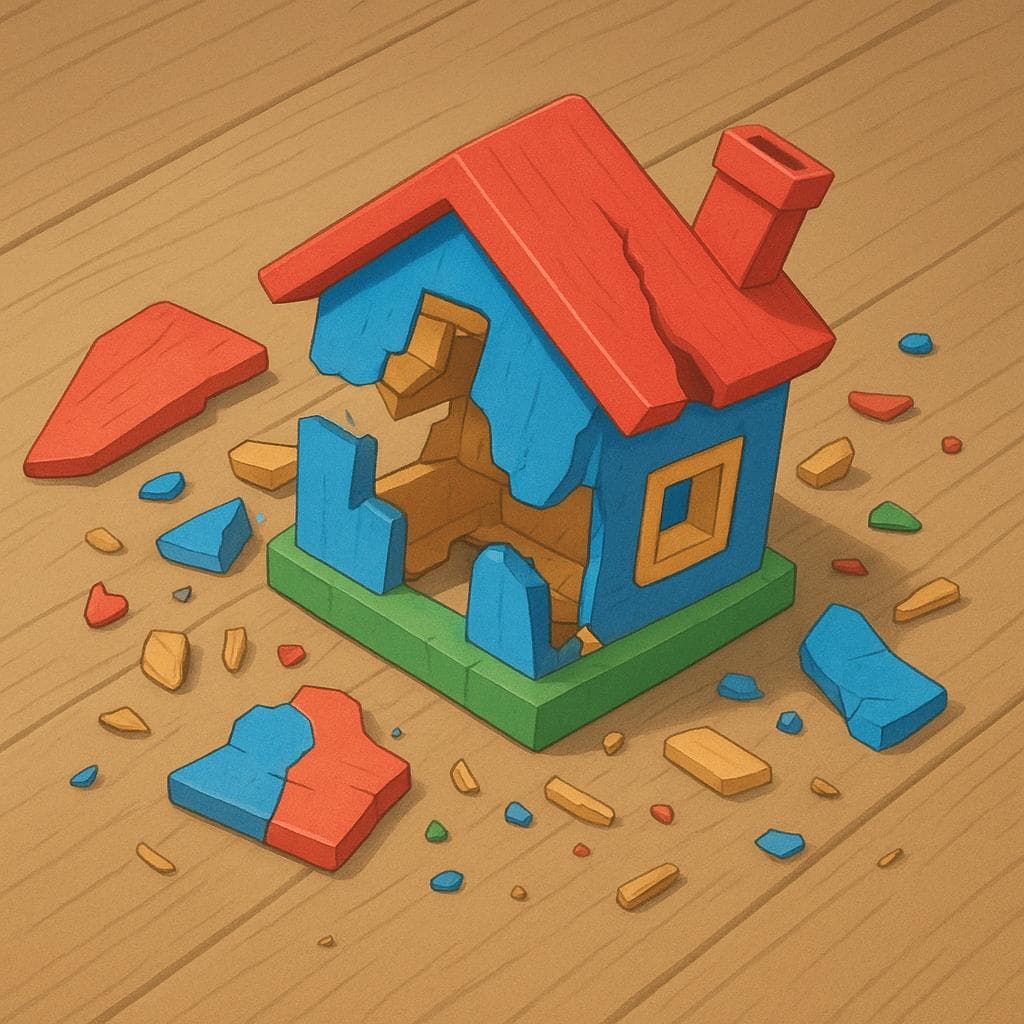

destrozado
des-tro-ZAH-dohdes.tɾoˈθa.ðo
Examples
El coche quedó destrozado después del choque.
The car was wrecked after the crash.
El terremoto dejó el puente destrozado.
The earthquake left the bridge destroyed.
Encontraron la bicicleta destrozada en el bosque.
They found the smashed bicycle in the forest.
It Must Match
Since 'destrozado' is acting like a descriptive word (adjective), it must match the thing it describes in gender and number. For example: 'la pared destrozada' (the destroyed wall) or 'los coches destrozados' (the destroyed cars).
Using 'Ser'
Mistake: “La casa es destrozada.”
Correction: Use 'estar' (La casa está destrozada) because 'destrozado' describes a temporary state or condition resulting from an action, not a permanent characteristic.
destruida
des-troo-EE-dahdesˈtɾwiða

Examples
La antigua fábrica fue destruida por el incendio.
The old factory was destroyed/wrecked by the fire.
La casa quedó totalmente destruida por el incendio.
The house was totally destroyed by the fire.
Mi bicicleta está destruida y no tiene arreglo.
My bicycle is ruined and cannot be fixed.
The 'A' Ending
Because this word ends in 'a', it must only be used with feminine nouns like 'la casa' (the house) or 'la ciudad' (the city).
Used with 'Estar'
We usually use this with the verb 'estar' (to be) because it describes the current state or condition of something after an event.
Wrong Gender Match
Mistake: “El edificio está destruida.”
Correction: El edificio está destruido. Since 'edificio' is masculine, the ending must change to 'o'.
arruinó
Examples
La lluvia arruinó nuestro plan de picnic.
The rain ruined/wrecked our picnic plan.
destruyó
Examples
El huracán destruyó muchas casas en la costa.
The hurricane destroyed/wrecked many houses on the coast.
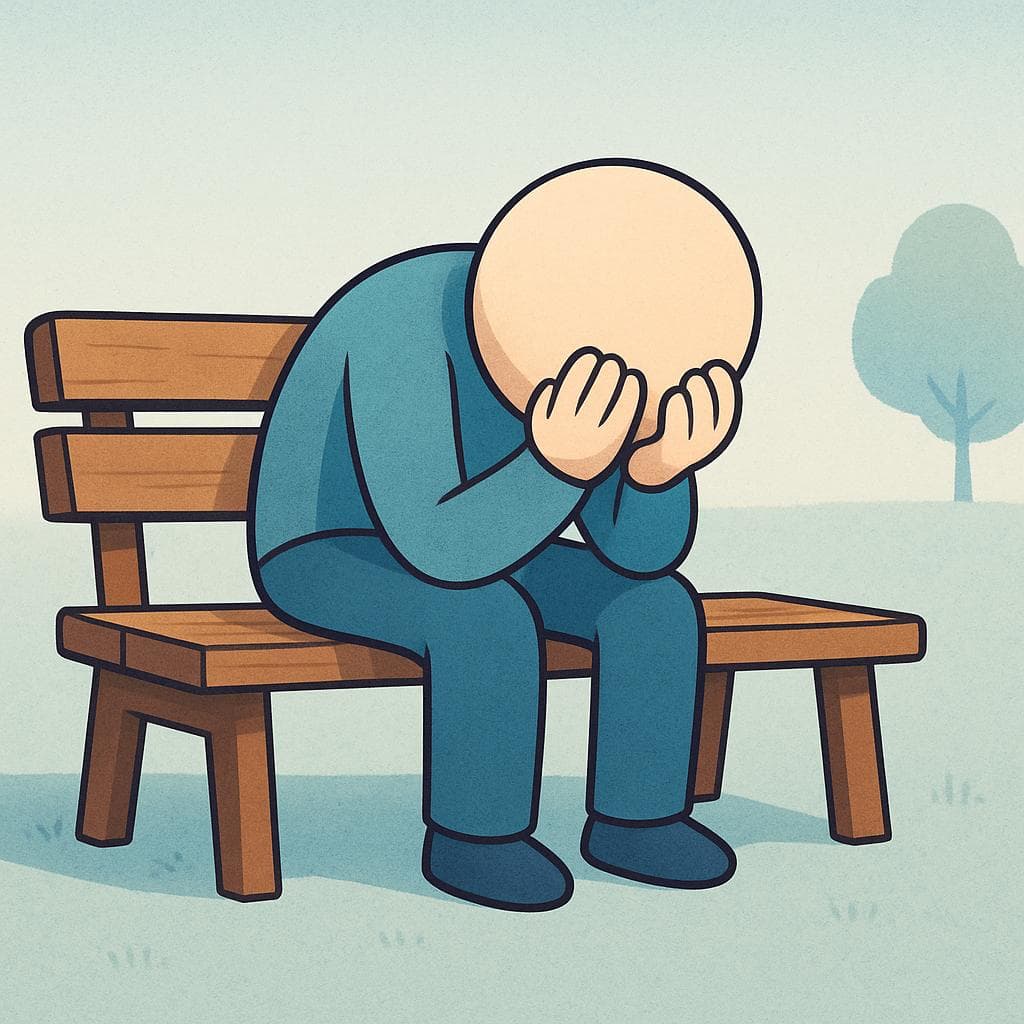
pedazos
peh-DAH-sospeˈða.θos
Examples
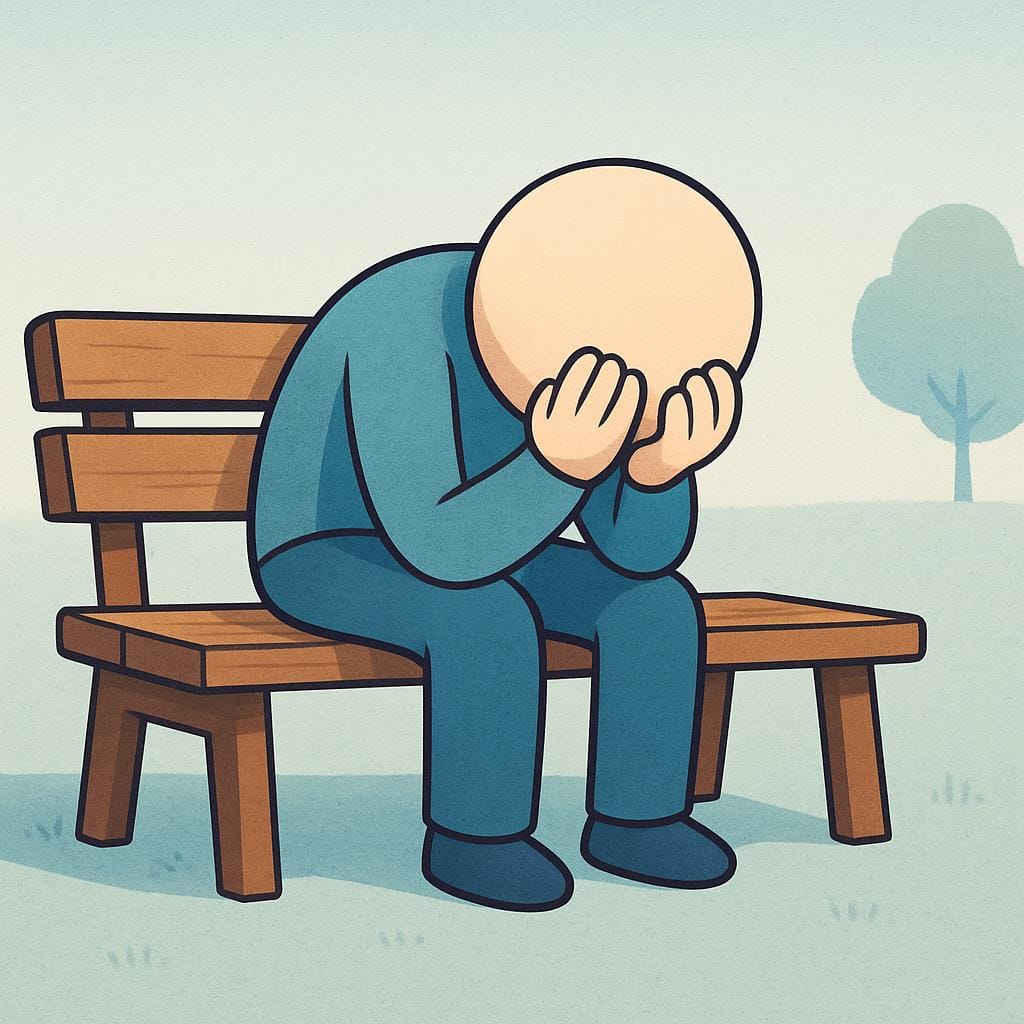
Después de la maratón, terminé hecho pedazos.
After the marathon, I ended up completely wrecked/exhausted.
Después de correr la maratón, estaba hecho pedazos.
After running the marathon, I was totally exhausted/wrecked.
La crítica hizo pedazos su nueva novela.
The review tore her new novel to shreds (destroyed it completely).
Me sentí hecha pedazos cuando se fue.
I felt shattered/broken when he left.
Using 'Hecho'
In the common phrase 'estar hecho pedazos,' notice that 'hecho' (made) must match the gender of the person speaking ('hecho' for masculine, 'hecha' for feminine), even though 'pedazos' is masculine plural.
Physical Destruction vs. Ruined Plans
Related Translations
Learn Spanish with Inklingo
Interactive stories, personalized learning, and more.