Inklingo

destrozado

/des-tro-ZAH-doh/

destroyed

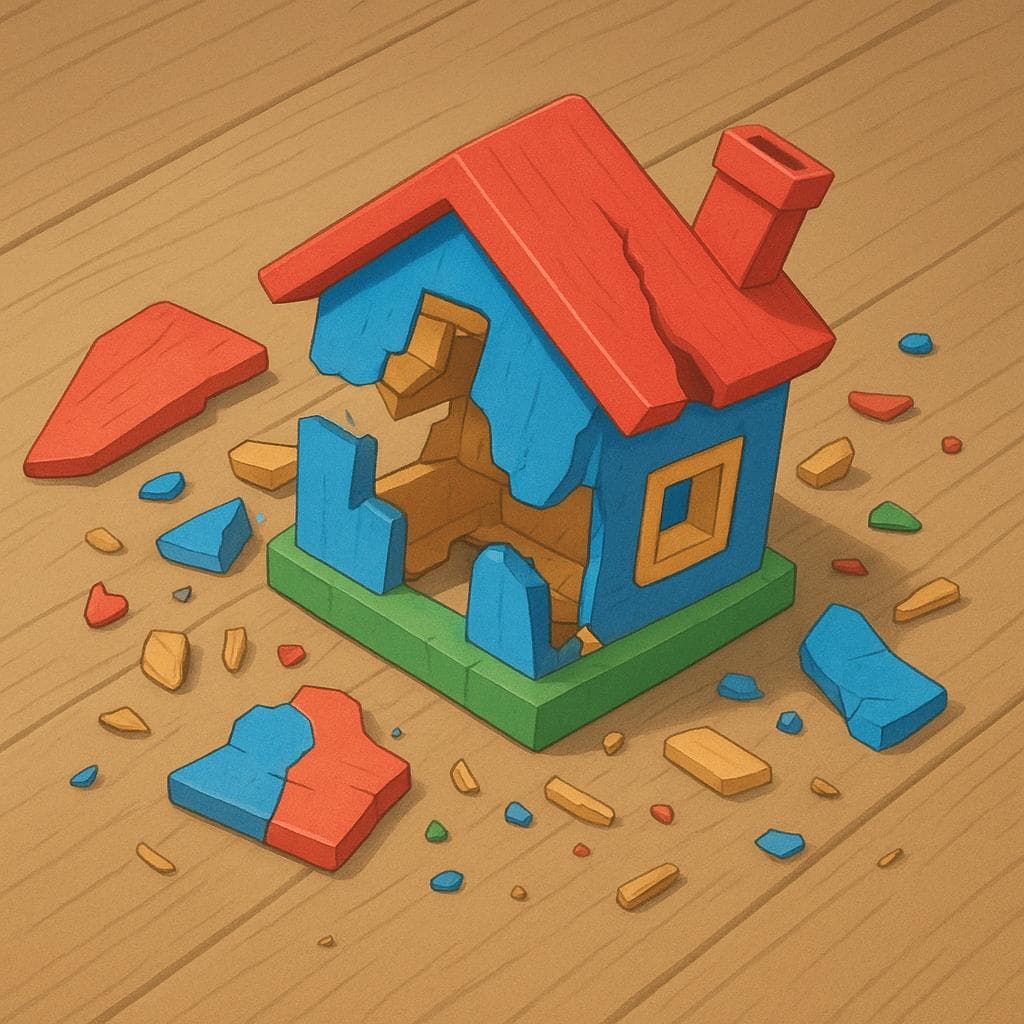
A small wooden toy house lying in pieces on the ground, clearly broken and physically ruined.

Destrozado (destroyed): The toy house is physically ruined.

destrozado(Adjective)

mB1

destroyed

?

physically ruined

Also:

smashed

?

broken violently

,

wrecked

?

vehicles or structures

📝 In Action

El terremoto dejó el puente destrozado.

B1

The earthquake left the bridge destroyed.

Encontraron la bicicleta destrozada en el bosque.

B2

They found the smashed bicycle in the forest.

Word Connections

Synonyms

Antonyms

  • intacto (intact)

Common Collocations

  • quedar destrozadoto be left destroyed

💡 Grammar Points

It Must Match

Since 'destrozado' is acting like a descriptive word (adjective), it must match the thing it describes in gender and number. For example: 'la pared destrozada' (the destroyed wall) or 'los coches destrozados' (the destroyed cars).

❌ Common Pitfalls

Using 'Ser'

Mistake: "La casa es destrozada."

Correction: Use 'estar' (La casa está destrozada) because 'destrozado' describes a temporary state or condition resulting from an action, not a permanent characteristic.

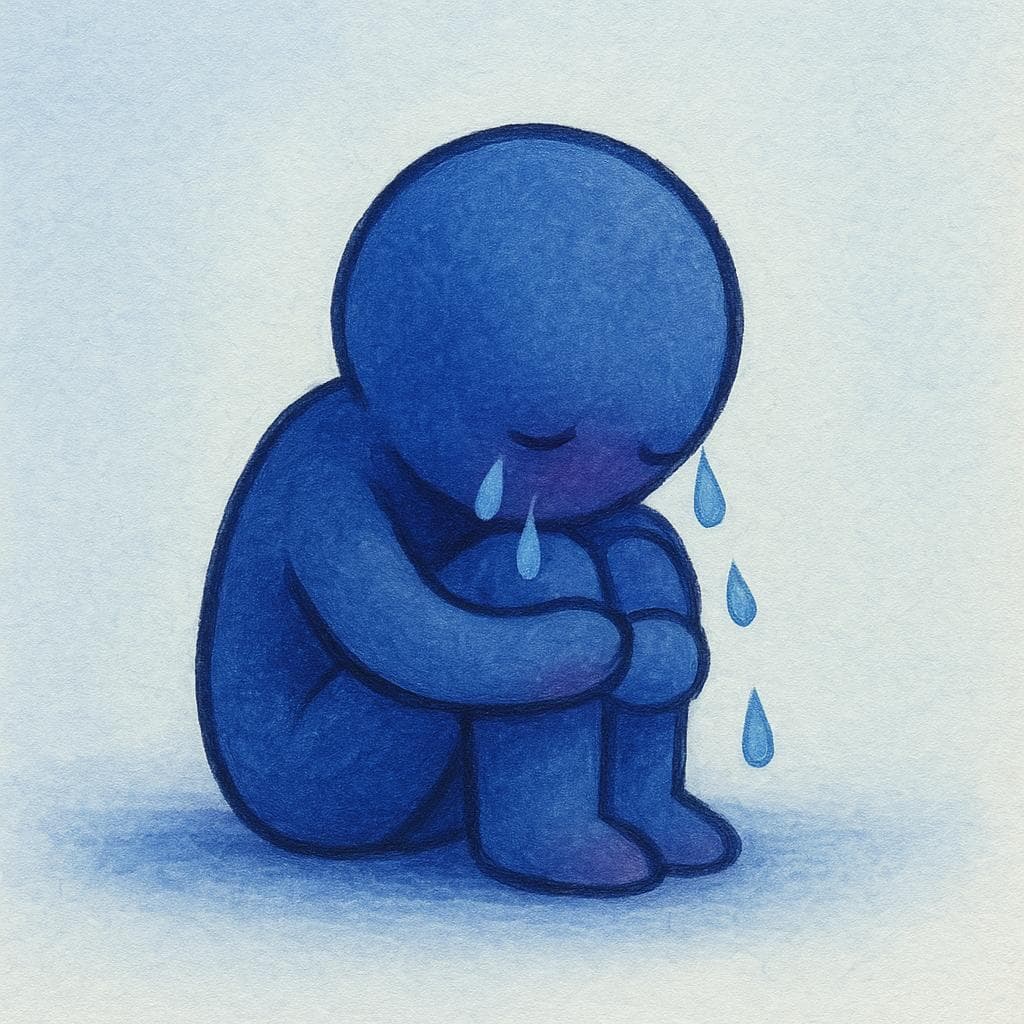
A simple, stylized human figure sitting alone, hunched over and weeping intensely, conveying deep emotional devastation.

Destrozado (devastated): Feeling emotionally shattered and heartbroken.

destrozado(Adjective)

mB2

devastated

?

emotionally shattered or heartbroken

Also:

shattered

?

extremely exhausted (colloquial)

,

crushed

?

emotionally defeated

📝 In Action

Estaba destrozado después de perder el partido final.

B2

He was devastated after losing the final match.

Llegué a casa totalmente destrozada tras doce horas de trabajo.

C1

I arrived home totally shattered (exhausted) after twelve hours of work.

Word Connections

Synonyms

  • desolado (desolate)
  • afligido (grieved)

Antonyms

⭐ Usage Tips

Emotional Intensity

When used for emotions, 'destrozado' indicates a level of sadness or disappointment far deeper than 'triste' (sad). It suggests being emotionally broken.

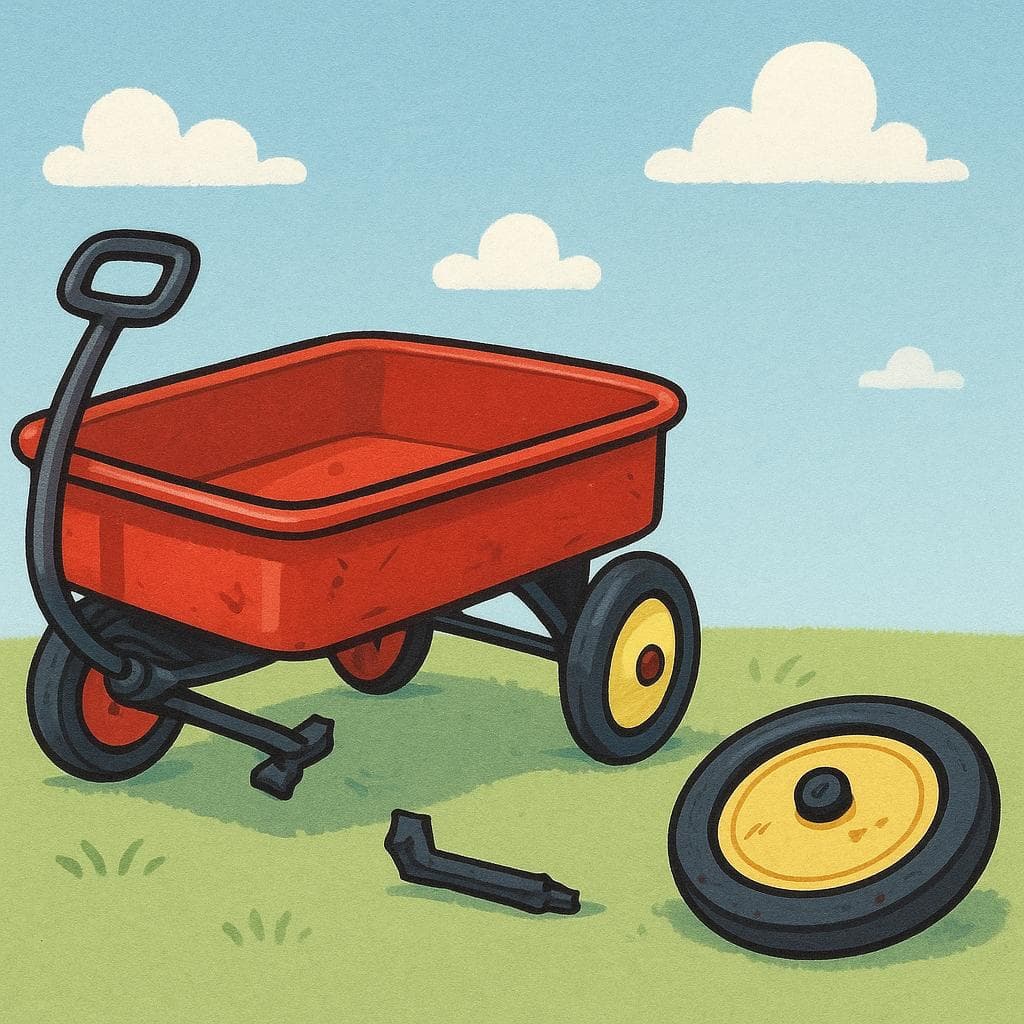
A bright red toy wagon lying on its side with one wheel completely broken off and resting next to it.

Destrozado (destroyed, past participle): The wagon has been destroyed.

destrozado(Verb)

A2regular ar

destroyed (past participle)

?

used with 'haber'

Also:

smashed (past participle)

?

used with 'haber'

📝 In Action

Han destrozado el jardín con la excavadora.

A2

They have destroyed the garden with the excavator.

Para cuando llegamos, ya se había destrozado la escultura.

B1

By the time we arrived, the sculpture had already been destroyed.

💡 Grammar Points

Spelling Change in Conjugation

Because the base verb 'destrozar' ends in -zar, the 'z' changes to 'c' when followed by the letter 'e' (like in the Preterite 'yo' form: 'destrocé', or the Present Subjunctive: 'destroce'). This keeps the correct sound.

🔄 Conjugations

indicative

present

él/ella/usteddestroza
yodestrozo
destrozas
ellos/ellas/ustedesdestrozan
nosotrosdestrozamos
vosotrosdestrozáis

imperfect

él/ella/usteddestrozaba
yodestrozaba
destrozabas
ellos/ellas/ustedesdestrozaban
nosotrosdestrozábamos
vosotrosdestrozabais

preterite

él/ella/usteddestrozó
yodestrocé
destrozaste
ellos/ellas/ustedesdestrozaron
nosotrosdestrozamos
vosotrosdestrozasteis

subjunctive

present

él/ella/usteddestroce
yodestroce
destroces
ellos/ellas/ustedesdestrocen
nosotrosdestrocemos
vosotrosdestrocéis

imperfect

él/ella/usteddestrozara/destrozase
yodestrozara/destrozase
destrozaras/destrozases
ellos/ellas/ustedesdestrozaran/destrozasen
nosotrosdestrozáramos/destrozásemos
vosotrosdestrozarais/destrozaseis

✏️ Quick Practice

💡 Quick Quiz: destrozado

Question 1 of 1

Which sentence uses 'destrozado' to describe an emotional state?

📚 More Resources

Word Family

Frequently Asked Questions

What is the difference between 'destrozado' and 'dañado'?

'Dañado' means 'damaged' and implies that something is harmed but perhaps still usable or repairable. 'Destrozado' means 'destroyed' or 'smashed,' indicating much more severe damage, often beyond repair.