destrozar
“destrozar” means “to destroy” in Spanish. It has 2 different meanings depending on context:
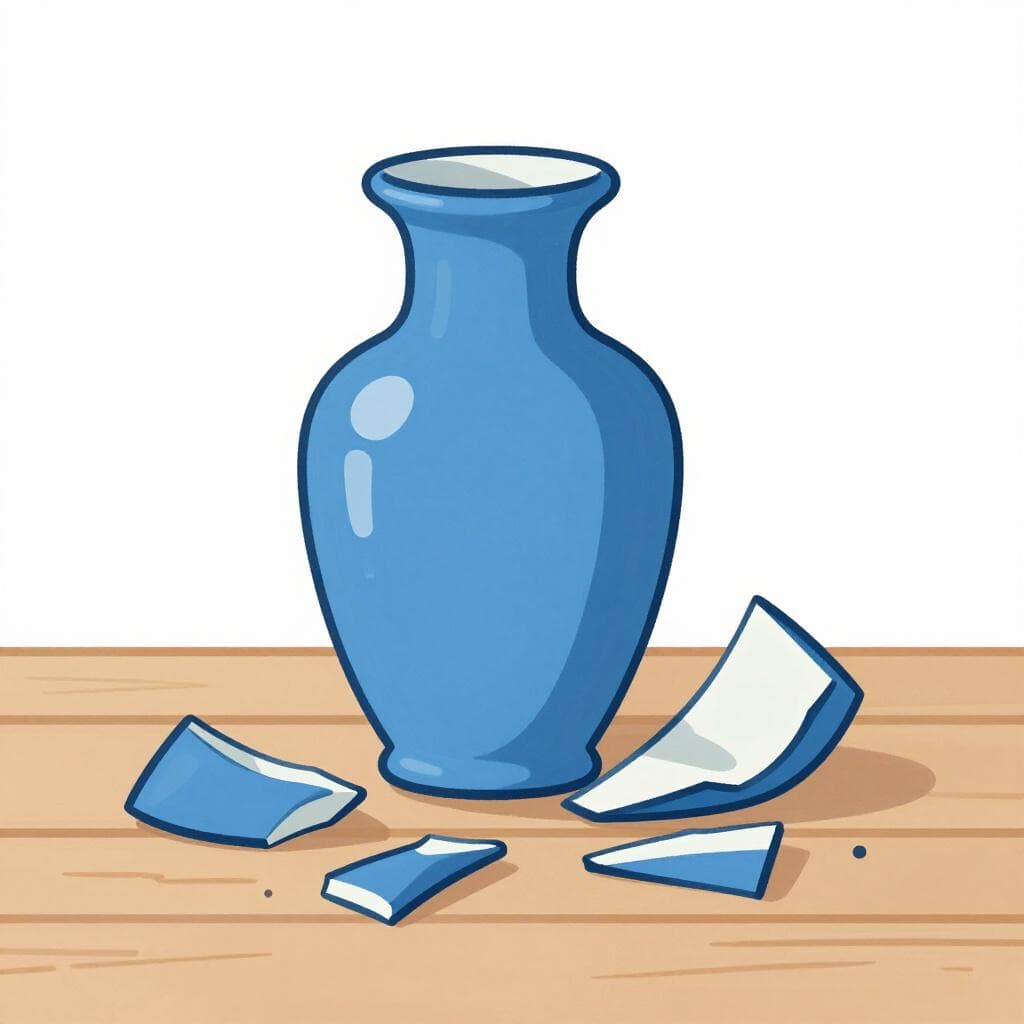

to destroy
Also: to smash, to wreck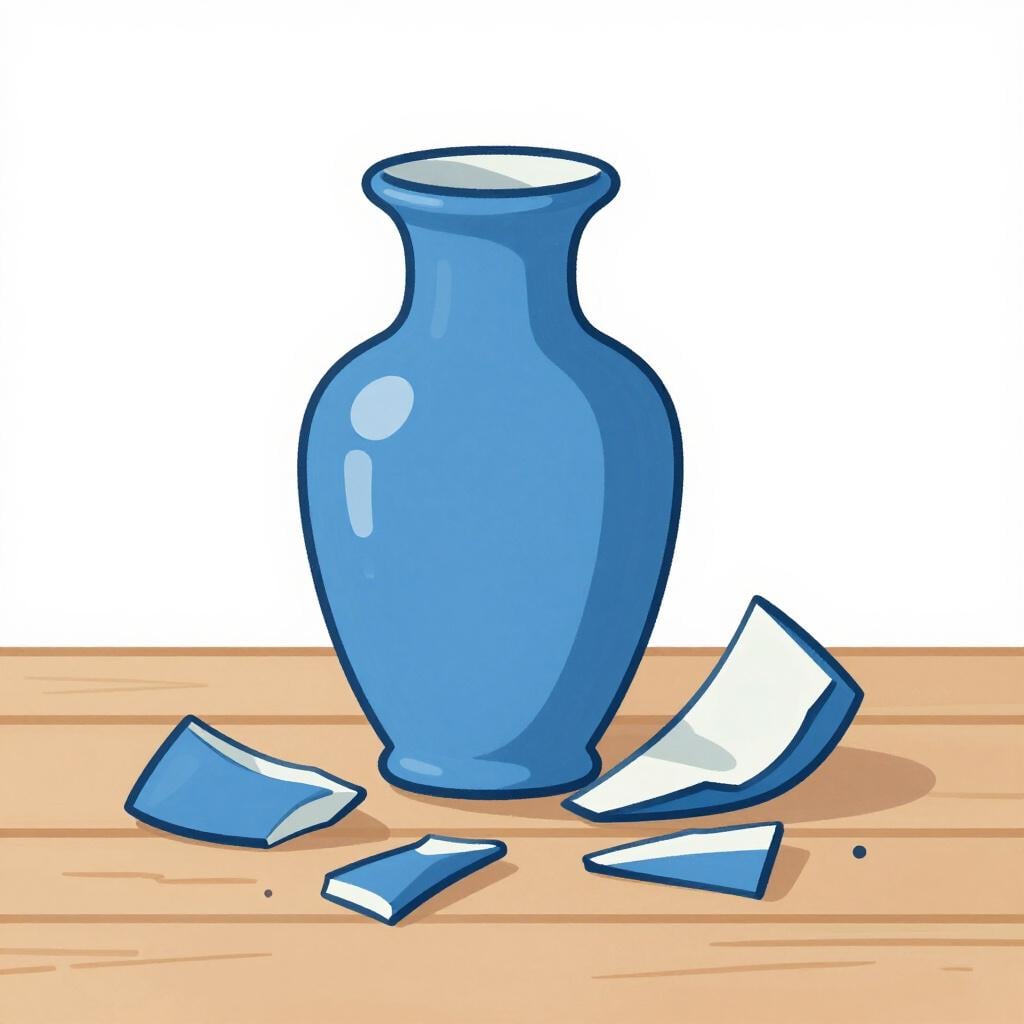
📝 In Action
El granizo destrozó las plantas del jardín.
A2The hail destroyed the plants in the garden.
Ten cuidado, no quiero que destroces el juguete.
B1Be careful, I don't want you to smash the toy.
El accidente destrozó la parte delantera del coche.
B2The accident wrecked the front part of the car.
to devastate
Also: to break someone's heart, to crush
📝 In Action
Esa noticia me destrozó el corazón.
B1That news broke my heart.
Ella quedó destrozada después de la ruptura.
B1She was devastated after the breakup.
Sus críticas destrozaron mi confianza.
B2His criticisms crushed my confidence.
Subjunctive
Imperfect Subjunctive
Present Subjunctive
Indicative
Preterite
Imperfect
Present
Translate to Spanish
✏️ Quick Practice
Quick Quiz: destrozar
Question 1 of 3
Which sentence uses 'destrozar' to mean physical destruction?
📚 More Resources
👥 Word Family▼
📚 Etymology▼
From the Spanish prefix 'des-' (meaning to undo or reverse) and 'trozo' (piece). It literally means to take something whole and turn it into pieces.
First recorded: 13th century
Cognates (Related words)
💡 Master Spanish
Take your Spanish to the next level. Read 200+ illustrated and narrated Spanish stories tailored to your level with the Inklingo app!
Frequently Asked Questions
Is 'destrozar' more common than 'destruir'?
In daily conversation, yes. 'Destruir' sounds a bit more formal or technical (like destroying a building or a country), while 'destrozar' is used for smaller objects or deep emotions.
Can I use 'destrozar' for a broken phone screen?
Yes! If the screen is shattered into many pieces, 'destrozar' is the perfect word to describe the damage.
Does 'destrozar' always mean something negative?
Usually, yes. However, you might hear it used for 'shattering' a record in sports, which is positive!