How to Say "to wreck" in Spanish
The most common Spanish word for “to wreck” is “arruinar” — use 'arruinar' when something is damaged to the point where it can no longer be used or is completely spoiled, often affecting its potential or value.
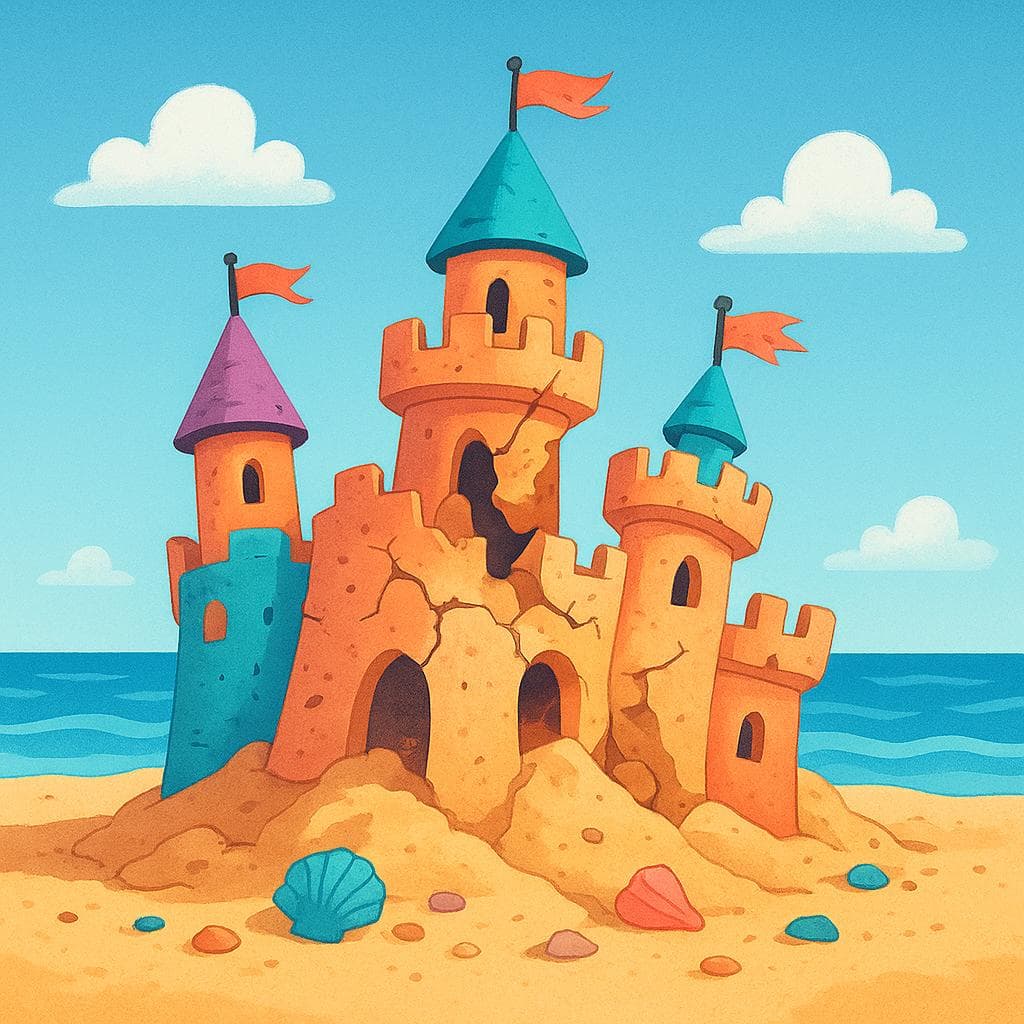
Use 'arruinar' when something is damaged to the point where it can no longer be used or is completely spoiled, often affecting its potential or value.
Learn more →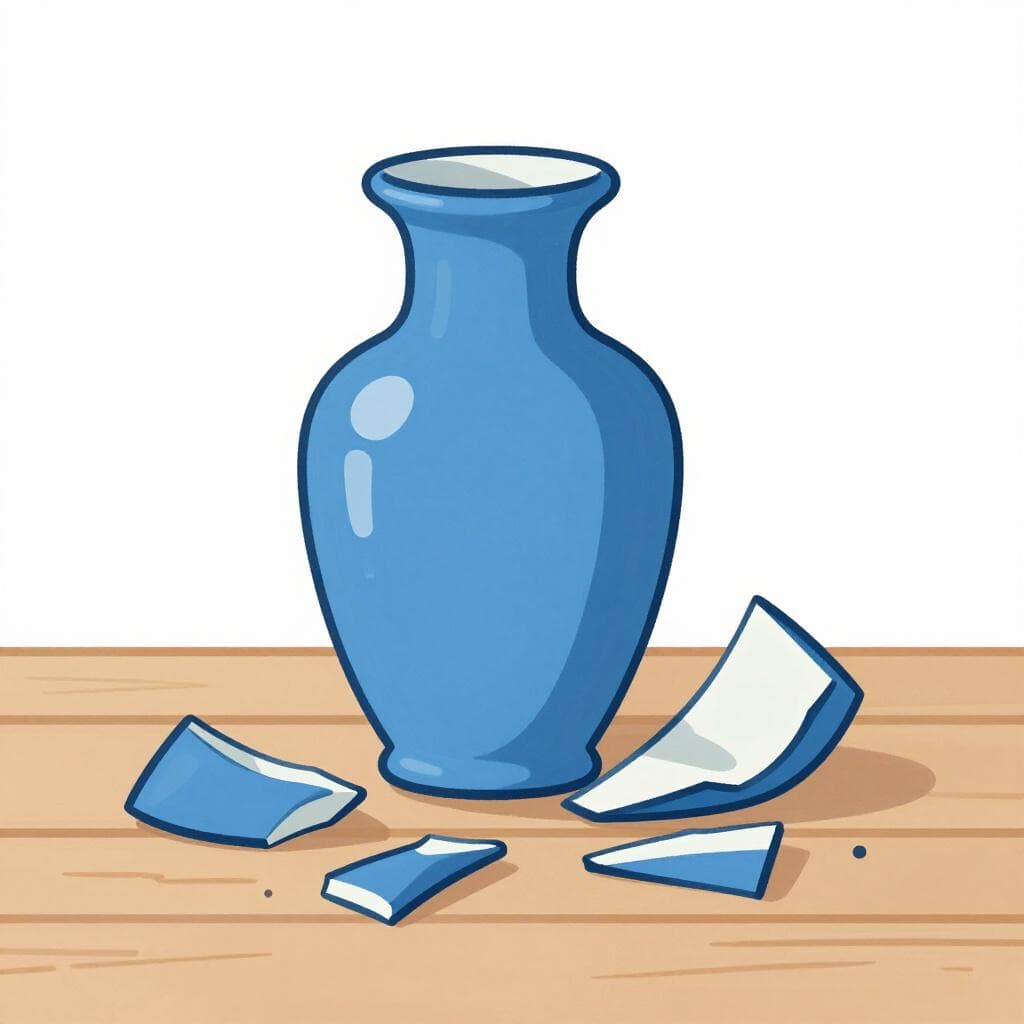
Choose 'destrozar' for severe, often physical, destruction of an object or structure, implying it is broken into many pieces or completely smashed.
Learn more →
Use 'sabotear' when the intention is to deliberately damage or disrupt something, often in a way that undermines its function or progress, like in a work or political context.
Learn more →ahr-roo-ee-NAHRar.rwiˈnar
Examples
La helada arruinó las flores del jardín.
The frost ruined the garden flowers.
La tormenta arruinó la cosecha de este año.
The storm ruined this year's harvest.
El terremoto arruinó muchos edificios históricos.
The earthquake wrecked many historic buildings.
No dejes que un error arruine tu reputación.
Don't let one mistake ruin your reputation.
Regular -AR Verb
This verb follows the standard, predictable pattern for all verbs ending in -ar. If you know how to conjugate 'hablar' (to speak), you know how to conjugate 'arruinar'.
Accenting the 'u'
Mistake: “Using *arruíno* or *arruínas*.”
Correction: The stress stays on the last part of the stem: *arruino*, *arruinas*. The 'u' and 'i' are pronounced together as one syllable (rwee), not separately.
des-tro-SARdes.tɾoˈθaɾ
Examples
El terremoto destrozó varios edificios en la ciudad.
The earthquake destroyed several buildings in the city.
El granizo destrozó las plantas del jardín.
The hail destroyed the plants in the garden.
Ten cuidado, no quiero que destroces el juguete.
Be careful, I don't want you to smash the toy.
El accidente destrozó la parte delantera del coche.
The accident wrecked the front part of the car.
The Z to C Spelling Swap
When the 'z' in destrozar meets an 'e' (like in 'destrocé' or 'destroce'), it changes to a 'c' to keep the sound correct. It's just a spelling tweak, not a change in how you say it!
Strength of the word
Use 'destrozar' when something is beyond simple repair. If you just break a glass, use 'romper'. If you smash it into a thousand tiny bits, use 'destrozar'.
The 'Z' error
Mistake: “yo destrozé”
Correction: yo destrocé (Remember: 'z' usually turns into 'c' before an 'e' in Spanish spelling).
sa-bo-te-ARsaβoteˈaɾ
Examples
Intentaron sabotear el lanzamiento del nuevo producto.
They tried to sabotage the launch of the new product.
Alguien intentó sabotear las máquinas de la fábrica.
Someone tried to sabotage the machines at the factory.
No dejes que tu miedo sabotee esta gran oportunidad.
Don't let your fear sabotage this great opportunity.
Él siempre sabotea mis planes de cocina con sus críticas.
He always wrecks my cooking plans with his criticism.
Direct Action Verb
In Spanish, you don't need a word like 'to' after sabotear. You sabotear something directly, just like in English.
Using 'Se' for Self-Sabotage
To talk about sabotaging yourself, add the little word 'se' to the end (sabotearse) or use 'me/te/se' before the verb.
Using 'hacer' with sabotage
Mistake: “Hacer un sabotaje a la reunión.”
Correction: Sabotear la reunión. It is more natural to use the verb itself rather than 'making a sabotage'.
Physical vs. Figurative Ruin
Learners often confuse 'arruinar' and 'destrozar'. Remember that 'destrozar' implies more violent, physical destruction, like smashing an object. 'Arruinar' is broader and can mean to spoil or ruin something's potential or value, even without physical damage.
Related Translations
Learn Spanish with Inklingo
Interactive stories, personalized learning, and more.