How to Say "to smash" in Spanish
The most common Spanish word for “to smash” is “romper” — use 'romper' when 'to smash' implies breaking something by hitting it, often with a degree of force, but without necessarily causing complete destruction.
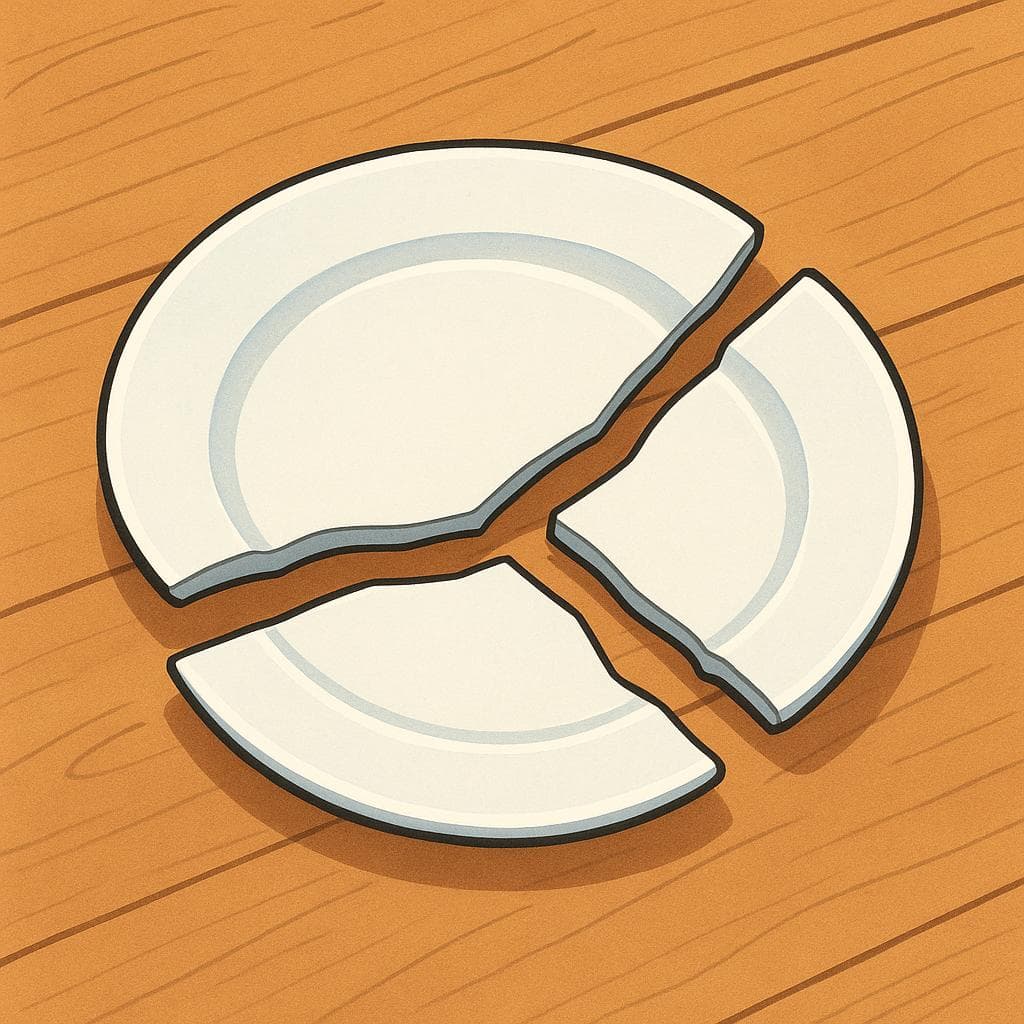
Use 'romper' when 'to smash' implies breaking something by hitting it, often with a degree of force, but without necessarily causing complete destruction.
Learn more →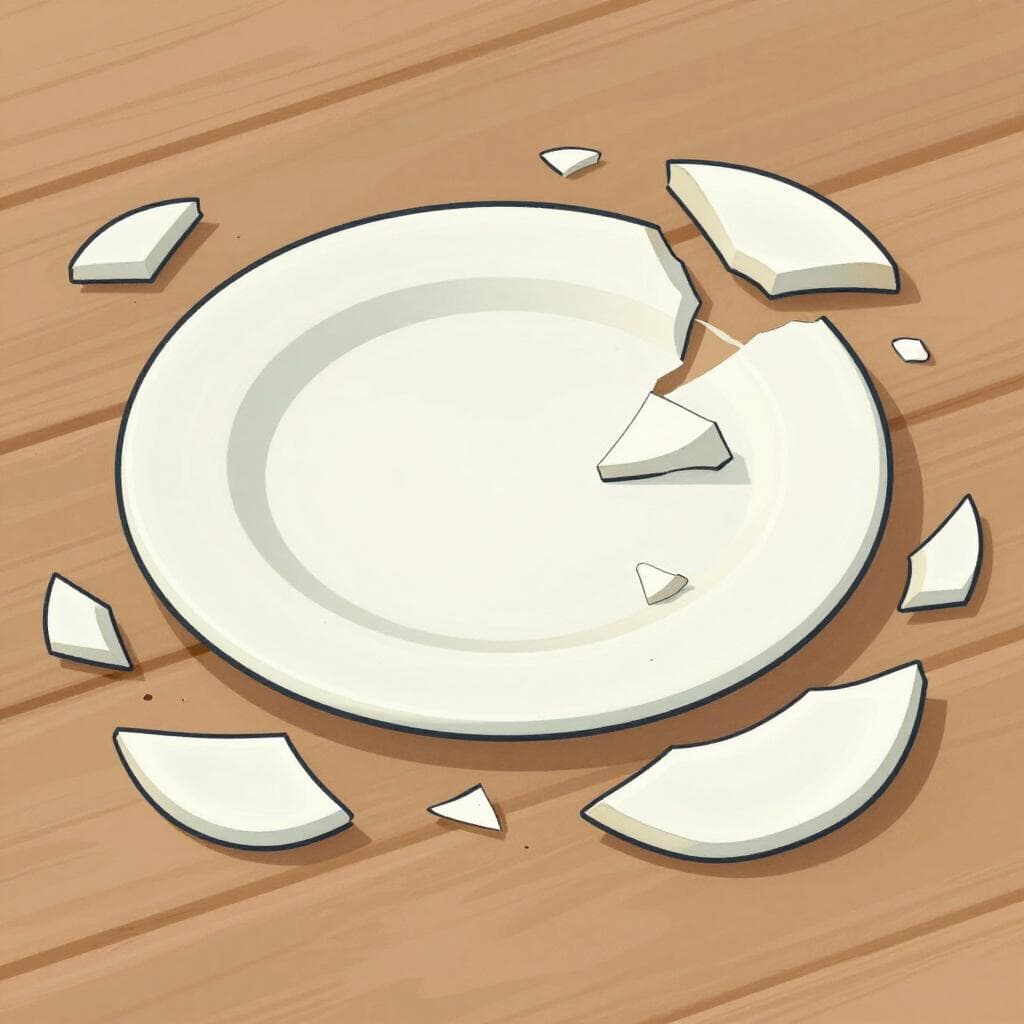
Choose 'estrellar' when 'to smash' specifically means to break something by violently hitting or throwing it against a hard surface.
Learn more →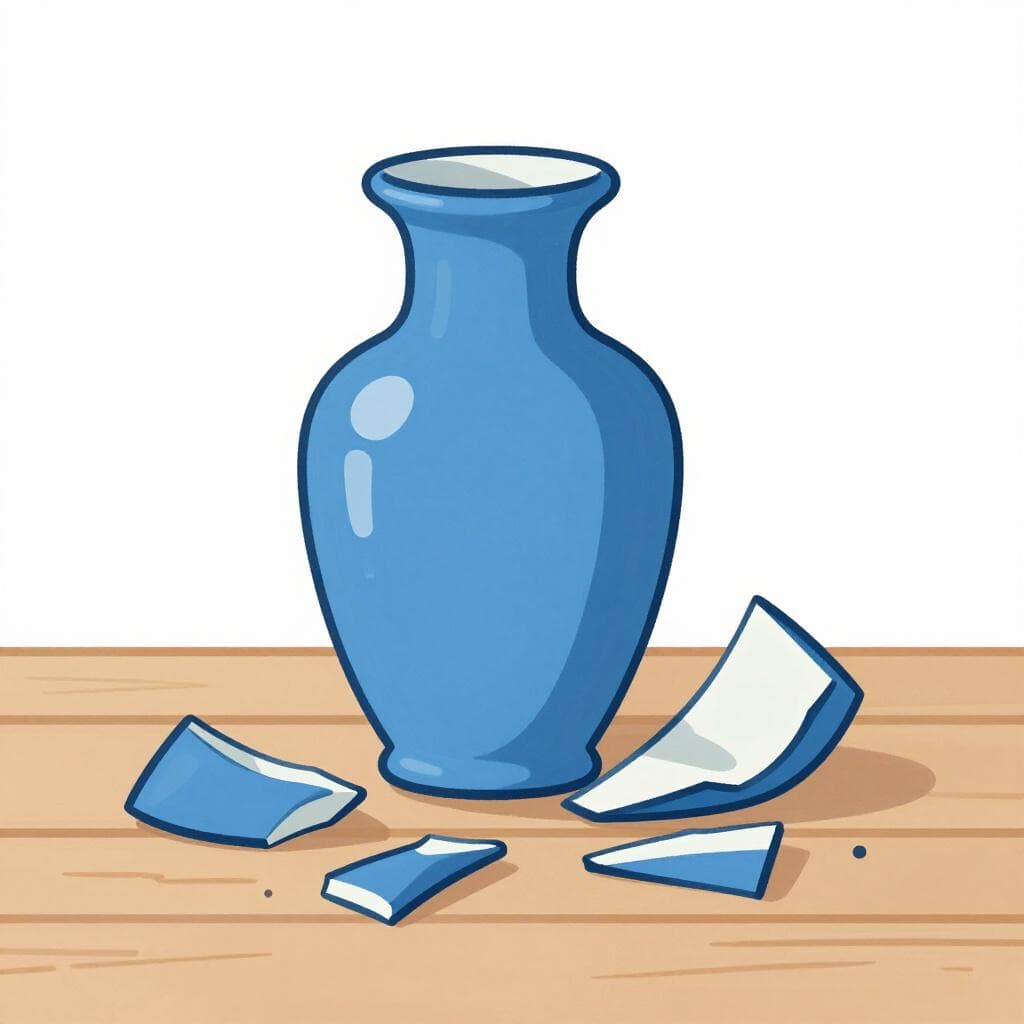
Use 'destrozar' when 'to smash' implies causing severe damage or complete destruction to something, often through a forceful impact.
Learn more →rrohm-pehrroˈmpeɾ
Examples
Ten cuidado de no romper el jarrón de mi abuela.
Be careful not to smash my grandmother's vase.
El niño rompió la ventana con la pelota.
The boy broke the window with the ball.
Using the Past Participle
Unlike most ER verbs, the past participle of 'romper' is irregular: it's roto, not rompido. Use it for compound tenses (e.g., 'He roto' - I have broken).
Using the Regular Past Participle
Mistake: “La taza ha rompido.”
Correction: La taza ha roto. (The cup has broken.) Remember, *roto* is the correct form.
es-tre-YARestɾeˈʎaɾ
Examples
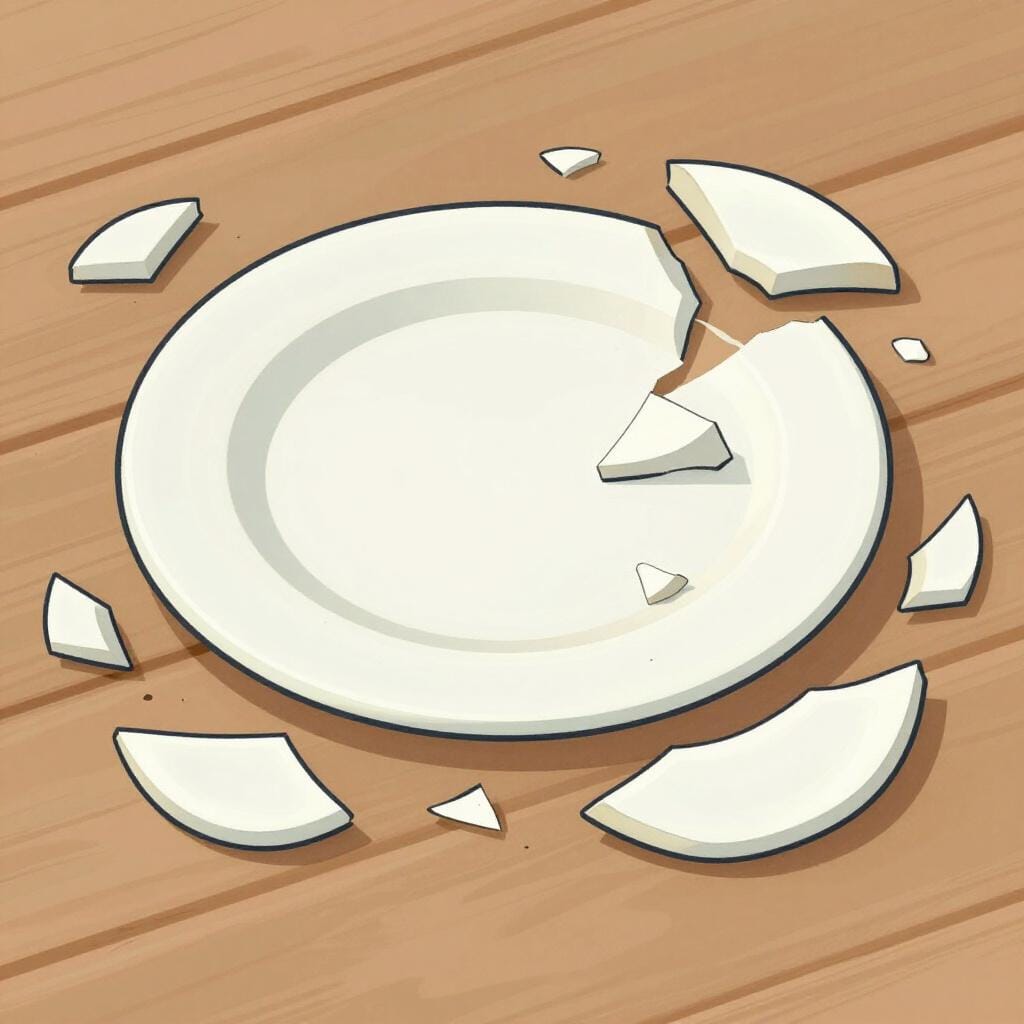
El niño estrelló su juguete contra el suelo.
The boy smashed his toy against the floor.
Perdí el control y estrellé el coche contra un árbol.
I lost control and crashed the car into a tree.
Su nueva empresa se estrelló en el primer año.
His new company crashed and burned in the first year.
Doing it to yourself
When you crash into something yourself, you add 'se' to the end (estrellarse). Use 'contra' to show what you hit: 'Me estrellé contra la pared'.
The 'Contra' connection
This verb almost always uses the word 'contra' (against) to show the surface where the impact happened.
Don't just say 'estrellé'
Mistake: “Estrellé con un árbol.”
Correction: Me estrellé contra un árbol.
des-tro-SARdes.tɾoˈθaɾ
Examples
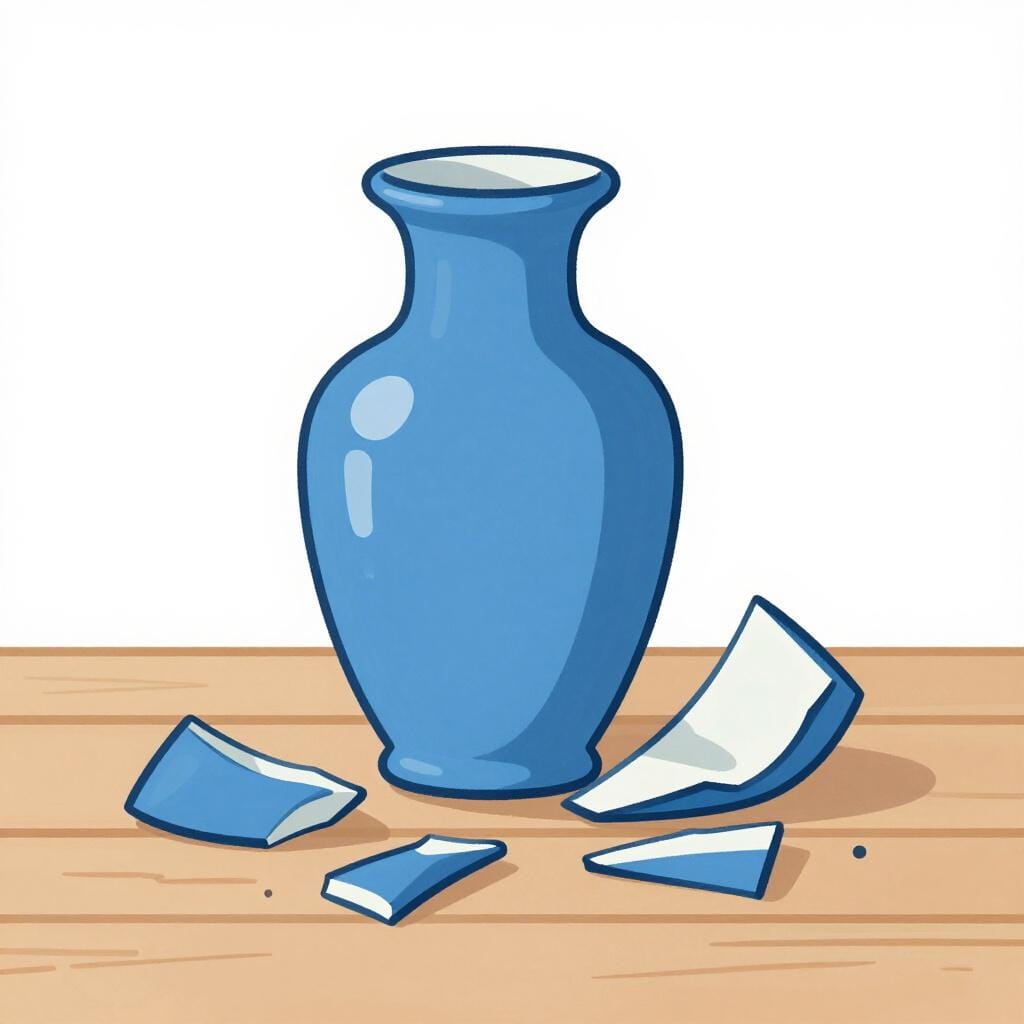
El granizo destrozó las plantas del jardín.
The hail smashed the plants in the garden.
Ten cuidado, no quiero que destroces el juguete.
Be careful, I don't want you to smash the toy.
El accidente destrozó la parte delantera del coche.
The accident wrecked the front part of the car.
The Z to C Spelling Swap
When the 'z' in destrozar meets an 'e' (like in 'destrocé' or 'destroce'), it changes to a 'c' to keep the sound correct. It's just a spelling tweak, not a change in how you say it!
Strength of the word
Use 'destrozar' when something is beyond simple repair. If you just break a glass, use 'romper'. If you smash it into a thousand tiny bits, use 'destrozar'.
The 'Z' error
Mistake: “yo destrozé”
Correction: yo destrocé (Remember: 'z' usually turns into 'c' before an 'e' in Spanish spelling).
Choosing between 'romper' and 'estrellar'
Learners often confuse 'romper' and 'estrellar'. Remember that while both involve breaking something, 'estrellar' specifically implies hitting it against a surface, whereas 'romper' is a more general term for breaking with force.
Related Translations
Learn Spanish with Inklingo
Interactive stories, personalized learning, and more.