How to Say "to shatter" in Spanish
The most common Spanish word for “to shatter” is “romper” — use this word for physically breaking brittle objects like glass or ceramics, often with a simple, common action.
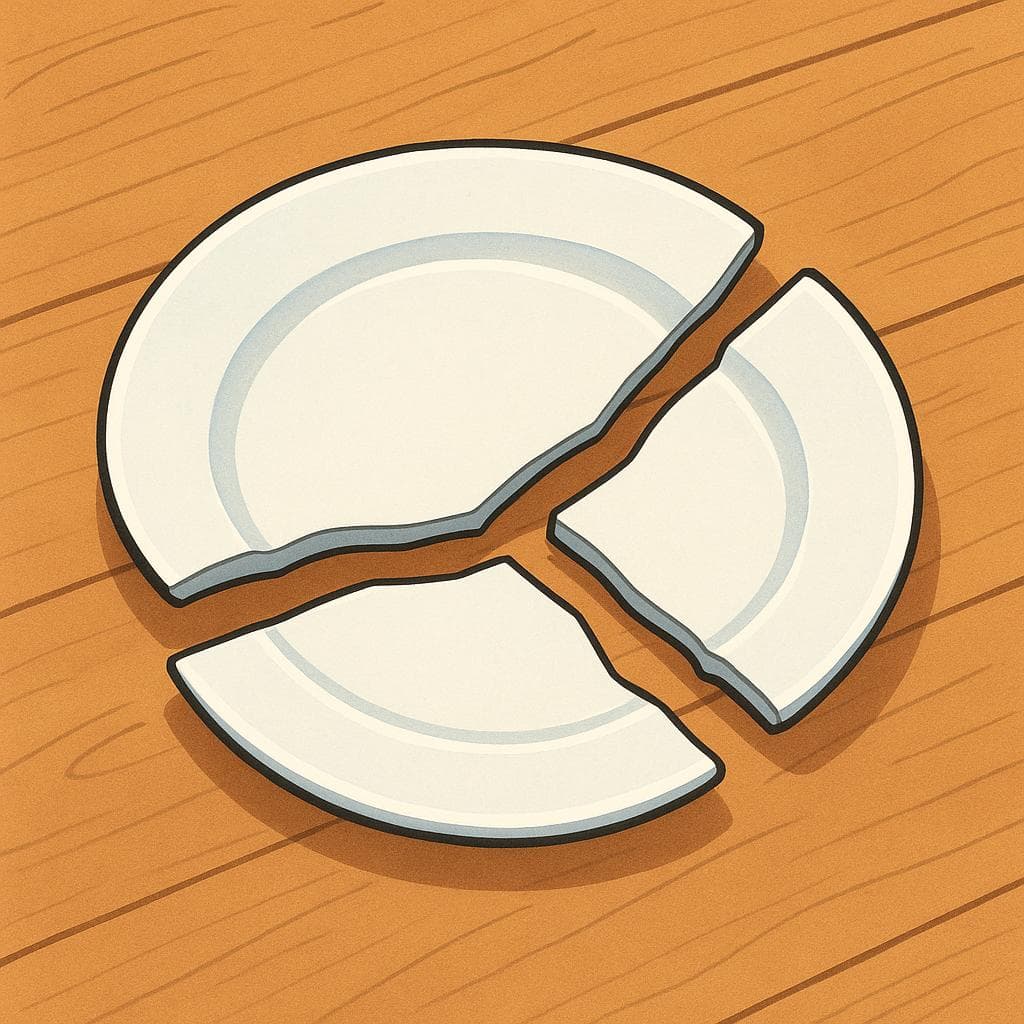
Use this word for physically breaking brittle objects like glass or ceramics, often with a simple, common action.
Learn more →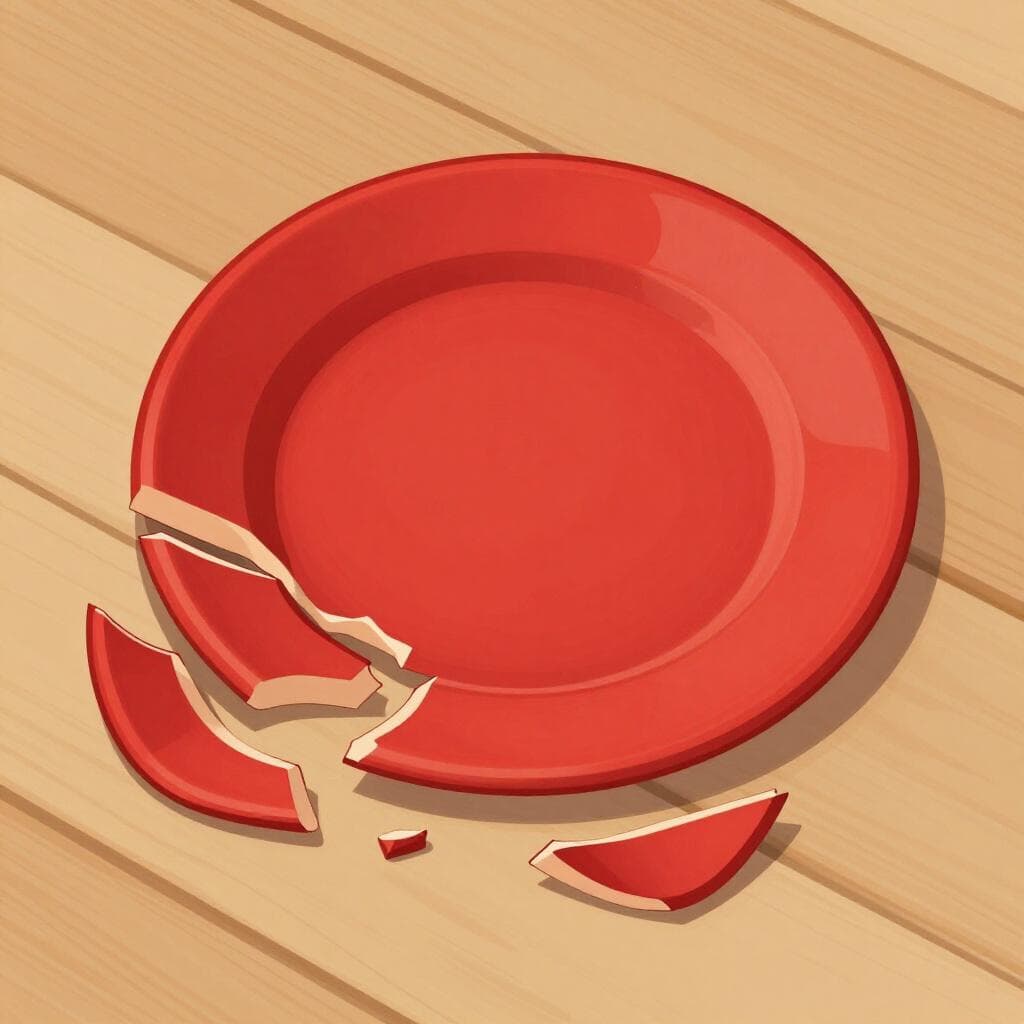
This word is also used for breaking fragile items, particularly glass or ceramics, and can sometimes imply a more forceful or complete break than 'romper'.
Learn more →
Use this word metaphorically to describe the destruction of abstract things like dreams, hopes, or confidence.
Learn more →rrohm-pehrroˈmpeɾ
Examples
Ten cuidado de no romper el jarrón de mi abuela.
Be careful not to break my grandmother's vase.
El niño rompió la ventana con la pelota.
The boy broke the window with the ball.
Using the Past Participle
Unlike most ER verbs, the past participle of 'romper' is irregular: it's roto, not rompido. Use it for compound tenses (e.g., 'He roto' - I have broken).
Using the Regular Past Participle
Mistake: “La taza ha rompido.”
Correction: La taza ha roto. (The cup has broken.) Remember, *roto* is the correct form.
keh-BRAHRkeˈβɾaɾ

Examples
Ten cuidado, no vayas a quebrar el plato de cristal.
Be careful, don't break the glass plate.
La rama se quebró por el peso de la nieve.
The branch snapped under the weight of the snow.
El fuerte viento quebró el mástil del barco.
The strong wind snapped the ship's mast.
The 'E' to 'IE' Change
In many forms, the 'e' in the middle changes to 'ie'. Think of it like this: if you emphasize the middle of the word, it grows an extra 'i'! This happens in the present tense except for 'we' and 'you all' (nosotros/vosotros).
Regularizing the Irregular
Mistake: “Yo quebro el cristal.”
Correction: Yo quiebro el cristal. (The stem must change to 'ie' in the present tense).
deh-rroom-barderumˈbaɾ

Examples
Sus palabras derrumbaron mi confianza.
His words shattered my confidence.
El abogado logró derrumbar el argumento del fiscal.
The lawyer managed to tear down the prosecutor's argument.
La noticia derrumbó sus planes de viajar.
The news crushed their plans to travel.
Emotional Impact
When used figuratively, this word implies a very heavy emotional impact, much stronger than simply 'making someone sad'.
Physical vs. Emotional Shattering
The most common mistake is using words like 'romper' or 'quebrar' for abstract concepts like dreams or confidence. Remember that 'derrumbar' is the specific verb for emotionally or metaphorically shattering something, while 'romper' and 'quebrar' are for physically breaking objects.
Related Translations
Learn Spanish with Inklingo
Interactive stories, personalized learning, and more.