derrumbar
“derrumbar” means “to knock down” in Spanish. It has 2 different meanings depending on context:

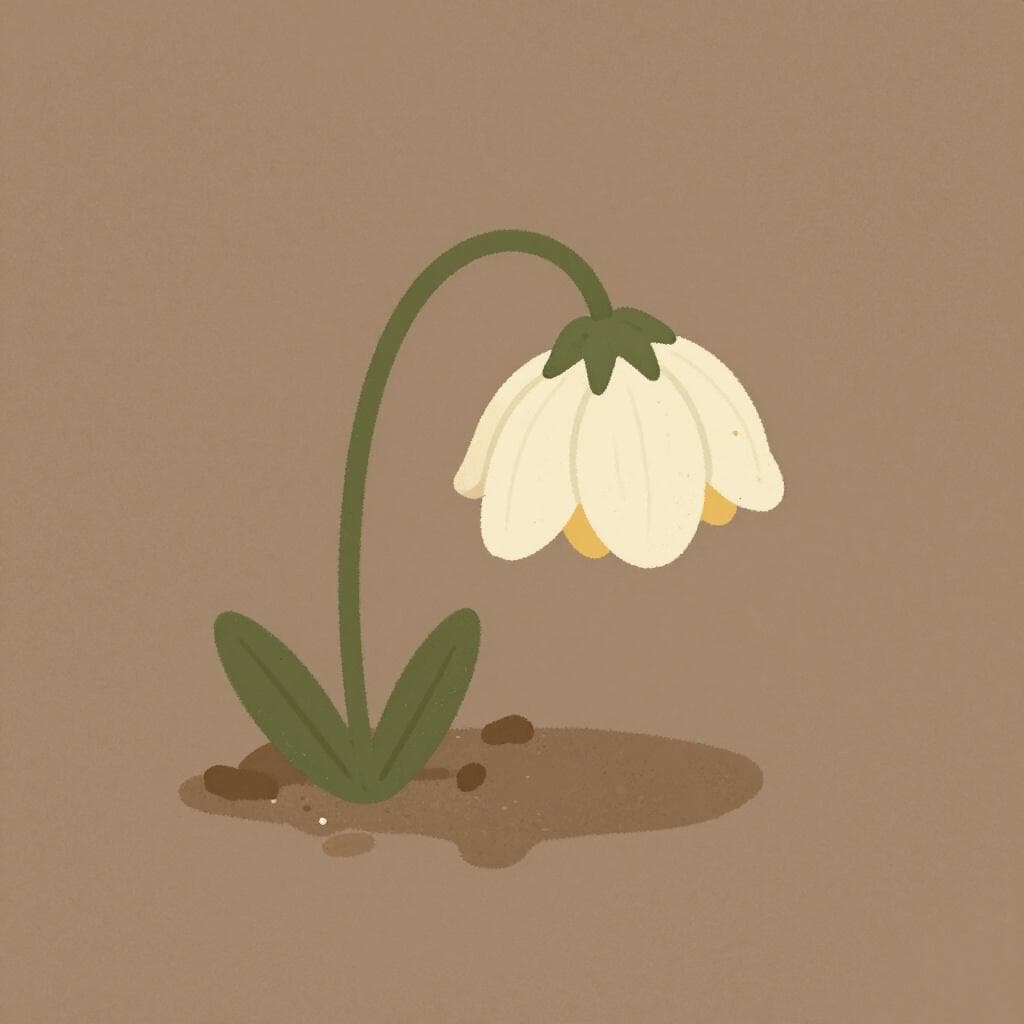
to knock downAlso: to demolish, to topple
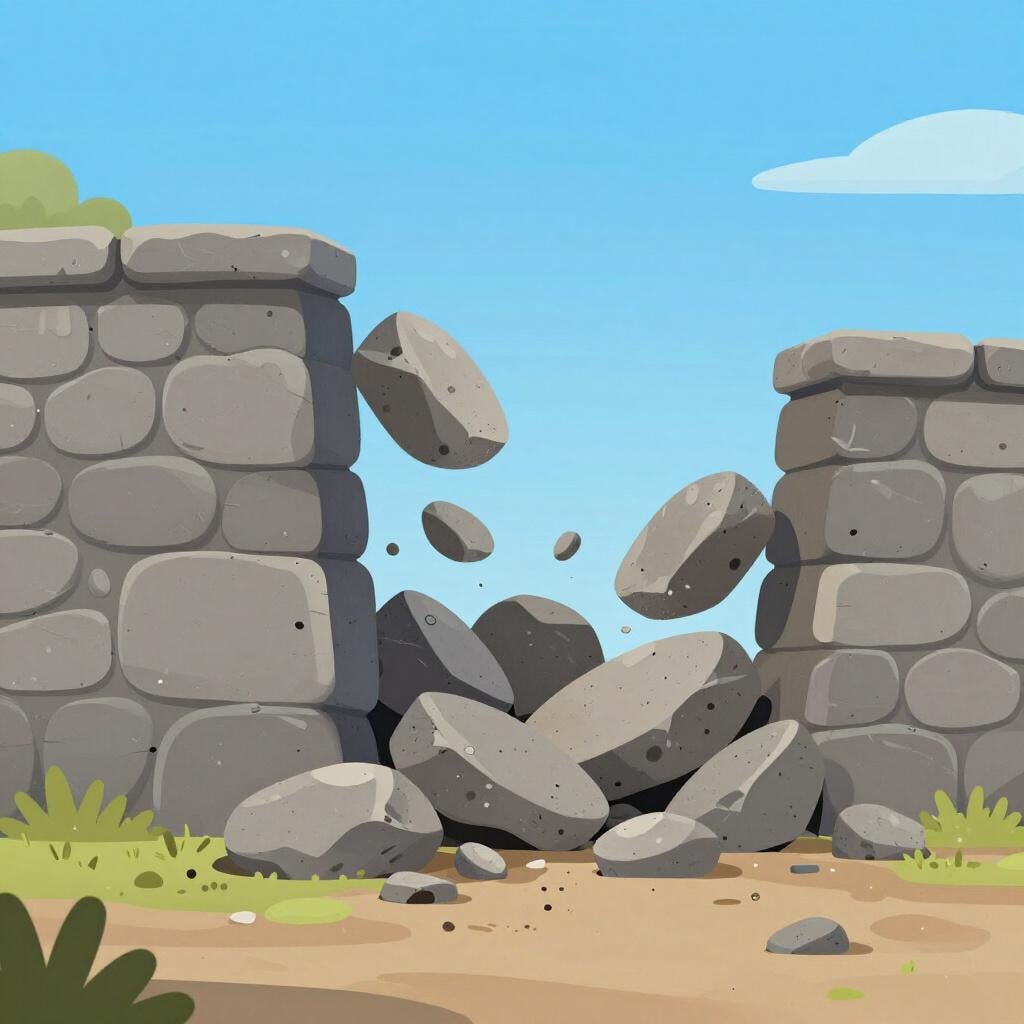
📝 In Action
Van a derrumbar el viejo cine para construir un parque.
A2They are going to knock down the old cinema to build a park.
El terremoto derrumbó varias casas en el centro de la ciudad.
B1The earthquake toppled several houses in the city center.
Ten cuidado, no vayas a derrumbar esa pila de libros.
B1Be careful, don't knock over that pile of books.
Word Connections
to crush / destroyAlso: to bring down, to shatter
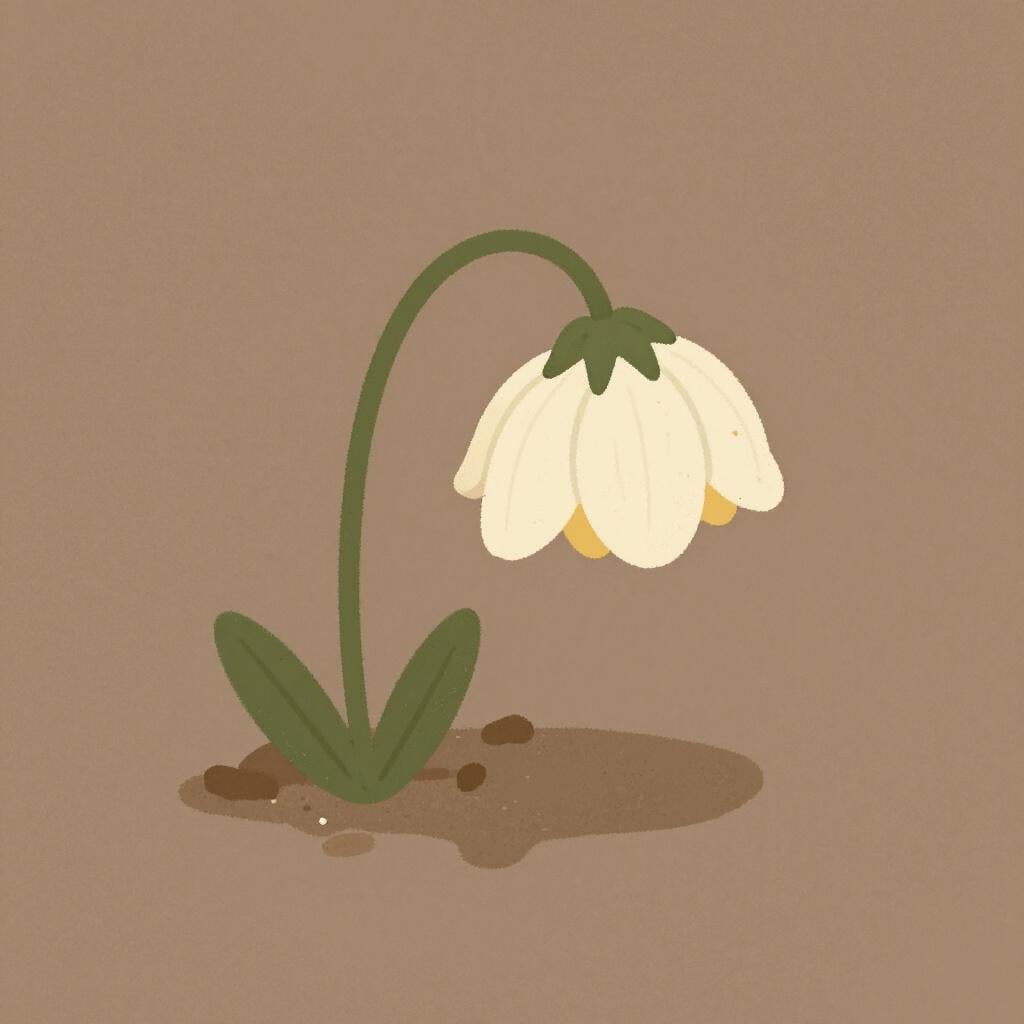
📝 In Action
Sus palabras derrumbaron mi confianza.
B2His words shattered my confidence.
El abogado logró derrumbar el argumento del fiscal.
C1The lawyer managed to tear down the prosecutor's argument.
La noticia derrumbó sus planes de viajar.
B2The news crushed their plans to travel.
Word Connections
Subjunctive
Imperfect Subjunctive
Present Subjunctive
Indicative
Preterite
Imperfect
Present
Translate to Spanish
Words that translate to "derrumbar" in Spanish:
✏️ Quick Practice
Quick Quiz: derrumbar
Question 1 of 3
Which sentence correctly describes a building falling during an earthquake?
📚 More Resources
👥 Word Family
📚 Etymology
From the Spanish prefix 'de-' (down/from) combined with 'rumbo' (direction/path). Originally it meant to fall off a precipice or lose one's way downward.
First recorded: 13th century
Cognates (Related words)
💡 Master Spanish
Take your Spanish to the next level. Read 200+ illustrated and narrated Spanish stories tailored to your level with the Inklingo app!
Frequently Asked Questions
What is the difference between 'derrumbar' and 'demoler'?
'Demoler' is usually professional (like a construction crew with a wrecking ball), while 'derrumbar' is broader and can include accidents or figurative destruction.
Is 'derrumbar' a common word?
Yes, especially in news reports about natural disasters or in stories where characters feel emotionally crushed.
Does it change spelling in the past?
Only in the 'yo' form of the preterite: 'derrumbé'. The rest of the forms are perfectly regular.