How to Say "destroyed" in Spanish
The most common Spanish word for “destroyed” is “destruido” — use this as a past participle after 'haber' (to have) to indicate an action that has been completed, like 'have destroyed'.
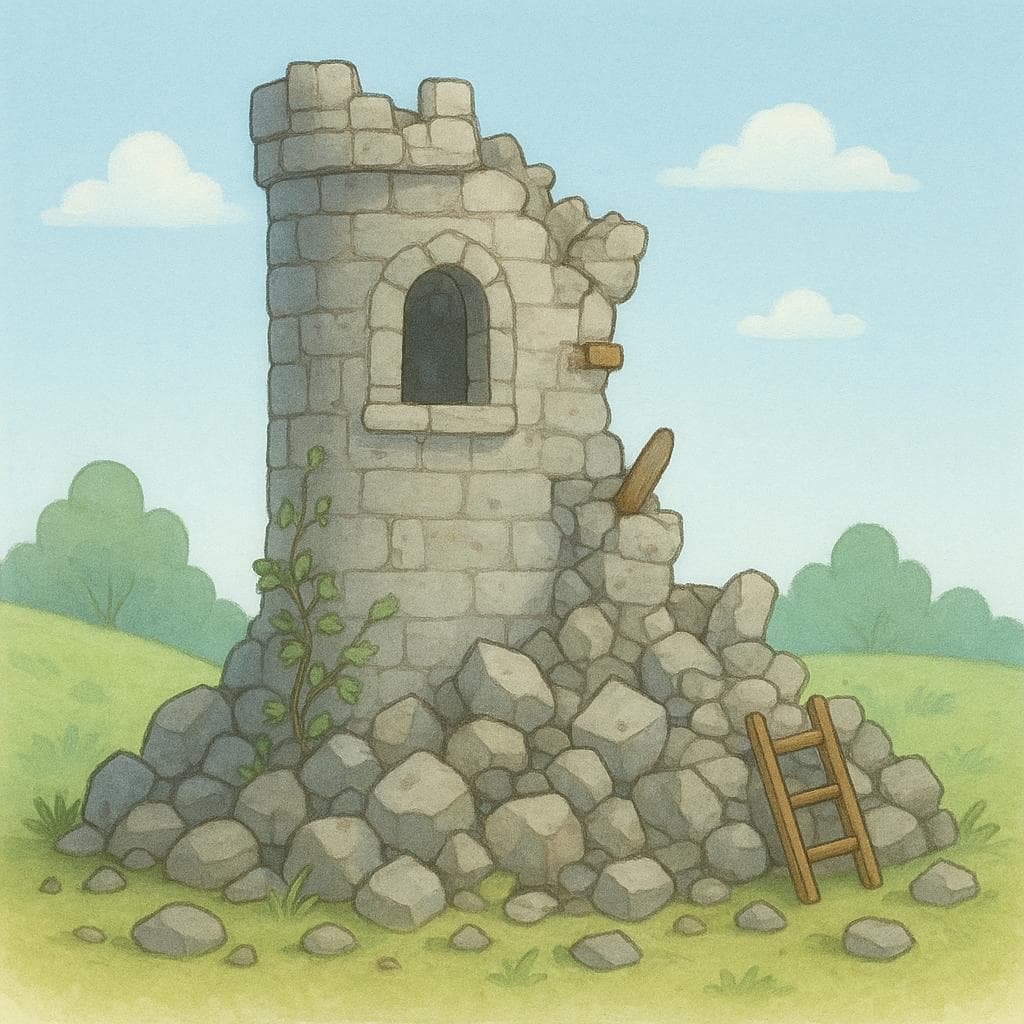
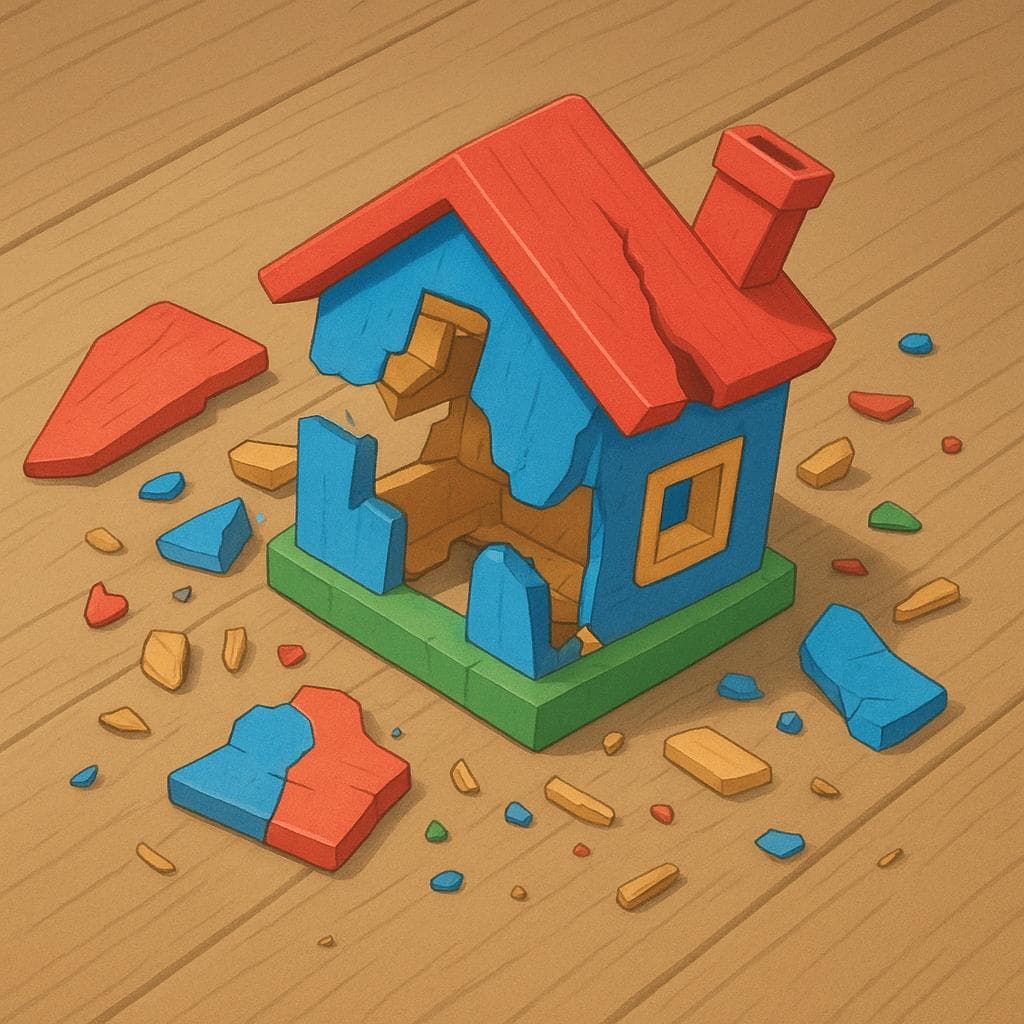
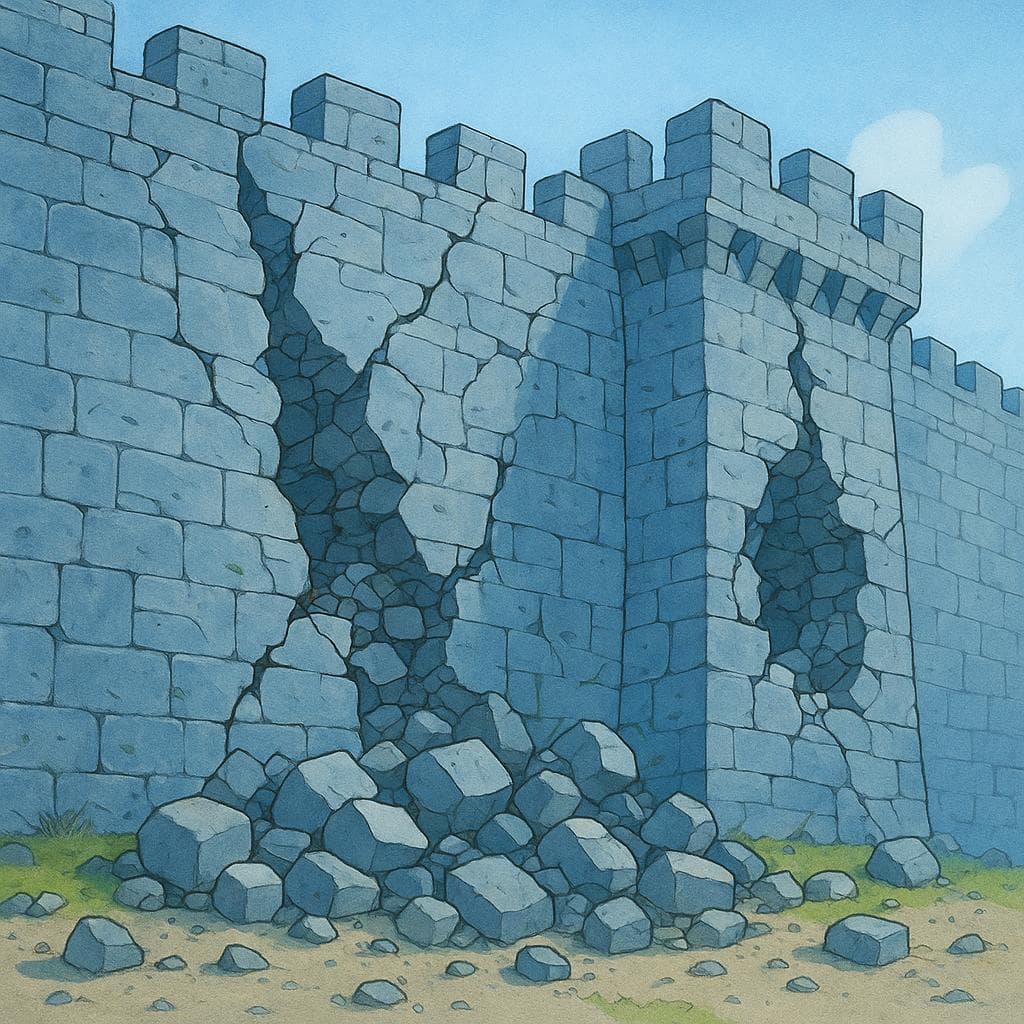
destruido
des-TRU-ee-dohdesˈtɾwiðo
Examples
Hemos destruido todos los documentos antiguos.
We have destroyed all the old documents.
El castillo medieval quedó completamente destruido por el incendio.
The medieval castle was left completely destroyed by the fire.
Después de la derrota, el equipo se sintió moralmente destruido.
After the defeat, the team felt morally ruined (destroyed).
¿Quién ha destruido mi pastel de cumpleaños?
Who has destroyed my birthday cake?
Adjective Agreement
As an adjective, 'destruido' must change its ending to match the thing it describes in gender (masculine/feminine) and number (singular/plural): 'la ciudad destruida', 'los coches destruidos'.
Fixed Form with 'Haber'
When used to form perfect tenses (like 'he destruido', 'has destruido'), the participle never changes. It always stays 'destruido', no matter the subject or the object.
Forgetting Gender Change
Mistake: “La casa está destruido.”
Correction: La casa está destruida. (Since 'casa' is feminine, the adjective must be feminine.)
Changing the Participle with 'Haber'
Mistake: “Ellos han destruidos las cajas.”
Correction: Ellos han destruido las cajas. (The participle 'destruido' stays masculine singular when used with 'haber'.)
destrozado
des-tro-ZAH-dohdes.tɾoˈθa.ðo
Examples
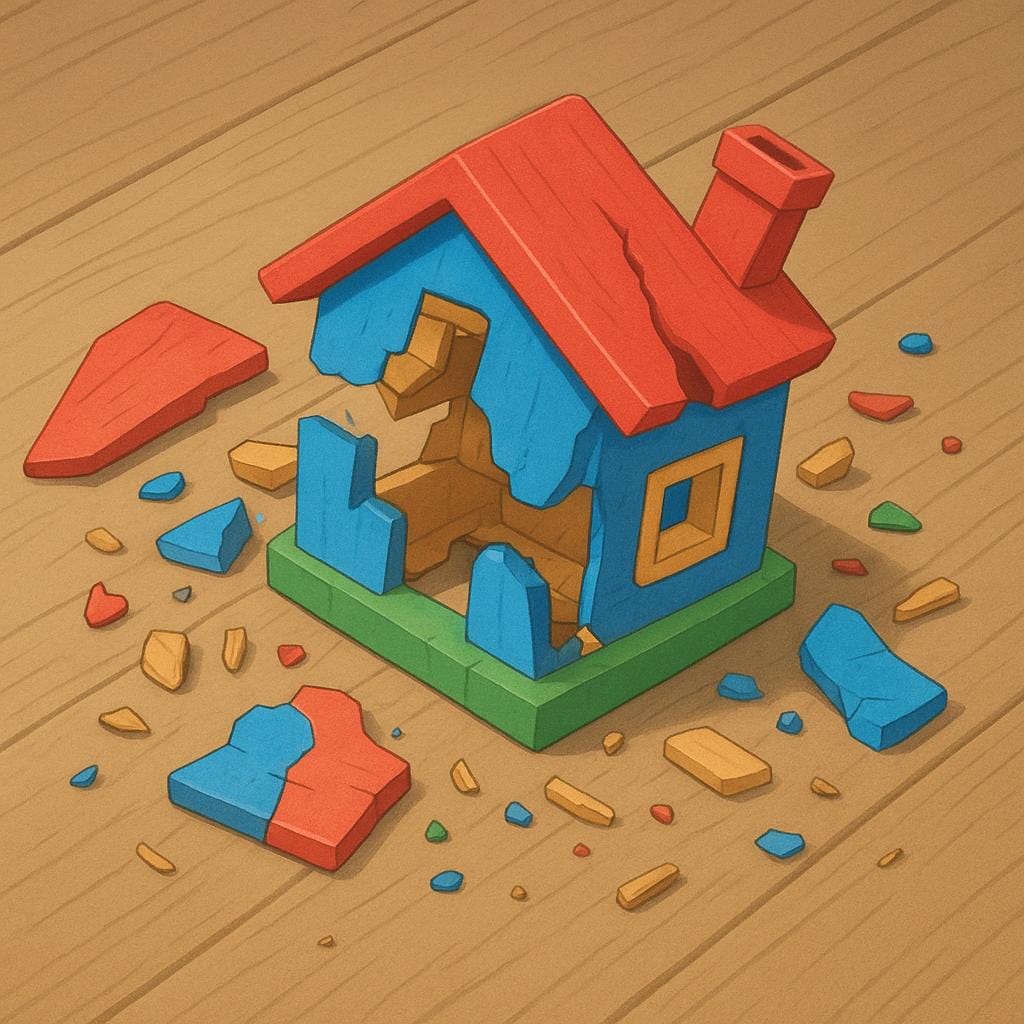
El terremoto dejó el puente destrozado.
The earthquake left the bridge destroyed.
Encontraron la bicicleta destrozada en el bosque.
They found the smashed bicycle in the forest.
It Must Match
Since 'destrozado' is acting like a descriptive word (adjective), it must match the thing it describes in gender and number. For example: 'la pared destrozada' (the destroyed wall) or 'los coches destrozados' (the destroyed cars).
Using 'Ser'
Mistake: “La casa es destrozada.”
Correction: Use 'estar' (La casa está destrozada) because 'destrozado' describes a temporary state or condition resulting from an action, not a permanent characteristic.
destruido
des-TRU-ee-dohdesˈtɾwiðo
Examples
El castillo medieval quedó completamente destruido por el incendio.
The medieval castle was left completely destroyed by the fire.
Después de la derrota, el equipo se sintió moralmente destruido.
After the defeat, the team felt morally ruined (destroyed).
Hemos destruido todos los documentos antiguos.
We have destroyed all the old documents.
¿Quién ha destruido mi pastel de cumpleaños?
Who has destroyed my birthday cake?
Adjective Agreement
As an adjective, 'destruido' must change its ending to match the thing it describes in gender (masculine/feminine) and number (singular/plural): 'la ciudad destruida', 'los coches destruidos'.
Fixed Form with 'Haber'
When used to form perfect tenses (like 'he destruido', 'has destruido'), the participle never changes. It always stays 'destruido', no matter the subject or the object.
Forgetting Gender Change
Mistake: “La casa está destruido.”
Correction: La casa está destruida. (Since 'casa' is feminine, the adjective must be feminine.)
Changing the Participle with 'Haber'
Mistake: “Ellos han destruidos las cajas.”
Correction: Ellos han destruido las cajas. (The participle 'destruido' stays masculine singular when used with 'haber'.)
destruyó
Examples
El fuego destruyó la mitad del bosque.
The fire destroyed half of the forest.
arruinó
Examples
El huracán arruinó todas las cosechas en la costa.
The hurricane ruined all the harvests on the coast.
arruinado
ah-rwee-NAH-dohar.rwiˈna.ðo
Examples
Después de la inversión fallida, se quedó arruinado.
After the failed investment, he was left ruined (broke).
Su reputación está arruinada por el escándalo.
Her reputation is destroyed by the scandal.
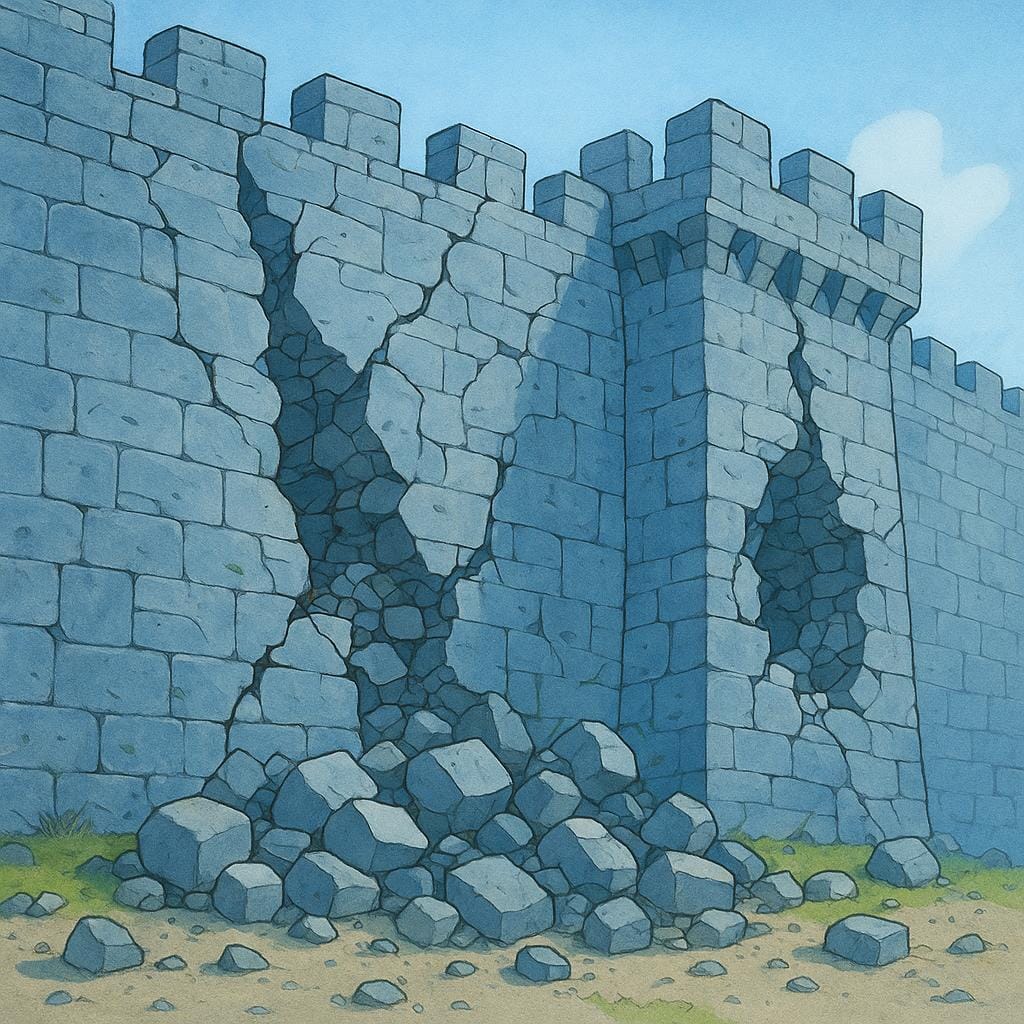
El incendio dejó la casa completamente arruinada.
The fire left the house completely ruined.
Agreement is Crucial
Since 'arruinado' is an adjective, make sure it matches the thing it describes in both gender (masculine/feminine) and number (singular/plural): 'arruinado', 'arruinada', 'arruinados', 'arruinadas'.
Using SER vs. ESTAR
You almost always use 'estar' (to be) with 'arruinado' because it describes the current condition or state of someone or something, not an inherent quality.
Forgetting Gender Match
Mistake: “La empresa está arruinado.”
Correction: La empresa está arruinada. (Since 'empresa' is feminine, the adjective must also be feminine.)
Physical vs. Financial Ruin
Related Translations
Learn Spanish with Inklingo
Interactive stories, personalized learning, and more.