How to Say "bankrupt" in Spanish
The most common Spanish word for “bankrupt” is “arruinado” — use 'arruinado' when referring to the legal or official financial status of being bankrupt, indicating a state of complete financial ruin.
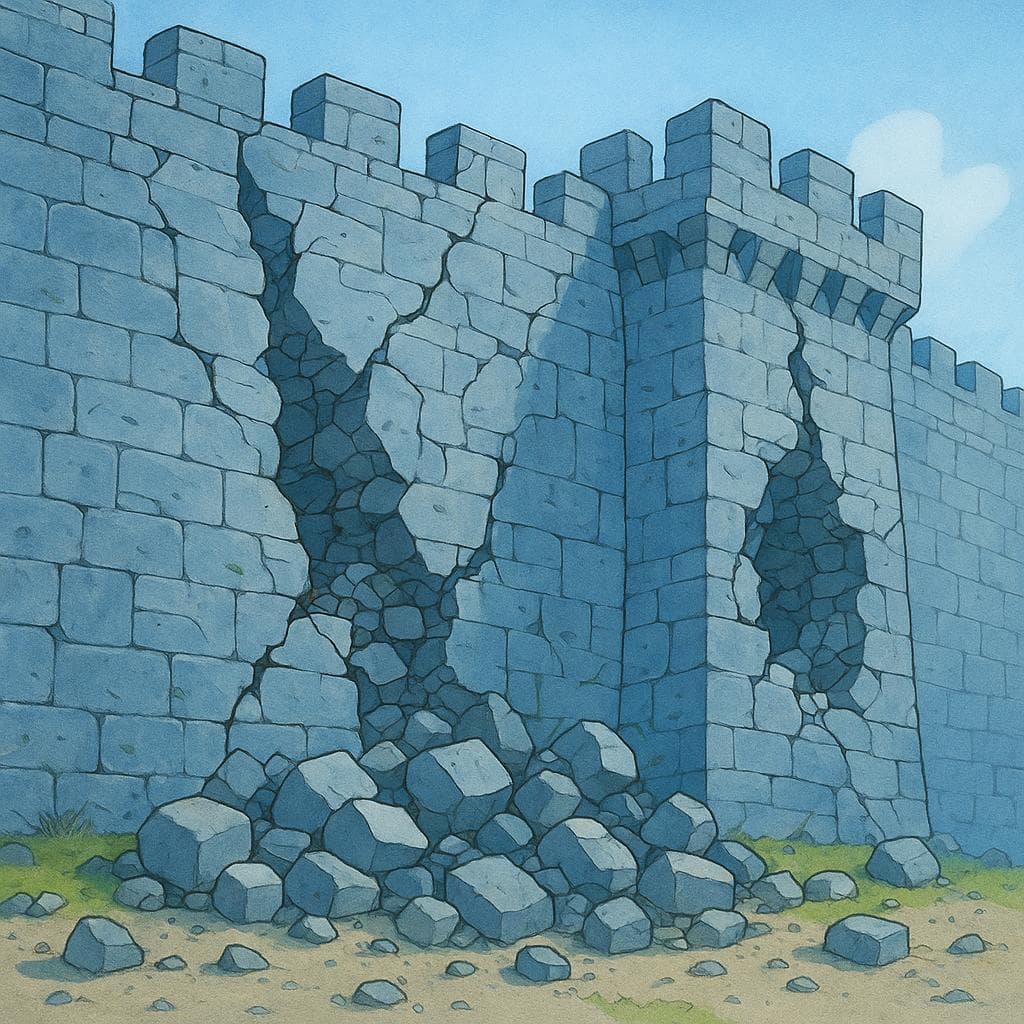

arruinado
ah-rwee-NAH-dohar.rwiˈna.ðo
Examples
El negocio se declaró arruinado tras la crisis económica.
The business declared itself bankrupt after the economic crisis.
Después de la inversión fallida, se quedó arruinado.
After the failed investment, he was left ruined (broke).
Su reputación está arruinada por el escándalo.
Her reputation is destroyed by the scandal.
El incendio dejó la casa completamente arruinada.
The fire left the house completely ruined.
Agreement is Crucial
Since 'arruinado' is an adjective, make sure it matches the thing it describes in both gender (masculine/feminine) and number (singular/plural): 'arruinado', 'arruinada', 'arruinados', 'arruinadas'.
Using SER vs. ESTAR
You almost always use 'estar' (to be) with 'arruinado' because it describes the current condition or state of someone or something, not an inherent quality.
Forgetting Gender Match
Mistake: “La empresa está arruinado.”
Correction: La empresa está arruinada. (Since 'empresa' is feminine, the adjective must also be feminine.)
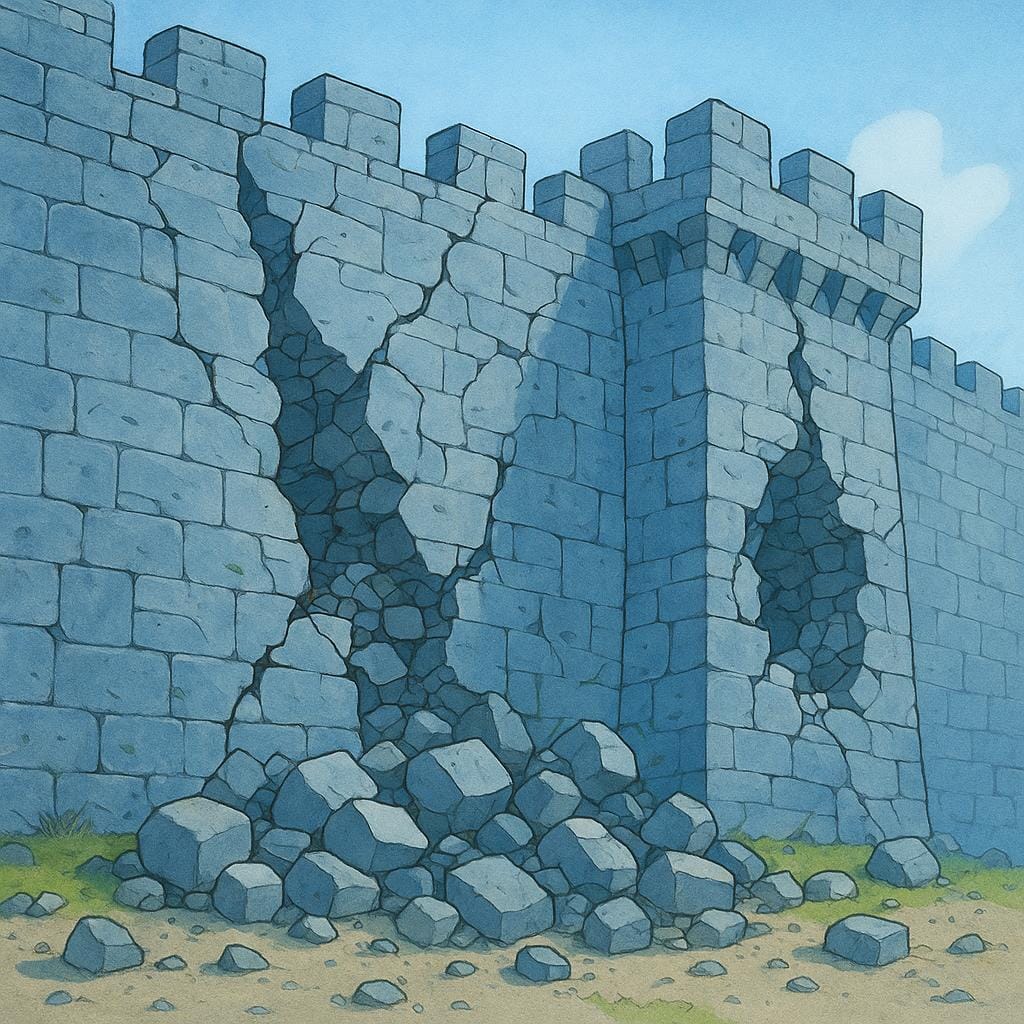
quebrado
keh-BRAH-dohkeˈβɾaðo

Examples
Después de invertir todo su dinero, quedó quebrado y tuvo que empezar de cero.
After investing all his money, he was left bankrupt and had to start from scratch.
Ten cuidado con ese plato, está quebrado.
Be careful with that plate; it is broken (cracked).
Después de la crisis, el pequeño negocio quedó quebrado.
After the crisis, the small business went bankrupt.
El terreno era muy quebrado y difícil de caminar.
The terrain was very rugged and difficult to walk through.
Adjective Matching
This word must change to 'quebrada' if the object you are describing is feminine, like 'una silla quebrada' (a broken chair).
Using with 'Estar'
We use the verb 'estar' (to be) because being broken or bankrupt is considered a state or condition that could change.
Quebrado vs. Roto
Mistake: “Saying 'mi teléfono está quebrado' for a shattered screen.”
Correction: While 'quebrado' is okay in some regions, 'roto' is more common for completely destroyed items. 'Quebrado' usually implies a crack or a split.
Confusing 'arruinado' with 'quebrado'
Related Translations
Learn Spanish with Inklingo
Interactive stories, personalized learning, and more.