How to Say "ruined" in Spanish
The most common Spanish word for “ruined” is “destruido” — use 'destruido' when describing something that has been physically demolished or is in a state of severe disrepair, like a building or object.
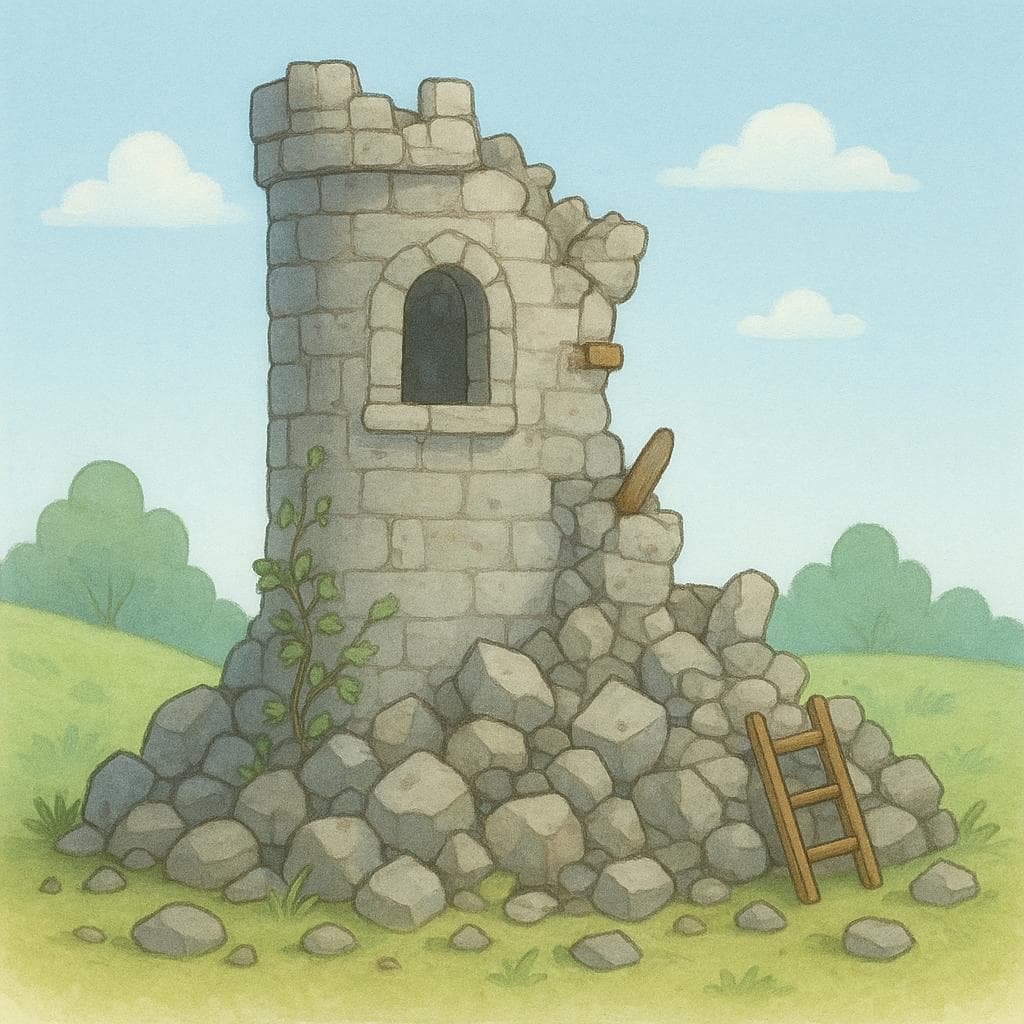
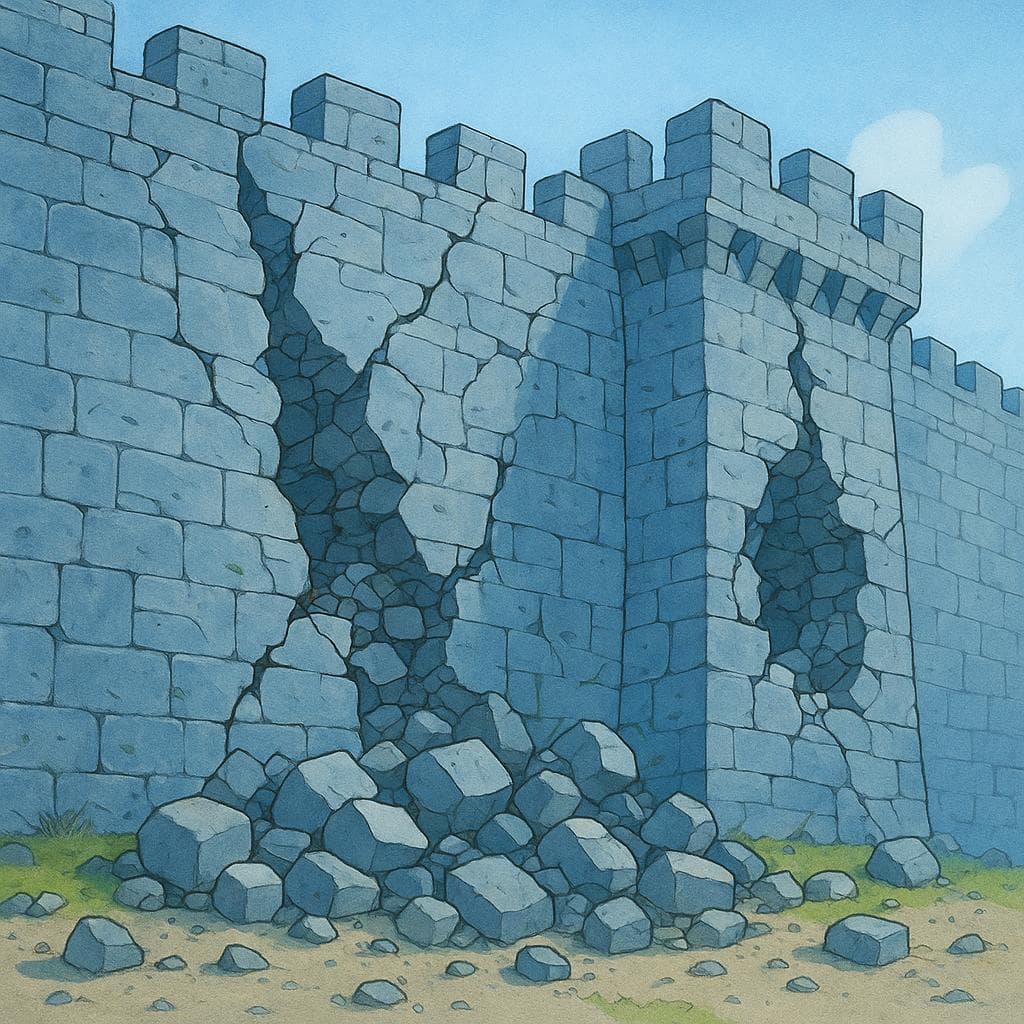

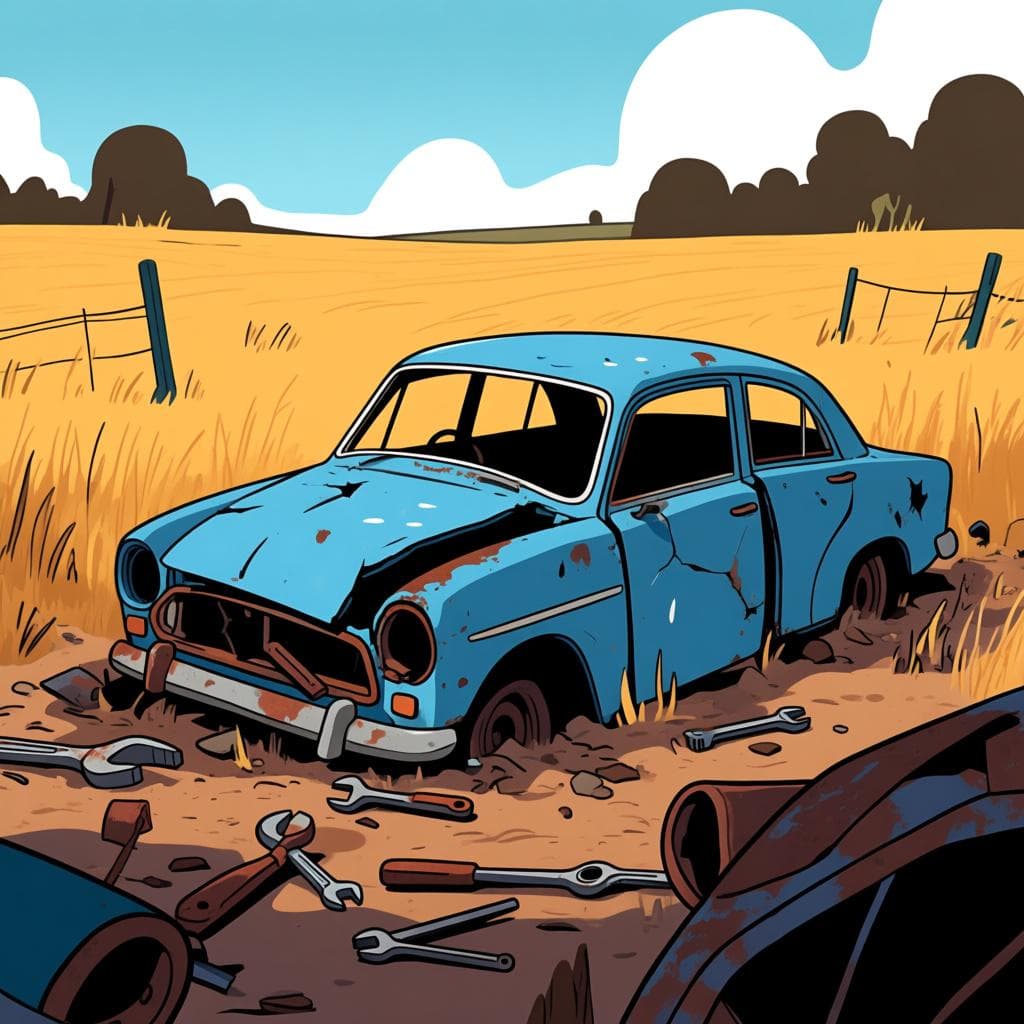
destruido
des-TRU-ee-dohdesˈtɾwiðo
Examples
El viejo teatro quedó destruido después del incendio.
The old theater was left destroyed after the fire.
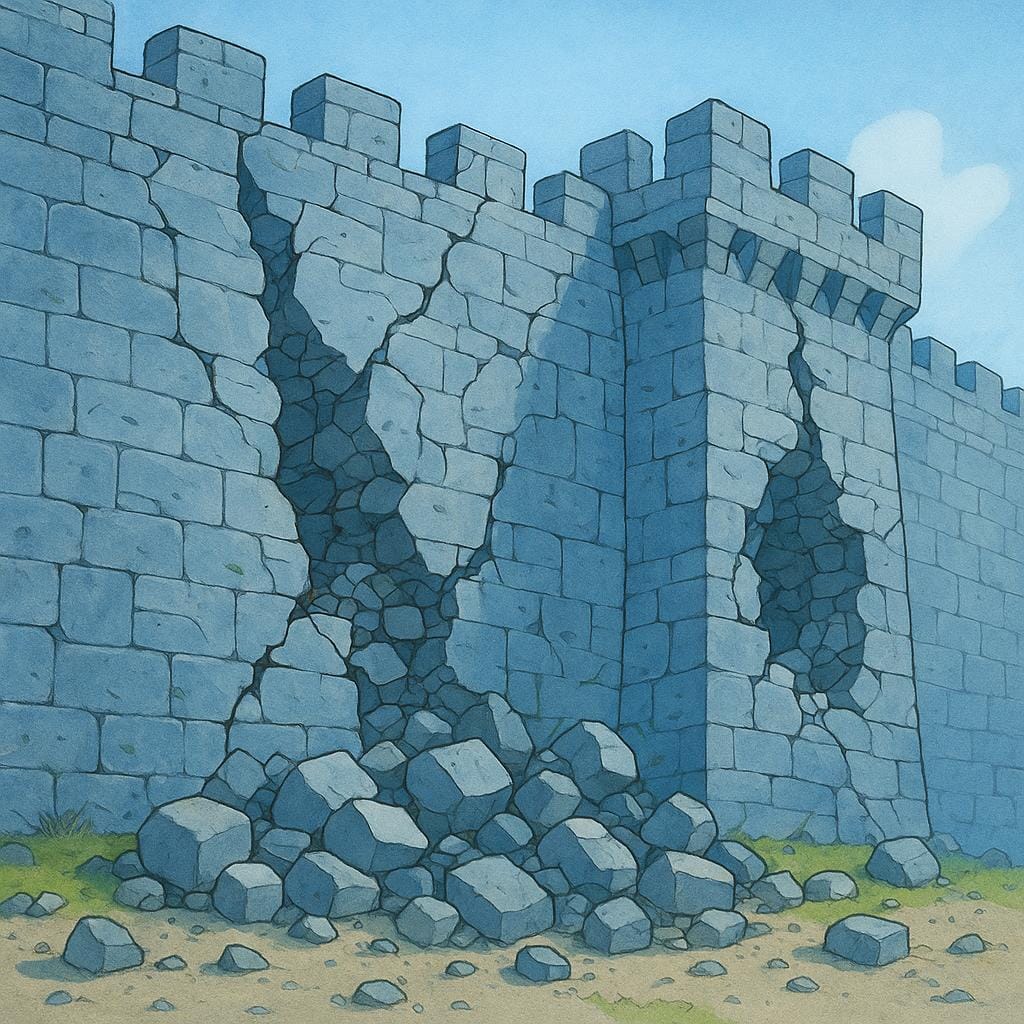
El castillo medieval quedó completamente destruido por el incendio.
The medieval castle was left completely destroyed by the fire.
Después de la derrota, el equipo se sintió moralmente destruido.
After the defeat, the team felt morally ruined (destroyed).
Hemos destruido todos los documentos antiguos.
We have destroyed all the old documents.
Adjective Agreement
As an adjective, 'destruido' must change its ending to match the thing it describes in gender (masculine/feminine) and number (singular/plural): 'la ciudad destruida', 'los coches destruidos'.
Fixed Form with 'Haber'
When used to form perfect tenses (like 'he destruido', 'has destruido'), the participle never changes. It always stays 'destruido', no matter the subject or the object.
Forgetting Gender Change
Mistake: “La casa está destruido.”
Correction: La casa está destruida. (Since 'casa' is feminine, the adjective must be feminine.)
Changing the Participle with 'Haber'
Mistake: “Ellos han destruidos las cajas.”
Correction: Ellos han destruido las cajas. (The participle 'destruido' stays masculine singular when used with 'haber'.)
arruinado
ah-rwee-NAH-dohar.rwiˈna.ðo
Examples
Tras la crisis económica, muchos negocios quedaron arruinados.
After the economic crisis, many businesses were left ruined.
Después de la inversión fallida, se quedó arruinado.
After the failed investment, he was left ruined (broke).
Su reputación está arruinada por el escándalo.
Her reputation is destroyed by the scandal.
El incendio dejó la casa completamente arruinada.
The fire left the house completely ruined.
Agreement is Crucial
Since 'arruinado' is an adjective, make sure it matches the thing it describes in both gender (masculine/feminine) and number (singular/plural): 'arruinado', 'arruinada', 'arruinados', 'arruinadas'.
Using SER vs. ESTAR
You almost always use 'estar' (to be) with 'arruinado' because it describes the current condition or state of someone or something, not an inherent quality.
Forgetting Gender Match
Mistake: “La empresa está arruinado.”
Correction: La empresa está arruinada. (Since 'empresa' is feminine, the adjective must also be feminine.)
destruyó
Examples
La tormenta destruyó el puente viejo.
The storm destroyed the old bridge.
arruinó
Examples
La plaga arruinó la cosecha de este año.
The plague ruined this year's harvest.
acabado
ah-kah-BAH-doha.kaˈβa.ðo

Examples
Después de correr la maratón, se sentía completamente acabado.
After running the marathon, he felt completely finished/exhausted.
Después de la excursión, el corredor estaba completamente acabado.
After the hike, the runner was completely done for/exhausted.
El viejo motor ya estaba acabado y tuvimos que reemplazarlo.
The old engine was already worn out and we had to replace it.
Si el negocio cierra, estamos acabados.
If the business closes, we are ruined/done for.
Use with Estar
This emotional or physical state always uses the verb 'estar' (to be temporarily) because it describes a current condition, not a permanent characteristic.
perdido
pehr-DEE-dohpeɾˈdi.ðo
Examples
Intentar convencerlo de cambiar de opinión es un esfuerzo perdido.
Trying to convince him to change his mind is a lost effort.
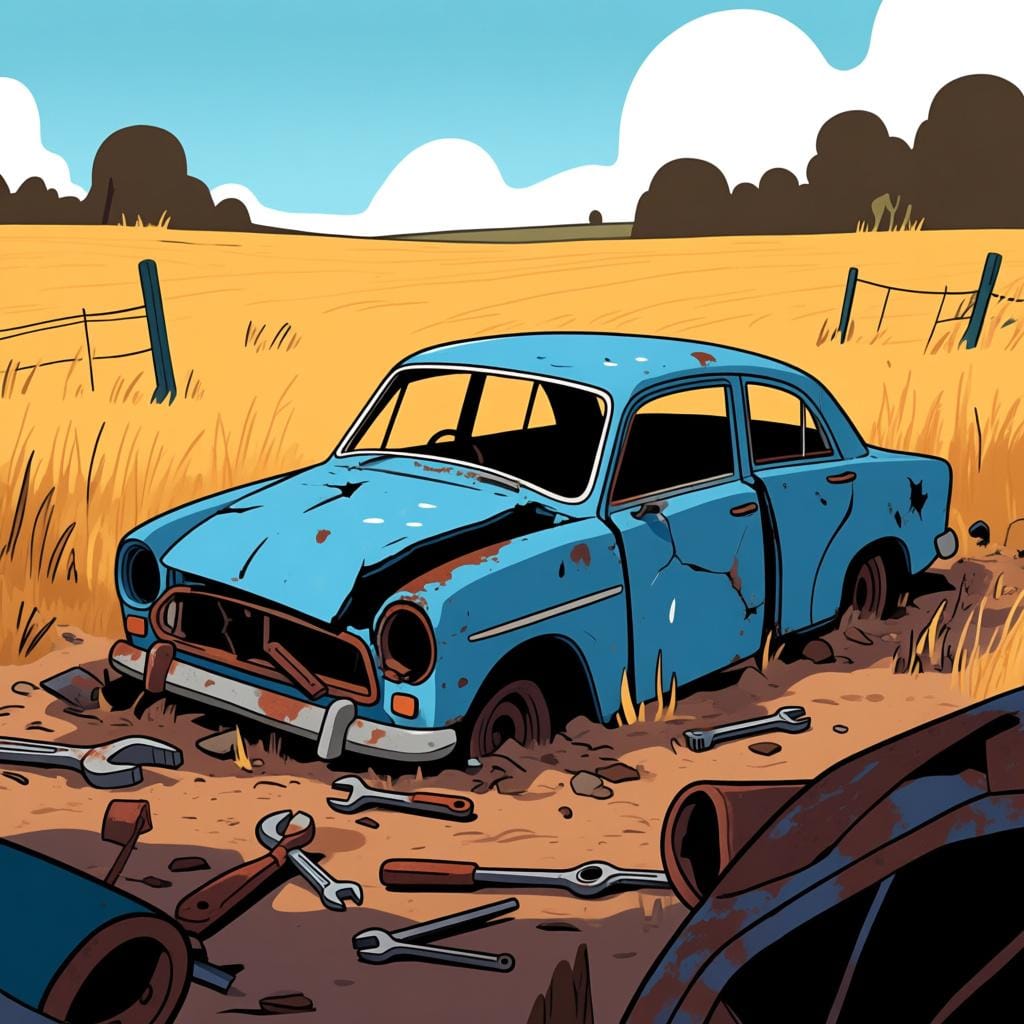
Intentar arreglar ese coche viejo es un caso perdido.
Trying to fix that old car is a lost cause.
Desde que dejó los estudios, sus padres piensan que es un chico perdido.
Since he dropped out of school, his parents think he's a lost cause.
Use with 'Ser'
Unlike being physically lost (estar perdido), when you call someone or something a 'lost cause', you often use the verb 'ser' (e.g., 'es un caso perdido'), because you're describing a more permanent characteristic.
destruido
des-TRU-ee-dohdesˈtɾwiðo
Examples
Hemos destruido los documentos innecesarios.
We have destroyed the unnecessary documents.
El castillo medieval quedó completamente destruido por el incendio.
The medieval castle was left completely destroyed by the fire.
Después de la derrota, el equipo se sintió moralmente destruido.
After the defeat, the team felt morally ruined (destroyed).
Hemos destruido todos los documentos antiguos.
We have destroyed all the old documents.
Adjective Agreement
As an adjective, 'destruido' must change its ending to match the thing it describes in gender (masculine/feminine) and number (singular/plural): 'la ciudad destruida', 'los coches destruidos'.
Fixed Form with 'Haber'
When used to form perfect tenses (like 'he destruido', 'has destruido'), the participle never changes. It always stays 'destruido', no matter the subject or the object.
Forgetting Gender Change
Mistake: “La casa está destruido.”
Correction: La casa está destruida. (Since 'casa' is feminine, the adjective must be feminine.)
Changing the Participle with 'Haber'
Mistake: “Ellos han destruidos las cajas.”
Correction: Ellos han destruido las cajas. (The participle 'destruido' stays masculine singular when used with 'haber'.)
Verb vs. Adjective Confusion
Related Translations
Learn Spanish with Inklingo
Interactive stories, personalized learning, and more.