How to Say "crushed" in Spanish
The most common Spanish word for “crushed” is “aplastado” — use this when something is physically squashed or flattened by a heavy weight or force.



aplastado
ah-plahs-TAH-dohaplasˈtaðo
Examples
El camión aplastó el coche pequeño.
The truck crushed the small car.
El coche quedó aplastado por el camión.
The car ended up crushed by the truck.
Prefiero las patatas un poco aplastadas.
I prefer the potatoes a bit mashed.
Encontré un sombrero aplastado en el fondo de mi maleta.
I found a flattened hat at the bottom of my suitcase.
Describing Feminine Things
This word changes to 'aplastada' when you are talking about something feminine, like 'una caja' (a box) or 'la uva' (the grape).
Using with 'Estar'
We use this with the verb 'estar' because being crushed is a state or the result of an action, not a permanent personality trait.
Crushed vs. Stepped On
Mistake: “Using 'aplastado' when you only mean you stepped on something lightly.”
Correction: Use 'pisado' for just stepping on something; use 'aplastado' when there is real pressure or the shape has changed.
molido
mo-LEE-dohmoˈliðo
Examples
Me gusta el café recién molido.
I like freshly ground coffee.
Prefiero comprar el café molido en lugar de en grano.
I prefer to buy ground coffee instead of whole bean.
Necesitamos tres tazas de maíz molido para la receta.
We need three cups of ground corn for the recipe.
La pimienta recién molida tiene mucho más sabor.
Freshly ground pepper has much more flavor.
Matching Gender and Number
Remember that this word must change to match what you are describing. Use 'molido' for masculine things like 'café' and 'molida' for feminine things like 'carne' or 'pimienta'.
Word Order
In Spanish, we usually put 'molido' after the food item, whereas in English 'ground' comes before the food.
Forgetting Gender
Mistake: “carne molido”
Correction: carne molida (because 'carne' is a feminine noun).
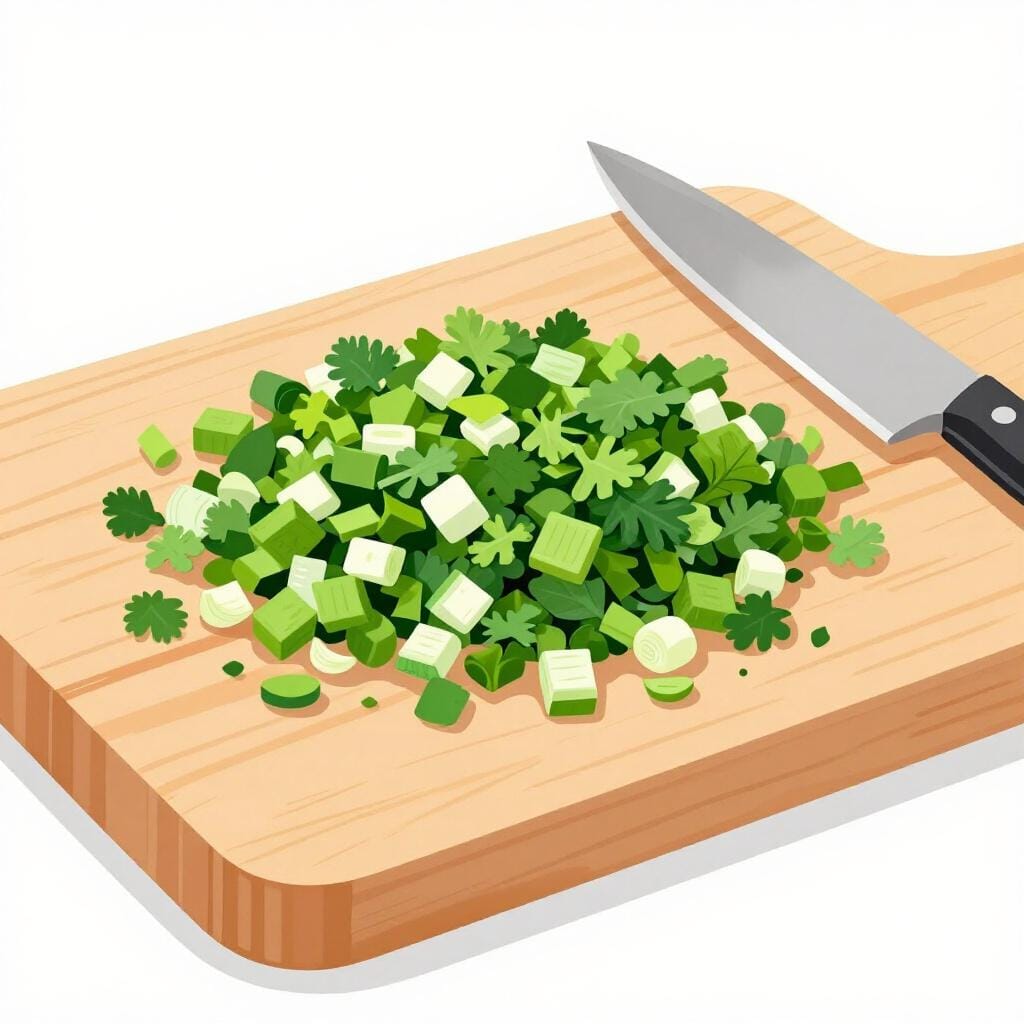
picado
pee-KAH-dohpiˈkaðo
Examples
Ponle hielo picado a tu bebida.
Put crushed ice in your drink.
Necesito un poco de ajo picado para la salsa.
I need some minced garlic for the sauce.
El camarero me trajo un café con hielo picado.
The waiter brought me a coffee with crushed ice.
La carne picada es perfecta para hacer hamburguesas.
Minced meat is perfect for making hamburgers.
Matching the Ending
Since this word is acting as a description, remember to change the ending to 'picada' if the thing you are describing is feminine, like 'carne' (meat).
Picado vs. Picante
Mistake: “La salsa está muy picada.”
Correction: La salsa está muy picante. Use 'picante' for spicy heat; 'picado' only means the food was physically cut into small bits.
destrozado
des-tro-ZAH-dohdes.tɾoˈθa.ðo

Examples
El equipo quedó destrozado tras la derrota.
The team was crushed after the defeat.
Estaba destrozado después de perder el partido final.
He was devastated after losing the final match.
Llegué a casa totalmente destrozada tras doce horas de trabajo.
I arrived home totally shattered (exhausted) after twelve hours of work.
derrotado
deh-rroh-TAH-dohde.roˈta.ðo

Examples
Se sintió derrotado por la falta de oportunidades.
He felt crushed by the lack of opportunities.
Se sentía derrotado por tantos problemas personales.
He felt crushed by so many personal problems.
Llegó a casa derrotado después de doce horas de trabajo.
He arrived home worn out after twelve hours of work.
Using it with 'Estar'
When talking about a temporary feeling or mood, use this word with the verb 'estar' (to be) or 'sentirse' (to feel).
Not just for wars
Mistake: “Using 'cansado' for everything.”
Correction: Use 'derrotado' when you want to sound more dramatic or describe a deeper level of being worn out.
Physical vs. Emotional 'Crushed'
Related Translations
Learn Spanish with Inklingo
Interactive stories, personalized learning, and more.