How to Say "exhausted" in Spanish
The most common Spanish word for “exhausted” is “cansados” — use this for a general feeling of tiredness after a day's work or activity, suitable for most everyday situations.



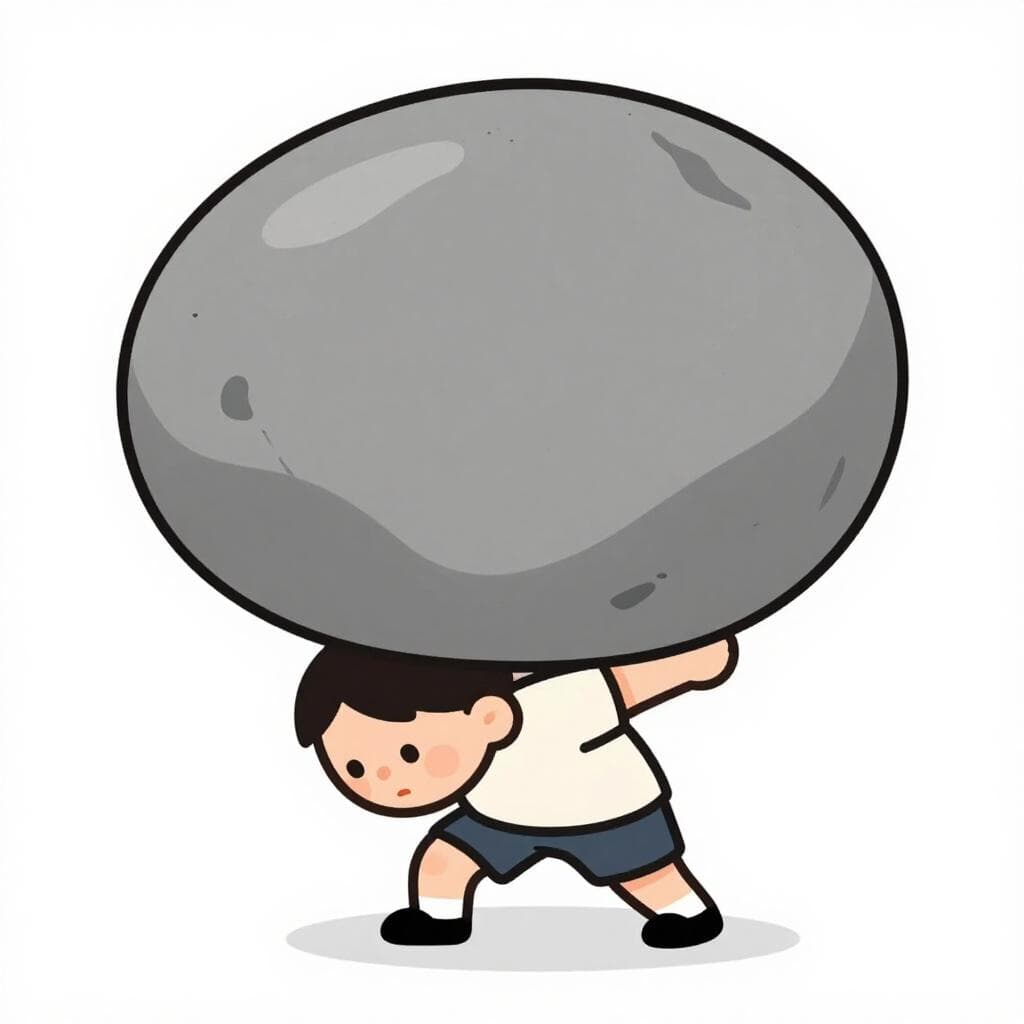




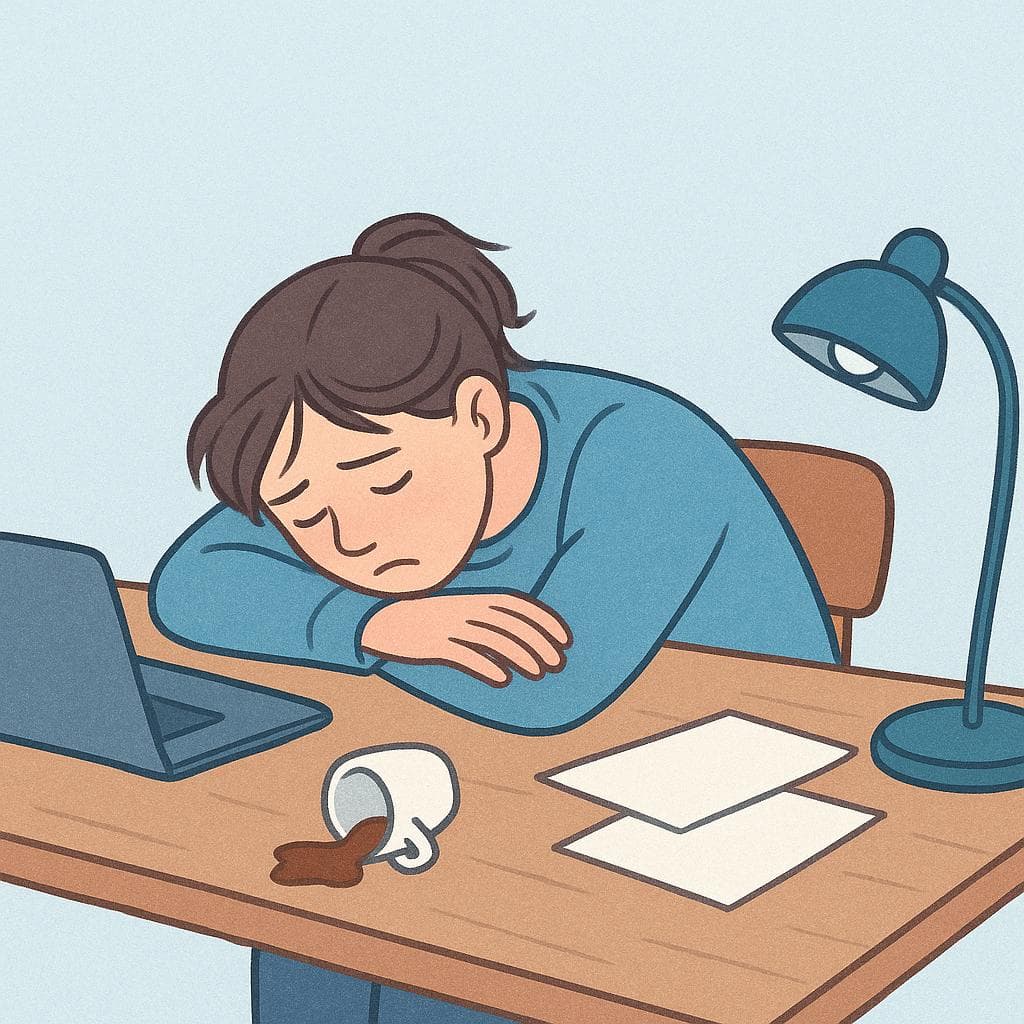



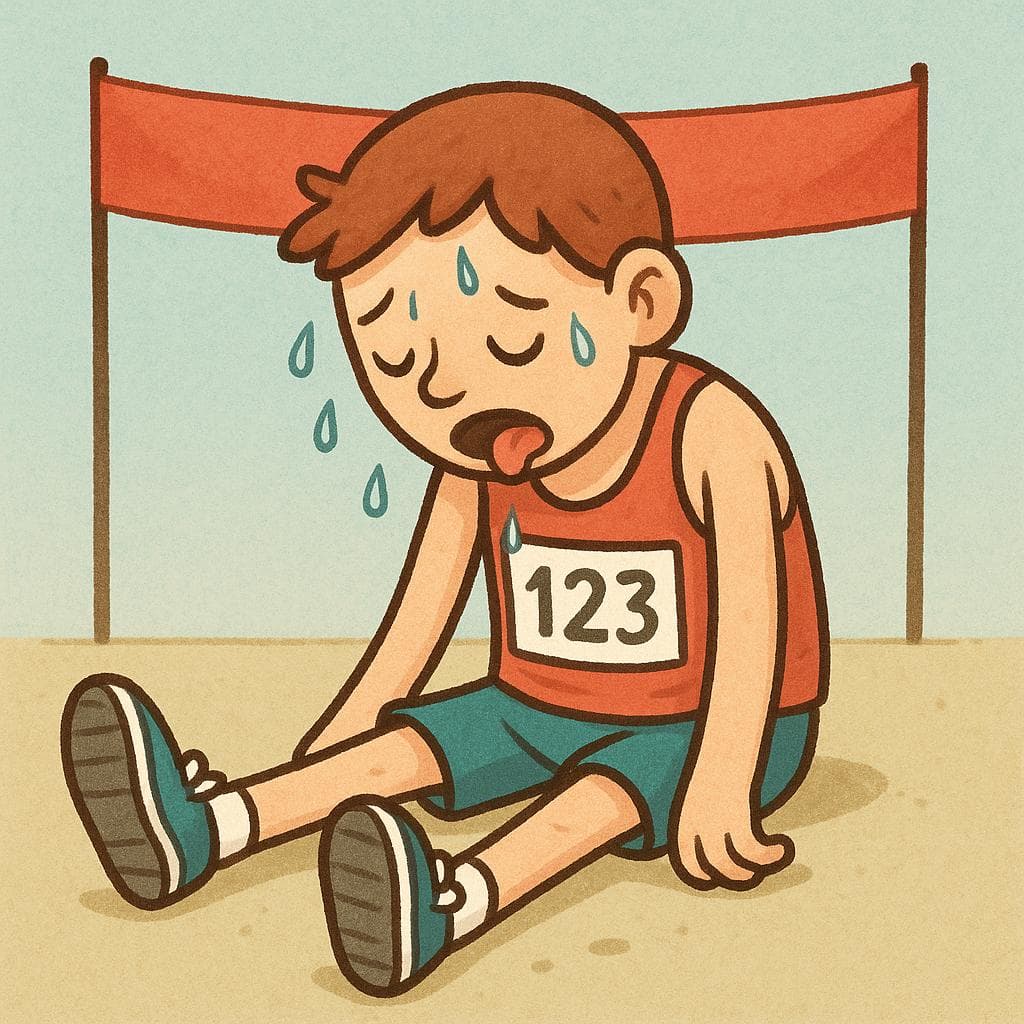
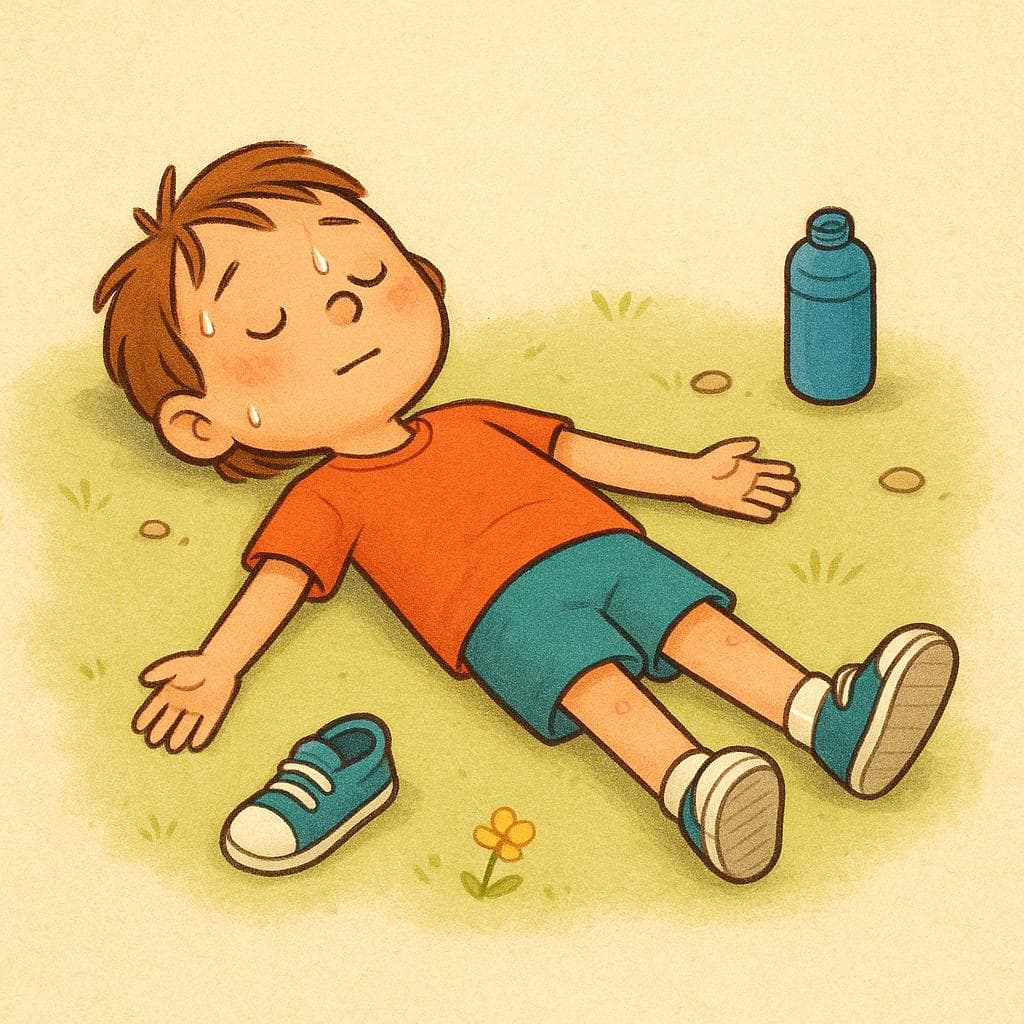


cansados
kan-SA-doskanˈsaðos

Examples
Mis padres están cansados después de trabajar todo el día.
My parents are tired after working all day.
Los niños llegaron cansados de la excursión.
The children arrived tired from the field trip.
Estamos muy cansados por el viaje.
We are very tired because of the trip.
The '-os' Ending
The 'os' at the end tells you that we are talking about more than one person, and either they are all male or the group is a mix of males and females.
Using 'Estar'
Since being tired is usually a temporary feeling, always use the verb 'estar' (to be) instead of 'ser'.
Using 'Ser' instead of 'Estar'
Mistake: “Somos cansados.”
Correction: Estamos cansados. Use 'estar' because tiredness is a state that changes, not a permanent personality trait.
agotado
ah-goh-TAH-doha.ɣoˈta.ðo

Examples
Llegué a casa después del trabajo y estaba completamente agotado.
I arrived home after work and I was completely exhausted.
Mi madre se siente agotada de tanto cuidar a los niños.
My mother feels worn out from taking care of the children so much.
Hemos agotado todos los intentos de financiación.
We have exhausted all attempts at financing.
Si hubieras agotado tu energía antes, no habrías ganado la carrera.
If you had used up your energy earlier, you wouldn't have won the race.
Adjective Agreement
'Agotado' is an adjective, so it must change its ending to match the person or thing it describes: 'agotado' (masc. singular), 'agotada' (fem. singular), 'agotados' (masc. plural), 'agotadas' (fem. plural).
Use in Perfect Tenses
As a past participle, 'agotado' combines with the verb 'haber' (to have) to form perfect tenses, like 'Ha agotado' (He/She/It has used up).
Using 'Ser' instead of 'Estar'
Mistake: “Soy agotado.”
Correction: Use 'Estoy agotado.' because exhaustion is a temporary state or condition, which requires the verb 'estar'.
exhausto
ex-OWS-toheɡˈsawsto

Examples
Después de trabajar doce horas, me siento exhausto.
After working twelve hours, I feel exhausted.
Los corredores llegaron exhaustos a la meta.
The runners reached the finish line worn out.
Las reservas de petróleo están casi exhaustas.
The oil reserves are almost depleted.
Use with 'estar'
Always use this word with 'estar' because it describes a temporary feeling or state, not a permanent personality trait.
Matching gender
This word changes its ending. Use 'exhausto' for a man, 'exhausta' for a woman, and 'exhaustos' or 'exhaustas' for groups.
Exhausto vs. Cansado
Mistake: “Using 'cansado' when you are actually at 0% energy.”
Correction: Use 'exhausto' when you have no energy left at all. 'Cansado' is just regular 'tired'.
Wrong 'To Be'
Mistake: “Soy exhausto.”
Correction: Estoy exhausto. Using 'soy' would imply being exhausted is your permanent identity, which doesn't make sense!
aplastado
ah-plahs-TAH-dohaplasˈtaðo

Examples
Después de trabajar doce horas, me siento aplastado.
After working twelve hours, I feel exhausted/crushed.
El equipo volvió aplastado tras la derrota.
The team came back feeling defeated after the loss.
Estoy aplastado por tantas deudas.
I am overwhelmed by so many debts.
Emotional State
When using this for feelings, it almost always follows the verb 'sentirse' (to feel) or 'estar' (to be).
Romantic 'Crush'
Mistake: “Saying 'Tengo un aplastado' to mean you have a romantic crush.”
Correction: In Spanish, 'aplastado' is never used for romance. Use 'me gusta' or 'estoy colado por alguien' instead.
fundido
foon-DEE-dohfunˈdiðo

Examples
Después de trabajar doce horas, estoy fundido.
After working twelve hours, I am wiped out.
No puedo salir esta noche, me quedé fundida en el sofá.
I can't go out tonight, I'm completely spent on the sofa.
El entrenamiento de hoy nos dejó fundidos a todos.
Today's training left us all exhausted.
Using with 'Estar'
Always use the verb 'estar' (to be) with this meaning, because exhaustion is a temporary state, not a permanent personality trait.
Fundido vs. Cansado
Mistake: “Using 'fundido' in a formal meeting.”
Correction: Stick to 'cansado' or 'agotado' in formal settings. 'Fundido' is very casual, like saying you're 'fried'.
molido
mo-LEE-dohmoˈliðo

Examples
Después de correr el maratón, terminé molido.
After running the marathon, I ended up exhausted.
Estoy molida de tanto trabajar en el jardín.
I'm worn out from working so much in the garden.
Me siento molido; creo que me voy a dormir temprano.
I feel beat; I think I'm going to sleep early.
Using 'Estar' for States
Since being exhausted is a temporary state or feeling, always use 'estar' (to be) with 'molido'.
Wrong Verb 'To Be'
Mistake: “Soy molido.”
Correction: Estoy molido. Use 'estar' because tiredness is a condition, not a permanent personality trait.
rendido
ren-DEE-dohrenˈdi.ðo

Examples
Después de correr diez kilómetros, estoy rendido.
After running ten kilometers, I am exhausted.
Llegó a casa rendido de tanto trabajar.
He arrived home worn out from working so much.
Los niños cayeron rendidos después de la fiesta.
The children collapsed from exhaustion after the party.
Using with 'to be'
Always use 'estar' (temporary state) rather than 'ser' (permanent characteristic) because exhaustion is something you feel right now, not who you are forever.
Matching the Ending
Since this acts like an adjective, remember to change the last letter: 'rendido' for a man, 'rendida' for a woman, and 'rendidos/as' for groups.
The 'Ser' Trap
Mistake: “Soy rendido.”
Correction: Estoy rendido. You are describing a current feeling, so 'estar' is the correct version of 'to be'.
llevado
yeh-VAH-dohʎeˈβa.ðo

Examples
Los trabajadores estaban muy llevados después de la jornada extra.
The workers were very worn out/exhausted after the extra shift.
Me siento tan llevado por el estrés de los exámenes.
I feel so worn out by the stress of the exams.
Using 'Estar' for States
This meaning always uses the verb estar because it describes a temporary physical or emotional state: 'Estoy llevado' (I am exhausted).
matado
mah-TAH-dohmaˈtaðo
Examples
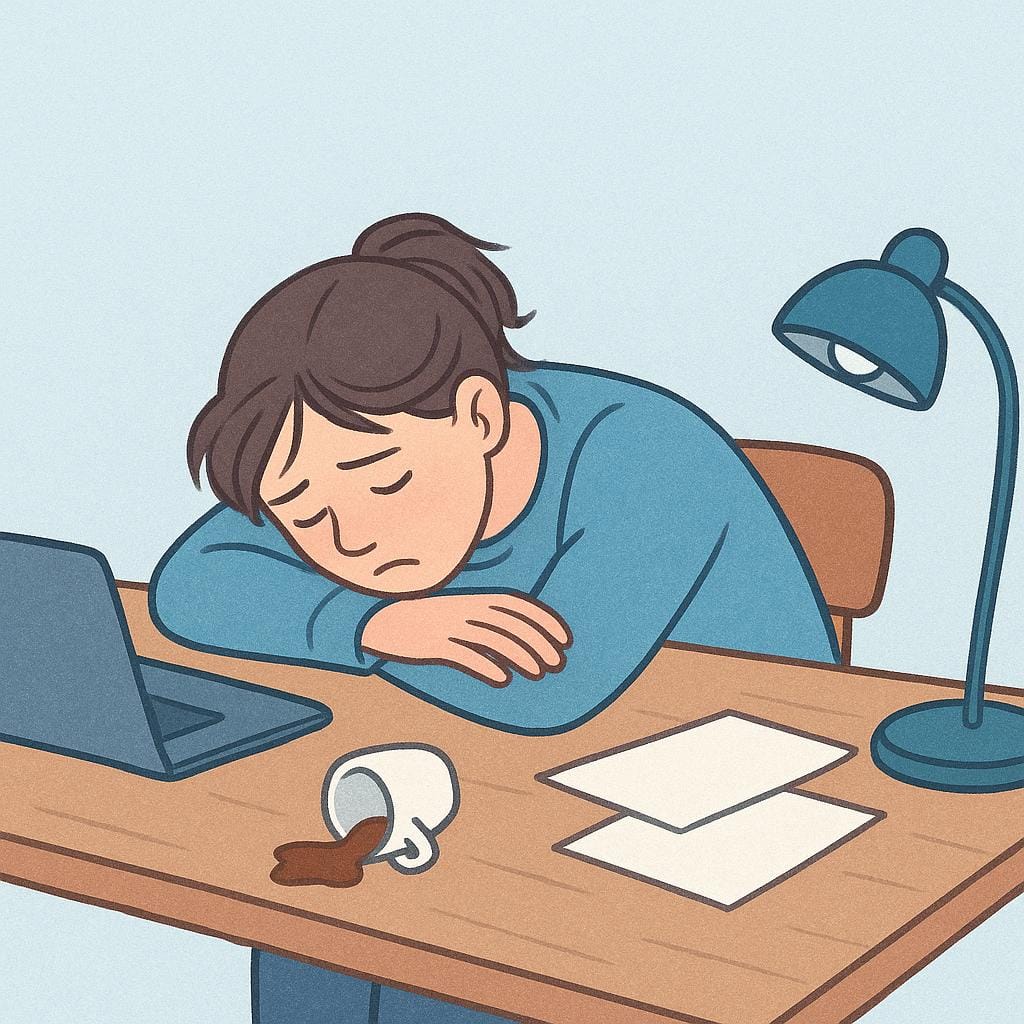
Llegué a casa matado después del turno de diez horas.
I got home exhausted after the ten-hour shift.
Mi hermana está matada con los exámenes finales; no ha dormido bien.
My sister is worn out from final exams; she hasn't slept well.
Masculine vs. Feminine
Since this is an adjective, make sure it matches the person you are describing: 'Estoy matado' (if male) or 'Estoy matada' (if female).
Using 'ser' instead of 'estar'
Mistake: “Soy matado.”
Correction: Estoy matado. Use 'estar' because exhaustion is a temporary state, not a permanent characteristic.
destruida
des-troo-EE-dahdesˈtɾwiða

Examples
Ella quedó destruida después de la ruptura.
She was devastated after the breakup.
Estoy destruida tras correr el maratón.
I'm wiped out after running the marathon.
Describing People
When used for a person, it's almost always feminine in this form ('Ella está destruida'). If you are a woman, you say 'Estoy destruida'.
hecha
AY-chahˈe.tʃa

Examples
Después de correr la maratón, estaba hecha polvo.
After running the marathon, she was absolutely exhausted (made dust).
Tras la noticia, su moral estaba hecha trizas.
After the news, her morale was shattered (made shreds).
Fixed Idioms
These phrases are fixed expressions. You must use 'estar' and ensure 'hecha' agrees with the subject (e.g., 'Yo estoy hecha polvo' if the speaker is female).
pedazos
peh-DAH-sospeˈða.θos

Examples
Después de correr la maratón, estaba hecho pedazos.
After running the marathon, I was totally exhausted/wrecked.
La crítica hizo pedazos su nueva novela.
The review tore her new novel to shreds (destroyed it completely).
Me sentí hecha pedazos cuando se fue.
I felt shattered/broken when he left.
Using 'Hecho'
In the common phrase 'estar hecho pedazos,' notice that 'hecho' (made) must match the gender of the person speaking ('hecho' for masculine, 'hecha' for feminine), even though 'pedazos' is masculine plural.
tirado
tee-RAH-dohtiˈɾa.ðo
Examples
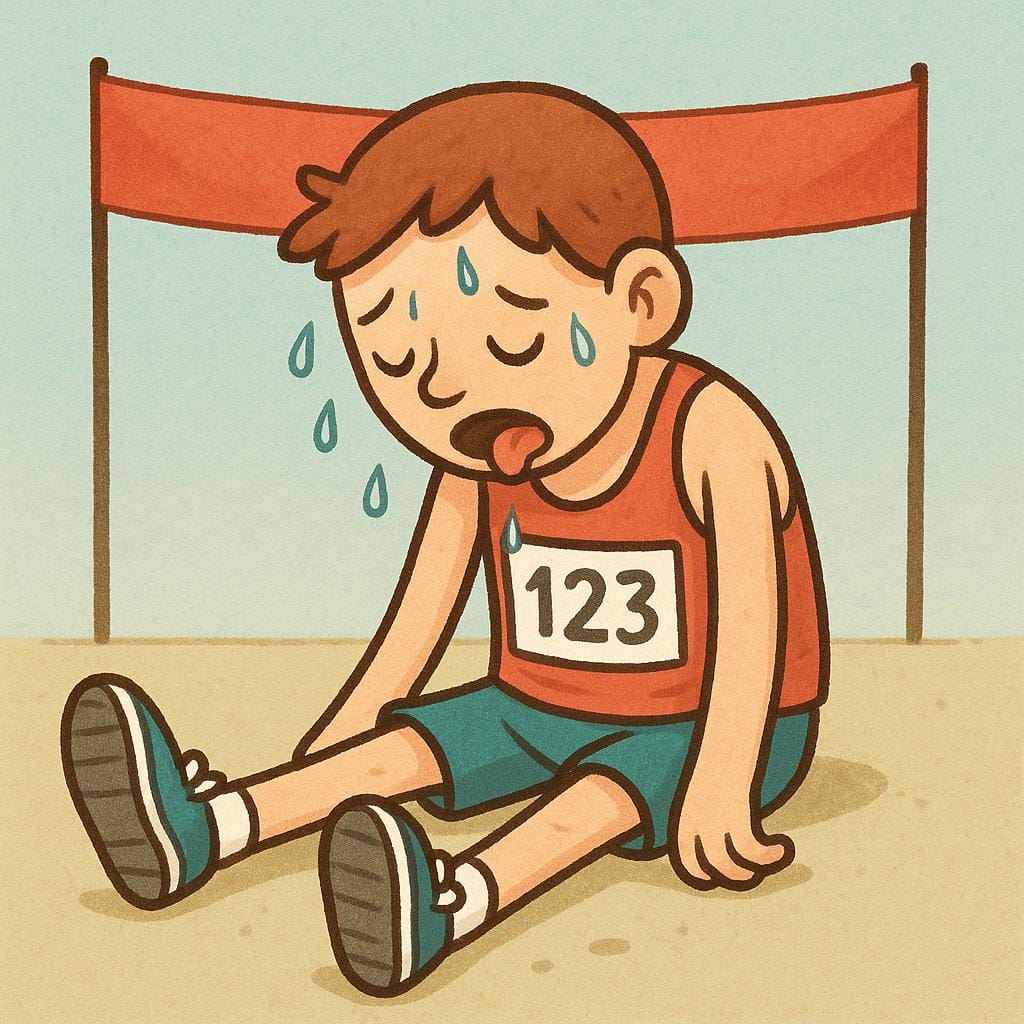
Después de trabajar doce horas, llegué a casa tirado.
After working twelve hours, I arrived home exhausted.
Ella estaba tirada de la tristeza por las malas noticias.
She was worn out with sadness because of the bad news.
Figurative Use
This meaning is figurative, meaning you are 'thrown down' by exhaustion. It emphasizes a complete lack of energy.
terminado
ter-mee-NAH-dohteɾ.miˈna.ðo
Examples
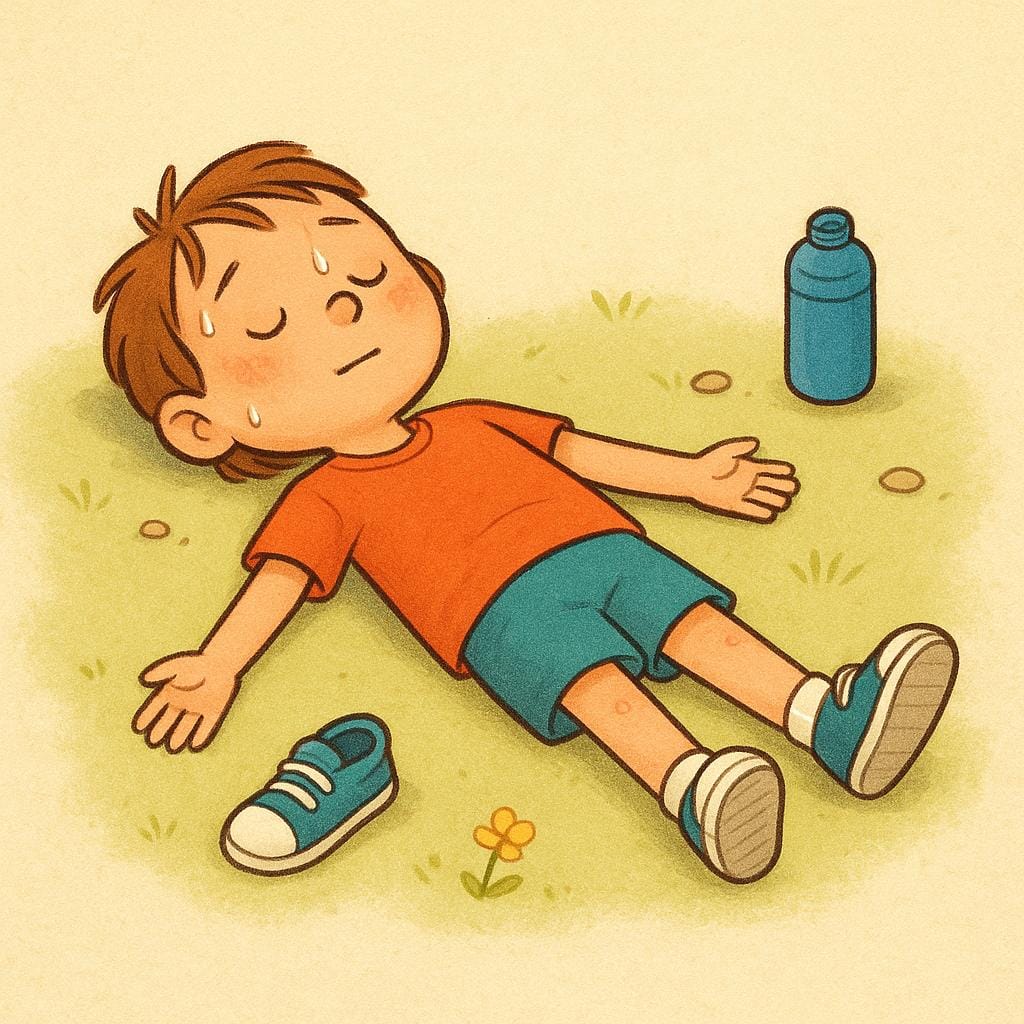
Después de trabajar 12 horas, estoy terminado.
After working 12 hours, I'm exhausted.
Este coche está terminado, no creo que arranque.
This car is finished, I don't think it will start.
Las chicas llegaron terminadas del viaje.
The girls arrived worn out from the trip.
Describing a State of Being
Just like when it means 'finished', this meaning uses the verb 'estar' because being exhausted is a temporary state. 'Estoy terminado' (I'm exhausted).
muerta
MWER-tahˈmweɾta

Examples
La flor que me regalaste está muerta.
The flower you gave me is dead.
Después de la maratón, llegué a casa muerta.
After the marathon, I got home exhausted.
Se me quedó la pierna muerta después de estar sentada tanto tiempo.
My leg went numb after sitting for so long.
Matches the Noun
As an adjective, 'muerta' must agree with the feminine thing it describes. For a masculine noun, you'd use 'muerto'. Example: 'la planta muerta' (the dead plant), 'el árbol muerto' (the dead tree).
Use with 'Estar', not 'Ser'
To say something is dead, you almost always use the verb 'estar' (e.g., 'La mosca está muerta'). Using 'ser' is very rare and sounds unnatural in most situations.
Past Participle of 'Morir'
'Muerta' is also a special form of the verb 'morir' (to die), called a past participle. This is why it can describe the result of that action, like 'a dead flower' is a flower that has died.
Gender Agreement
Mistake: “La flor está muerto.”
Correction: La flor está muerta. Because 'flor' is a feminine word, the adjective describing it must also be feminine.
frito
FREE-tohˈfɾito

Examples
Después de correr la maratón, estoy completamente frito.
After running the marathon, I am completely exhausted.
Si llegas tarde al aeropuerto, estás frito, pierdes el vuelo.
If you arrive late to the airport, you are done for; you'll miss the flight.
Used with 'Estar'
This figurative meaning almost always uses the verb 'estar' (to be temporarily) because it describes a temporary state of feeling tired or being in trouble.
agotado
ah-goh-TAH-doha.ɣoˈta.ðo
Examples
Hemos agotado todos los intentos de financiación.
We have exhausted all attempts at financing.
Llegué a casa después del trabajo y estaba completamente agotado.
I arrived home after work and I was completely exhausted.
Mi madre se siente agotada de tanto cuidar a los niños.
My mother feels worn out from taking care of the children so much.
Si hubieras agotado tu energía antes, no habrías ganado la carrera.
If you had used up your energy earlier, you wouldn't have won the race.
Adjective Agreement
'Agotado' is an adjective, so it must change its ending to match the person or thing it describes: 'agotado' (masc. singular), 'agotada' (fem. singular), 'agotados' (masc. plural), 'agotadas' (fem. plural).
Use in Perfect Tenses
As a past participle, 'agotado' combines with the verb 'haber' (to have) to form perfect tenses, like 'Ha agotado' (He/She/It has used up).
Using 'Ser' instead of 'Estar'
Mistake: “Soy agotado.”
Correction: Use 'Estoy agotado.' because exhaustion is a temporary state or condition, which requires the verb 'estar'.
General Tiredness vs. Extreme Exhaustion
Learn Spanish with Inklingo
Interactive stories, personalized learning, and more.