How to Say "wiped out" in Spanish
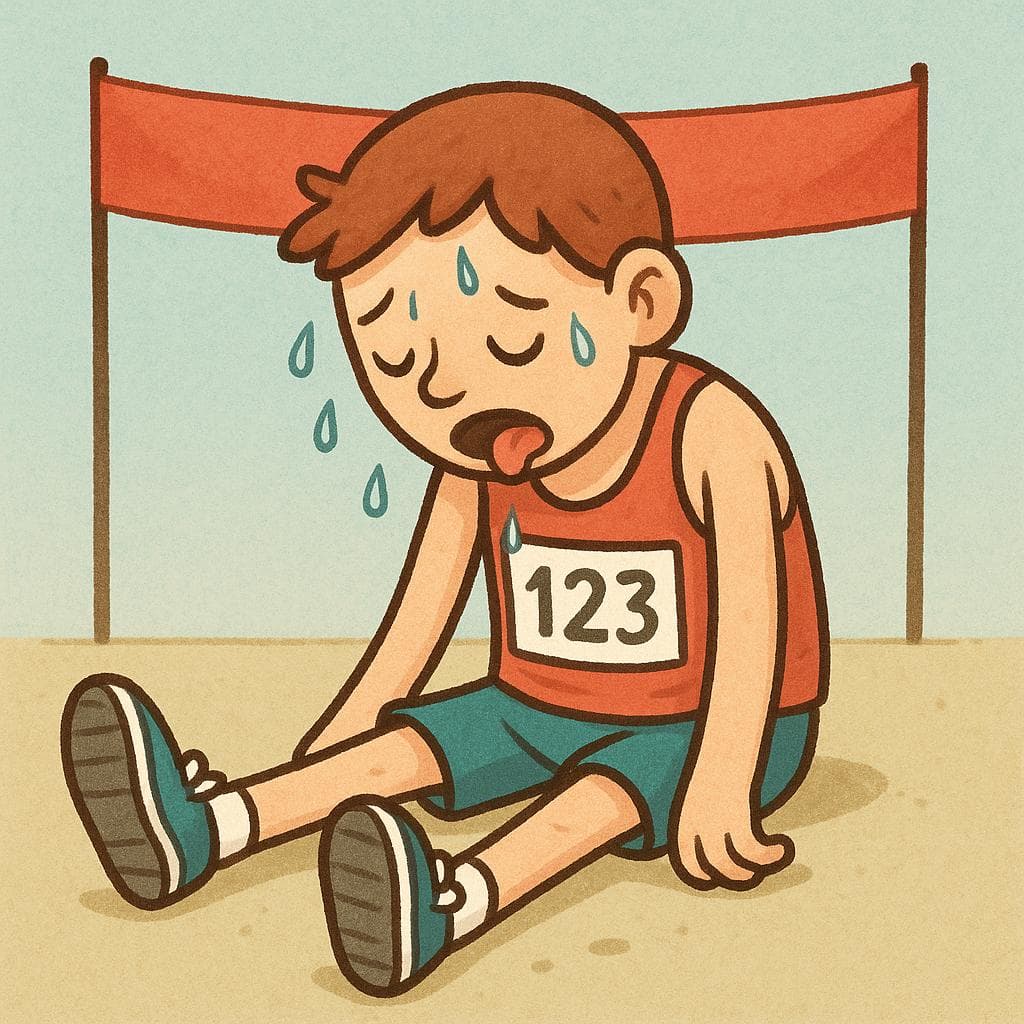
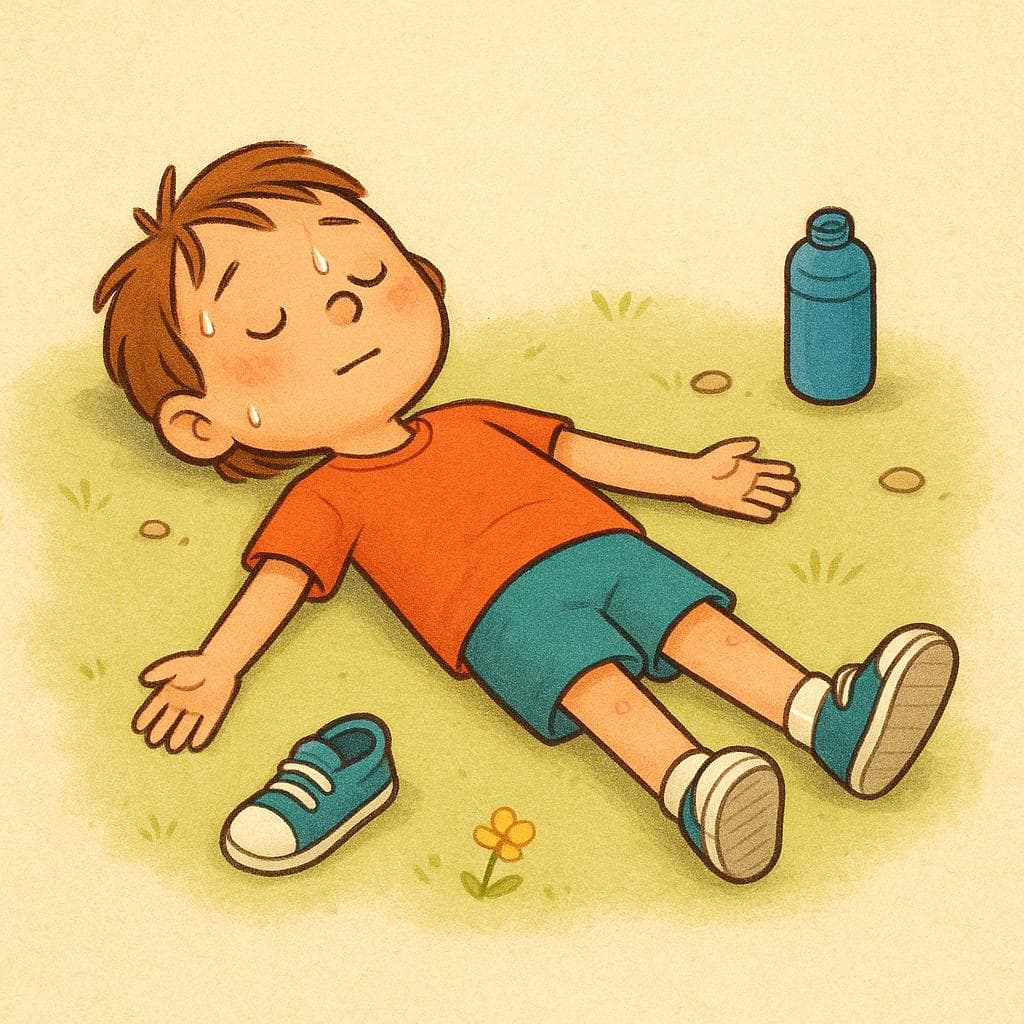
The most common Spanish word for “wiped out” is “fundido” — use 'fundido' when you want to informally express that you are completely exhausted, as if all your energy has been depleted.

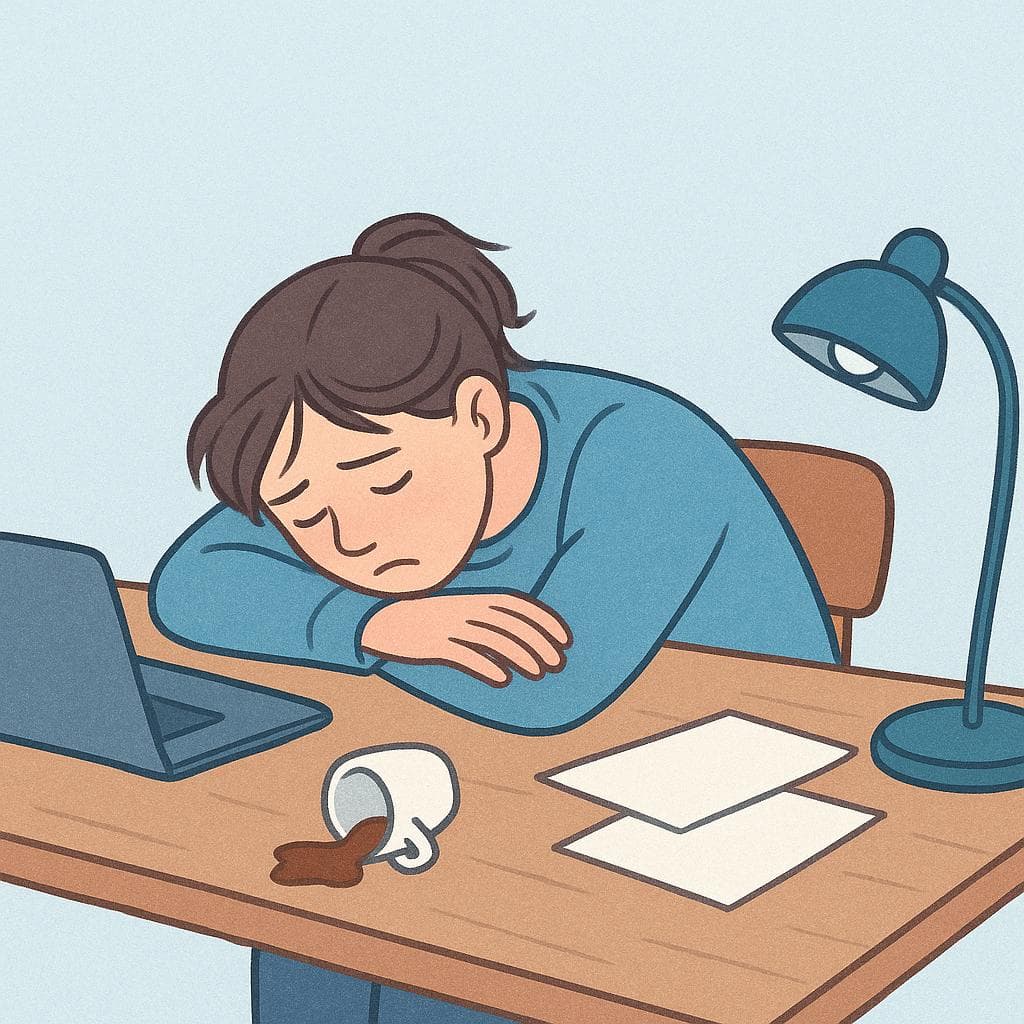
fundido
foon-DEE-dohfunˈdiðo

Examples
Después de correr la maratón, estoy completamente fundido.
After running the marathon, I am completely wiped out.
Después de trabajar doce horas, estoy fundido.
After working twelve hours, I am wiped out.
No puedo salir esta noche, me quedé fundida en el sofá.
I can't go out tonight, I'm completely spent on the sofa.
El entrenamiento de hoy nos dejó fundidos a todos.
Today's training left us all exhausted.
Using with 'Estar'
Always use the verb 'estar' (to be) with this meaning, because exhaustion is a temporary state, not a permanent personality trait.
Fundido vs. Cansado
Mistake: “Using 'fundido' in a formal meeting.”
Correction: Stick to 'cansado' or 'agotado' in formal settings. 'Fundido' is very casual, like saying you're 'fried'.
matado
mah-TAH-dohmaˈtaðo
Examples
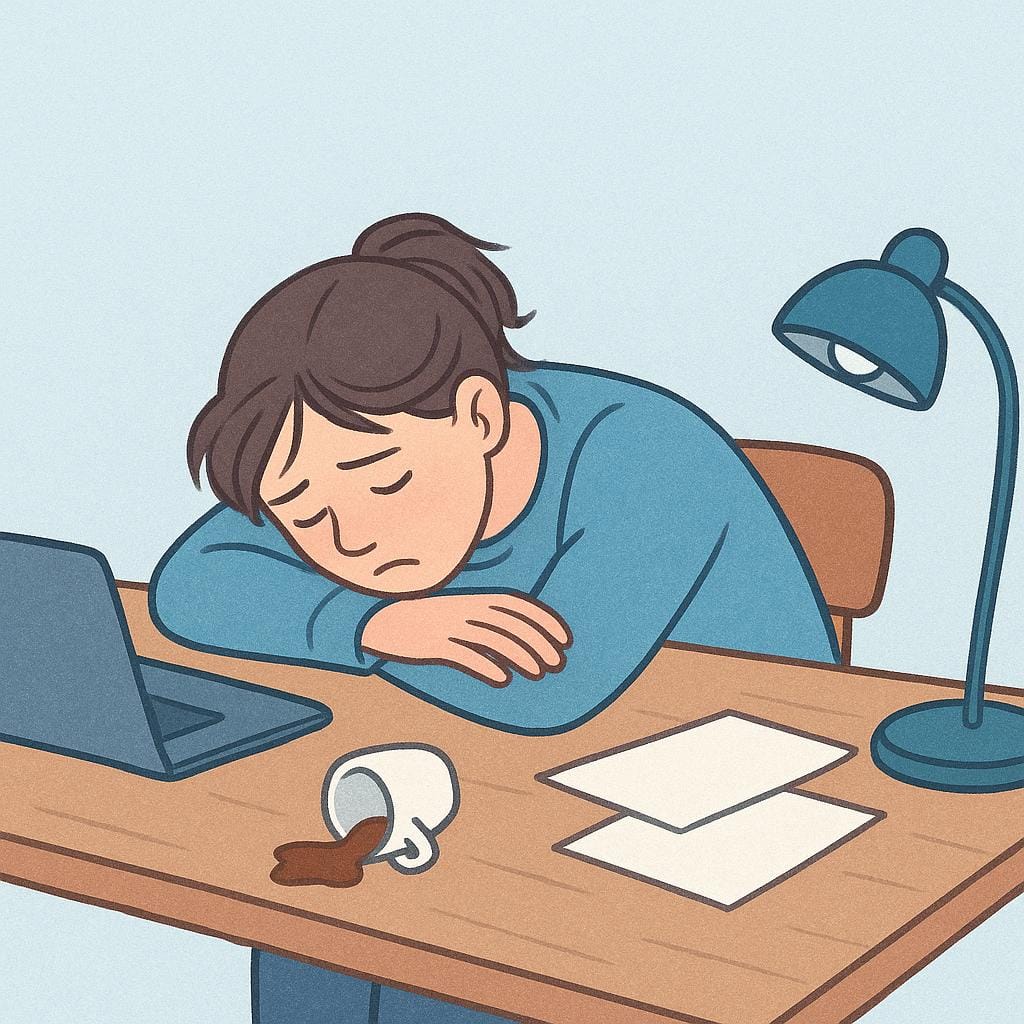
No puedo más, llegué a casa matado después de la mudanza.
I can't take it anymore, I got home wiped out after the move.
Llegué a casa matado después del turno de diez horas.
I got home exhausted after the ten-hour shift.
Mi hermana está matada con los exámenes finales; no ha dormido bien.
My sister is worn out from final exams; she hasn't slept well.
Masculine vs. Feminine
Since this is an adjective, make sure it matches the person you are describing: 'Estoy matado' (if male) or 'Estoy matada' (if female).
Using 'ser' instead of 'estar'
Mistake: “Soy matado.”
Correction: Estoy matado. Use 'estar' because exhaustion is a temporary state, not a permanent characteristic.
tirado
tee-RAH-dohtiˈɾa.ðo
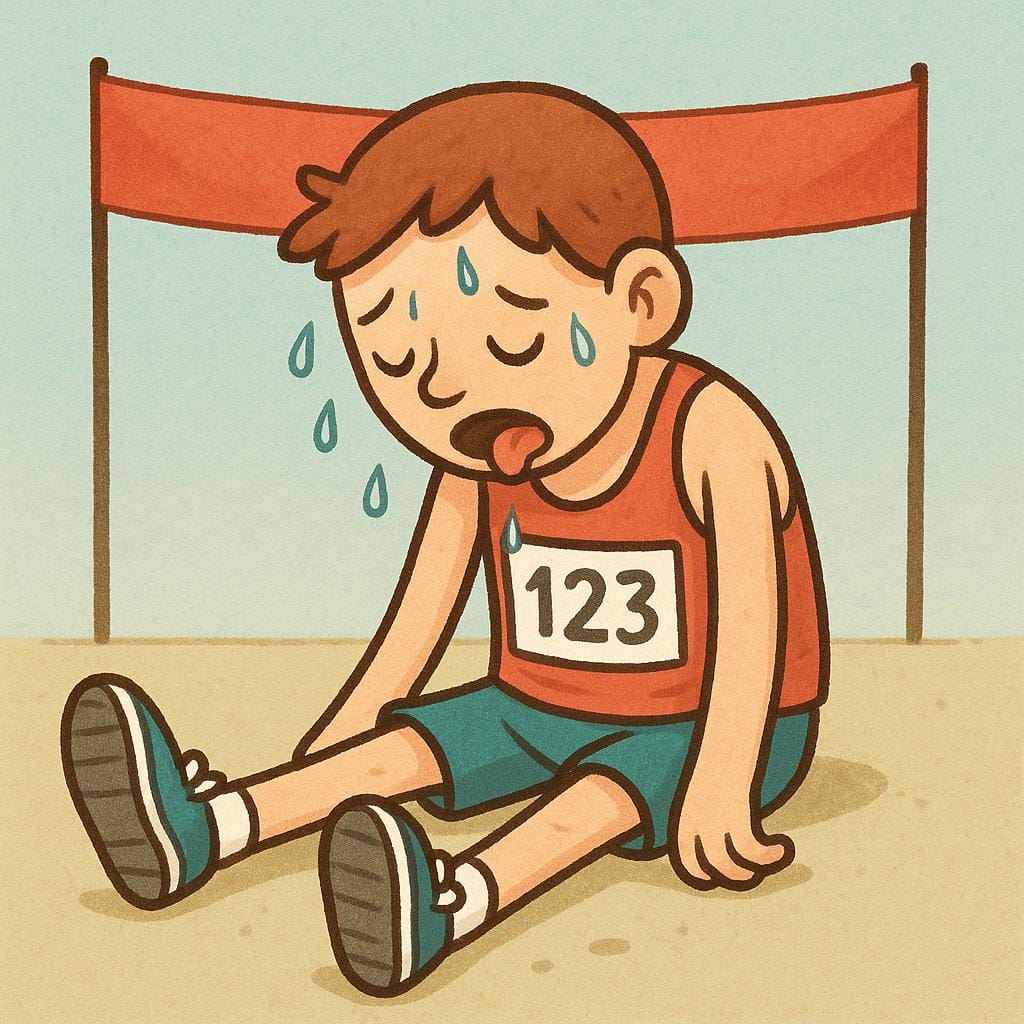
Examples
El viaje en autobús de 10 horas me dejó tirado.
The 10-hour bus trip left me wiped out.
Después de trabajar doce horas, llegué a casa tirado.
After working twelve hours, I arrived home exhausted.
Ella estaba tirada de la tristeza por las malas noticias.
She was worn out with sadness because of the bad news.
Figurative Use
This meaning is figurative, meaning you are 'thrown down' by exhaustion. It emphasizes a complete lack of energy.
terminado
ter-mee-NAH-dohteɾ.miˈna.ðo

Examples
Después de estudiar toda la noche, estoy terminado.
After studying all night, I'm wiped out.
Después de trabajar 12 horas, estoy terminado.
After working 12 hours, I'm exhausted.
Este coche está terminado, no creo que arranque.
This car is finished, I don't think it will start.
Las chicas llegaron terminadas del viaje.
The girls arrived worn out from the trip.
Describing a State of Being
Just like when it means 'finished', this meaning uses the verb 'estar' because being exhausted is a temporary state. 'Estoy terminado' (I'm exhausted).
Informal vs. Slightly More Formal
Related Translations
Learn Spanish with Inklingo
Interactive stories, personalized learning, and more.