How to Say "worn out" in Spanish
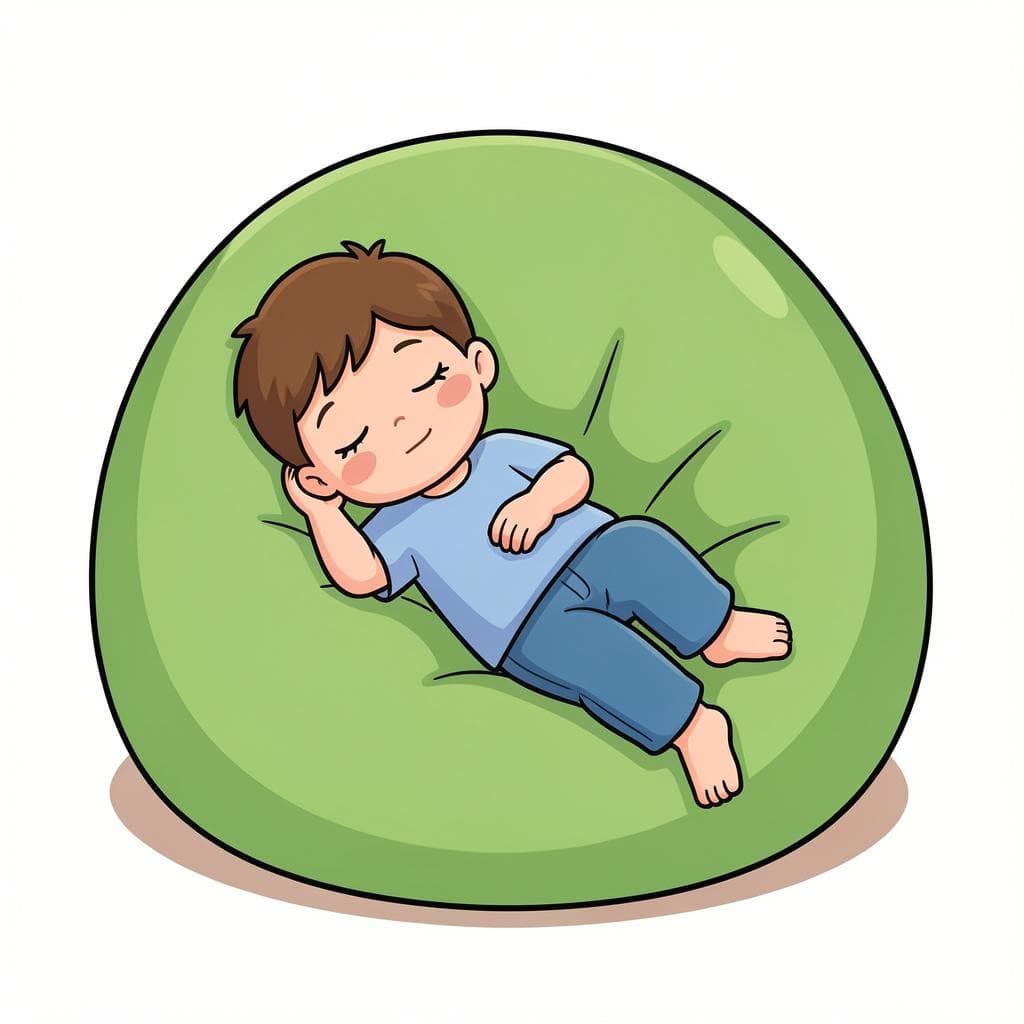
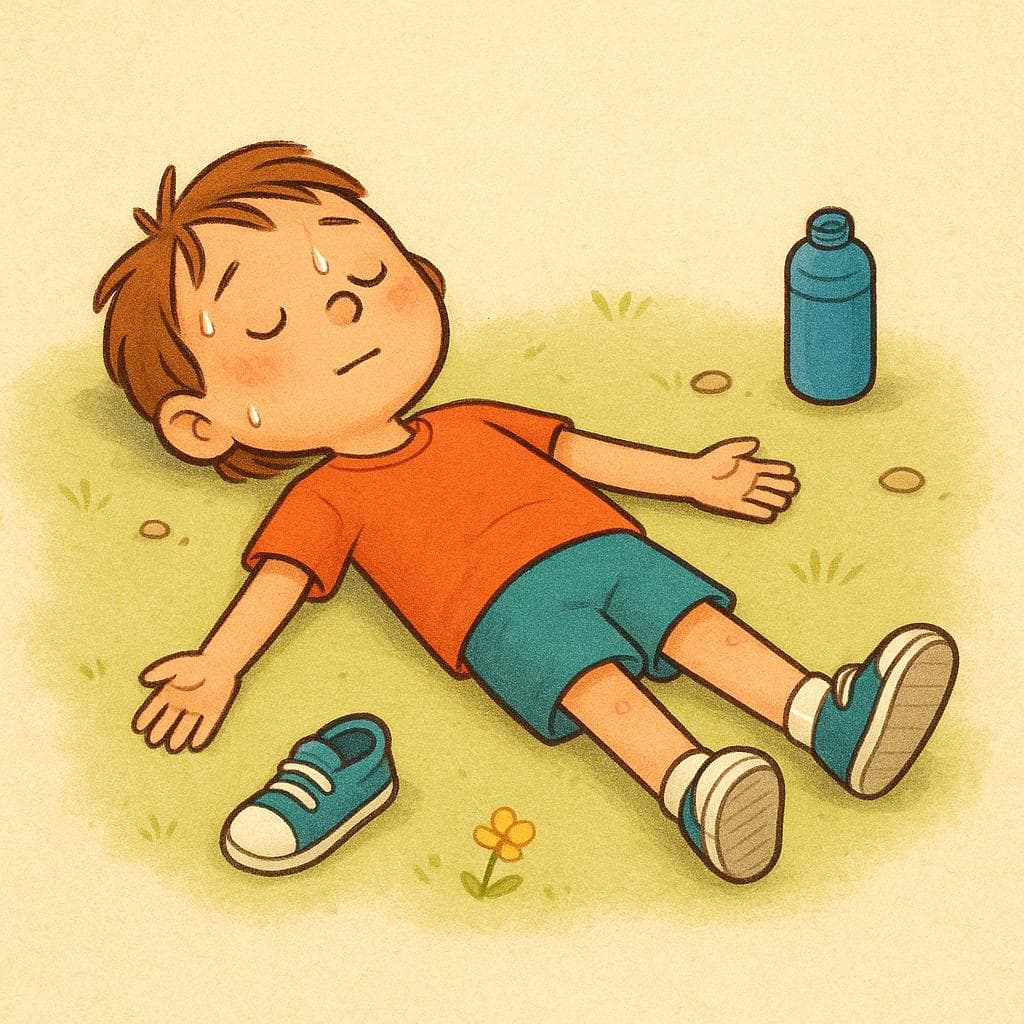
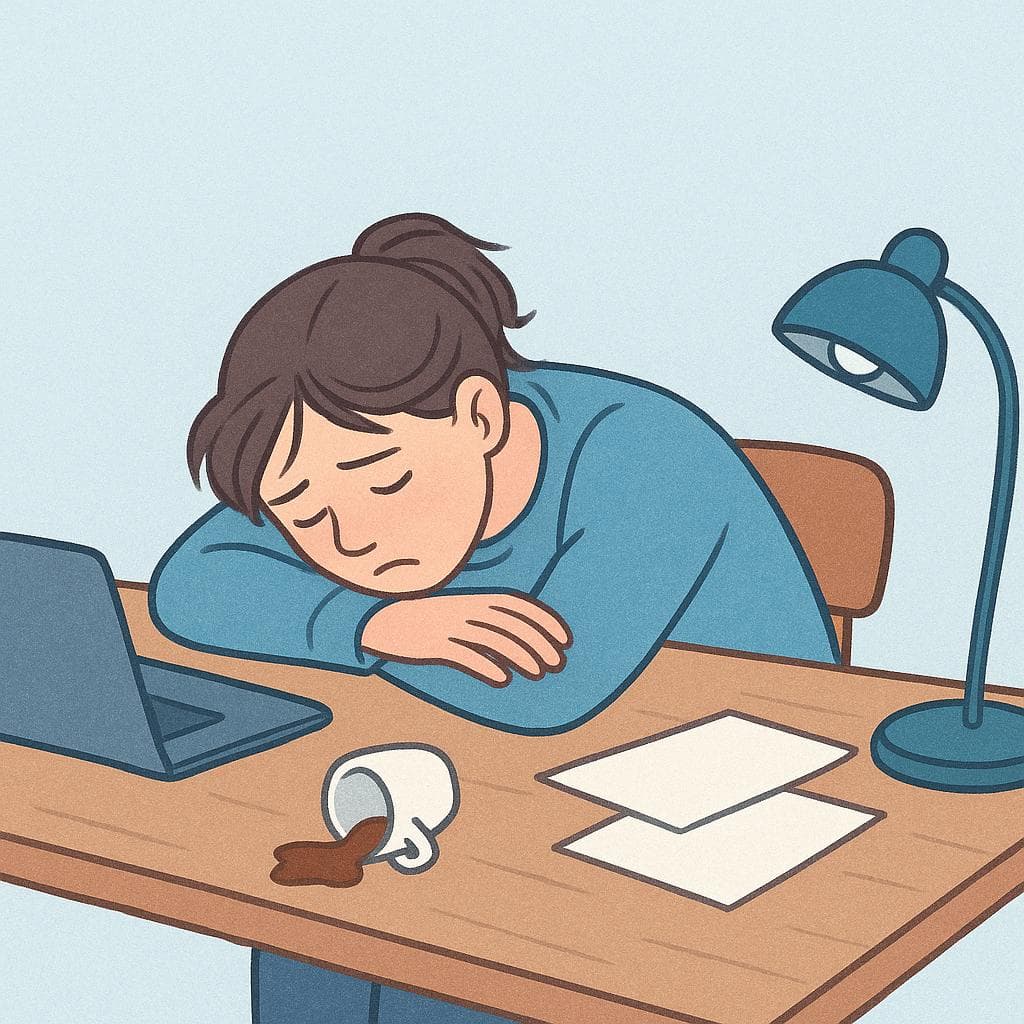
The most common Spanish word for “worn out” is “agotado” — use this common term when you feel completely drained of energy, often after a demanding day or activity.




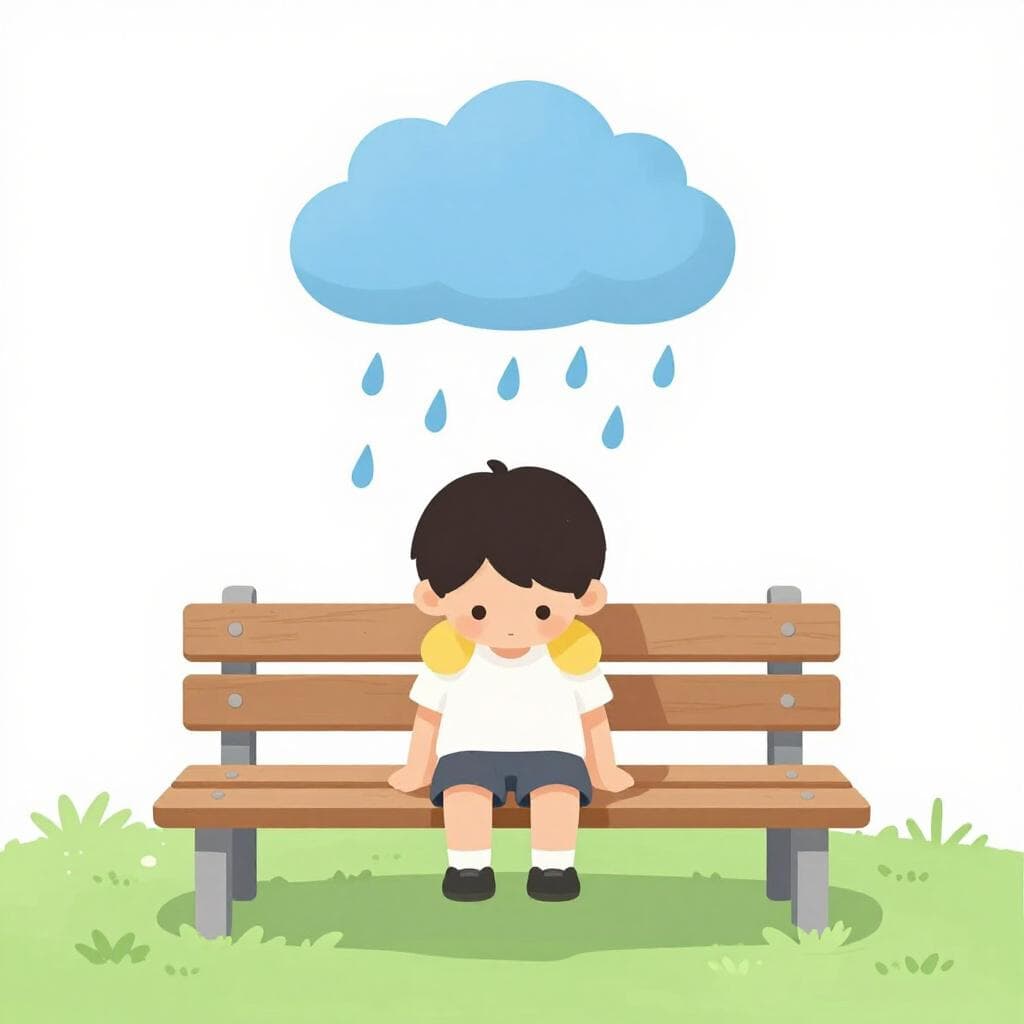
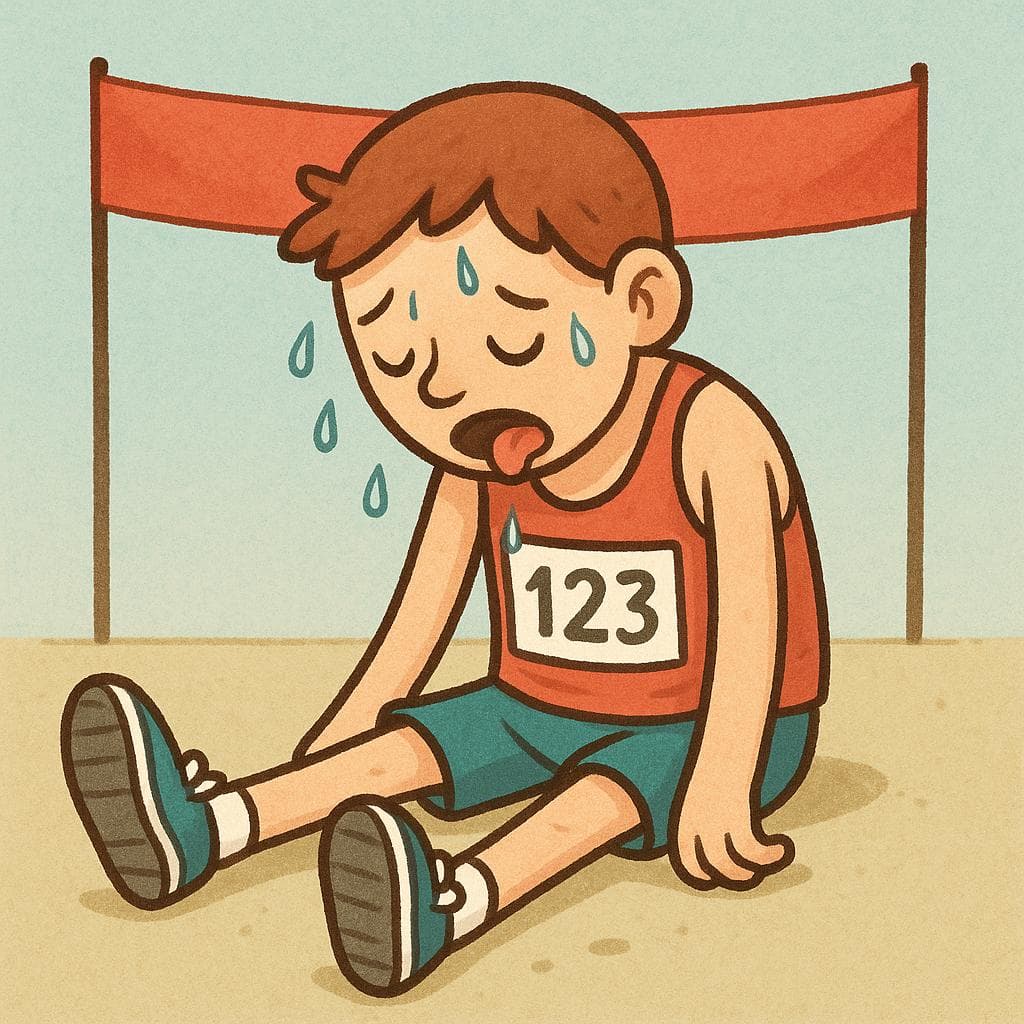

agotado
ah-goh-TAH-doha.ɣoˈta.ðo

Examples
Llegué a casa después del trabajo y estaba completamente agotado.
I arrived home after work and I was completely exhausted.
Mi madre se siente agotada de tanto cuidar a los niños.
My mother feels worn out from taking care of the children so much.
Adjective Agreement
'Agotado' is an adjective, so it must change its ending to match the person or thing it describes: 'agotado' (masc. singular), 'agotada' (fem. singular), 'agotados' (masc. plural), 'agotadas' (fem. plural).
Using 'Ser' instead of 'Estar'
Mistake: “Soy agotado.”
Correction: Use 'Estoy agotado.' because exhaustion is a temporary state or condition, which requires the verb 'estar'.
cansados
kan-SA-doskanˈsaðos
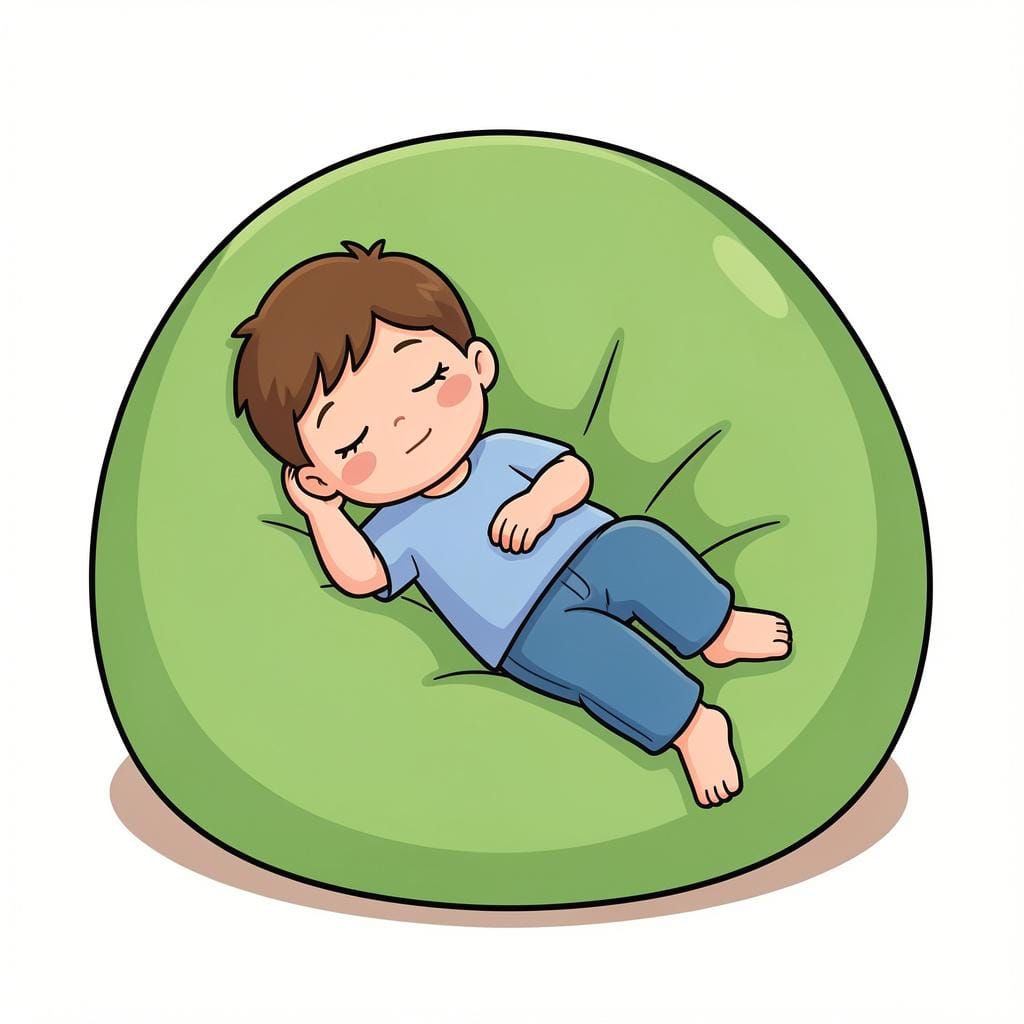
Examples
Mis padres están cansados después de trabajar todo el día.
My parents are tired after working all day.
Los niños llegaron cansados de la excursión.
The children arrived tired from the field trip.
Estamos muy cansados por el viaje.
We are very tired because of the trip.
The '-os' Ending
The 'os' at the end tells you that we are talking about more than one person, and either they are all male or the group is a mix of males and females.
Using 'Estar'
Since being tired is usually a temporary feeling, always use the verb 'estar' (to be) instead of 'ser'.
Using 'Ser' instead of 'Estar'
Mistake: “Somos cansados.”
Correction: Estamos cansados. Use 'estar' because tiredness is a state that changes, not a permanent personality trait.
exhausto
ex-OWS-toheɡˈsawsto

Examples
Después de trabajar doce horas, me siento exhausto.
After working twelve hours, I feel exhausted.
Los corredores llegaron exhaustos a la meta.
The runners reached the finish line worn out.
Las reservas de petróleo están casi exhaustas.
The oil reserves are almost depleted.
Use with 'estar'
Always use this word with 'estar' because it describes a temporary feeling or state, not a permanent personality trait.
Matching gender
This word changes its ending. Use 'exhausto' for a man, 'exhausta' for a woman, and 'exhaustos' or 'exhaustas' for groups.
Exhausto vs. Cansado
Mistake: “Using 'cansado' when you are actually at 0% energy.”
Correction: Use 'exhausto' when you have no energy left at all. 'Cansado' is just regular 'tired'.
Wrong 'To Be'
Mistake: “Soy exhausto.”
Correction: Estoy exhausto. Using 'soy' would imply being exhausted is your permanent identity, which doesn't make sense!
acabado
ah-kah-BAH-doha.kaˈβa.ðo

Examples
Después de la excursión, el corredor estaba completamente acabado.
After the hike, the runner was completely done for/exhausted.
El viejo motor ya estaba acabado y tuvimos que reemplazarlo.
The old engine was already worn out and we had to replace it.
Si el negocio cierra, estamos acabados.
If the business closes, we are ruined/done for.
Use with Estar
This emotional or physical state always uses the verb 'estar' (to be temporarily) because it describes a current condition, not a permanent characteristic.
terminado
ter-mee-NAH-dohteɾ.miˈna.ðo
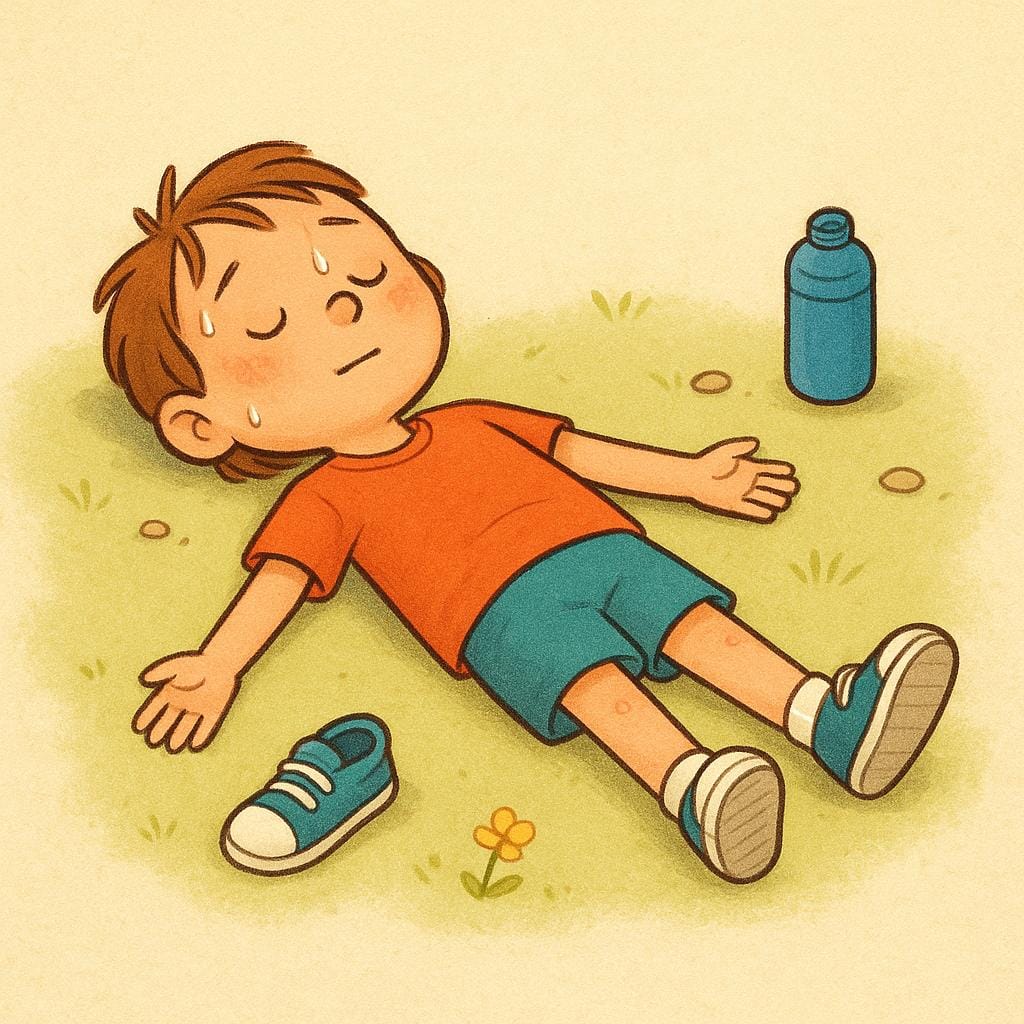
Examples
Después de trabajar 12 horas, estoy terminado.
After working 12 hours, I'm exhausted.
Este coche está terminado, no creo que arranque.
This car is finished, I don't think it will start.
Las chicas llegaron terminadas del viaje.
The girls arrived worn out from the trip.
Describing a State of Being
Just like when it means 'finished', this meaning uses the verb 'estar' because being exhausted is a temporary state. 'Estoy terminado' (I'm exhausted).
rendido
ren-DEE-dohrenˈdi.ðo
Examples
Después de correr diez kilómetros, estoy rendido.
After running ten kilometers, I am exhausted.
Llegó a casa rendido de tanto trabajar.
He arrived home worn out from working so much.
Los niños cayeron rendidos después de la fiesta.
The children collapsed from exhaustion after the party.
Using with 'to be'
Always use 'estar' (temporary state) rather than 'ser' (permanent characteristic) because exhaustion is something you feel right now, not who you are forever.
Matching the Ending
Since this acts like an adjective, remember to change the last letter: 'rendido' for a man, 'rendida' for a woman, and 'rendidos/as' for groups.
The 'Ser' Trap
Mistake: “Soy rendido.”
Correction: Estoy rendido. You are describing a current feeling, so 'estar' is the correct version of 'to be'.
llevado
yeh-VAH-dohʎeˈβa.ðo
Examples
Los trabajadores estaban muy llevados después de la jornada extra.
The workers were very worn out/exhausted after the extra shift.
Me siento tan llevado por el estrés de los exámenes.
I feel so worn out by the stress of the exams.
Using 'Estar' for States
This meaning always uses the verb estar because it describes a temporary physical or emotional state: 'Estoy llevado' (I am exhausted).
matado
mah-TAH-dohmaˈtaðo
Examples
Llegué a casa matado después del turno de diez horas.
I got home exhausted after the ten-hour shift.
Mi hermana está matada con los exámenes finales; no ha dormido bien.
My sister is worn out from final exams; she hasn't slept well.
Masculine vs. Feminine
Since this is an adjective, make sure it matches the person you are describing: 'Estoy matado' (if male) or 'Estoy matada' (if female).
Using 'ser' instead of 'estar'
Mistake: “Soy matado.”
Correction: Estoy matado. Use 'estar' because exhaustion is a temporary state, not a permanent characteristic.
derrotado
deh-rroh-TAH-dohde.roˈta.ðo
Examples
Se sentía derrotado por tantos problemas personales.
He felt crushed by so many personal problems.
Llegó a casa derrotado después de doce horas de trabajo.
He arrived home worn out after twelve hours of work.
Using it with 'Estar'
When talking about a temporary feeling or mood, use this word with the verb 'estar' (to be) or 'sentirse' (to feel).
Not just for wars
Mistake: “Using 'cansado' for everything.”
Correction: Use 'derrotado' when you want to sound more dramatic or describe a deeper level of being worn out.
tirado
tee-RAH-dohtiˈɾa.ðo
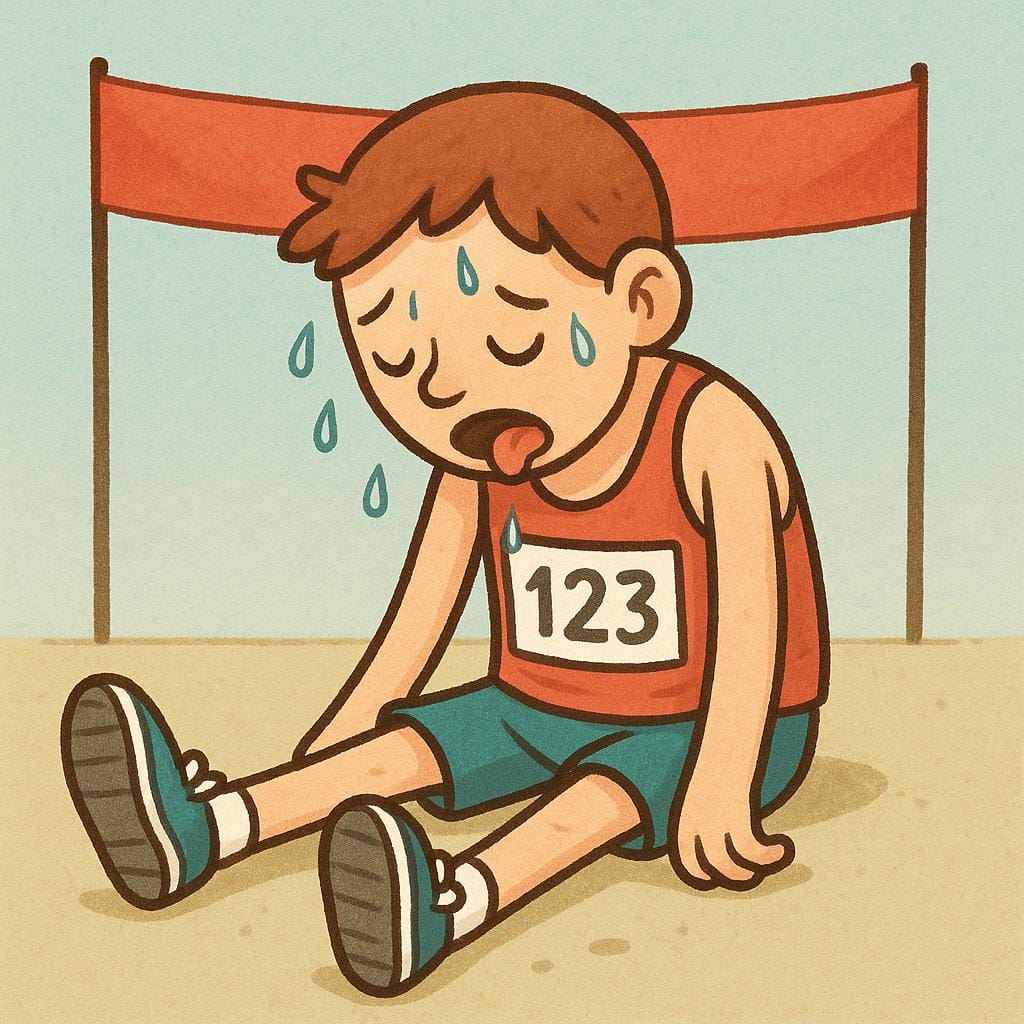
Examples
Después de trabajar doce horas, llegué a casa tirado.
After working twelve hours, I arrived home exhausted.
Ella estaba tirada de la tristeza por las malas noticias.
She was worn out with sadness because of the bad news.
Figurative Use
This meaning is figurative, meaning you are 'thrown down' by exhaustion. It emphasizes a complete lack of energy.
rotos
RO-tohsˈrotos

Examples
Los platos cayeron al suelo y ahora están rotos.
The plates fell to the floor and now they are broken.
Me gusta usar pantalones rotos.
I like wearing torn jeans.
Después de la maratón, mis pies terminaron rotos.
After the marathon, my feet ended up worn out.
The Irregular Rule
This word is a special form of the verb 'romper' (to break). Even though most words like this end in '-ido', this one is irregular. You must use 'rotos' instead of 'rompidos'.
Matching Groups
Since this ends in '-os', use it when describing multiple masculine items (like 'los juguetes') or a mixed group of items.
The 'Rompidos' Error
Mistake: “Los vasos están rompidos.”
Correction: Los vasos están rotos. Spanish uses an irregular form for the word 'broken'.
Choosing between 'agotado' and 'cansado'
Related Translations
Learn Spanish with Inklingo
Interactive stories, personalized learning, and more.