How to Say "aching" in Spanish
The most common Spanish word for “aching” is “doloroso” — use this when describing a persistent, ongoing pain that is intense or bothersome.

doloroso
doh-loh-ROH-sohdo.loˈɾo.so
Examples
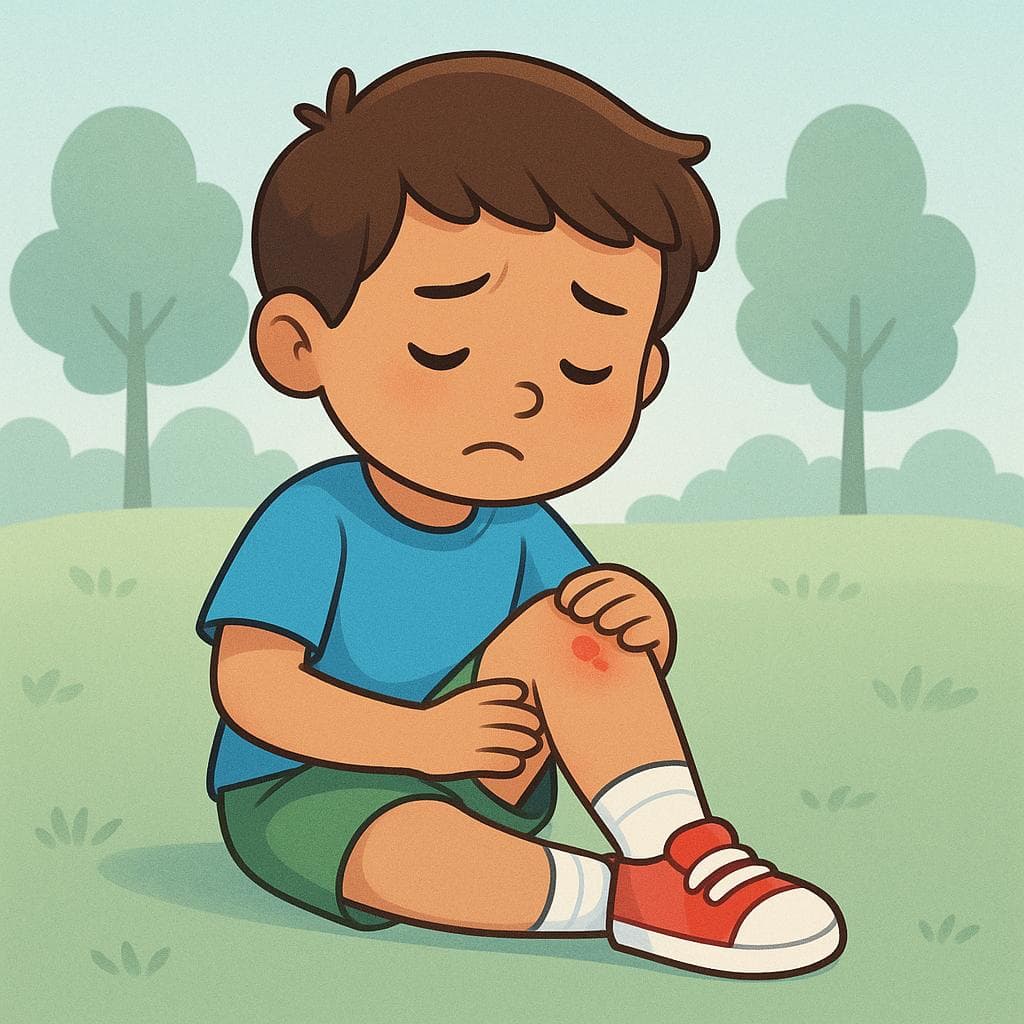
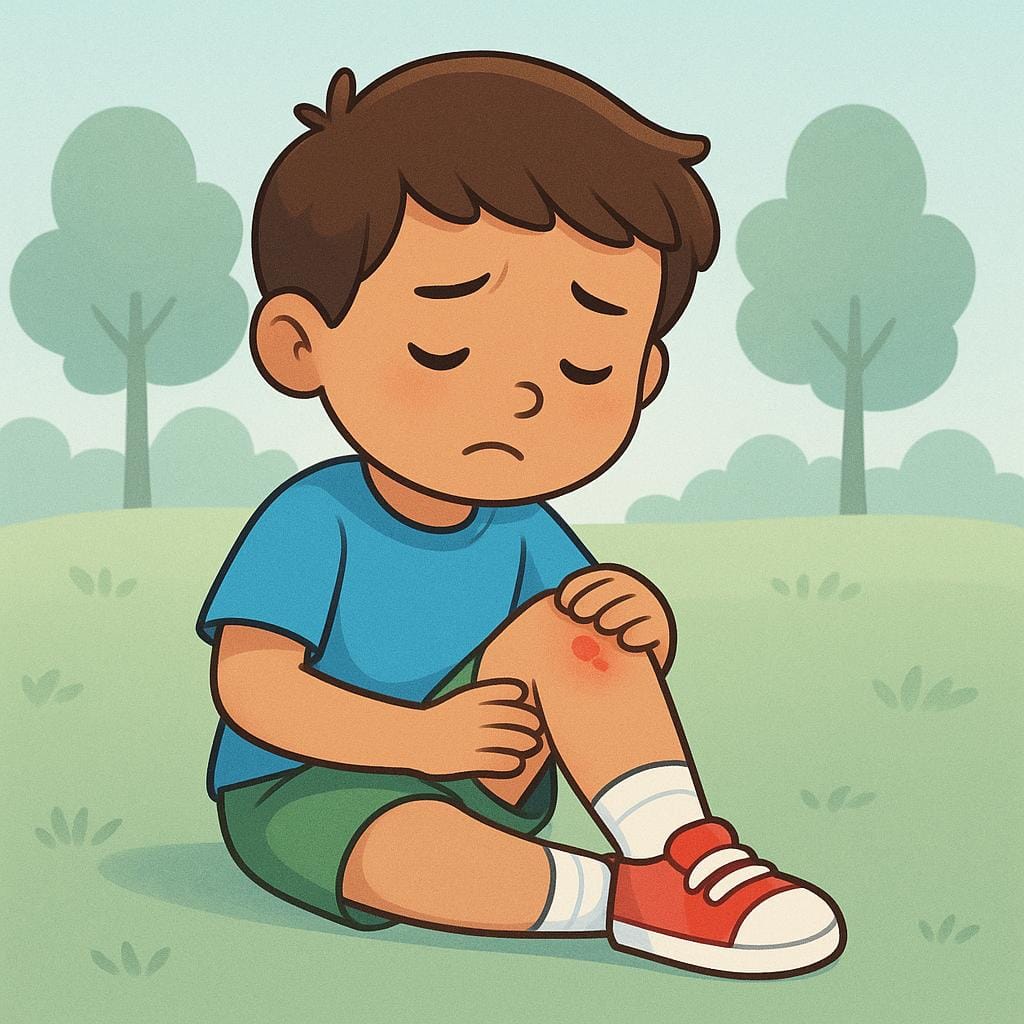
La herida en mi rodilla es muy dolorosa.
The wound on my knee is very painful.
Necesitas una operación, pero no será dolorosa.
You need an operation, but it won't be painful.
Adjective Agreement
As an adjective, 'doloroso' must change its ending to match the noun it describes: use -a for feminine words (una operación dolorosa) and -os/-as for plural words (los recuerdos dolorosos).
molido
mo-LEE-dohmoˈliðo

Examples
Después de correr el maratón, terminé molido.
After running the marathon, I ended up exhausted/sore all over.
Estoy molida de tanto trabajar en el jardín.
I'm worn out from working so much in the garden.
Me siento molido; creo que me voy a dormir temprano.
I feel beat; I think I'm going to sleep early.
Using 'Estar' for States
Since being exhausted is a temporary state or feeling, always use 'estar' (to be) with 'molido'.
Wrong Verb 'To Be'
Mistake: “Soy molido.”
Correction: Estoy molido. Use 'estar' because tiredness is a condition, not a permanent personality trait.
resentido
reh-sen-TEE-dohresenˈtiðo

Examples
Tengo la rodilla resentida después del partido de ayer.
My knee is aching/sensitive after yesterday's game.
La economía del país quedó resentida tras la crisis.
The country's economy was left weakened after the crisis.
Aún tengo la espalda un poco resentida.
My back is still a bit tender/sensitive.
Matching the gender
Remember that if you are talking about 'la rodilla' (the knee), the word changes to 'resentida'. If you talk about 'el tobillo' (the ankle), it stays 'resentido'.
Choosing between general pain and lingering sensitivity
Related Translations
Learn Spanish with Inklingo
Interactive stories, personalized learning, and more.