How to Say "ground" in Spanish
The most common Spanish word for “ground” is “suelo” — use 'suelo' when referring to the surface of the earth or the floor inside a building, especially when it's a general surface.


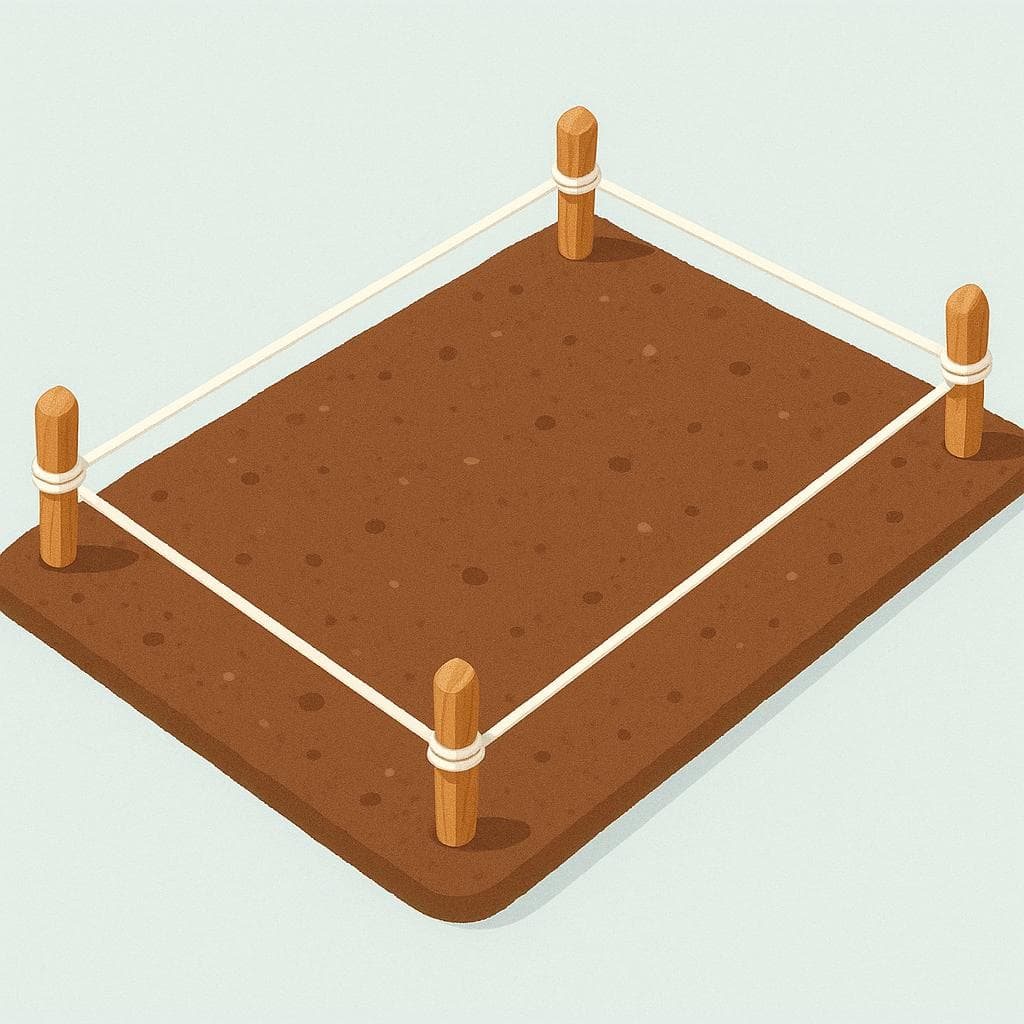

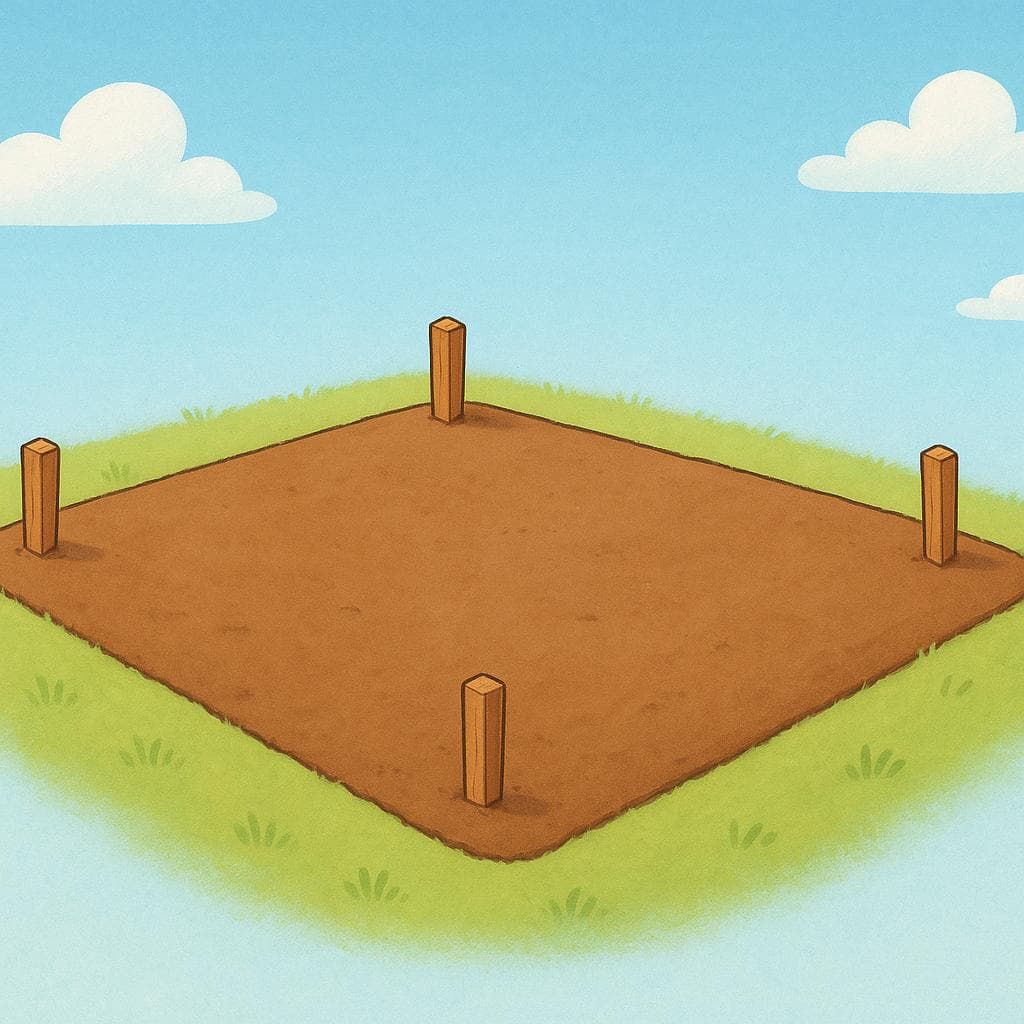
suelo
SWEH-lohˈswelo

Examples
El perro se tumbó en el suelo.
The dog lay down on the ground.
El gato está durmiendo en el suelo.
The cat is sleeping on the floor.
Ten cuidado, el suelo está mojado por la lluvia.
Be careful, the ground is wet from the rain.
Este tipo de suelo es perfecto para cultivar tomates.
This type of soil is perfect for growing tomatoes.
Suelo vs. Piso
Suelo is the surface you walk on (floor, ground). Piso can also mean 'floor', but it's also used for an apartment or a level/story of a building. 'Vivo en el tercer piso' (I live on the third floor).
tierra
TYEH-rrahˈtjera

Examples
Las plantas necesitan tierra para crecer.
Plants need soil to grow.
Las flores crecen en la tierra.
The flowers grow in the soil.
El niño se sentó en la tierra para jugar.
The child sat on the ground to play.
Compraron un gran pedazo de tierra para construir su casa.
They bought a large piece of land to build their house.
Using 'la'
Since 'tierra' is a feminine word (it ends in -a), you'll almost always see it with 'la' or 'una' before it, like 'la tierra' (the ground) or 'una tierra' (a land).
terreno
teh-RREH-nohteˈreno
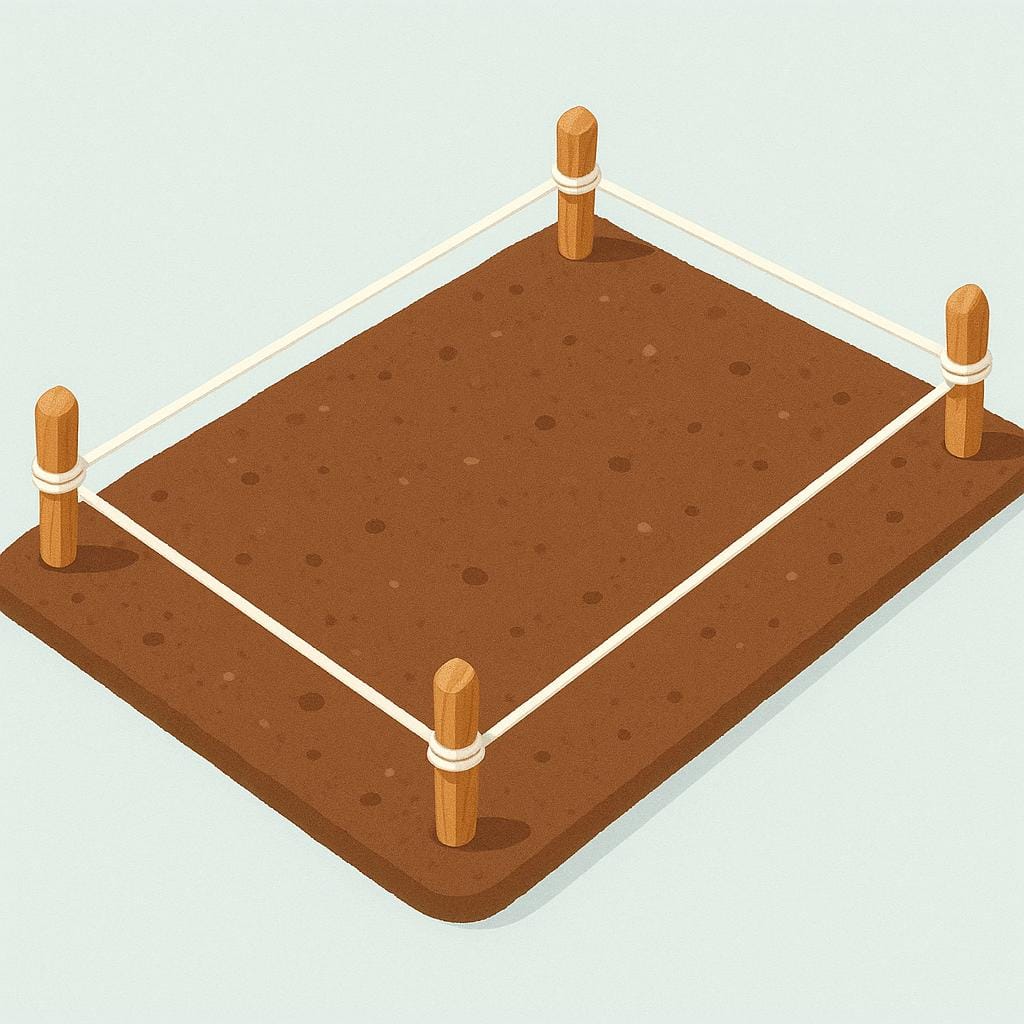
Examples
Vendimos nuestro terreno para comprar uno más grande.
We sold our land to buy a bigger one.
Compramos un terreno grande para construir la casa de mis sueños.
We bought a large plot of land to build my dream house.
El terreno en la montaña es muy rocoso y difícil de caminar.
The terrain in the mountain is very rocky and difficult to walk on.
Necesitamos nivelar el terreno antes de instalar la piscina.
We need to level the ground before installing the pool.
Gender Check
Remember that 'terreno' is masculine, so always use 'el terreno' or 'un terreno'.
Using 'tierra' for 'plot'
Mistake: “Quiero comprar una tierra.”
Correction: Quiero comprar un terreno. ('Tierra' is usually used for soil, the planet, or a general region.)
piso
pee-soˈpiso

Examples
Hay que limpiar el piso de la cocina.
The kitchen floor needs to be cleaned.
Ten cuidado, el piso está mojado.
Be careful, the floor is wet.
El niño dejó caer sus juguetes en el piso.
The child dropped his toys on the floor.
molido
mo-LEE-dohmoˈliðo
Examples
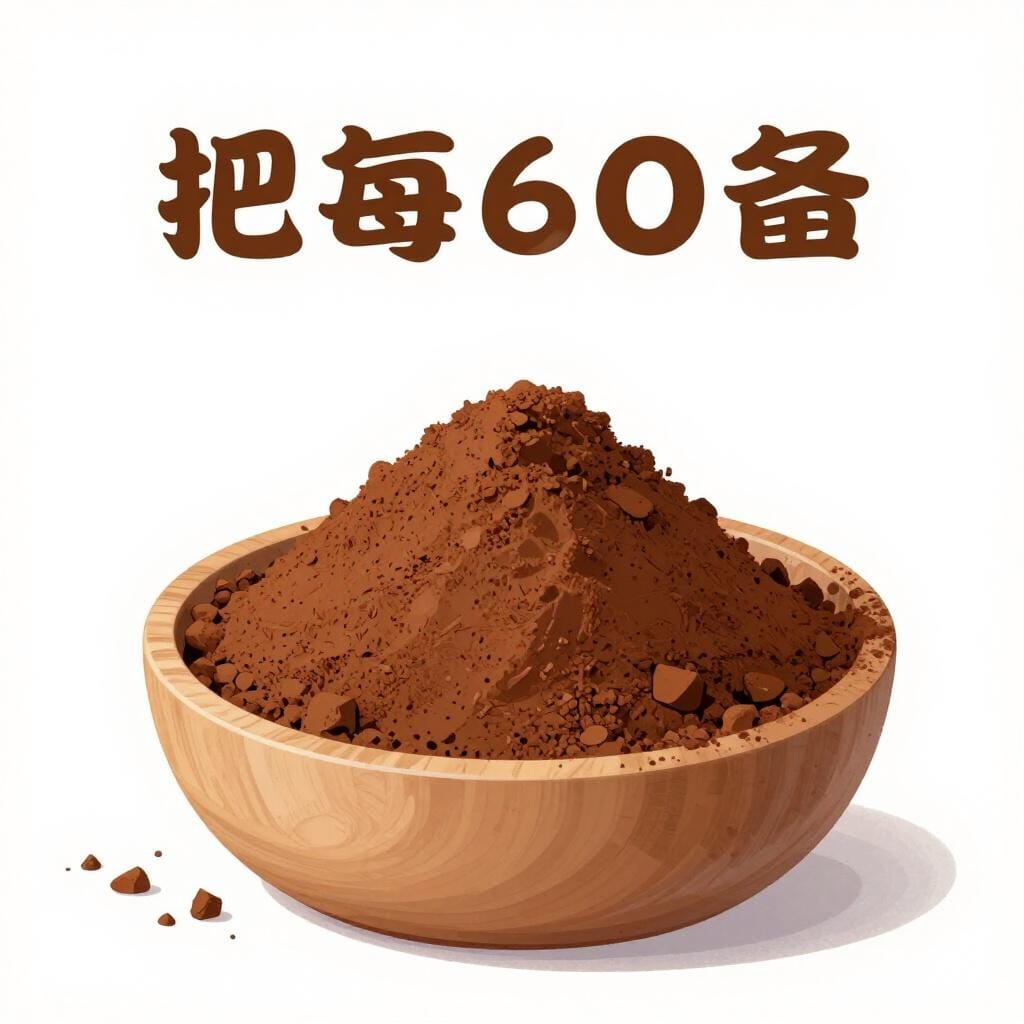
Me gusta el café molido por la mañana.
I like ground coffee in the morning.
Prefiero comprar el café molido en lugar de en grano.
I prefer to buy ground coffee instead of whole bean.
Necesitamos tres tazas de maíz molido para la receta.
We need three cups of ground corn for the recipe.
La pimienta recién molida tiene mucho más sabor.
Freshly ground pepper has much more flavor.
Matching Gender and Number
Remember that this word must change to match what you are describing. Use 'molido' for masculine things like 'café' and 'molida' for feminine things like 'carne' or 'pimienta'.
Word Order
In Spanish, we usually put 'molido' after the food item, whereas in English 'ground' comes before the food.
The Stem Change
The base verb 'moler' changes its 'o' to 'ue' in the present tense (except for nosotros and vosotros), but the form 'molido' always keeps the 'o'.
The -ed form
When you use 'molido' with the verb 'haber' (to have), it stays as 'molido' and never changes to 'molida', regardless of who or what you are talking about.
Forgetting Gender
Mistake: “carne molido”
Correction: carne molida (because 'carne' is a feminine noun).
solar
soh-LAHRsoˈlaɾ
Examples
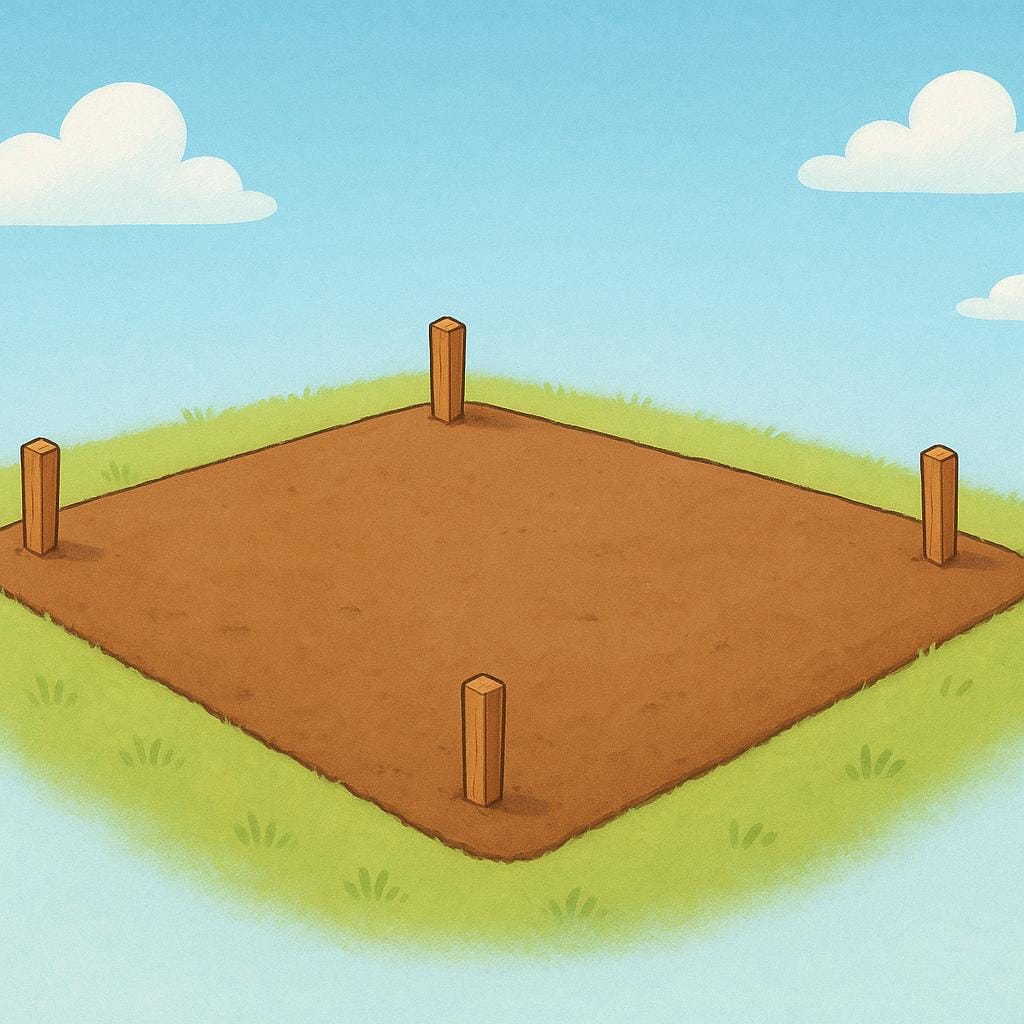
El ayuntamiento vendió el solar para un nuevo proyecto.
The city council sold the lot for a new project.
Compraron un solar en las afueras para construir la casa de sus sueños.
They bought a lot on the outskirts to build their dream house.
El ayuntamiento vendió varios solares en el centro de la ciudad.
The city council sold several plots in the city center.
Masculine Noun
Remember that this word is always masculine, so use 'el solar' or 'un solar'.
molido
mo-LEE-dohmoˈliðo
Examples
He molido las especias para la receta.
I have ground the spices for the recipe.
Prefiero comprar el café molido en lugar de en grano.
I prefer to buy ground coffee instead of whole bean.
Necesitamos tres tazas de maíz molido para la receta.
We need three cups of ground corn for the recipe.
La pimienta recién molida tiene mucho más sabor.
Freshly ground pepper has much more flavor.
Matching Gender and Number
Remember that this word must change to match what you are describing. Use 'molido' for masculine things like 'café' and 'molida' for feminine things like 'carne' or 'pimienta'.
Word Order
In Spanish, we usually put 'molido' after the food item, whereas in English 'ground' comes before the food.
The Stem Change
The base verb 'moler' changes its 'o' to 'ue' in the present tense (except for nosotros and vosotros), but the form 'molido' always keeps the 'o'.
The -ed form
When you use 'molido' with the verb 'haber' (to have), it stays as 'molido' and never changes to 'molida', regardless of who or what you are talking about.
Forgetting Gender
Mistake: “carne molido”
Correction: carne molida (because 'carne' is a feminine noun).
Floor vs. Ground vs. Land
Learn Spanish with Inklingo
Interactive stories, personalized learning, and more.