How to Say "land" in Spanish
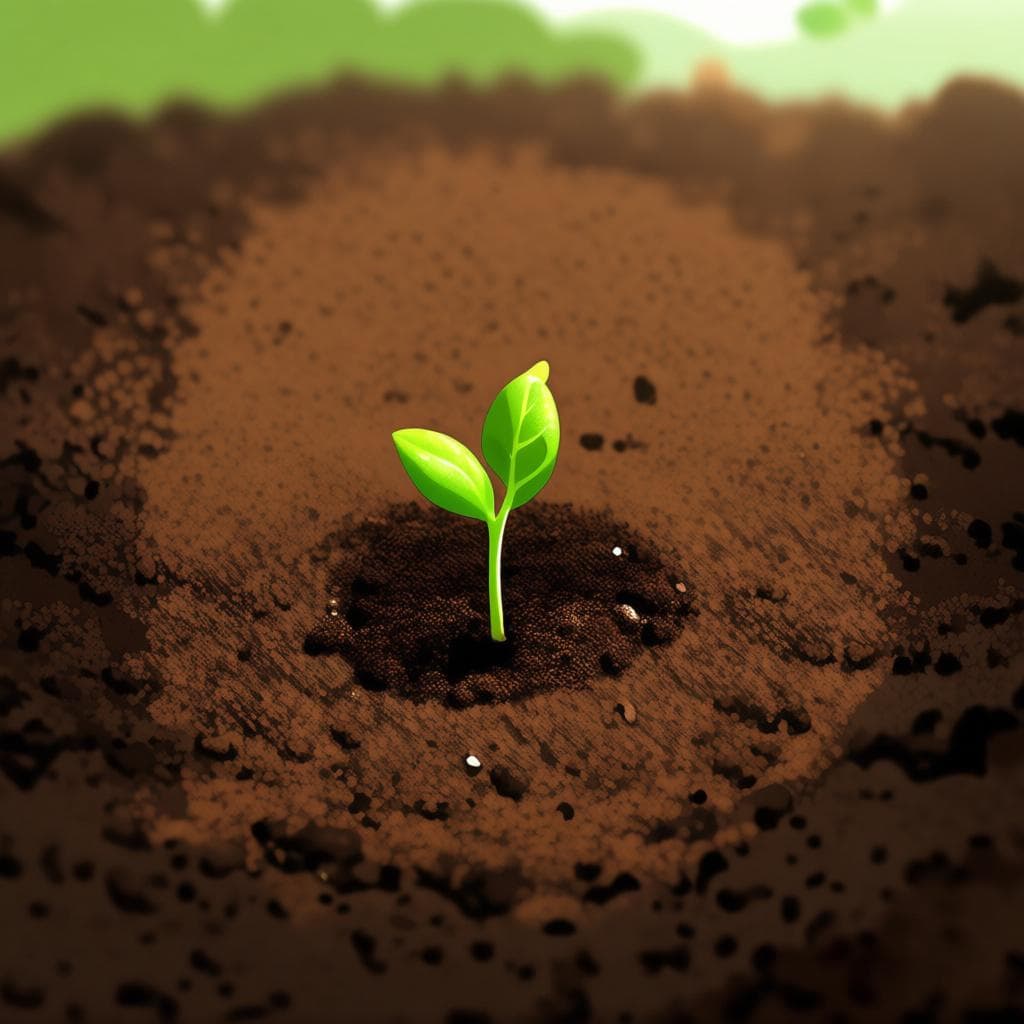
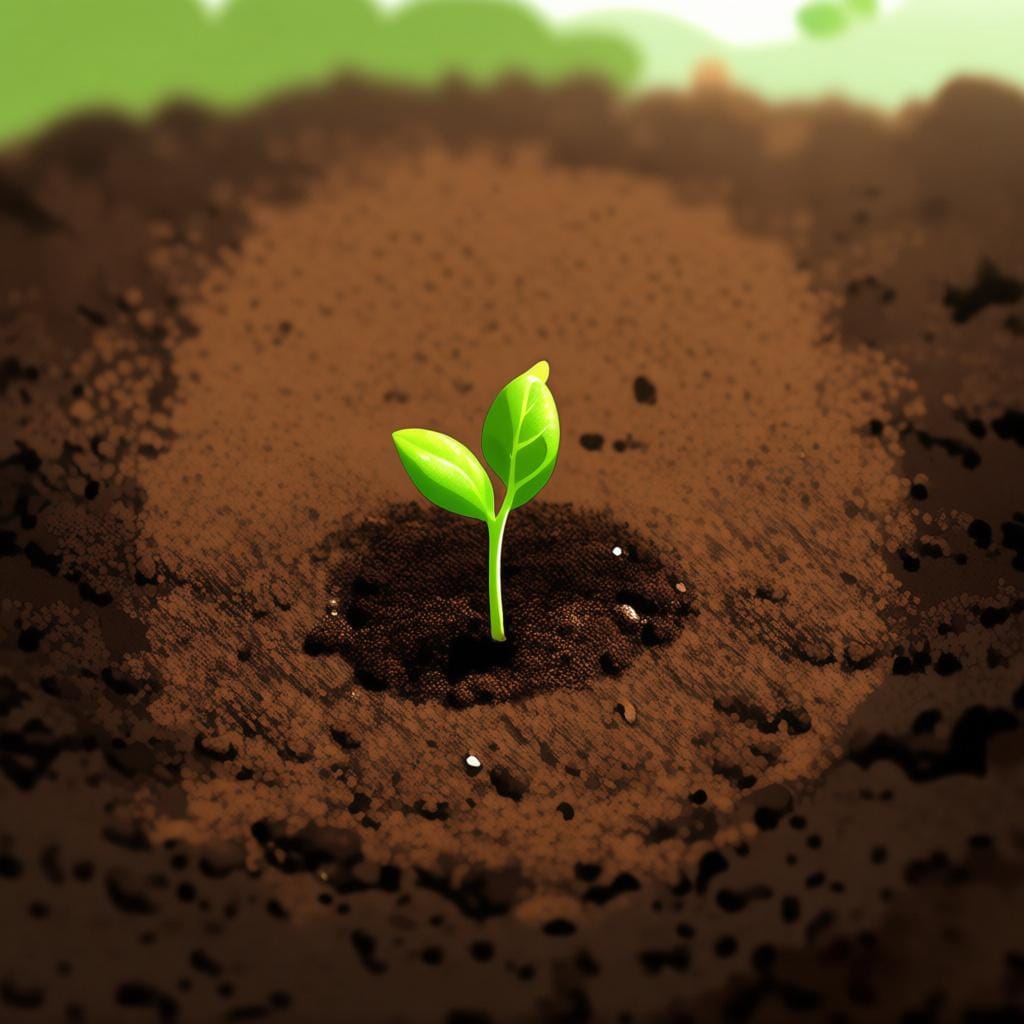
The most common Spanish word for “land” is “tierra” — use 'tierra' when referring to the soil or ground where plants grow, or more generally, an area of property or the land of one's country.
tierra
TYEH-rrahˈtjera
Examples
Las flores crecen en la tierra.
The flowers grow in the soil.
El niño se sentó en la tierra para jugar.
The child sat on the ground to play.
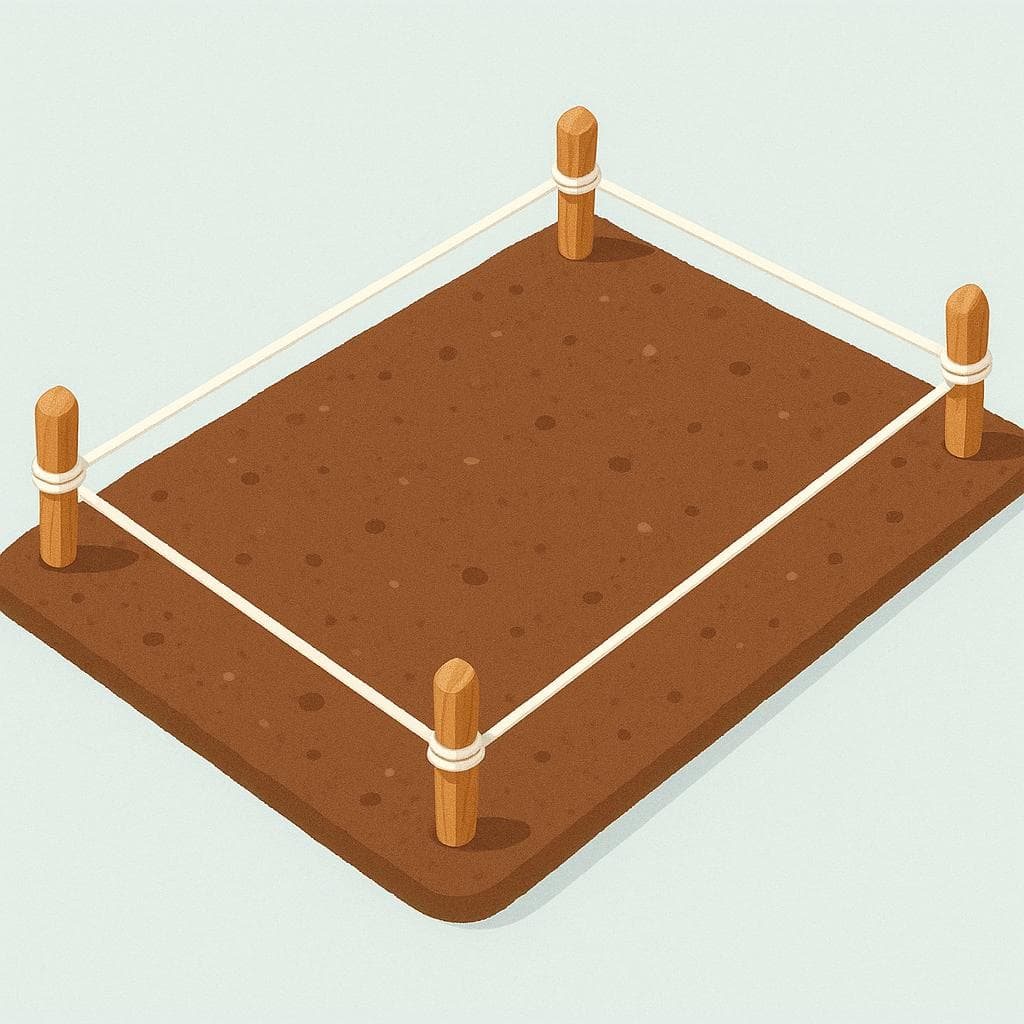
Compraron un gran pedazo de tierra para construir su casa.
They bought a large piece of land to build their house.
Using 'la'
Since 'tierra' is a feminine word (it ends in -a), you'll almost always see it with 'la' or 'una' before it, like 'la tierra' (the ground) or 'una tierra' (a land).
terreno
teh-RREH-nohteˈreno
Examples
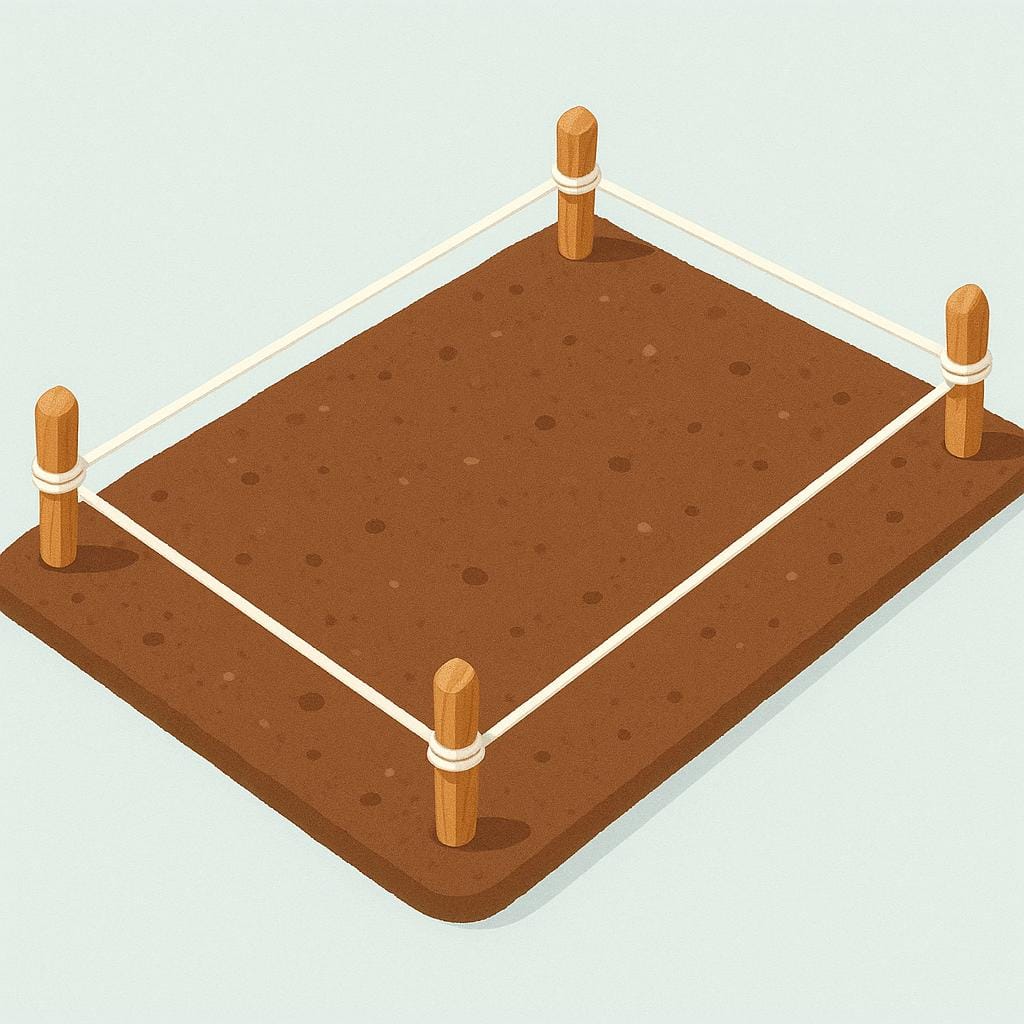
Compramos un terreno grande para construir la casa de mis sueños.
We bought a large plot of land to build my dream house.
El terreno en la montaña es muy rocoso y difícil de caminar.
The terrain in the mountain is very rocky and difficult to walk on.
Necesitamos nivelar el terreno antes de instalar la piscina.
We need to level the ground before installing the pool.
Gender Check
Remember that 'terreno' is masculine, so always use 'el terreno' or 'un terreno'.
Using 'tierra' for 'plot'
Mistake: “Quiero comprar una tierra.”
Correction: Quiero comprar un terreno. ('Tierra' is usually used for soil, the planet, or a general region.)
territorio
teh-ree-TOH-ryohte.riˈto.rjo
Examples
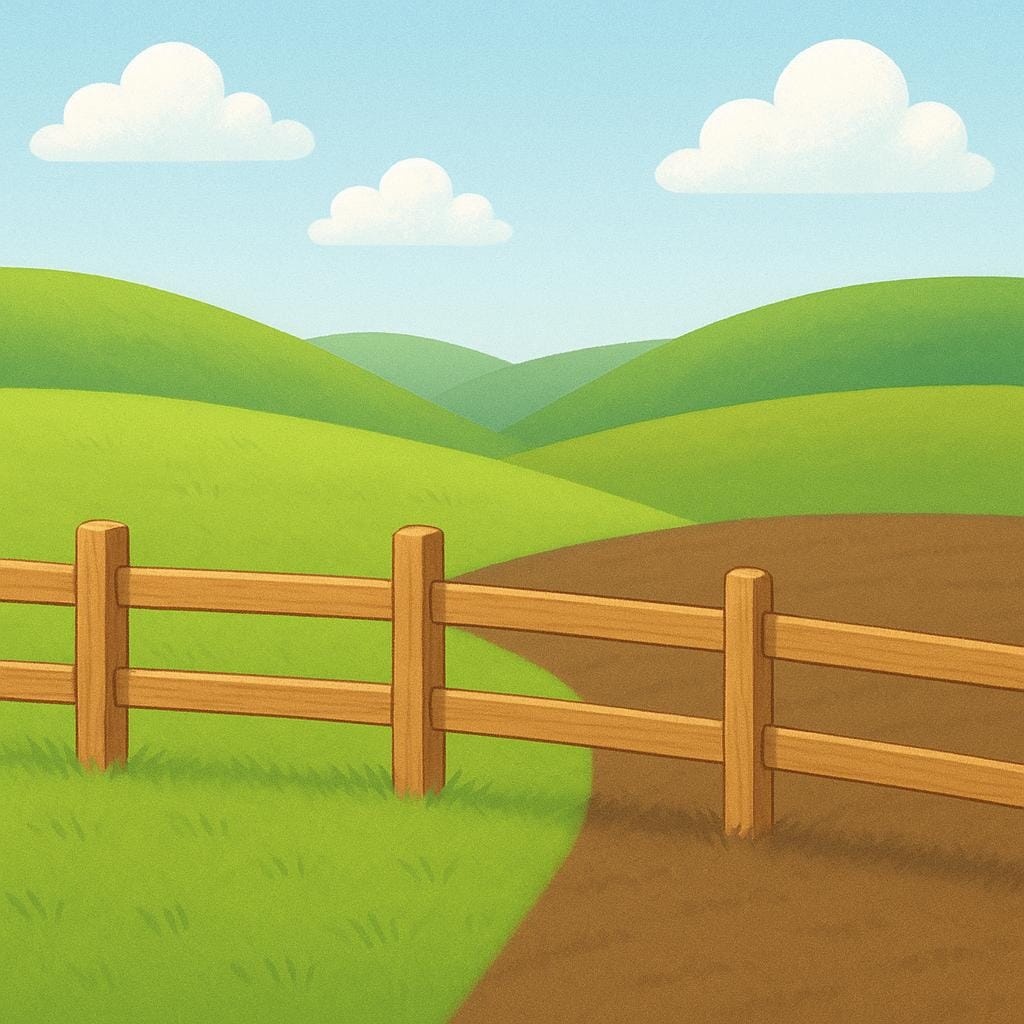
Este río marca la frontera natural del territorio nacional.
This river marks the natural border of the national territory.
Los leones defienden su territorio de otros animales.
Lions defend their territory from other animals.
El presidente visitó todos los territorios de la provincia.
The president visited all the areas (or territories) of the province.
Masculine Noun Rule
Even though many Spanish words ending in '-a' are feminine, words ending in '-o' like 'territorio' are almost always masculine, requiring 'el' or 'un' before them.
Using the Wrong Article
Mistake: “La territorio es grande.”
Correction: El territorio es grande. Remember to use the masculine article 'el'.
terrestre
te-RRES-treteˈrestre
Examples
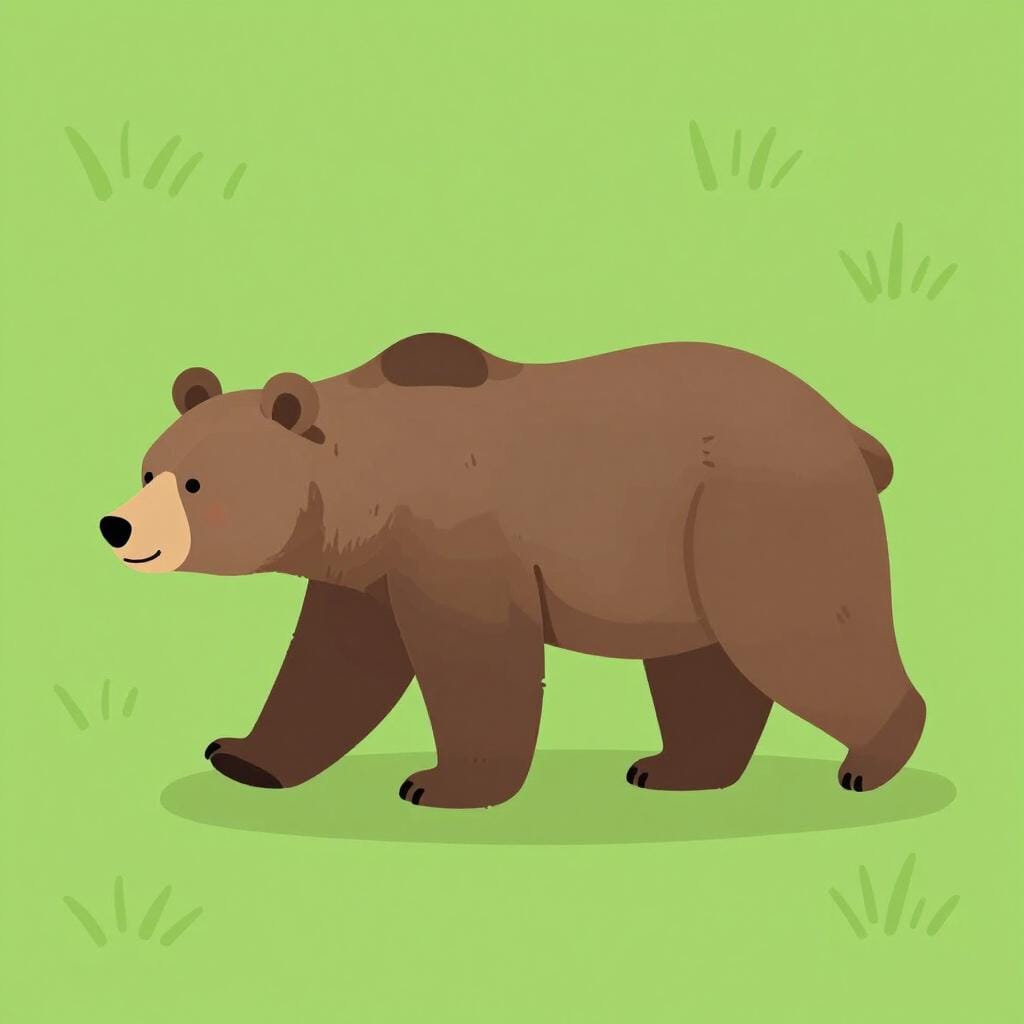
El elefante es el animal terrestre más grande.
The elephant is the largest land animal.
Prefiero el transporte terrestre porque me da miedo volar.
I prefer land transport because I am afraid of flying.
One Form for All
This word is 'gender neutral.' It stays exactly the same whether you are describing a masculine noun like 'el transporte' or a feminine noun like 'la planta.'
Avoid 'Terrestra'
Mistake: “La comunicación terrestra.”
Correction: La comunicación terrestre. Even though 'comunicación' is feminine, words ending in -re usually don't change to -a.
país
Examples
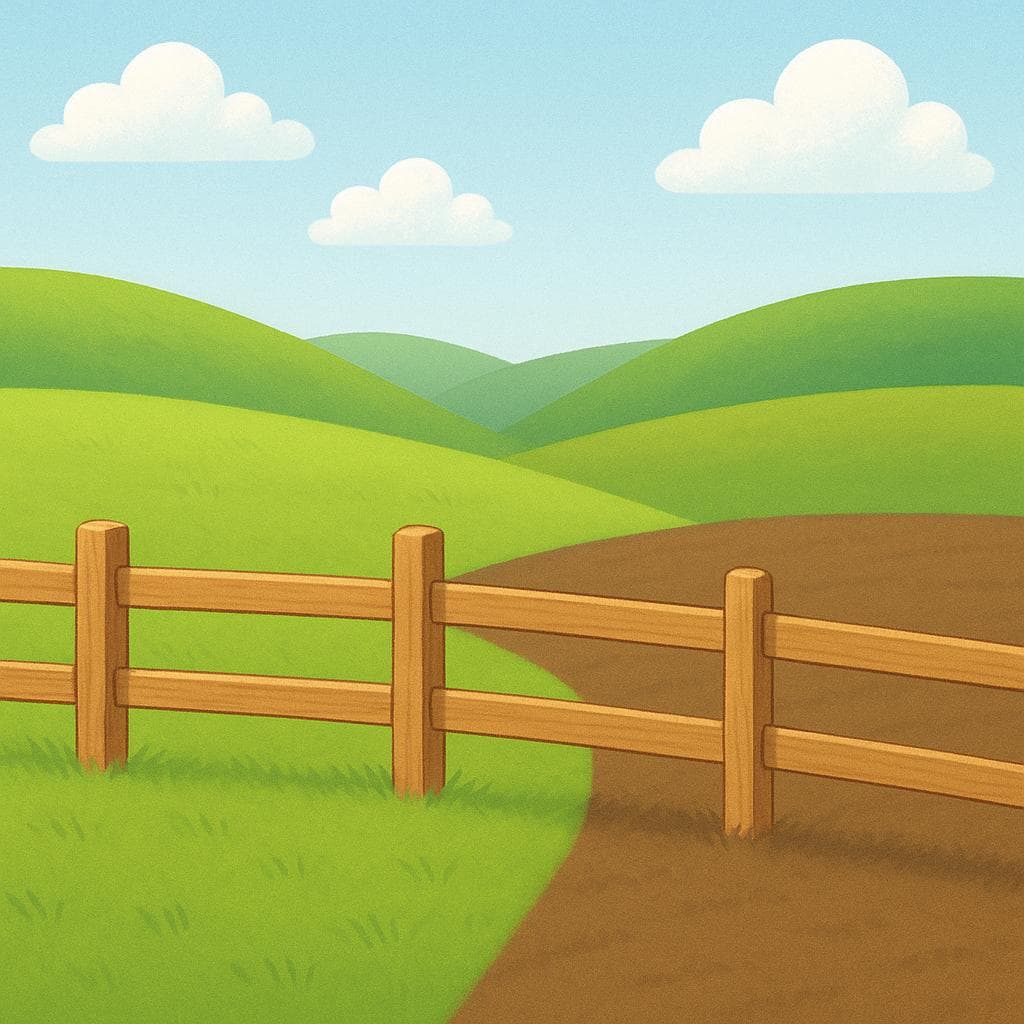
Atravesamos un país de montañas y valles.
We crossed a land of mountains and valleys.
Confusing 'Tierra' with 'Terreno'
Learn Spanish with Inklingo
Interactive stories, personalized learning, and more.