terreno
“terreno” means “land” in Spanish. It has 3 different meanings depending on context:
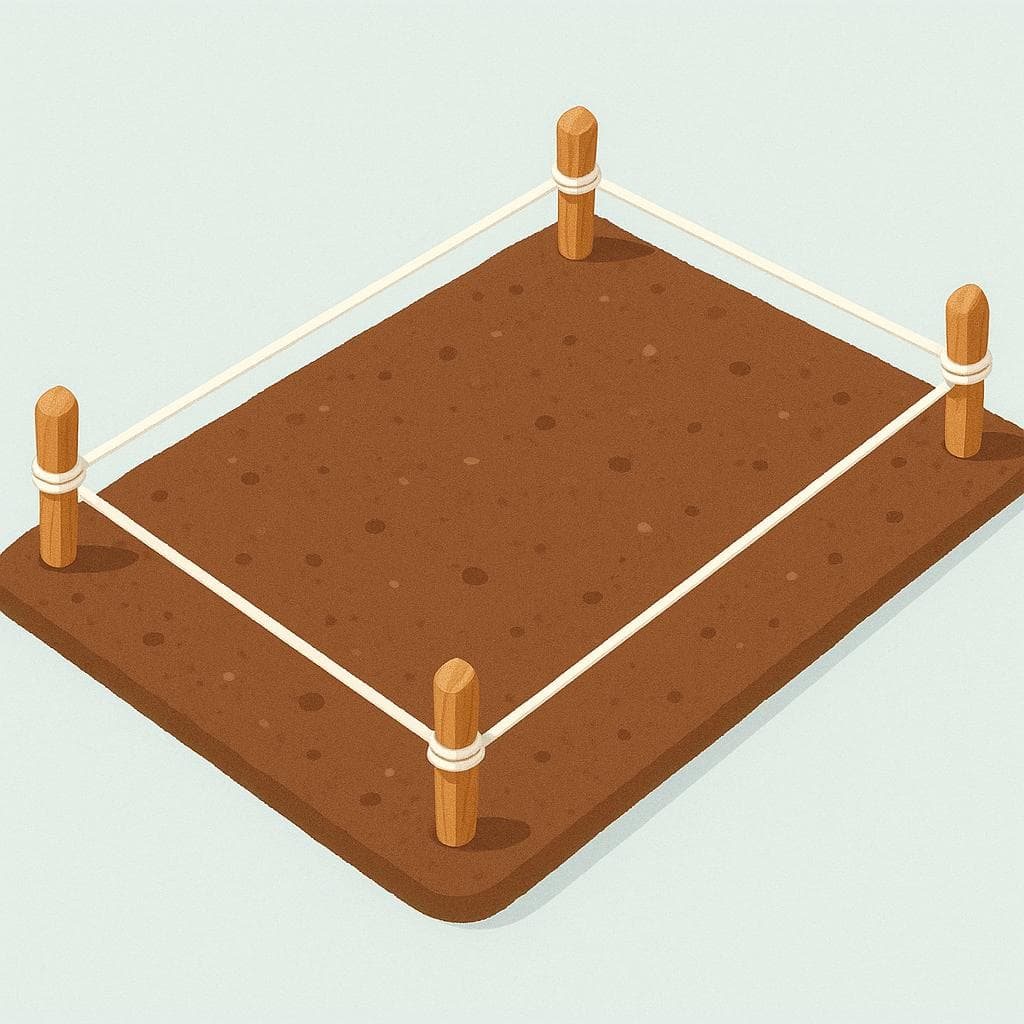


land, groundAlso: plot, terrain

📝 In Action
Compramos un terreno grande para construir la casa de mis sueños.
A1We bought a large plot of land to build my dream house.
El terreno en la montaña es muy rocoso y difícil de caminar.
A2The terrain in the mountain is very rocky and difficult to walk on.
Necesitamos nivelar el terreno antes de instalar la piscina.
B1We need to level the ground before installing the pool.
Word Connections
field, scopeAlso: domain

📝 In Action
No entremos en ese terreno; hablemos solo de negocios.
B2Let's not enter that area (of discussion); let's only talk about business.
La física cuántica es un terreno muy complejo para los principiantes.
C1Quantum physics is a very complex field for beginners.
Word Connections
terrestrialAlso: earthly

📝 In Action
La vida terreno es breve, dicen los filósofos.
B1Earthly life is brief, say the philosophers.
Los vehículos todo terreno están diseñados para caminos difíciles.
B2All-terrain vehicles are designed for difficult roads.
Word Connections
Translate to Spanish
✏️ Quick Practice
Quick Quiz: terreno
Question 1 of 2
Which sentence uses 'terreno' in its figurative sense of 'field of expertise'?
📚 More Resources
👥 Word Family
📚 Etymology
The word comes directly from the Latin word *terrenus*, which simply meant 'of the earth' or 'made of earth'. This links it clearly to 'tierra' (earth).
First recorded: 13th century
Cognates (Related words)
💡 Master Spanish
Take your Spanish to the next level. Read 200+ illustrated and narrated Spanish stories tailored to your level with the Inklingo app!
Frequently Asked Questions
What is the difference between 'terreno' and 'tierra'?
'Terreno' is usually a piece of land with boundaries, like a building lot or a specific field. 'Tierra' is much broader; it can mean soil/dirt, the planet Earth, or a general region/country.
How do I use 'terreno' as an adjective?
It is most often seen in the fixed phrase 'todo terreno' (all-terrain, meaning capable of handling any ground). Otherwise, it describes something related to the physical world, often in contrast to the spiritual or celestial.