How to Say "floor" in Spanish
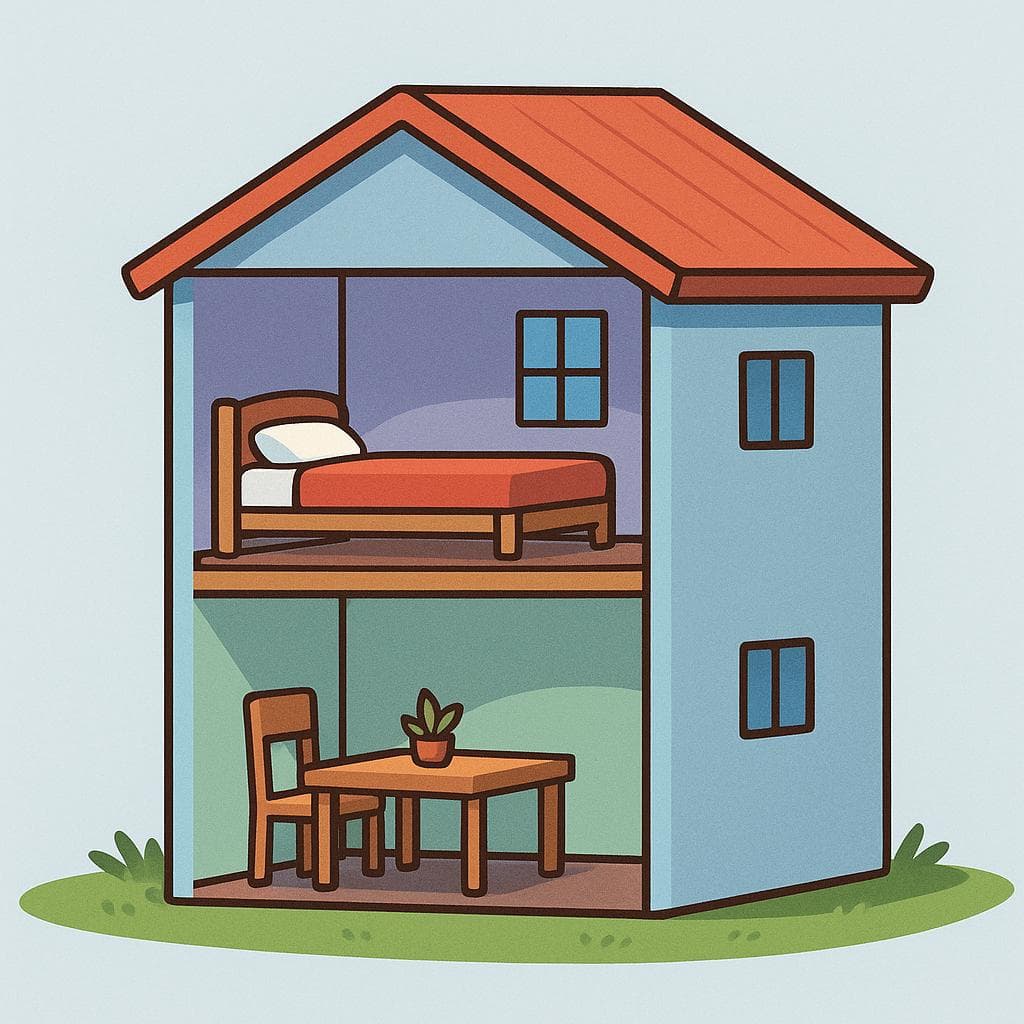
The most common Spanish word for “floor” is “piso” — use 'piso' for the surface of a room you walk on, or for a specific level or story within a building.


piso
pee-soˈpiso

Examples
El apartamento está en el tercer piso.
The apartment is on the third floor.
Ten cuidado, el piso está mojado.
Be careful, the floor is wet.
El niño dejó caer sus juguetes en el piso.
The child dropped his toys on the floor.
La oficina del jefe está en el quinto piso.
The boss's office is on the fifth floor.
Ordinal Numbers
To say which floor, you often use numbers that show order, like 'primero' (first), 'segundo' (second), 'tercero' (third), etc.
First Floor Confusion
Mistake: “Assuming 'primer piso' is the ground floor.”
Correction: In Spain and many other places, the ground floor is 'la planta baja'. 'El primer piso' is the floor *above* the ground floor (like the 'first floor' in British English or the 'second floor' in American English).
suelo
SWEH-lohˈswelo

Examples
Se me cayeron las llaves al suelo.
I dropped my keys on the floor.
El gato está durmiendo en el suelo.
The cat is sleeping on the floor.
Ten cuidado, el suelo está mojado por la lluvia.
Be careful, the ground is wet from the rain.
Este tipo de suelo es perfecto para cultivar tomates.
This type of soil is perfect for growing tomatoes.
Suelo vs. Piso
Suelo is the surface you walk on (floor, ground). Piso can also mean 'floor', but it's also used for an apartment or a level/story of a building. 'Vivo en el tercer piso' (I live on the third floor).
planta
PLAN-tahˈplan.ta
Examples
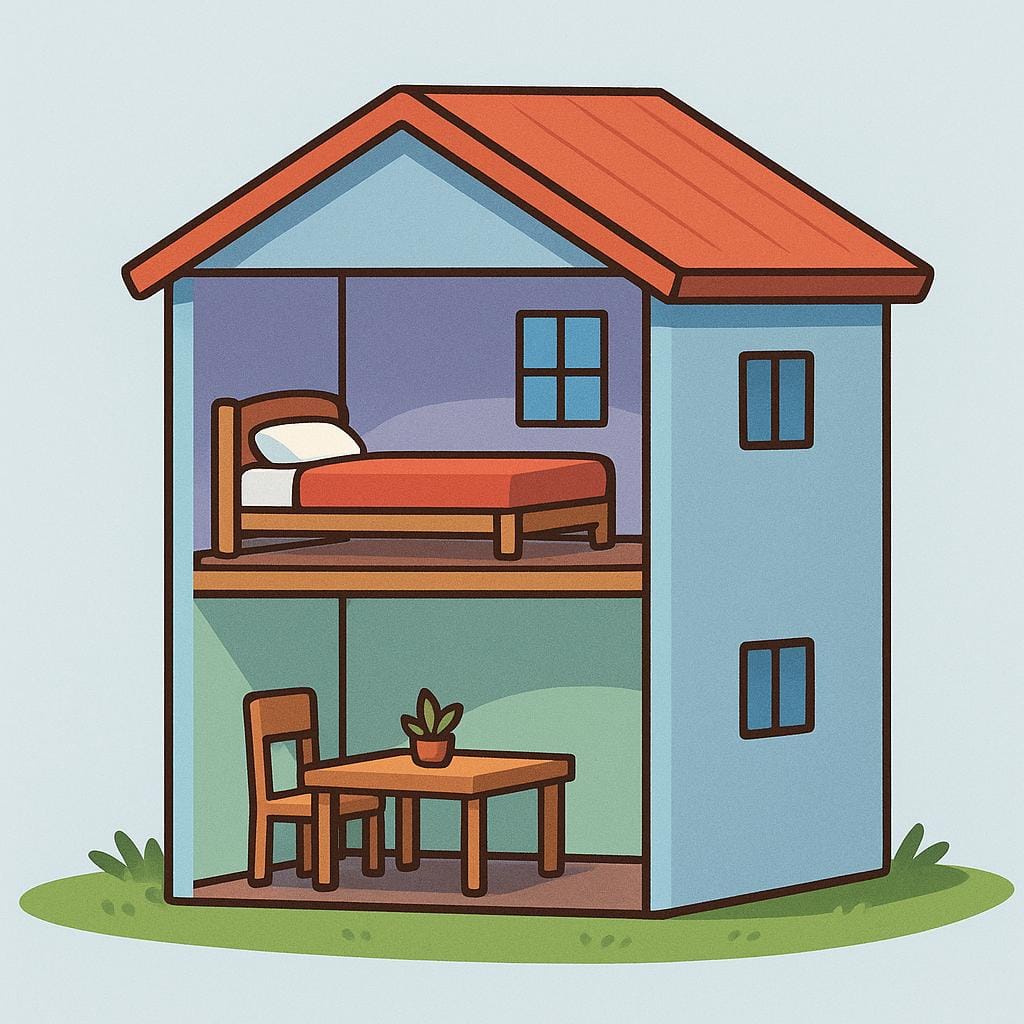
La biblioteca ocupa toda la planta baja.
The library occupies the entire ground floor.
La sala de conferencias está en la quinta planta.
The conference room is on the fifth floor.
Vamos a subir a la planta de arriba por las escaleras.
We are going up to the floor above using the stairs.
Counting Floors
In Spain and many parts of Latin America, 'planta baja' is the ground level. The floor immediately above that is the 'primera planta' (first floor).
Confusing 'Planta' and 'Piso'
Mistake: “Using 'piso' to mean the story of a building when 'planta' is more common in that context, especially in Spain.”
Correction: While 'piso' works, 'planta' specifically refers to the level. 'Piso' often means the apartment itself.
lecho
LE-choˈletʃo
Examples
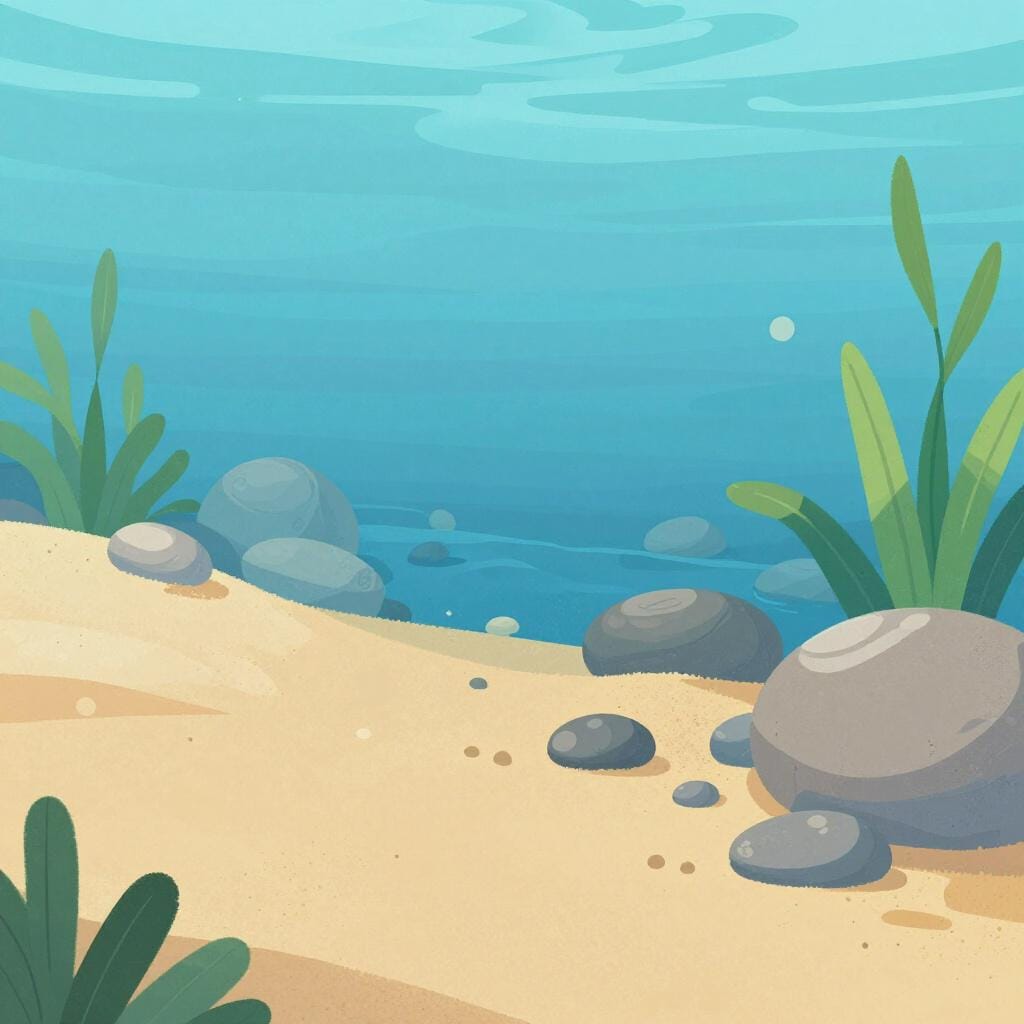
El buzo exploró el lecho del mar.
The diver explored the seabed.
El lecho del río estaba cubierto de piedras lisas.
The riverbed was covered with smooth stones.
Muchos tesoros se esconden en el lecho marino.
Many treasures are hidden on the seabed.
Piso vs. Suelo
Learn Spanish with Inklingo
Interactive stories, personalized learning, and more.