How to Say "story" in Spanish
The most common Spanish word for “story” is “historia” — use 'historia' for a general narrative or tale, whether it's a true account, a fictional story, or even a lie.



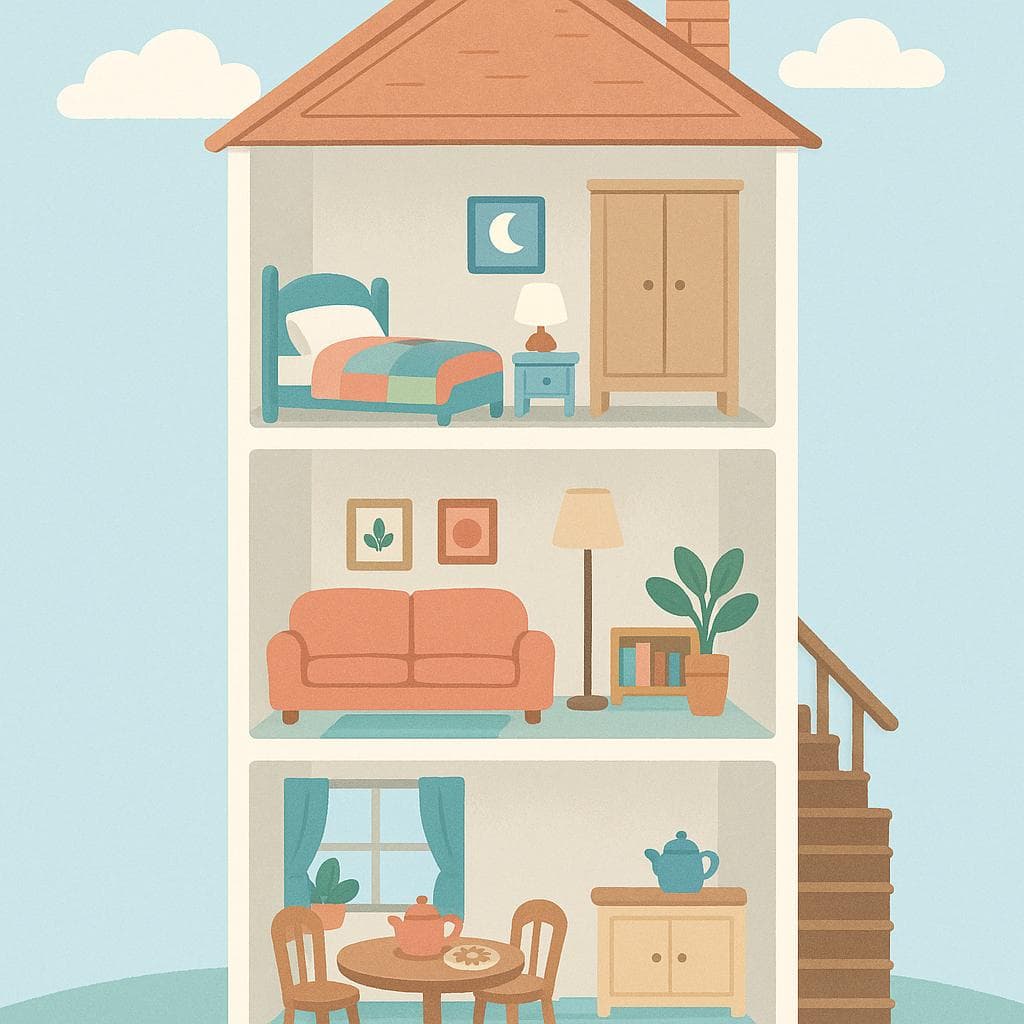
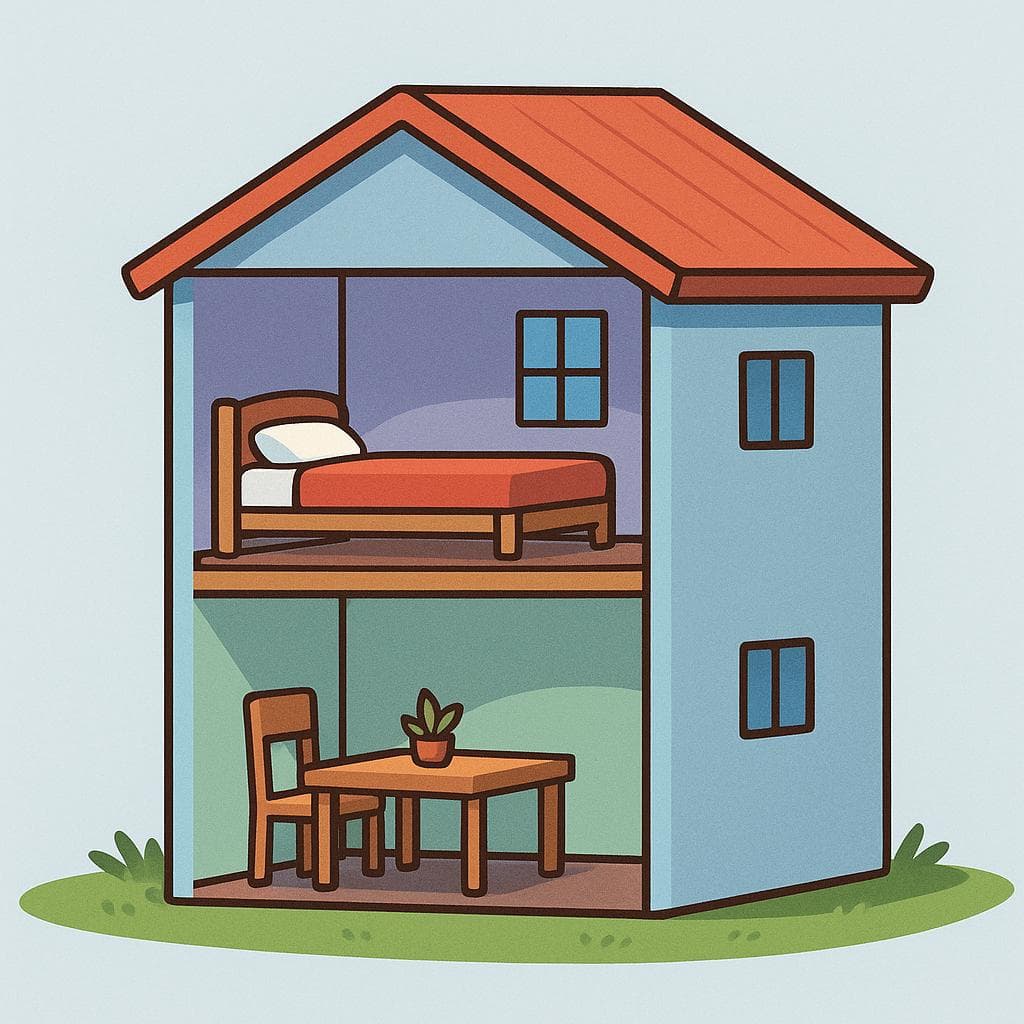
historia
is-TO-ryaisˈto.ɾja

Examples
Me encanta leer una buena historia antes de dormir.
I love reading a good story before sleeping.
¿Me cuentas una historia para dormir?
Can you tell me a story to go to sleep?
La película cuenta la historia de un amor imposible.
The movie tells the story of an impossible love.
¡Qué buena historia! ¿Es de verdad?
What a great story! Is it true?
'Historia' vs. 'Cuento'
Mistake: “Using 'cuento' for a true story or 'historia' for a fairy tale.”
Correction: 'Historia' can be a true story (like your life story) or a fictional one. 'Cuento' almost always means a fictional story, like a fairy tale ('cuento de hadas') or a short story.
cuento
KWEN-tohˈkwen̪.t̪o

Examples
Mamá, ¿me lees un cuento?
Mom, will you read me a story?
¿Leemos un cuento antes de acostarnos?
Shall we read a story before going to bed?
Mi abuela siempre me contaba cuentos de hadas.
My grandmother always used to tell me fairy tales.
Este escritor es famoso por sus cuentos cortos.
This writer is famous for his short stories.
Masculine Noun
Even though 'historia' (story) is feminine, 'cuento' is always a masculine noun. Use 'el cuento' or 'un cuento'.
relato
re-LAH-tohreˈlato

Examples
Escribí un relato corto sobre mi viaje a México.
I wrote a short story about my trip to Mexico.
Escribí un relato sobre mis vacaciones.
I wrote a story about my vacation.
El testigo dio un relato detallado del accidente.
The witness gave a detailed account of the accident.
Me encantan los relatos de misterio.
I love mystery stories.
Gender of 'Relato'
This word is masculine, so you always use 'el' or 'un' with it. For example, 'el relato' (the story).
'Relato' vs. 'Historia'
While both can mean 'story,' a 'relato' is usually a shorter, more specific piece of writing or a specific person's version of an event.
Using 'Relato' for Business Reports
Mistake: “Hice un relato para mi jefe.”
Correction: Hice un informe para mi jefe.
anécdota
Examples
Mi abuela me contó una anécdota divertida de su infancia.
My grandmother told me a funny anecdote from her childhood.
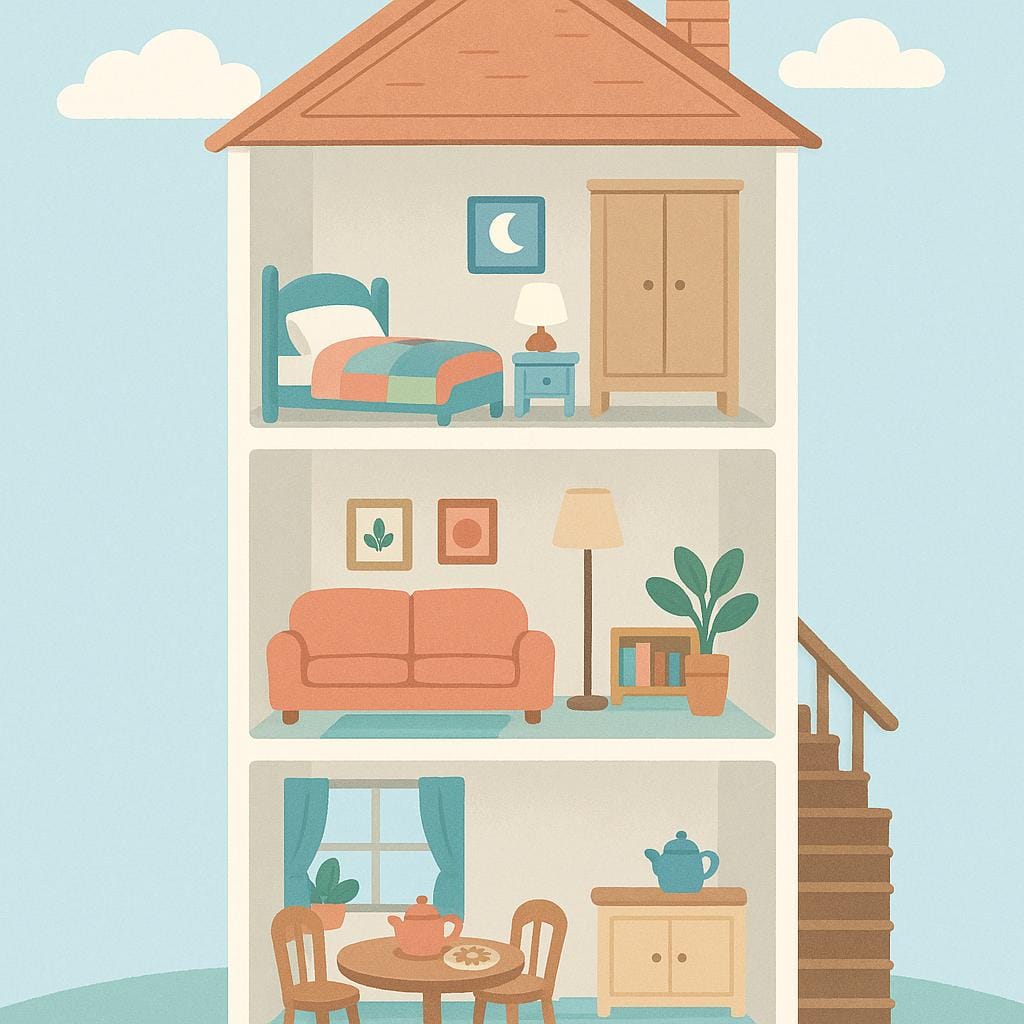
piso
pee-soˈpiso
Examples
Vivo en el tercer piso de este edificio.
I live on the third floor of this building.
La oficina del jefe está en el quinto piso.
The boss's office is on the fifth floor.
Vivimos en un edificio de diez pisos.
We live in a ten-story building.
Ordinal Numbers
To say which floor, you often use numbers that show order, like 'primero' (first), 'segundo' (second), 'tercero' (third), etc.
First Floor Confusion
Mistake: “Assuming 'primer piso' is the ground floor.”
Correction: In Spain and many other places, the ground floor is 'la planta baja'. 'El primer piso' is the floor *above* the ground floor (like the 'first floor' in British English or the 'second floor' in American English).
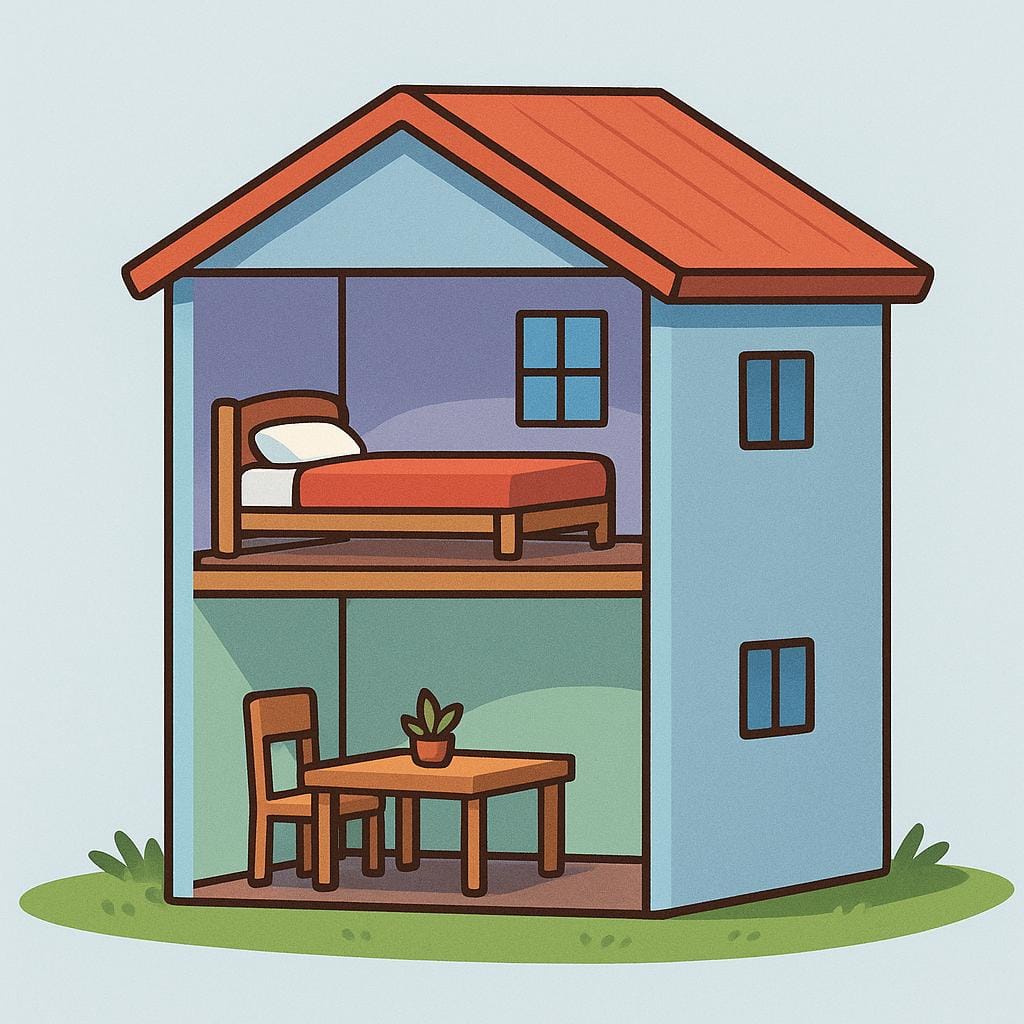
planta
PLAN-tahˈplan.ta
Examples
La biblioteca está en la primera planta.
The library is on the first floor.
La sala de conferencias está en la quinta planta.
The conference room is on the fifth floor.
Vamos a subir a la planta de arriba por las escaleras.
We are going up to the floor above using the stairs.
Counting Floors
In Spain and many parts of Latin America, 'planta baja' is the ground level. The floor immediately above that is the 'primera planta' (first floor).
Confusing 'Planta' and 'Piso'
Mistake: “Using 'piso' to mean the story of a building when 'planta' is more common in that context, especially in Spain.”
Correction: While 'piso' works, 'planta' specifically refers to the level. 'Piso' often means the apartment itself.
invención
Examples
Lo que dijo sobre el incidente fue una completa invención.
What he said about the incident was a complete fabrication.
Narrative vs. Floor vs. Fabrication
Related Translations
Learn Spanish with Inklingo
Interactive stories, personalized learning, and more.