historia
“historia” means “history” in Spanish. It has 3 different meanings depending on context:
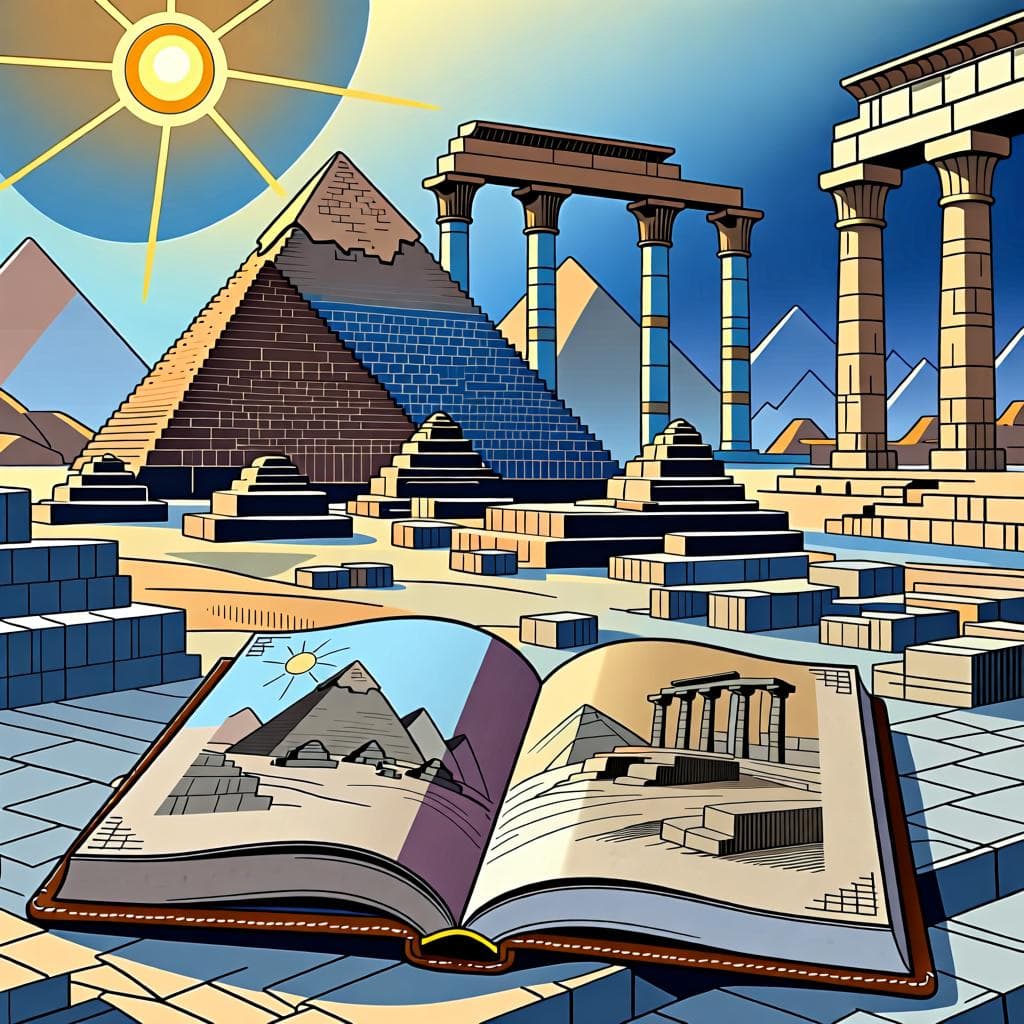
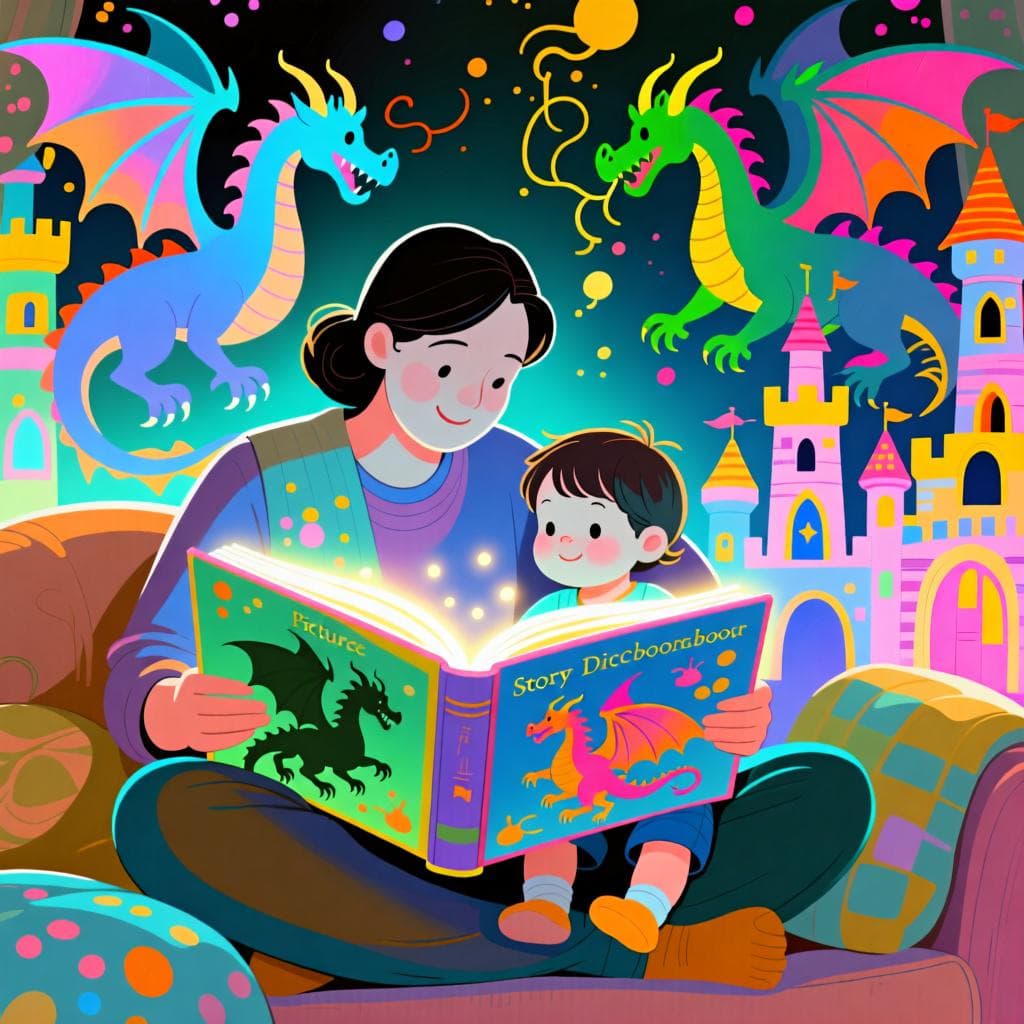
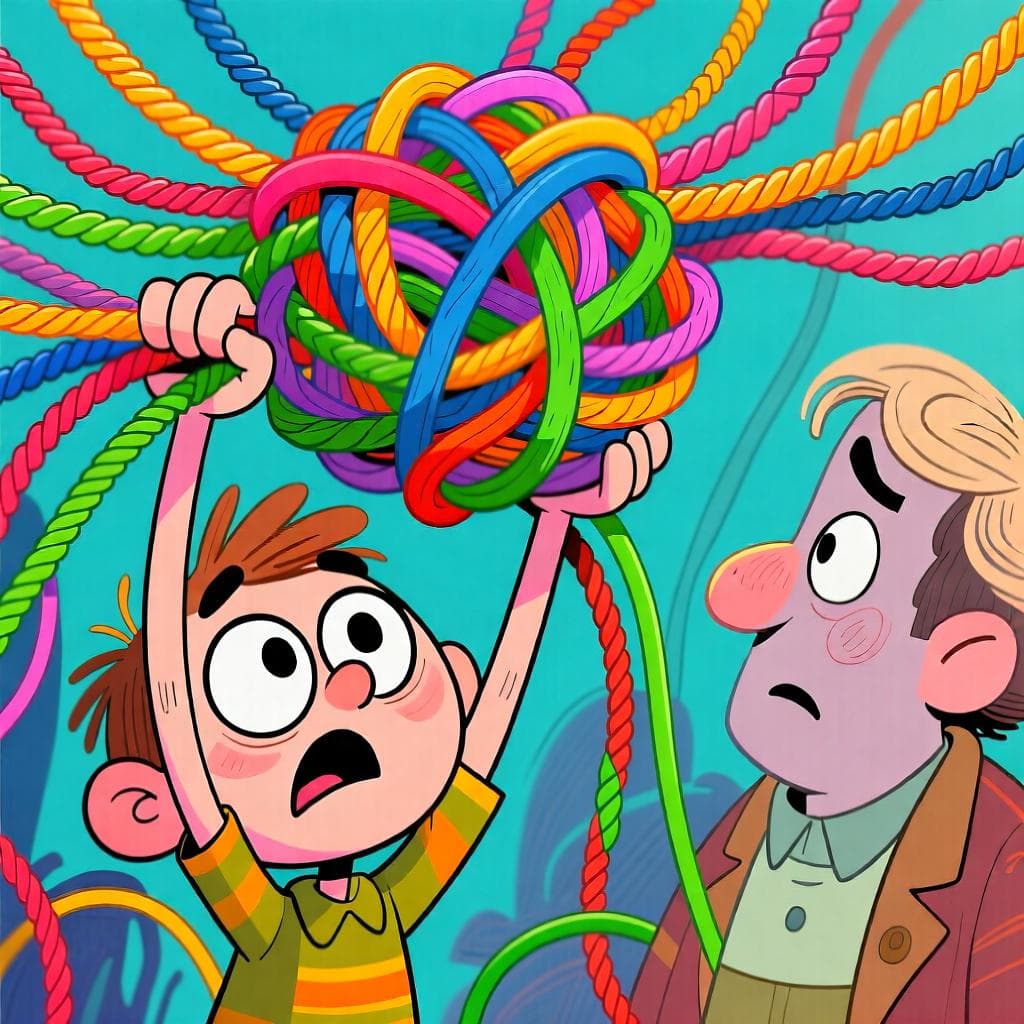
history
📝 In Action
La historia de Roma es fascinante.
A2The history of Rome is fascinating.
Mi materia favorita en la escuela es historia.
A1My favorite subject in school is history.
Word Connections
storyAlso: tale
📝 In Action
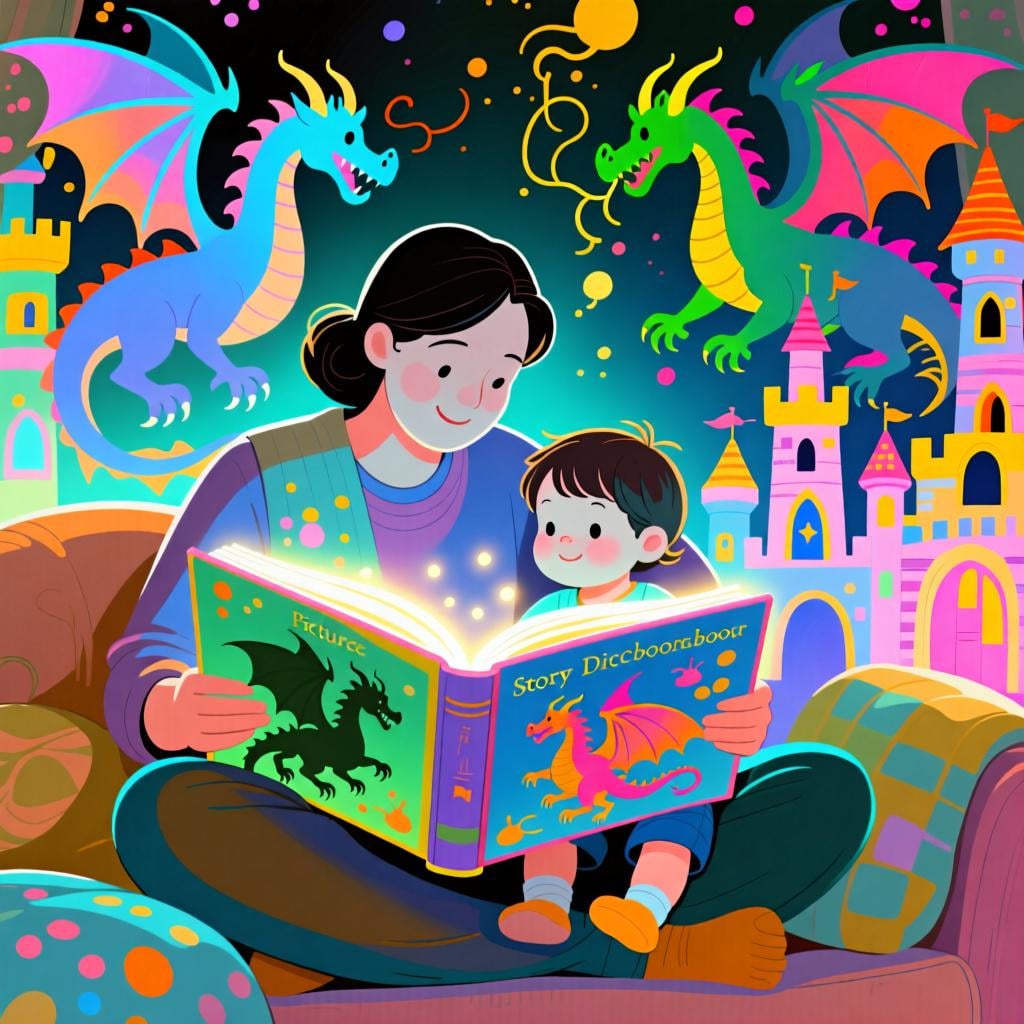
¿Me cuentas una historia para dormir?
A2Can you tell me a story to go to sleep?
La película cuenta la historia de un amor imposible.
B1The movie tells the story of an impossible love.
¡Qué buena historia! ¿Es de verdad?
A2What a great story! Is it true?
Word Connections
storyAlso: excuse, fuss
📝 In Action
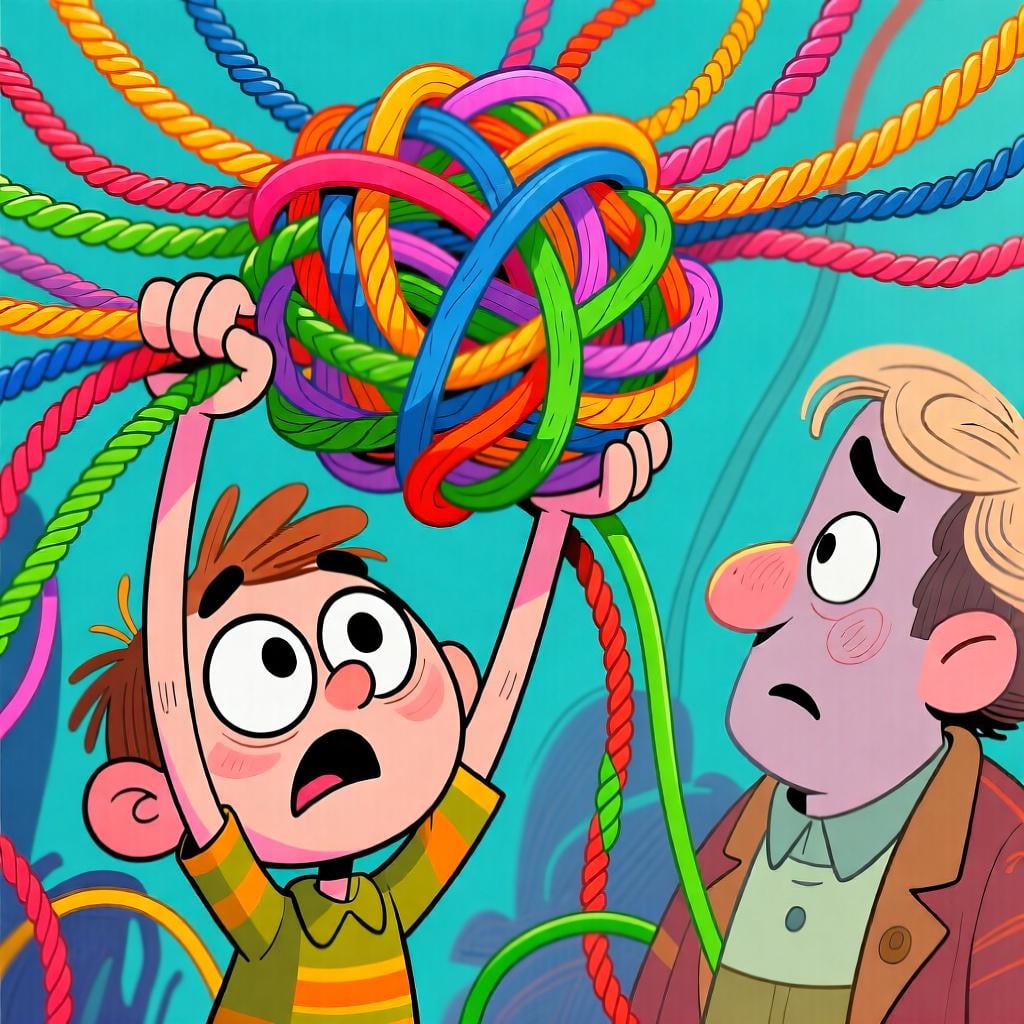
No me vengas con historias, sé que no hiciste la tarea.
B2Don't give me that story, I know you didn't do the homework.
Siempre que llega tarde, tiene una historia nueva.
B1Whenever he's late, he has a new story (excuse).
¡Déjate de historias y ayúdame!
C1Stop messing around and help me!
Word Connections
✏️ Quick Practice
Quick Quiz: historia
Question 1 of 1
Which sentence uses 'historia' to mean an excuse or a fib?
📚 More Resources
👥 Word Family
📚 Etymology
Comes from the Latin word 'historia', which was borrowed from the Greek 'ἱστορία' (historía). The Greek word originally meant 'inquiry' or 'knowledge gained by investigation,' which is what historians do!
First recorded: Around the 13th century
Cognates (Related words)
💡 Master Spanish
Take your Spanish to the next level. Read 200+ illustrated and narrated Spanish stories tailored to your level with the Inklingo app!
Frequently Asked Questions
What's the difference between 'historia' and 'cuento'?
Great question! 'Historia' is a very broad word. It can be about real events (like 'the history of Spain') or a personal story that is true or made up. 'Cuento' is almost always a fictional story, like a fairy tale ('cuento de hadas') or a short story you'd read in a book. Think of 'cuento' as a type of 'historia'.
Why is 'historia' feminine?
Most Spanish nouns that end in '-a' are feminine. 'Historia' follows this very common pattern, which makes it a bit easier to remember to use 'la historia' or 'una historia'.