How to Say "excuse" in Spanish
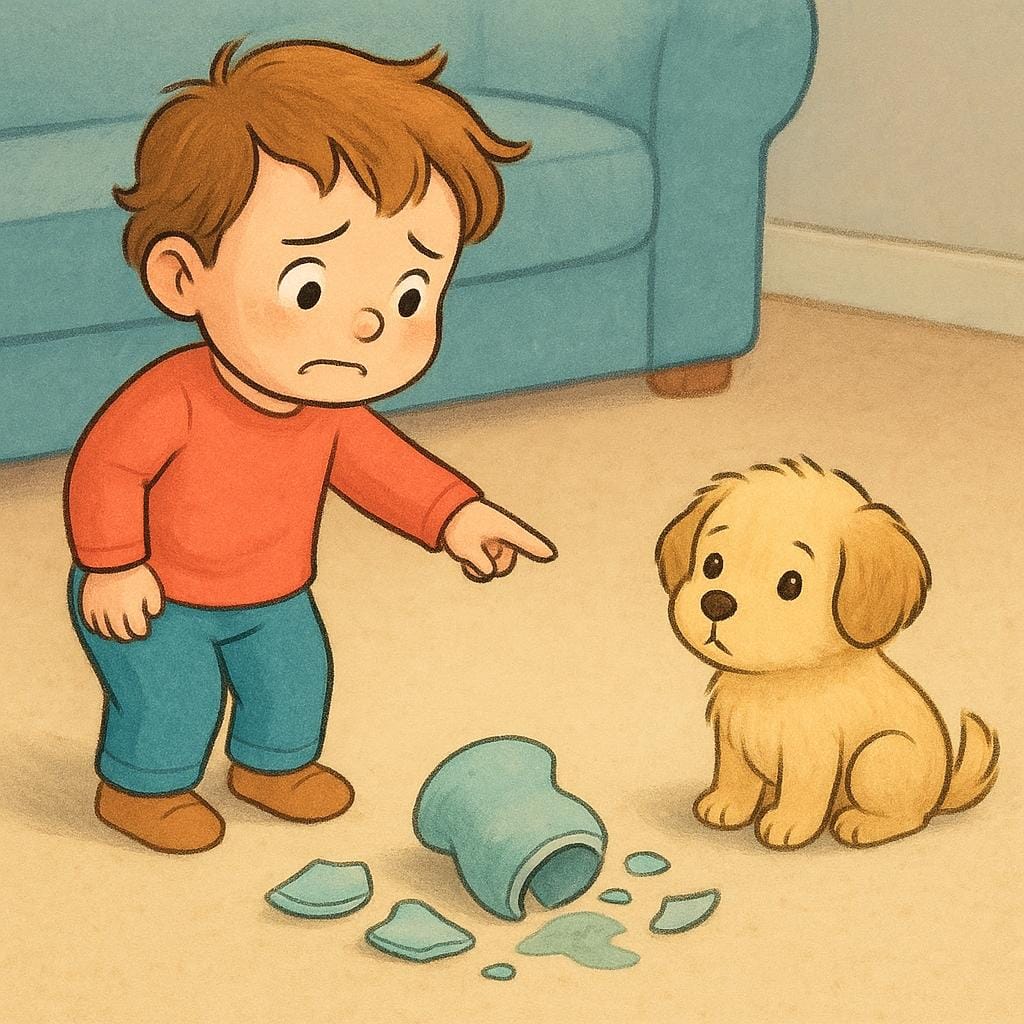
The most common Spanish word for “excuse” is “excusa” — use this for a simple reason given for a fault or failure to do something.
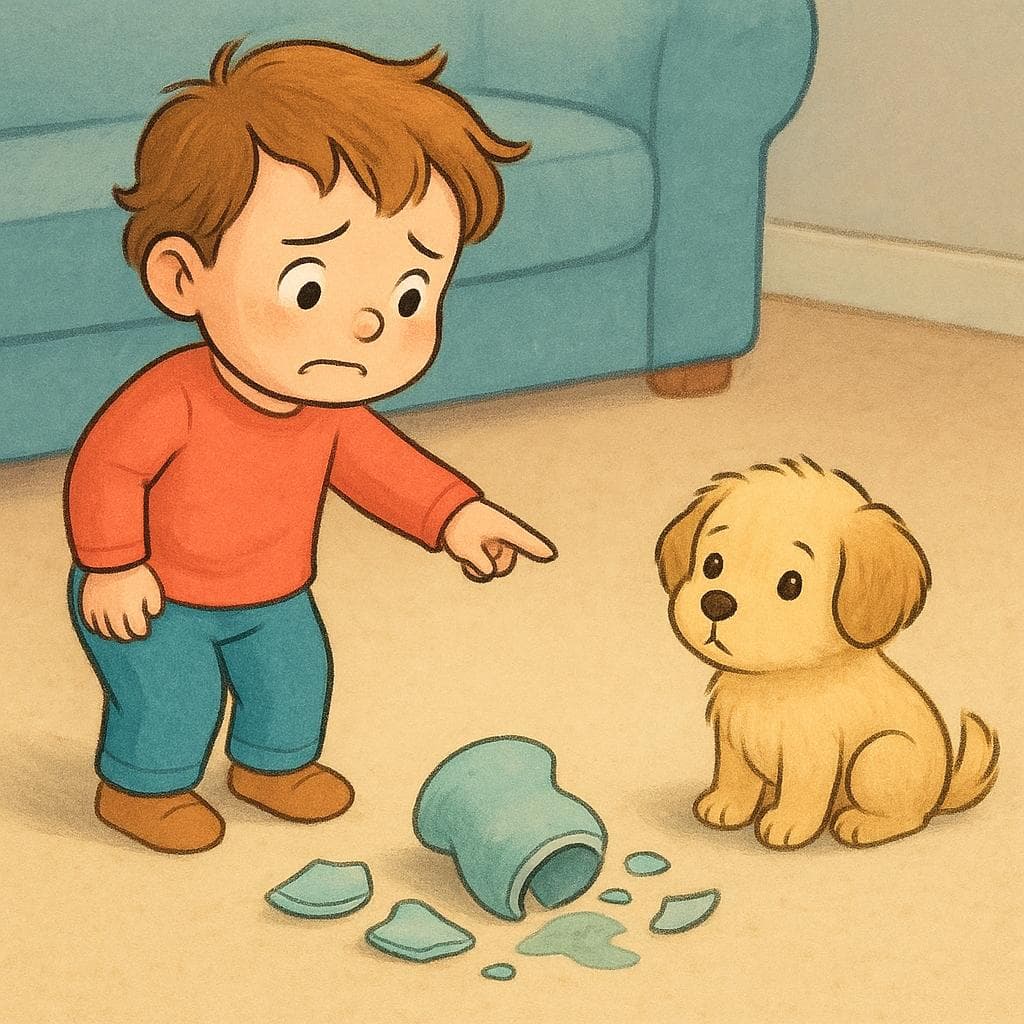





excusa
eks-KOO-sahekˈsusa
Examples
Su excusa para no venir fue que su perro estaba enfermo.
His excuse for not coming was that his dog was sick.
No tengo ninguna buena excusa para mi error.
I don't have any good excuse for my mistake.
Usó el tráfico como excusa para llegar tarde a la reunión.
He used the traffic as a pretext for arriving late to the meeting.
Gender Check
Remember that 'excusa' is always a feminine word, so you must use 'la' or 'una' with it: 'una excusa ridícula'.
disculpa
dis-KOOL-pahdis'kulpa

Examples
Te debo una disculpa por mi comportamiento de ayer.
I owe you an apology for my behavior yesterday.
El director aceptó mis disculpas.
The director accepted my apologies.
Su única disculpa fue que tenía mucho trabajo.
His only excuse was that he had a lot of work.
How to Say 'To Apologize'
In Spanish, you don't 'give' an apology, you 'ask for' one. The most common way to say 'I apologize' is 'pido disculpas'. Think of it as asking the other person to forgive you.
Mixing up 'apology' and 'excuse'
Mistake: “Although 'disculpa' can mean 'excuse', it's more about a reason for a mistake. If you mean a flimsy excuse, 'pretexto' is often a better word.”
Correction: Use 'disculpa' for a sincere reason ('Mi disculpa es que el tren llegó tarde') and 'pretexto' for a weak excuse ('Puso el pretexto de que le dolía la cabeza').
perdonen
pehr-DOH-nenpeɾˈdonen
Examples
Perdonen, ¿saben dónde está la estación?
Excuse me (everyone), do you know where the station is?
Perdonen la tardanza, había mucho tráfico.
Forgive the lateness (everyone), there was a lot of traffic.
Espero que me perdonen por lo que dije.
I hope they (or you all) forgive me for what I said.
Addressing a Group
Use 'perdonen' when you are speaking to two or more people. If you are only talking to one friend, use 'perdona' instead.
Two Roles for One Word
This form works as both a command ('Everyone, excuse me!') and in sentences about feelings ('I hope they forgive me').
Don't Mix Up 'Perdonan' and 'Perdonen'
Mistake: “Using 'perdonan' to ask for an excuse.”
Correction: Use 'perdonen'. 'Perdonan' (with an 'a') simply describes a fact, like 'They forgive easily.' 'Perdonen' (with an 'e') is the form used for requests and wishes.
disculpe
dis-COOL-pehdis'kulpe
Examples
Por favor, disculpe mi ignorancia sobre el tema.
Please, excuse my ignorance on the subject.
Espero que me disculpe por la respuesta tardía.
I hope you'll forgive me for the late reply.
Le pido que disculpe a mi hijo por su comportamiento.
I ask that you excuse my son for his behavior.
A Command Form
'Disculpe' is the command form of 'disculpar' for 'usted' (the formal 'you'). It's a direct but polite way to ask someone to excuse something.
A Special Form for Wishes and Doubts
'Disculpe' is also a special verb form (called the present subjunctive) used after phrases that express wishes, doubts, or emotions, like 'Espero que...' (I hope that...) or 'No creo que...' (I don't think that...).
coartada
ko-ar-TAH-dahko.aɾˈtaða

Examples
El detective verificó la coartada del sospechoso.
The detective verified the suspect's alibi.
Necesitas una coartada sólida si quieres convencer al jefe.
You need a solid excuse if you want to convince the boss.
Su coartada era que estaba durmiendo en casa de su abuela.
His alibi was that he was sleeping at his grandmother's house.
Always Feminine
Even though it ends in '-a', remember that 'coartada' is a feminine noun, so you always use 'la' or 'una' before it (e.g., 'la coartada').
Confusing 'Alibi' and 'Excuse'
Mistake: “Using 'coartada' only for minor excuses, when it often implies a formal defense (being literally elsewhere).”
Correction: Use 'excusa' for a simple reason why you are late. Reserve 'coartada' for a more formal, often fabricated, justification or a true alibi in a serious situation.
justificación
Examples
No hay ninguna justificación para llegar tan tarde.
There is no justification for arriving so late.
pretexto
preh-TEKS-tohpɾeˈteksto

Examples
Siempre busca un pretexto para no ir al gimnasio.
He always looks for an excuse not to go to the gym.
Usó el tráfico como pretexto por llegar tarde.
He used the traffic as a pretext for arriving late.
No me vengas con pretextos; sé que no querías venir.
Don't come to me with excuses; I know you didn't want to come.
Using 'para' vs 'de' with pretexto
To say 'an excuse to [do something]', use 'pretexto PARA' + verb in its base form. To say 'under the pretext OF', use 'bajo el pretexto DE'.
Gender memory aid
Words ending in -o are almost always masculine. 'El pretexto' follows this rule, so use 'un' or 'el' before it.
False Friend: Texting
Mistake: “Thinking 'pretexto' refers to a text message.”
Correction: Use 'mensaje de texto' or 'texto' for messages. 'Pretexto' is only used for excuses.
Using the wrong verb
Mistake: “Saying 'hacer un pretexto' to mean making an excuse.”
Correction: In Spanish, we usually 'look for' (buscar) or 'put' (poner) a pretexto rather than 'making' one.
cuento
KWEN-tohˈkwen̪.t̪o

Examples
¡Ese es un cuento muy viejo! No te creo nada.
That's a very old excuse! I don't believe anything you say.
Siempre viene con el mismo cuento de que el tráfico fue terrible.
He always comes up with the same story/excuse about the traffic being terrible.
No me vengas con cuentos, sé la verdad.
Don't give me any of your nonsense; I know the truth.
historia
is-TO-ryaisˈto.ɾja
Examples
No me vengas con historias, sé que no hiciste la tarea.
Don't give me that story, I know you didn't do the homework.
Siempre que llega tarde, tiene una historia nueva.
Whenever he's late, he has a new story (excuse).
¡Déjate de historias y ayúdame!
Stop messing around and help me!
historieta
ees-toh-ree-eh-tahistoˈɾjeta
Examples
No me vengas con historietas; dime la verdad.
Don't come to me with these tales; tell me the truth.
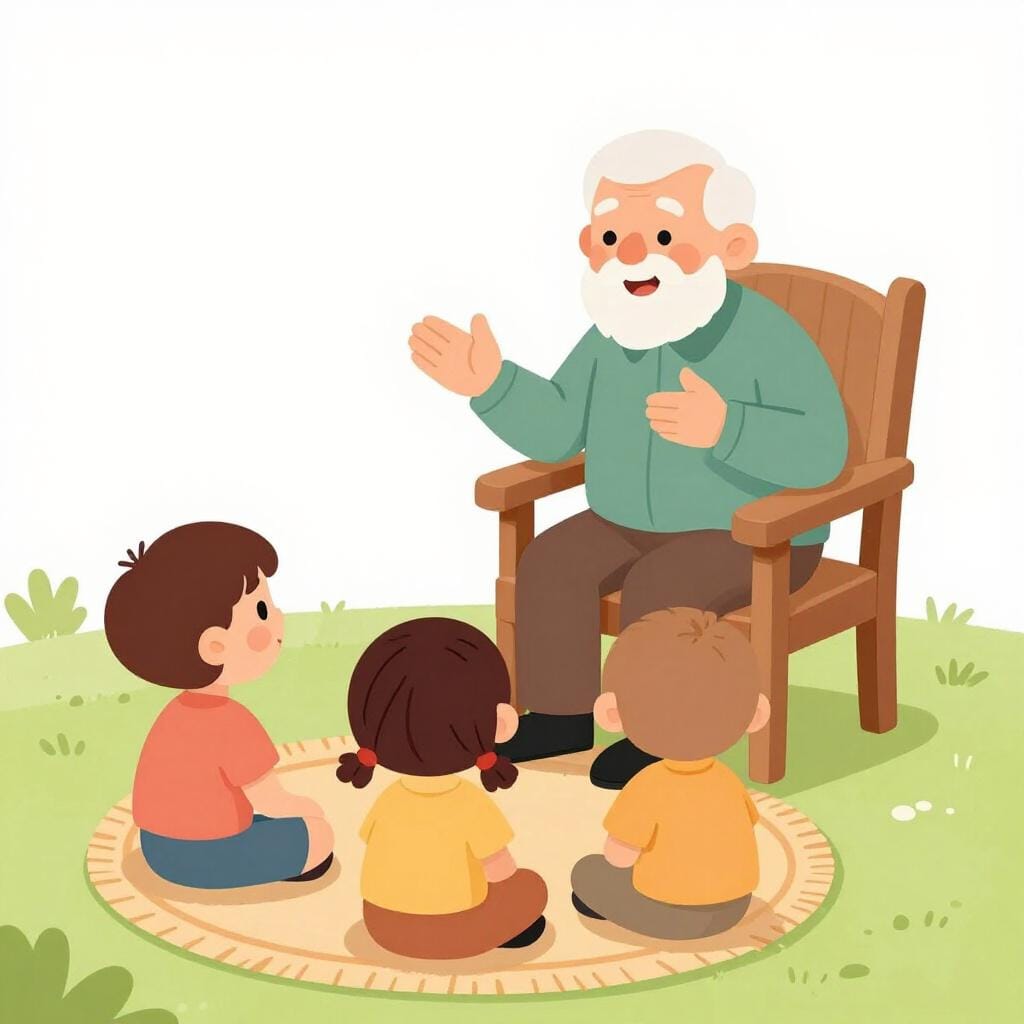
El abuelo siempre cuenta la misma historieta de cuando era joven.
Grandpa always tells the same yarn about when he was young.
Es una historieta muy larga de contar ahora mismo.
It's a very long story to tell right now.
Diminutive Suffix
The '-eta' ending is a way to make 'historia' (story) sound smaller or less important, which is why it often means a 'short' or 'trivial' story.
Tone Warning
Mistake: “Using 'historieta' to describe a serious academic history.”
Correction: This sounds dismissive. Only use 'historieta' for fun comics or trivial personal anecdotes.
Choosing Between 'Excusa' and 'Disculpa'
Related Translations
Learn Spanish with Inklingo
Interactive stories, personalized learning, and more.