perdonen
“perdonen” means “forgive” in Spanish (asking a group for forgiveness).
forgive, excuse
Also: pardon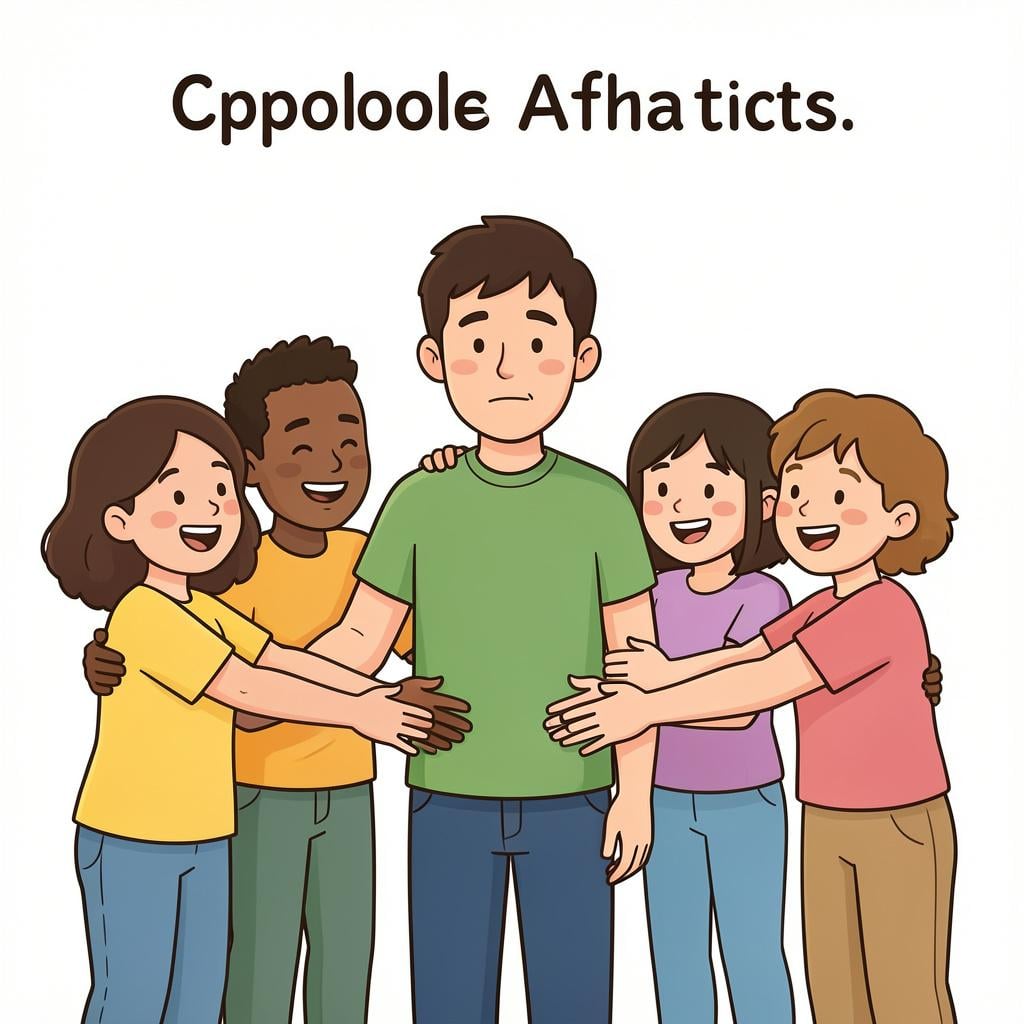
📝 In Action
Perdonen, ¿saben dónde está la estación?
A1Excuse me (everyone), do you know where the station is?
Perdonen la tardanza, había mucho tráfico.
A2Forgive the lateness (everyone), there was a lot of traffic.
Espero que me perdonen por lo que dije.
B1I hope they (or you all) forgive me for what I said.
Subjunctive
Imperfect Subjunctive
Present Subjunctive
Indicative
Preterite
Imperfect
Present
✏️ Quick Practice
Quick Quiz: perdonen
Question 1 of 1
You are walking through a crowded market and need a group of people to move. What do you say?
📚 More Resources
👥 Word Family▼
📚 Etymology▼
From the verb 'perdonar', which comes from the Latin 'per-' (completely) and 'donare' (to give). It literally means to give something up completely, like a debt or a grudge.
First recorded: 12th century
Cognates (Related words)
💡 Master Spanish
Take your Spanish to the next level. Read 200+ illustrated and narrated Spanish stories tailored to your level with the Inklingo app!
Frequently Asked Questions
Is 'perdonen' formal or informal?
In Latin America, it is used for any group. In Spain, it is specifically used to be formal or polite when addressing a group.
What is the difference between 'perdonen' and 'disculpen'?
They are almost identical. 'Perdonen' is like 'forgive' or 'pardon,' while 'disculpen' is more like 'excuse.' Both are very common and polite.