Inklingo

perdonar

/per-doh-NAR/

to forgive

A person standing in a bright, sunny landscape gently releasing a small, heavy, dark cloud from their hands, symbolizing the act of letting go of resentment.

When you perdonar (forgive), you release the burden of resentment.

perdonar(verb)

A1regular ar

to forgive

?

letting go of resentment

,

to pardon

?

official or formal forgiveness

Also:

to excuse (a person)

?

when requesting to be let off the hook

📝 In Action

¿Puedes perdonarme por llegar tan tarde?

A1

Can you forgive me for arriving so late?

Ella perdonó a su hermano a pesar del daño que hizo.

A2

She forgave her brother despite the damage he caused.

El presidente tiene el poder de perdonar a los criminales.

B1

The president has the power to pardon criminals.

Word Connections

Synonyms

  • disculpar (to excuse)
  • absolver (to absolve)

Antonyms

  • castigar (to punish)
  • culpar (to blame)

Common Collocations

  • pedir perdónto ask for forgiveness
  • perdonar un errorto forgive a mistake

Idioms & Expressions

  • Dios te perdoneMay God forgive you (often used sarcastically or dramatically)

💡 Grammar Points

Forgiving Yourself (Reflexive Use)

To say 'to forgive oneself,' you use the verb with a reflexive pronoun (me, te, se, etc.). Example: 'No me perdono haber mentido' (I don't forgive myself for having lied).

❌ Common Pitfalls

Perdonar vs. Disculpar

Mistake: "Using 'Perdóname' when you only mean 'Excuse me' (e.g., passing in a crowd)."

Correction: Use 'Disculpa' or 'Con permiso' for minor inconveniences. 'Perdonar' is reserved for serious offenses or mistakes.

⭐ Usage Tips

Quick Request

The most common and simplest way to ask for forgiveness is the single word '¡Perdón!' (Forgiveness!) or the imperative 'Perdóname' (Forgive me).

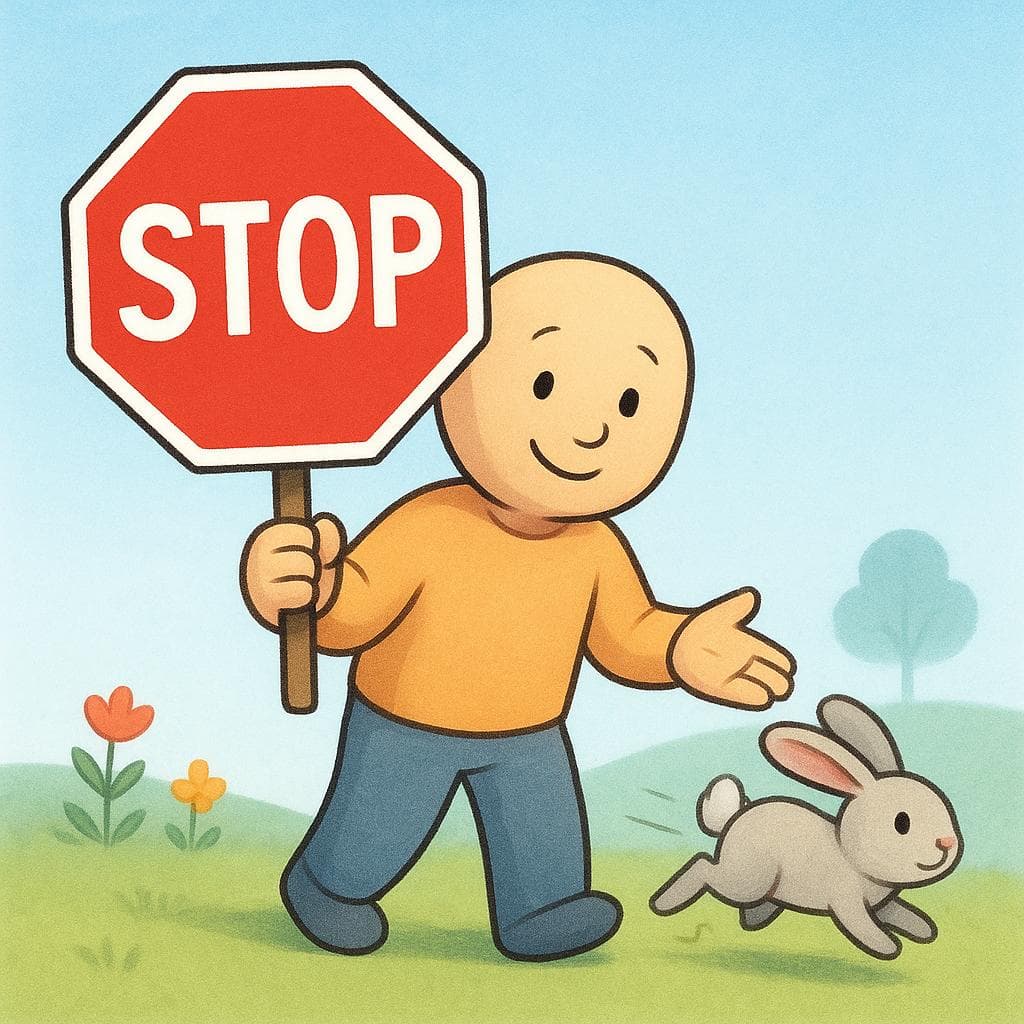
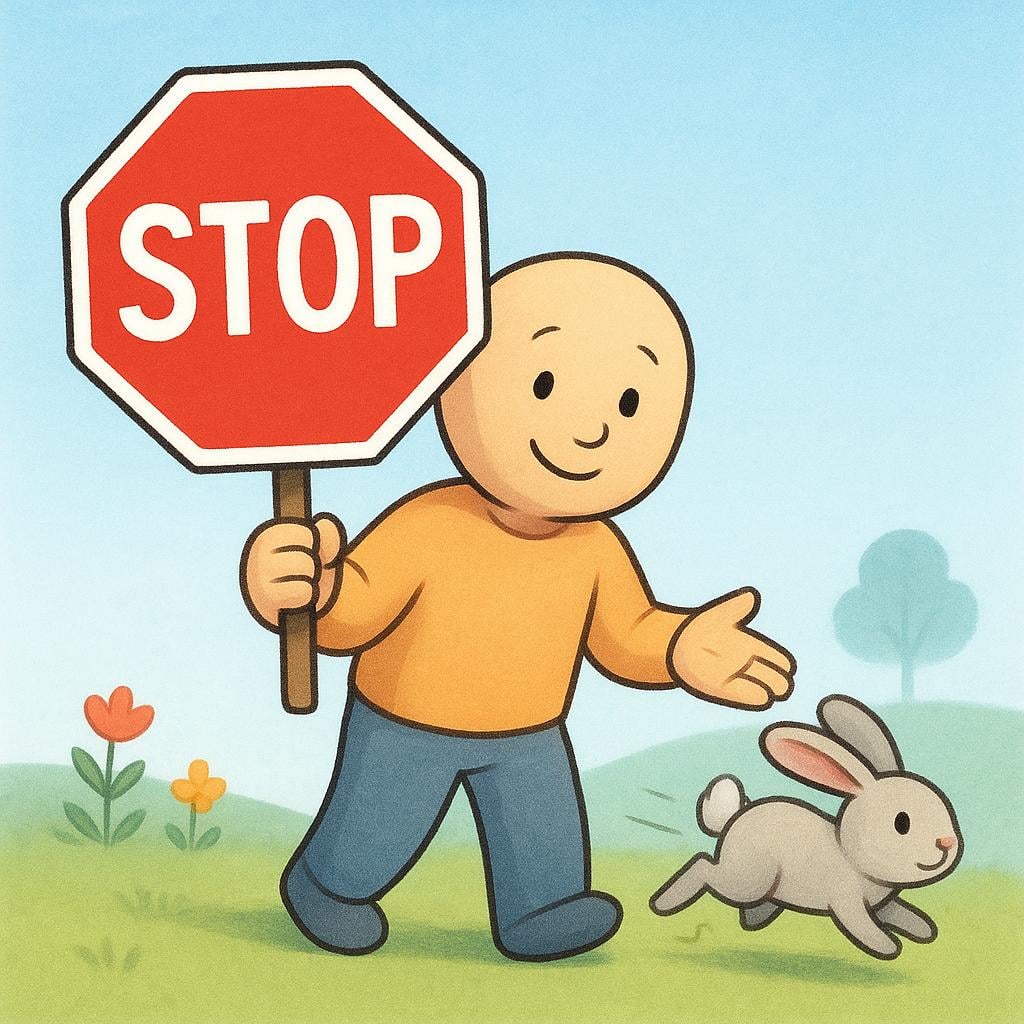
A friendly person with a kind expression holds up a large, red 'stop' sign in front of a slightly late cartoon animal, but then smiles and lowers the sign, allowing the animal to pass without penalty, symbolizing excusing a delay.

To perdonar can also mean to excuse or overlook a rule or delay.

perdonar(verb)

B1regular ar

to excuse

?

to overlook a rule or delay

Also:

to exempt

?

to waive a requirement or debt

,

to let someone off

?

not to punish

📝 In Action

El banco le perdonó la mitad de la deuda.

B2

The bank excused him half of the debt (waived half the debt).

Perdona mi ignorancia, pero ¿qué significa esa palabra?

B1

Excuse my ignorance, but what does that word mean?

Por favor, perdona el ruido; estamos en obras.

B1

Please excuse the noise; we are doing construction.

Word Connections

Synonyms

  • eximir (to exempt)
  • condonar (to pardon (debt))

Common Collocations

  • perdonar la vidato spare someone's life

💡 Grammar Points

Forgiving Things, Not People

In this sense, 'perdonar' often takes the thing being excused (like a debt or a noise) as the direct object, rather than focusing on the person.

⭐ Usage Tips

Polite Interruption

When you need to interrupt someone politely or request information, starting with 'Perdona...' or 'Disculpa...' is a very common way to soften the request.

🔄 Conjugations

indicative

present

él/ella/ustedperdona
yoperdono
perdonas
ellos/ellas/ustedesperdonan
nosotrosperdonamos
vosotrosperdonáis

imperfect

él/ella/ustedperdonaba
yoperdonaba
perdonabas
ellos/ellas/ustedesperdonaban
nosotrosperdonábamos
vosotrosperdonabais

preterite

él/ella/ustedperdonó
yoperdoné
perdonaste
ellos/ellas/ustedesperdonaron
nosotrosperdonamos
vosotrosperdonasteis

subjunctive

present

él/ella/ustedperdone
yoperdone
perdones
ellos/ellas/ustedesperdonen
nosotrosperdonemos
vosotrosperdonéis

imperfect

él/ella/ustedperdonara
yoperdonara
perdonaras
ellos/ellas/ustedesperdonaran
nosotrosperdonáramos
vosotrosperdonarais

✏️ Quick Practice

💡 Quick Quiz: perdonar

Question 1 of 1

Which sentence uses 'perdonar' in the sense of 'waiving a debt'?

📚 More Resources

Word Family

Frequently Asked Questions

What is the difference between 'Perdonar' and 'Disculpar'?

'Perdonar' means to forgive a serious offense or debt, focusing on the deep emotional act of letting go of resentment. 'Disculpar' means to excuse a minor fault, delay, or to simply say 'Excuse me' when interrupting someone or passing by.

Is 'Perdón' a verb or a noun?

'Perdón' is the noun form, meaning 'forgiveness' or 'pardon.' 'Perdonar' is the verb form, meaning 'to forgive.' You can use 'Perdón' on its own as a quick request for forgiveness.