How to Say "sorry" in Spanish
The most common Spanish word for “sorry” is “perdón” — use this for a quick, general apology when you've made a minor mistake, like bumping into someone or not hearing them.
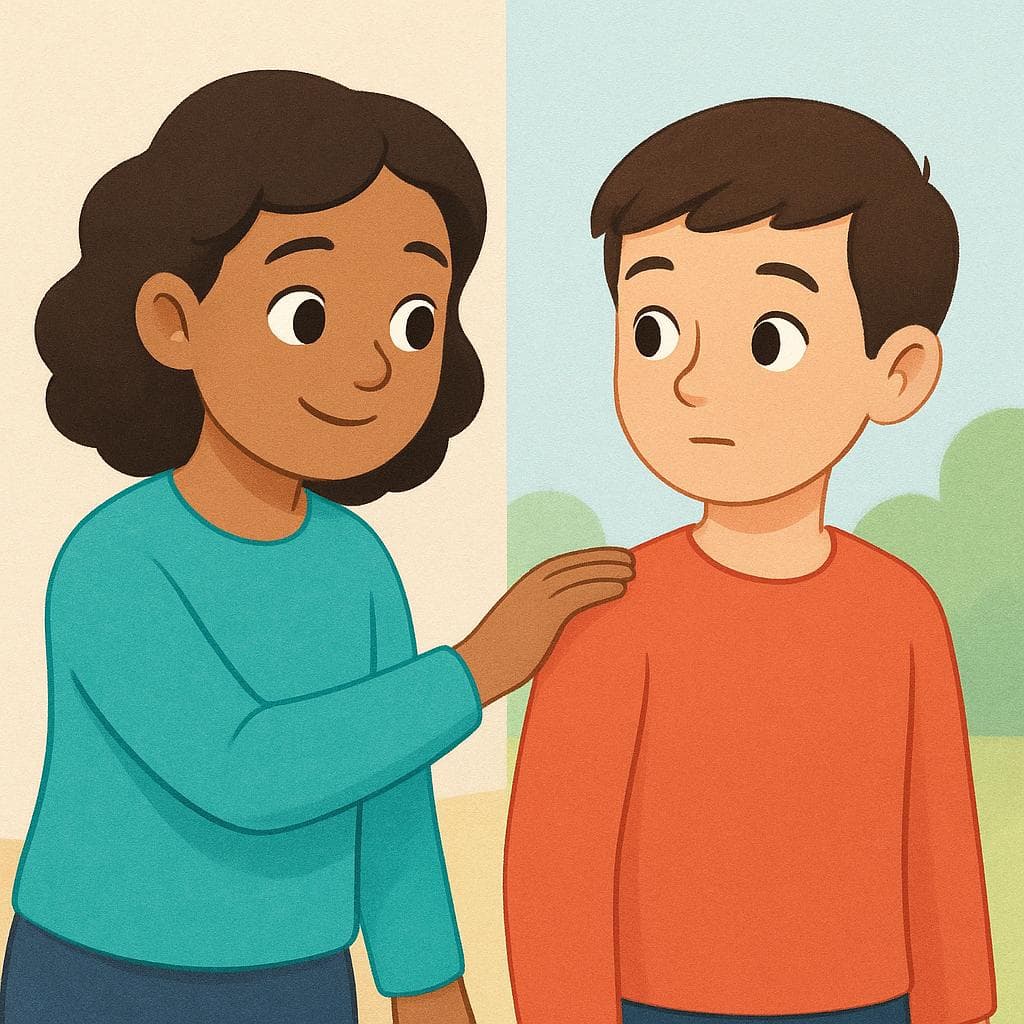



perdón
Examples
¡Perdón! No te había visto.
Sorry! I didn't see you.
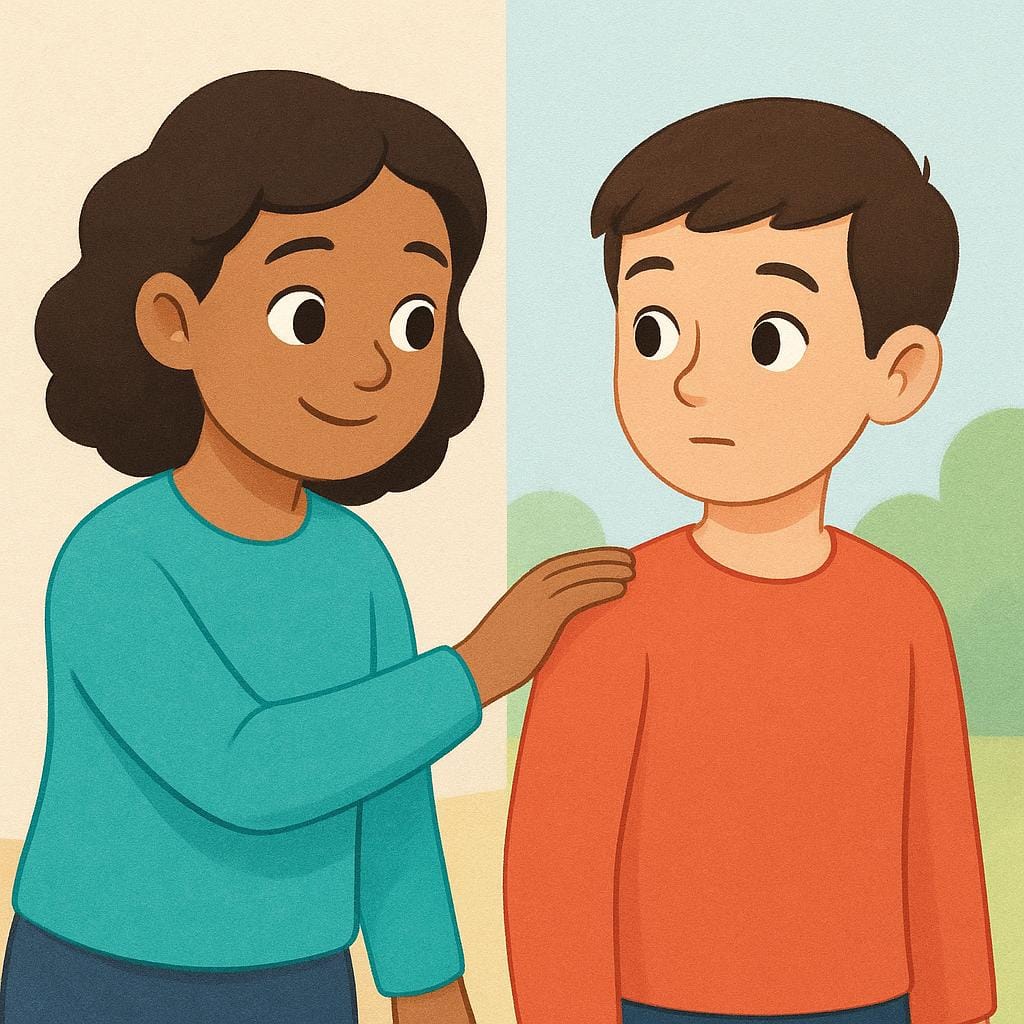
disculpa
dis-KOOL-pahdis'kulpa
Examples
Disculpa, ¿sabes dónde está la estación de metro?
Excuse me, do you know where the subway station is?
¡Uy, disculpa! No te vi.
Oops, sorry! I didn't see you.
Mi hermana siempre me disculpa cuando llego tarde.
My sister always forgives me when I arrive late.
A Command in Disguise
When you say 'Disculpa' to get someone's attention, you're actually giving a friendly command: '(You) excuse me'. This form, 'disculpa', is for talking to one person you know well (the 'tú' form).
Using 'Disculpa' with Strangers
Mistake: “Disculpa, señor, ¿qué hora es?”
Correction: Disculpe, señor, ¿qué hora es? When talking to an older person, a stranger, or someone in a position of authority, it's more polite to use the 'usted' form, which is 'disculpe'.
disculpe
dis-COOL-pehdis'kulpe

Examples
Disculpe, ¿me puede decir la hora?
Excuse me, can you tell me the time?
Disculpe, no entendí. ¿Puede repetirlo?
Pardon me, I didn't understand. Can you repeat that?
¡Ay, disculpe! Fue sin querer.
Oh, sorry! I didn't mean to.
Formal vs. Informal 'Excuse Me'
Use 'disculpe' when talking to someone you don't know, an older person, or in a professional setting (the 'usted' form). For friends, family, or people your age (the 'tú' form), you would say 'disculpa'.
For Big vs. Small Apologies
Mistake: “Using 'disculpe' when you've made a serious mistake.”
Correction: 'Disculpe' is for small things. If you need to make a more serious apology, it's better to use 'lo siento' (I'm sorry) or 'perdón'.
perdona
per-DOH-nahpeɾˈðo.na
Examples
Perdona, ¿sabes dónde está el baño?
Excuse me, do you know where the bathroom is?
¡Uy, perdona! No te vi.
Whoops, sorry! I didn't see you.
A Command Form
This word is the 'tú' command form of 'perdonar' (to forgive). In Spanish, we often use the command form as a quick way to ask for attention.
Informal vs. Formal
Since this is the informal 'tú' form, only use 'perdona' when speaking to friends, family, or people your age. Use 'perdone' (the 'usted' form) when speaking formally.
Using 'Perdona' Formally
Mistake: “Perdona, señor, ¿cuánto cuesta esto?”
Correction: Perdone, señor, ¿cuánto cuesta esto? (Use the formal 'perdone' when addressing strangers or elders respectfully.)
Examples
- Pásame la cosa esa. - ¿Cómo?
- Pass me that thingamajig. - What?
apenado
ah-peh-NAH-dohapeˈnaðo

Examples
Estoy muy apenado por la muerte de tu gato.
I am very sorry about the death of your cat.
Ella se siente apenada por no haber podido ir a tu fiesta.
She feels bad for not being able to go to your party.
Nos quedamos apenados al ver las noticias del desastre.
We were saddened to see the news about the disaster.
Use with 'Estar'
Since being 'apenado' is a temporary feeling or mood, we always use it with the verb 'estar' (to be) rather than 'ser'.
Matching Gender
Remember that this word must match the person feeling the emotion. A man says 'estoy apenado,' while a woman says 'estoy apenada'.
Feeling vs. Being
Mistake: “Soy apenado por las noticias.”
Correction: Estoy apenado por las noticias. Use 'estar' for temporary emotions.
arrepentido
ah-rre-pen-TEE-doharepenˈtiðo

Examples
Estoy muy arrepentido de lo que te dije ayer.
I am very sorry for what I told you yesterday.
Ella no parece arrepentida por su decisión.
She doesn't seem regretful about her decision.
Si estás arrepentido, deberías pedir perdón.
If you are sorry, you should ask for forgiveness.
Use with 'Estar'
Since being sorry is a feeling or a state of mind, you must use the verb 'estar' (to be) rather than 'ser'.
The 'De' Connection
When you want to say what you are sorry for, always follow this word with 'de' (of/about). For example: 'Arrepentido de mi error'.
Choosing the wrong 'To Be'
Mistake: “Soy arrepentido.”
Correction: Estoy arrepentido. Use 'estar' because feelings are considered states, not permanent personality traits.
Apologies vs. Getting Attention
Related Translations
Learn Spanish with Inklingo
Interactive stories, personalized learning, and more.