How to Say "smashed" in Spanish
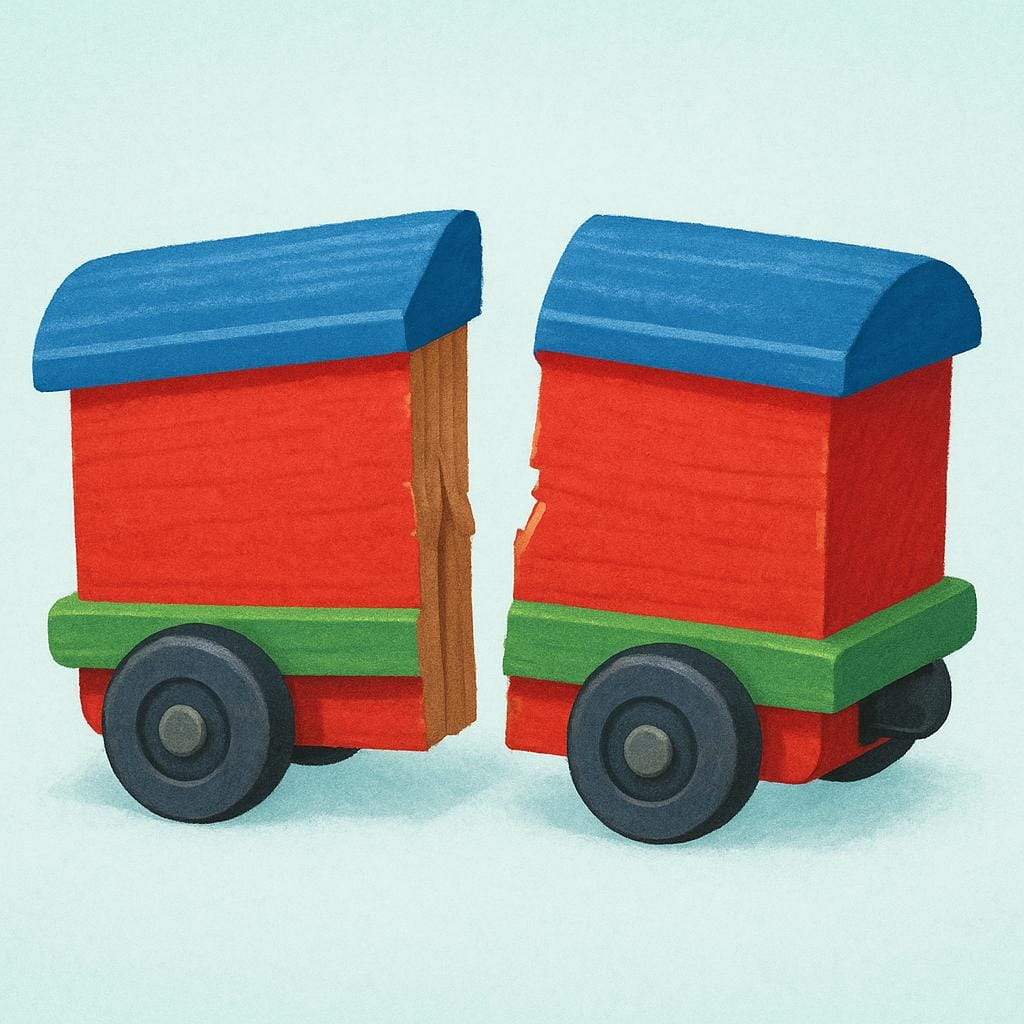
The most common Spanish word for “smashed” is “rota” — use 'rota' when referring to something delicate like glass or ceramics that has been broken into pieces, often from a fall.
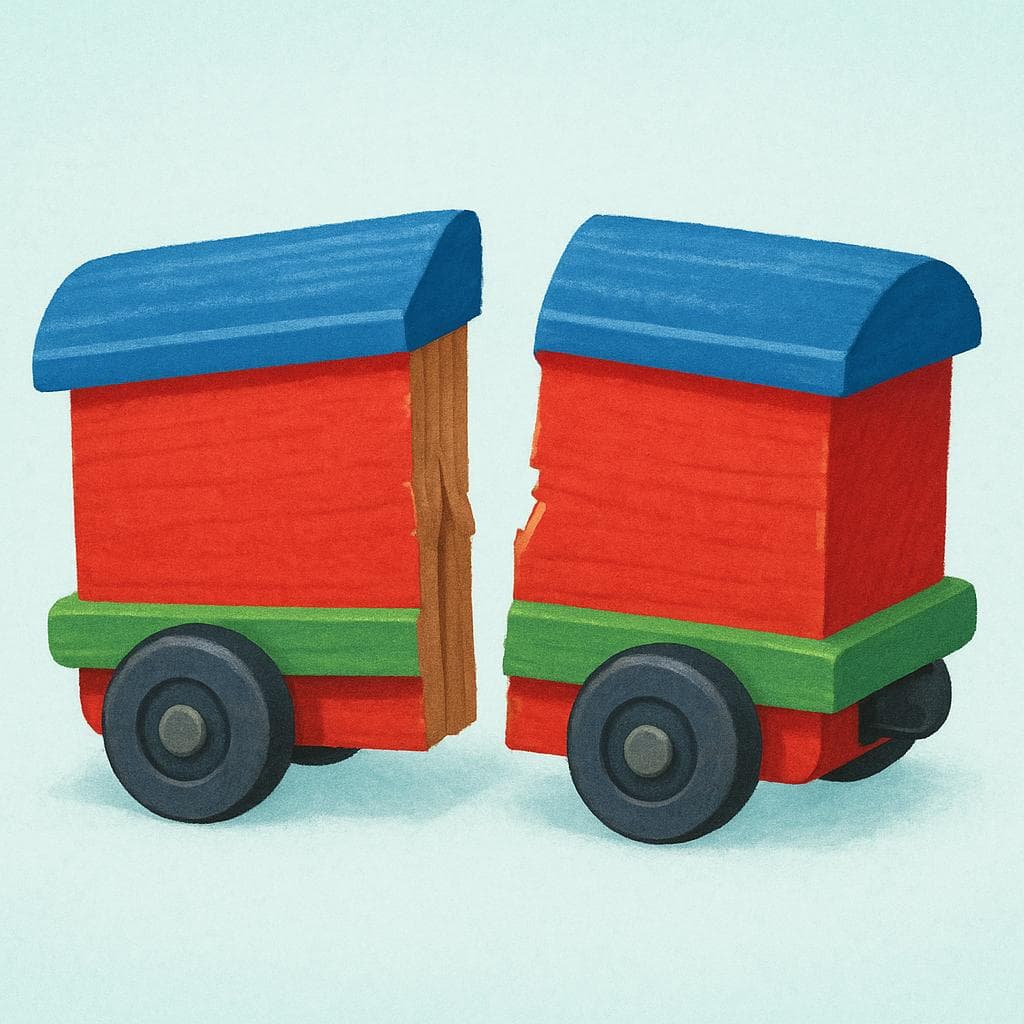
rota
ROH-tahˈro.ta
Examples
La ventana se cayó y está rota.
The window fell and it is broken.
La taza se cayó y está rota.
The cup fell and it is broken.
Mi pierna se sentía rota después del accidente.
My leg felt broken after the accident.
Necesito tirar esta ropa porque está rota.
I need to throw away these clothes because they are torn.
Using 'Estar' with Adjectives
Since 'rota' describes a resulting state (something that was broken), you almost always use the verb 'estar' (to be, temporary state) with it, not 'ser' (to be, permanent quality).
Gender Mismatch
Mistake: “El silla está roto. (Incorrect gender agreement)”
Correction: La silla está rota. (The adjective must match the feminine noun 'silla'.)
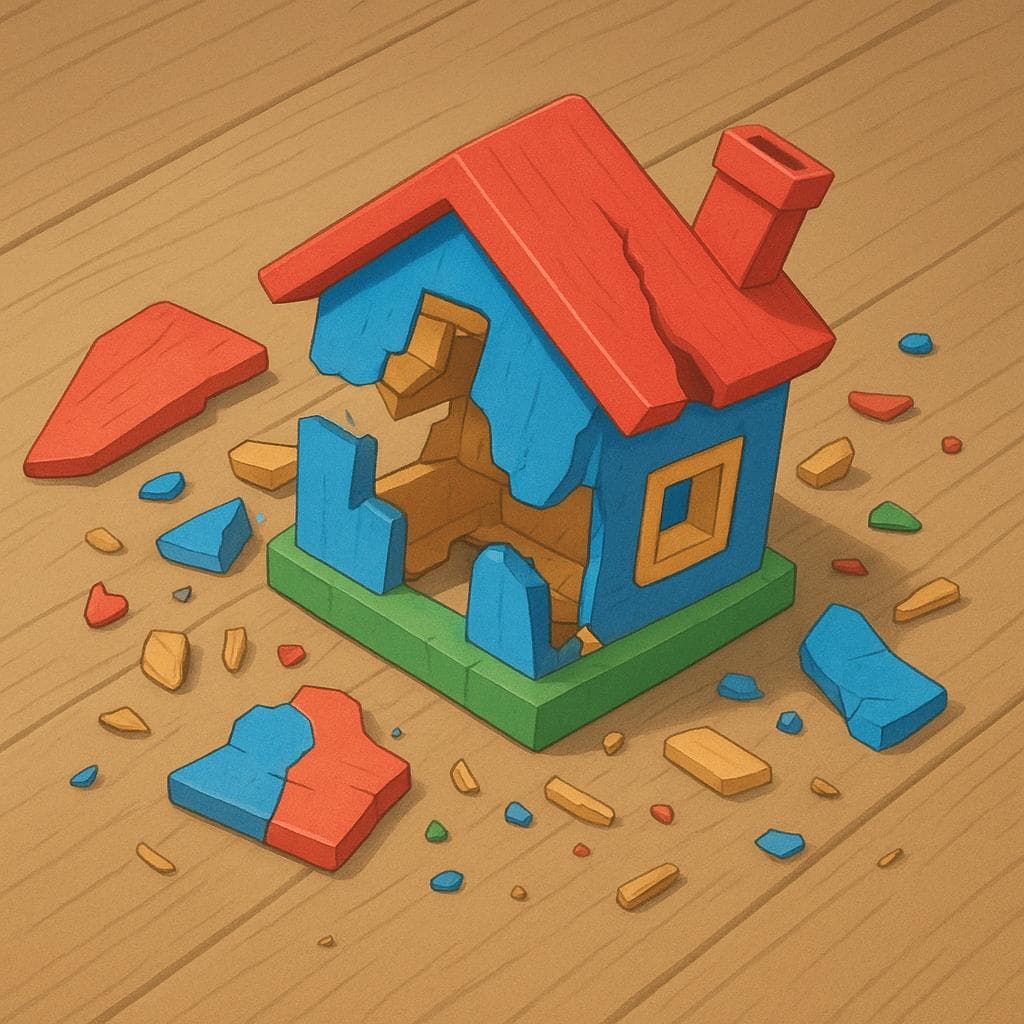
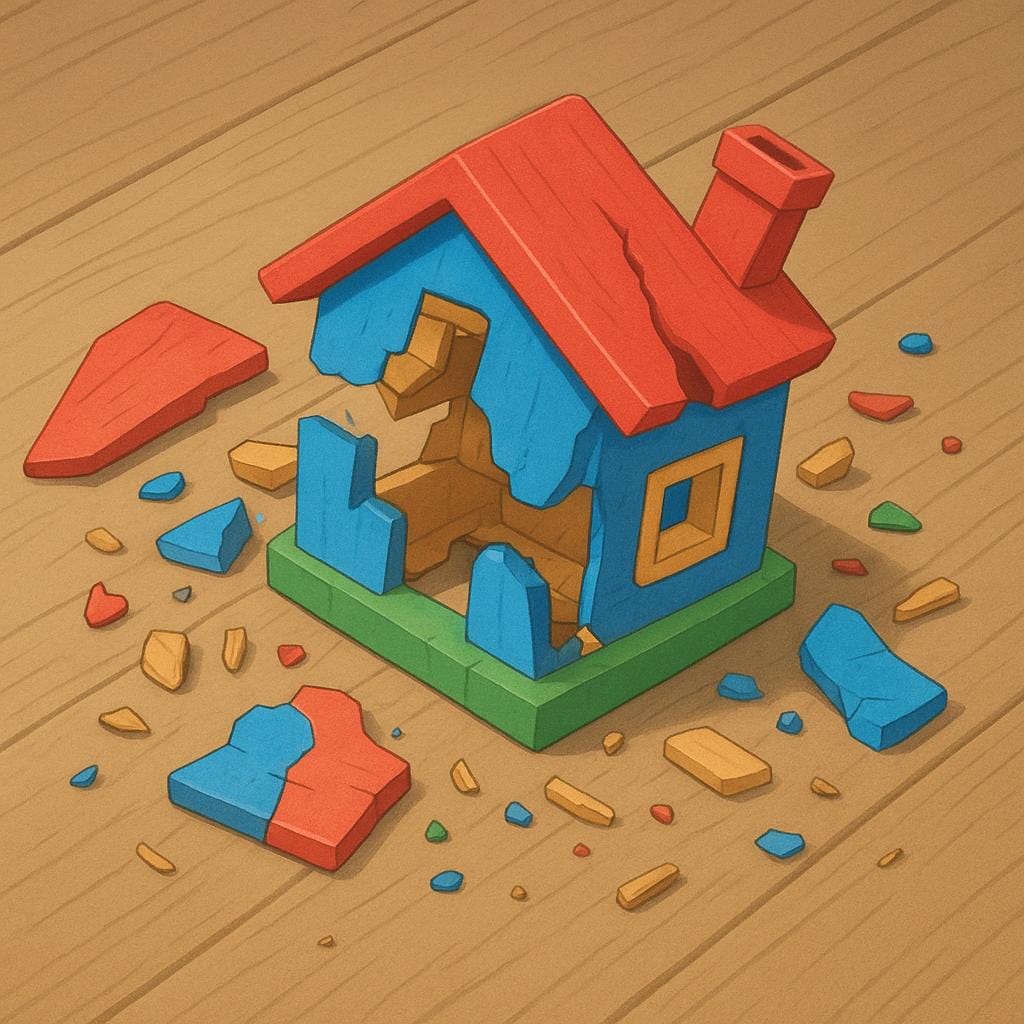
destrozado
des-tro-ZAH-dohdes.tɾoˈθa.ðo
Examples
El terremoto dejó el puente destrozado.
The earthquake left the bridge destroyed.
Encontraron la bicicleta destrozada en el bosque.
They found the smashed bicycle in the forest.
It Must Match
Since 'destrozado' is acting like a descriptive word (adjective), it must match the thing it describes in gender and number. For example: 'la pared destrozada' (the destroyed wall) or 'los coches destrozados' (the destroyed cars).
Using 'Ser'
Mistake: “La casa es destrozada.”
Correction: Use 'estar' (La casa está destrozada) because 'destrozado' describes a temporary state or condition resulting from an action, not a permanent characteristic.
Rota vs. Destrozado
Related Translations
Learn Spanish with Inklingo
Interactive stories, personalized learning, and more.