How to Say "shattered" in Spanish
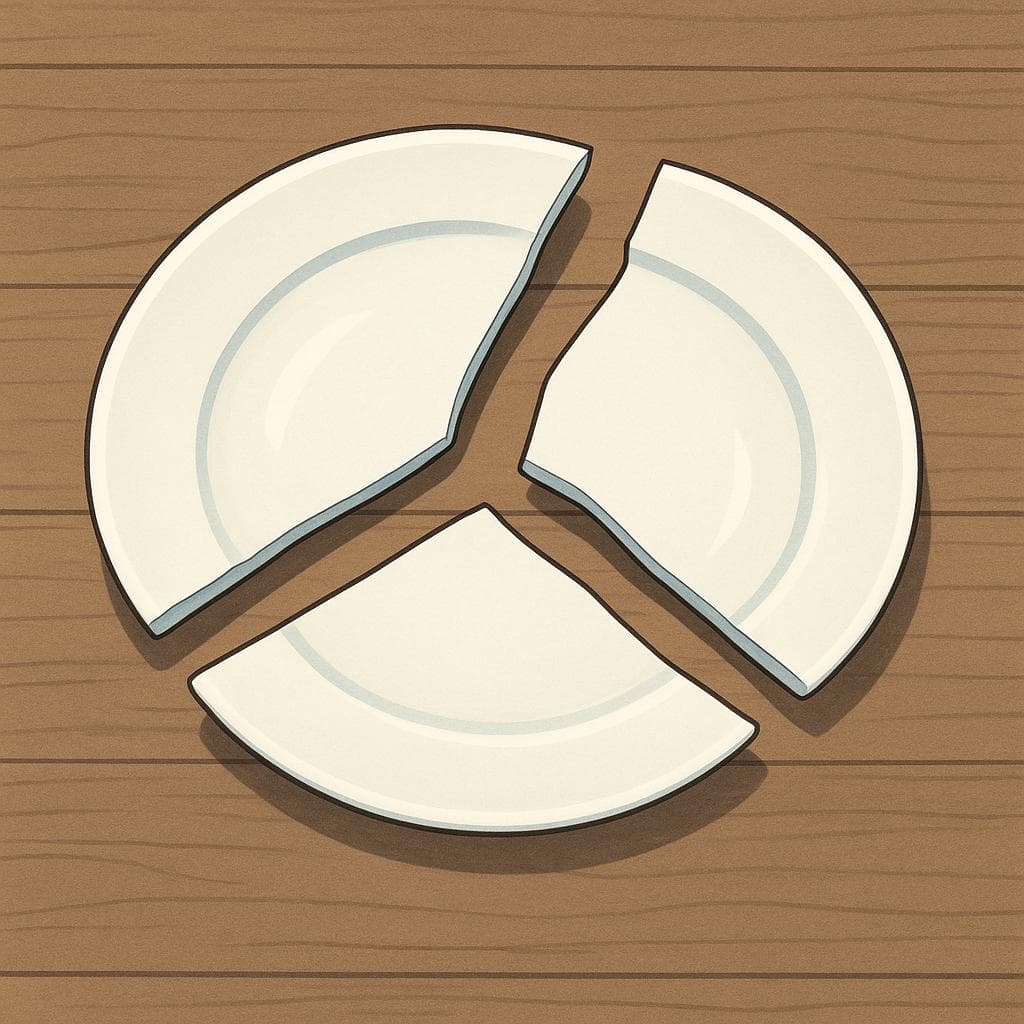
The most common Spanish word for “shattered” is “roto” — use this for physical objects that are broken, especially fragile items like glass or electronics.


roto
ROH-tohˈro.to
Examples
Mi teléfono está roto; se cayó de la mesa.
My phone is broken; it fell off the table.
Compré una camisa con el cuello roto.
I bought a shirt with a torn collar.
¿Puedes arreglar la silla? Tiene una pata rota.
Can you fix the chair? It has a broken leg.
Agreement is Key
Since 'roto' is an adjective, it must change its ending (roto/a/os/as) to match the gender and number of the thing it describes. Always check what you are talking about!
Past Participle Origin
'Roto' is the irregular past tense form of the verb 'romper' (to break). When used with 'estar', it describes the resulting state of being broken.
Missing Gender Agreement
Mistake: “La ventana es roto.”
Correction: La ventana está rota. ('Ventana' is feminine, so use 'rota'.)
rompió
Examples
El niño rompió el juguete nuevo accidentalmente.
The child broke the new toy accidentally.
pedazos
peh-DAH-sospeˈða.θos
Examples
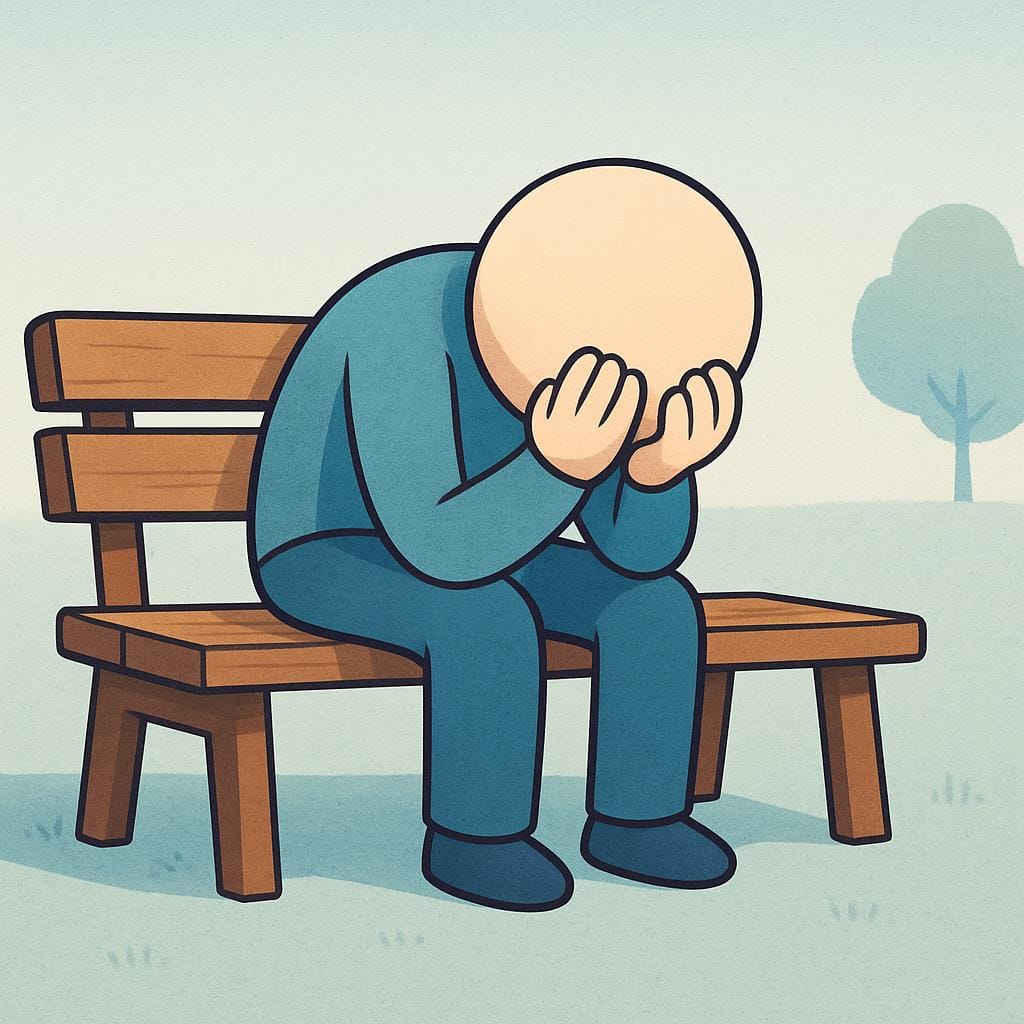
Después de correr la maratón, estaba hecho pedazos.
After running the marathon, I was totally exhausted/wrecked.
La crítica hizo pedazos su nueva novela.
The review tore her new novel to shreds (destroyed it completely).
Me sentí hecha pedazos cuando se fue.
I felt shattered/broken when he left.
Using 'Hecho'
In the common phrase 'estar hecho pedazos,' notice that 'hecho' (made) must match the gender of the person speaking ('hecho' for masculine, 'hecha' for feminine), even though 'pedazos' is masculine plural.
destrozado
des-tro-ZAH-dohdes.tɾoˈθa.ðo

Examples
Estaba destrozado después de perder el partido final.
He was devastated after losing the final match.
Llegué a casa totalmente destrozada tras doce horas de trabajo.
I arrived home totally shattered (exhausted) after twelve hours of work.
devastado
deh-bahs-TAH-dohdeβasˈtaðo
Examples
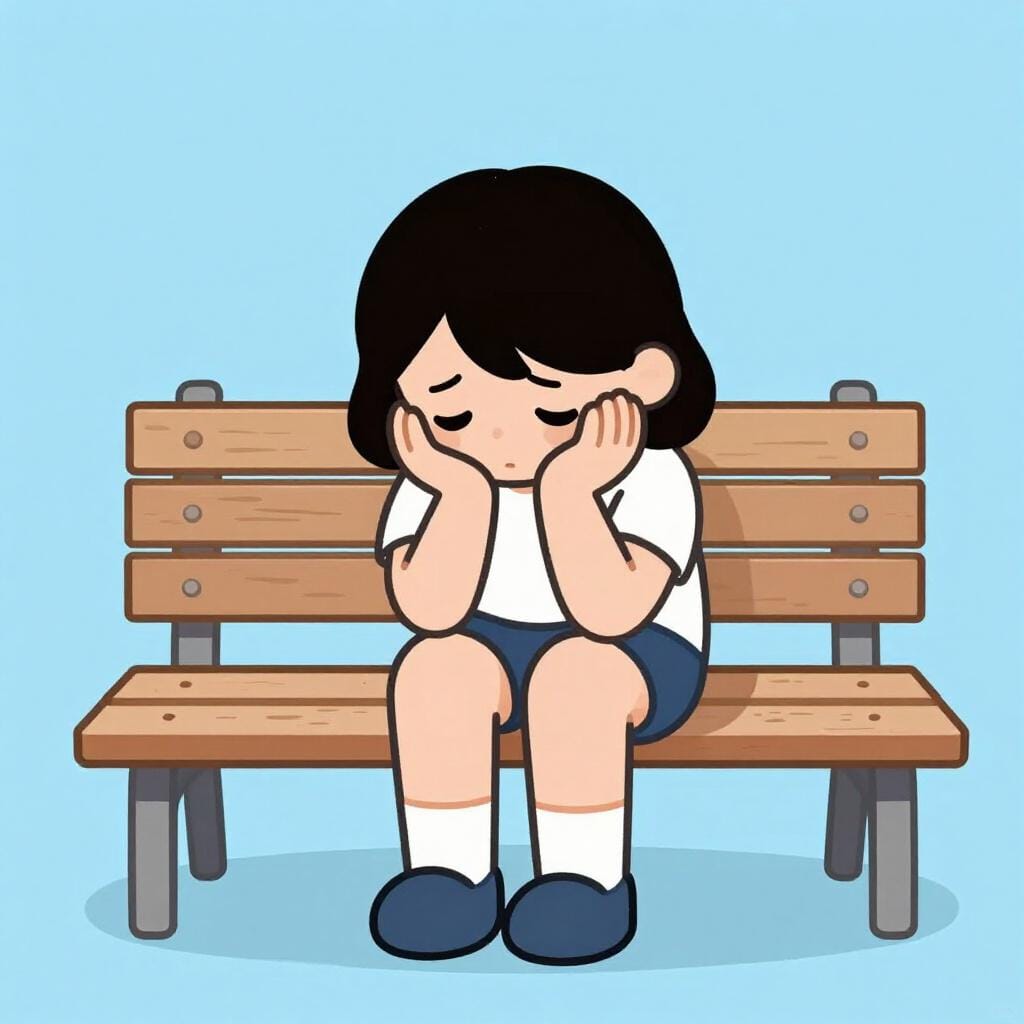
Juan quedó devastado cuando supo la noticia del accidente.
Juan was devastated when he heard the news about the accident.
Me siento devastada por la pérdida de mi mejor amiga.
I feel devastated by the loss of my best friend.
La familia está devastada y pide privacidad.
The family is devastated and asks for privacy.
Changing the Ending
Since this is an adjective, you must change the ending to match the person. Use 'devastado' for a man and 'devastada' for a woman.
Using it with 'Quedar'
In Spanish, we often use the word 'quedar' (to stay/remain) with this word to show how someone was left feeling after a big event.
Don't use 'Ser'
Mistake: “Él es devastado.”
Correction: Él está devastado (or 'quedó devastado'). We use 'estar' because we are describing a state or a feeling, not a permanent character trait.
hecha
AY-chahˈe.tʃa

Examples
Después de correr la maratón, estaba hecha polvo.
After running the marathon, she was absolutely exhausted (made dust).
Tras la noticia, su moral estaba hecha trizas.
After the news, her morale was shattered (made shreds).
Fixed Idioms
These phrases are fixed expressions. You must use 'estar' and ensure 'hecha' agrees with the subject (e.g., 'Yo estoy hecha polvo' if the speaker is female).
Emotional vs. Physical Shattered
Related Translations
Learn Spanish with Inklingo
Interactive stories, personalized learning, and more.