cortado
“cortado” means “cortado” in Spanish. It has 3 different meanings depending on context:

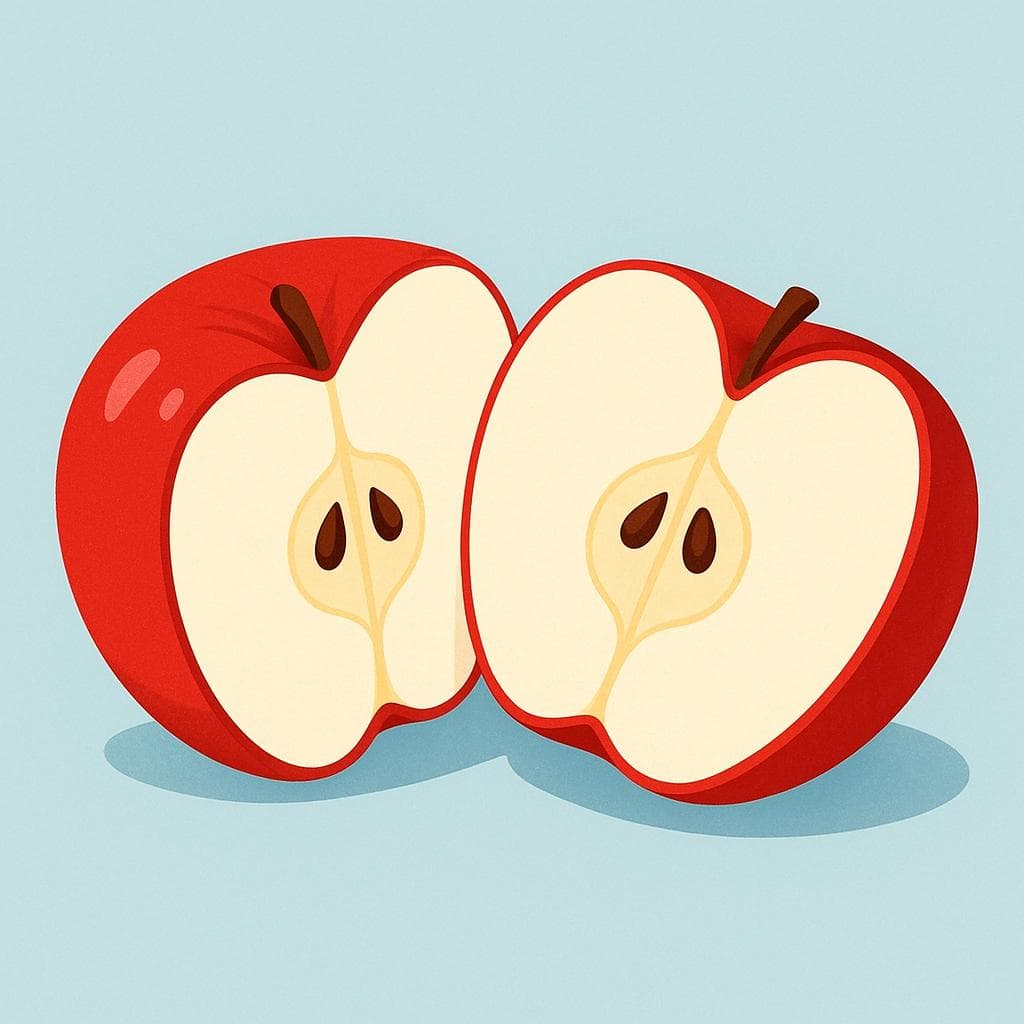
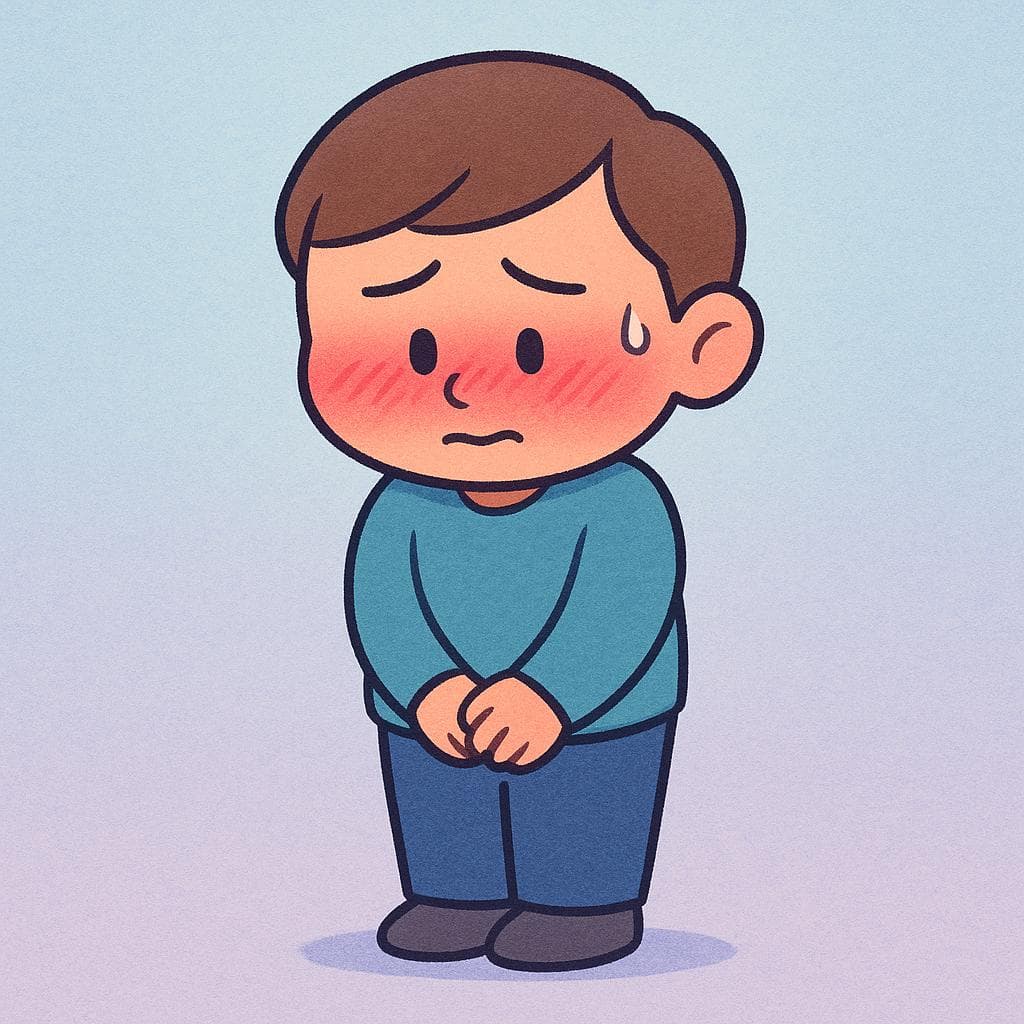
cortado, espresso with a dash of milk
Also: macchiato
📝 In Action
¿Me pones un cortado, por favor?
A1Could you get me a cortado, please?
En España, el cortado es muy popular a media mañana.
A2In Spain, the cortado is very popular mid-morning.
cut, interrupted
Also: shortened
📝 In Action
El hilo está cortado, no podemos coser.
B1The thread is cut; we cannot sew.
Se quedó sin batería y la llamada fue cortada.
B2The battery died and the call was interrupted.
embarrassed, tongue-tied
Also: shy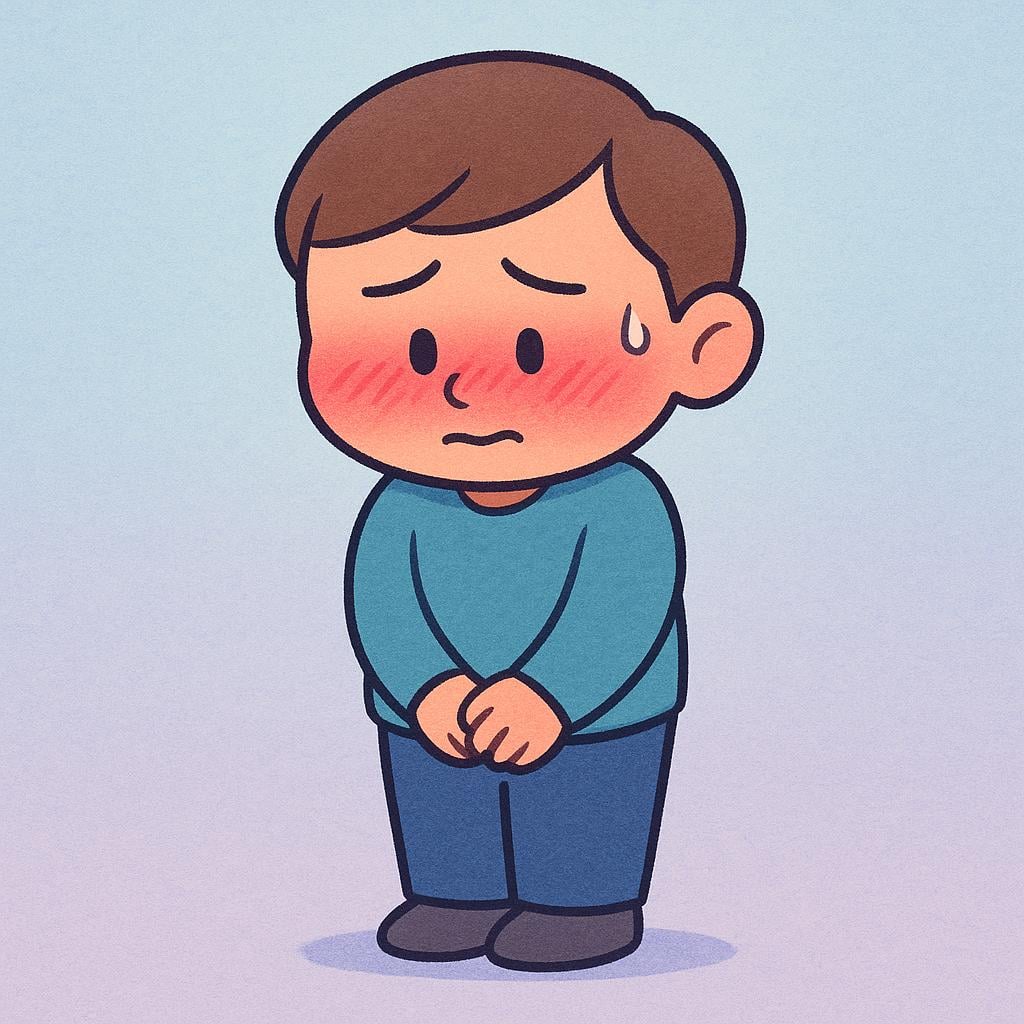
📝 In Action
Cuando le hicieron la pregunta, se quedó completamente cortado.
B2When they asked him the question, he was left completely tongue-tied (or speechless).
Estaba tan cortado que no pudo decir ni una palabra.
C1He was so embarrassed that he couldn't say a single word.
Translate to Spanish
Words that translate to "cortado" in Spanish:
cortado→cut→embarrassed→interrupted→macchiato→shortened→shy→tongue-tied→✏️ Quick Practice
Quick Quiz: cortado
Question 1 of 2
Which meaning of 'cortado' is used in the sentence: 'El actor se quedó cortado al olvidar su diálogo'?
📚 More Resources
👥 Word Family▼
📚 Etymology▼
The word 'cortado' is the past participle of the verb 'cortar' (to cut). 'Cortar' comes from the Vulgar Latin *curtare*, meaning 'to shorten,' which itself is related to the Latin word *curtus* (short or incomplete).
First recorded: The verb 'cortar' has roots dating back to early Romance languages.
Cognates (Related words)
💡 Master Spanish
Take your Spanish to the next level. Read 200+ illustrated and narrated Spanish stories tailored to your level with the Inklingo app!
Frequently Asked Questions
What is the difference between a 'cortado' and a 'café con leche'?
A 'cortado' is primarily espresso with just a splash of milk—it's stronger and smaller. A 'café con leche' is generally half coffee and half milk and is much larger and milder.
Can I use 'cortada'?
Yes! Since 'cortado' is an adjective, it must match the gender of the thing it describes. If you are talking about a feminine thing, like 'la tela' (the fabric), you would say 'la tela está cortada'.