How to Say "court" in Spanish
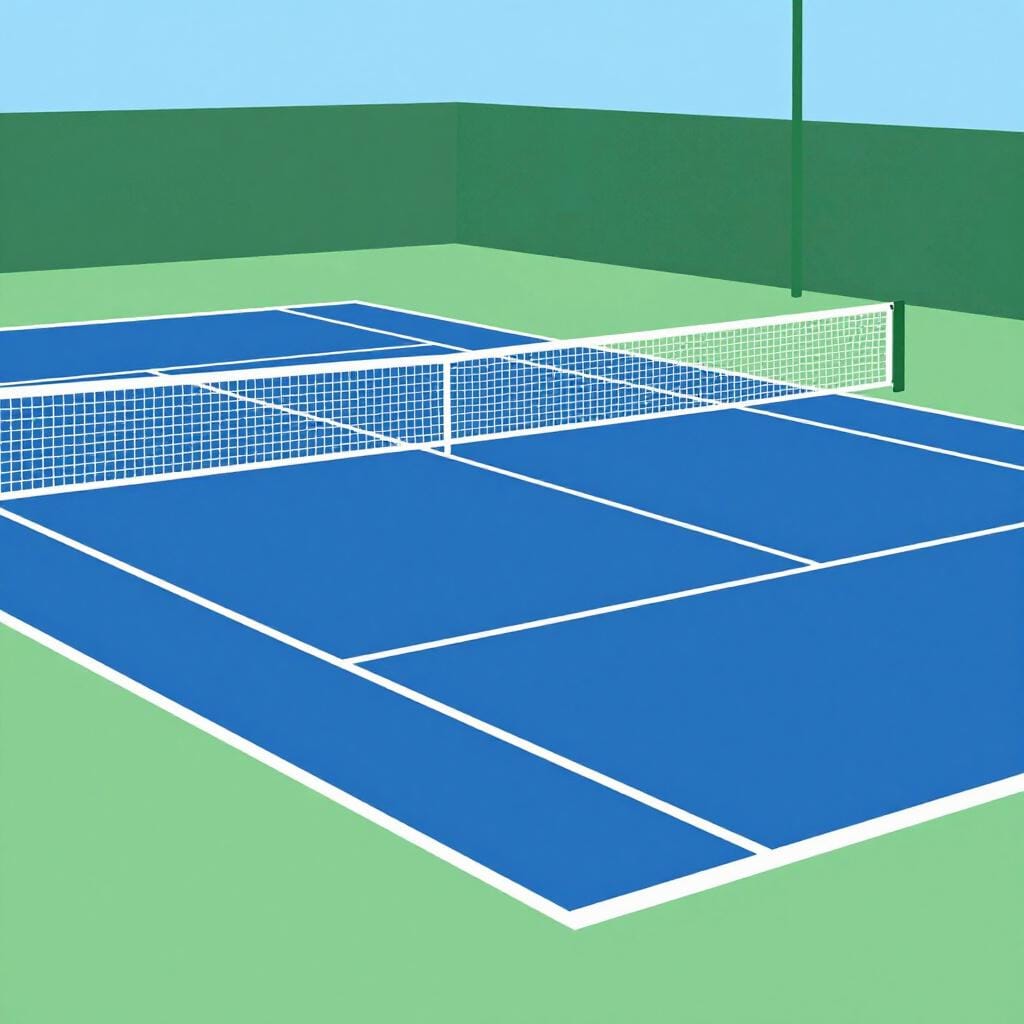
The most common Spanish word for “court” is “cancha” — use 'cancha' specifically for an outdoor or indoor playing area for sports like tennis, basketball, or volleyball.
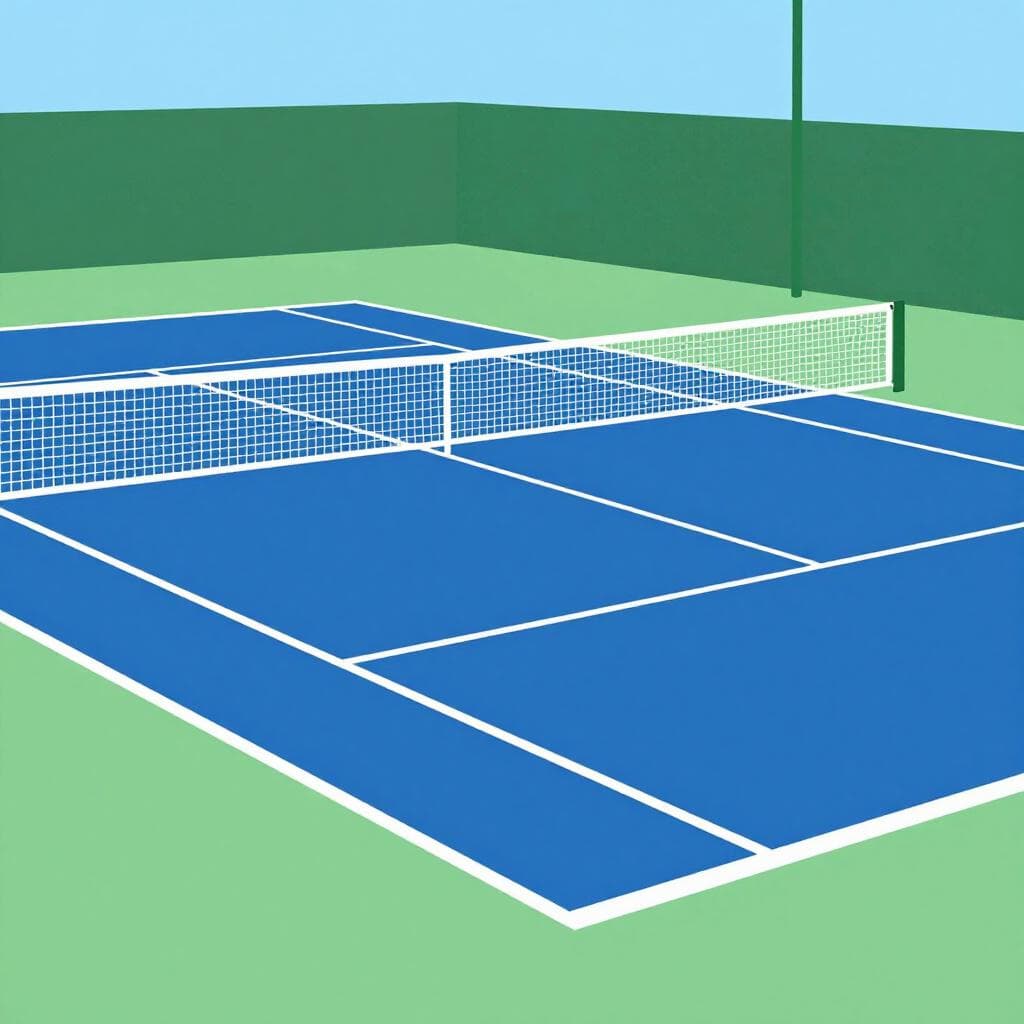
Use 'cancha' specifically for an outdoor or indoor playing area for sports like tennis, basketball, or volleyball.
Learn more →
Use 'campo' for a larger, often outdoor sports field, most commonly associated with soccer or football.
Learn more →
Use 'pista' for a track or a more specialized court, such as for racing, ice skating, or sometimes basketball.
Learn more →
Use 'tribunal' to refer to a judicial body, a court of law, or a specific judge or panel making a ruling.
Learn more →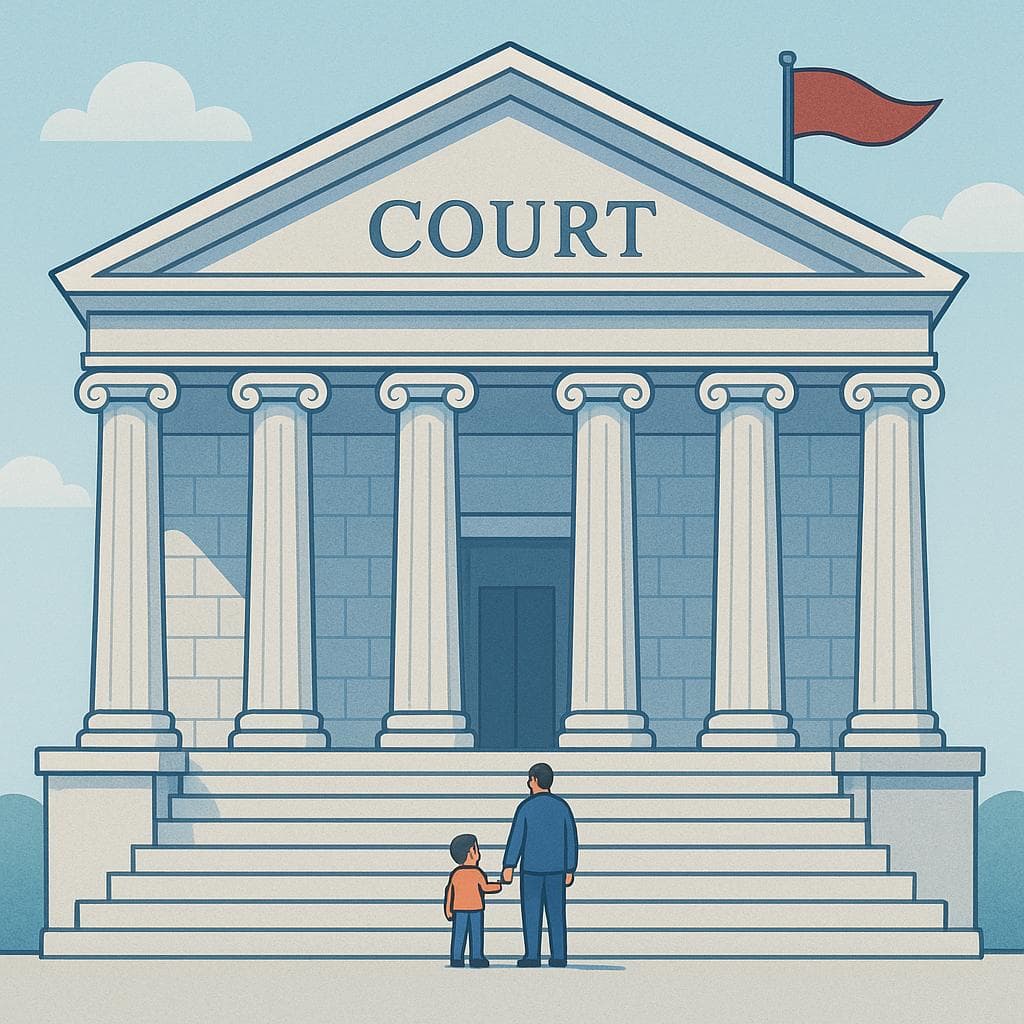
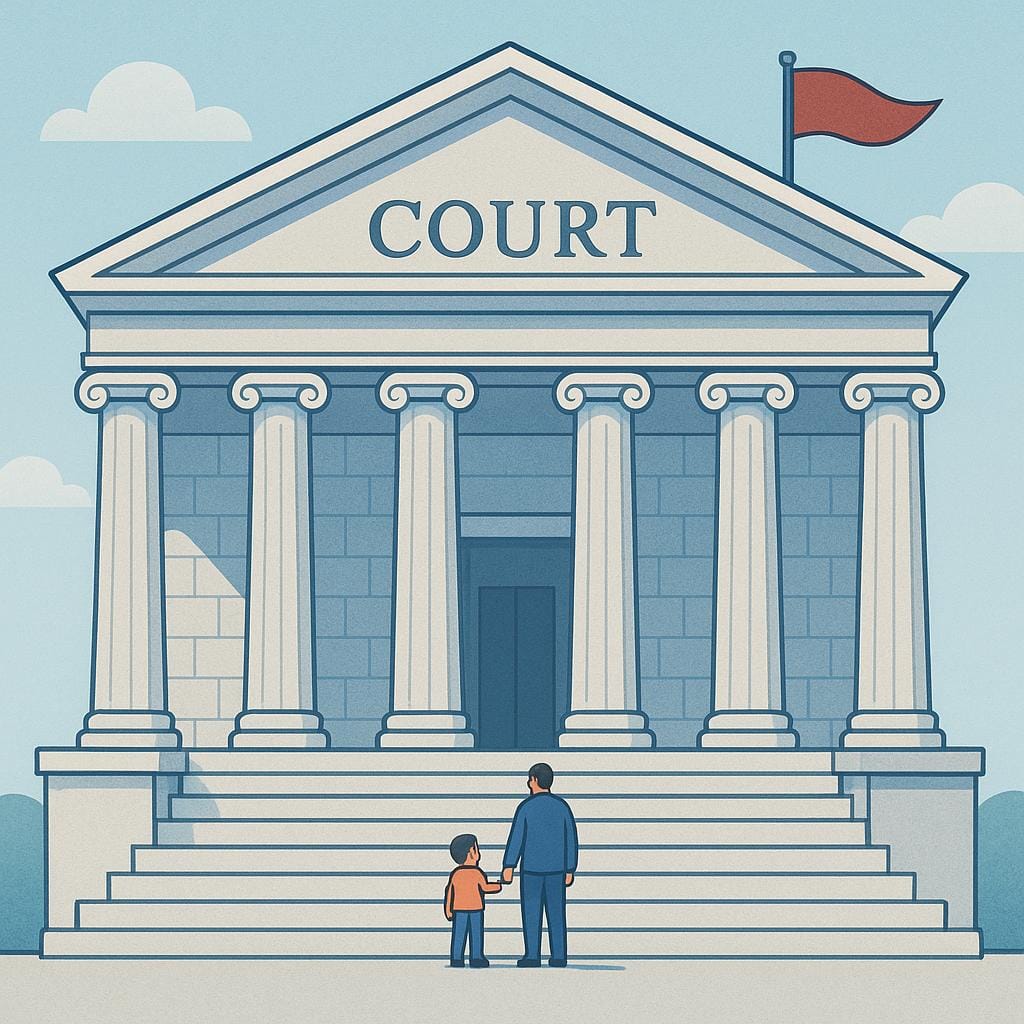
Use 'juzgado' to refer to the physical building or institution where legal proceedings take place.
Learn more →
Use 'corte' for a high-level judicial body, like a supreme court, or historically, a royal court.
Learn more →
This is the subjunctive form of 'buscar' (to seek) and is used when the subject is actively seeking something like peace, not referring to a place.
Learn more →
Use 'foro' to refer to the legal profession or the place where legal trials are held, often implying a public or professional arena.
Learn more →KAHN-chahˈkant͡ʃa
Examples
La cancha de tenis está ocupada ahora mismo.
The tennis court is busy right now.
Los niños están jugando en la cancha de fútbol.
The children are playing on the soccer field.
Feminine Noun Basics
Since this word ends in 'a,' it is feminine. Use 'la' for one and 'las' for more than one.
Cancha vs. Campo
Mistake: “Using 'cancha' to mean the rural countryside.”
Correction: Use 'campo' for the countryside or a very large open meadow; 'cancha' is specifically for a designated sports area.
kahm-pohˈkampo

Examples
Los jugadores ya están en el campo de fútbol.
The players are already on the soccer field.
Construyeron un nuevo campo de béisbol en el parque.
They built a new baseball field in the park.
Vamos a reservar un campo de tenis para el sábado.
Let's book a tennis court for Saturday.
PEES-tahˈpis.ta

Examples
Los coches de carreras van muy rápido en la pista.
The race cars go very fast on the track.
Tenemos reservada la pista de tenis a las cinco.
We have the tennis court reserved at five.
Me encanta patinar en la pista de hielo en invierno.
I love skating at the ice rink in winter.
tree-boo-NAHLtɾi.βuˈnal

Examples
El tribunal falló a favor del demandante.
The court ruled in favor of the plaintiff.
Mañana comparecerá ante el tribunal supremo.
Tomorrow he will appear before the supreme court.
Se estableció un tribunal de arbitraje para resolver la disputa.
An arbitration tribunal was established to resolve the dispute.
Masculine Noun
Since 'tribunal' ends in 'l,' it is a masculine noun, so you must use 'el' or 'un' before it: 'el tribunal' (the court).
Mixing up 'Tribunal' and 'Corte'
Mistake: “Using 'corte' exclusively, when 'tribunal' might be more specific.”
Correction: 'Tribunal' often refers to a higher or specialized court, or the panel of judges itself, while 'corte' is more general and also means 'cut' or 'royal court'.
hooz-GAH-dohxuzˈɣa.ðo
Examples
Tuvimos que ir al juzgado para presentar la demanda.
We had to go to the courthouse to file the lawsuit.
El juzgado emitió una orden de arresto contra el sospechoso.
The court issued an arrest warrant against the suspect.
Masculine Noun
Remember that 'juzgado' is always masculine, so you use 'el juzgado' or 'un juzgado'.
KOR-tehˈkoɾ.te

Examples
El acusado fue llevado ante la corte.
The defendant was brought before the court.
La Corte Suprema anunció su veredicto.
The Supreme Court announced its verdict.
La corte del rey celebraba grandes fiestas en el palacio.
The king's court held grand parties in the palace.
Gender Matters: 'el corte' vs. 'la corte'
This is a key difference! 'El corte' (masculine) almost always means a 'cut' or 'interruption.' 'La corte' (feminine) means a legal or royal 'court.' Remembering the gender helps you know which meaning is intended.
Mixing up the Genders
Mistake: “Hubo una la corte de luz.”
Correction: Hubo un corte de luz. Use 'un' (masculine) for outages and physical cuts.
BOO-skehˈbuske

Examples
El presidente pide que el país busque la paz.
The president asks that the country seek peace.
Busque siempre la excelencia en su trabajo.
Always seek excellence in your work. (Uses 'usted busque'—Formal Command)
Dudo que busque problemas con sus vecinos.
I doubt that he looks for trouble with his neighbors. (Uses 'él busque'—Present Subjunctive)
Subjunctive Trigger
When 'busque' follows verbs of desire, necessity, or doubt (like 'pedir,' 'necesitar,' or 'dudar'), it shows that the action of searching is uncertain or dependent on someone else.
FOH-rohˈfo.ɾo

Examples
Es una abogada con mucha experiencia en el foro.
She is a lawyer with a lot of experience in the courts (at the bar).
El foro madrileño se reunió hoy.
The Madrid legal community met today.
Las normas del foro son estrictas.
The rules of the court are strict.
Using 'el foro' as a group
In legal contexts, 'el foro' can refer to the whole community of lawyers, similar to how 'the bar' is used in English.
Confusion with 'Courtroom'
Mistake: “Estoy dentro del foro.”
Correction: Estoy en la sala. Use 'sala' for the physical room; use 'foro' to refer to the legal world or practice in a broader sense.
Sports vs. Legal Context
The most common confusion is between the sports terms ('cancha', 'campo', 'pista') and the legal terms ('corte', 'juzgado', 'tribunal', 'foro'). Always determine if you are talking about a place to play sports or a place/institution for legal matters before choosing a translation.
Related Translations
Learn Spanish with Inklingo
Interactive stories, personalized learning, and more.