How to Say "pitch" in Spanish
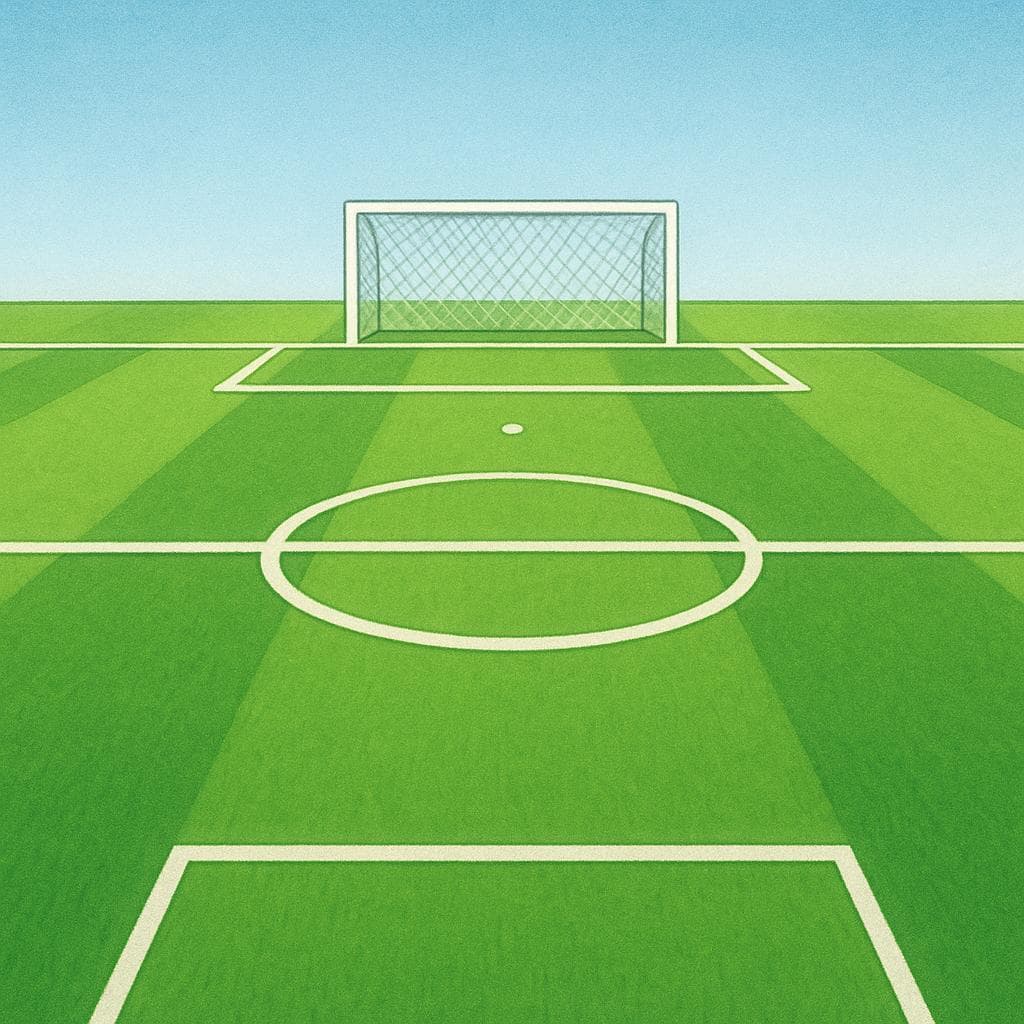
The most common Spanish word for “pitch” is “campo” — use 'campo' when referring to an outdoor sports field, especially in British English contexts like a soccer field.




campo
kahm-pohˈkampo
Examples
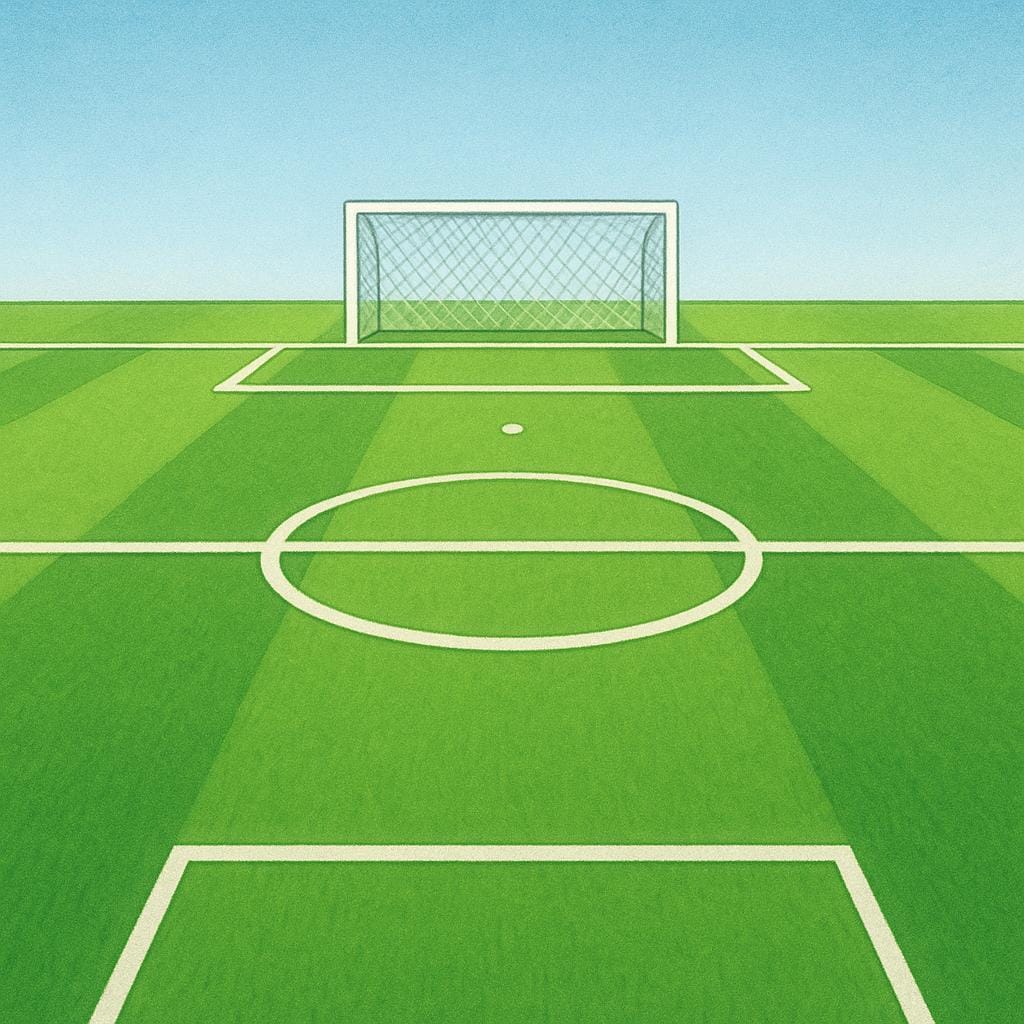
Los jugadores ya están en el campo de fútbol.
The players are already on the soccer field.
Construyeron un nuevo campo de béisbol en el parque.
They built a new baseball field in the park.
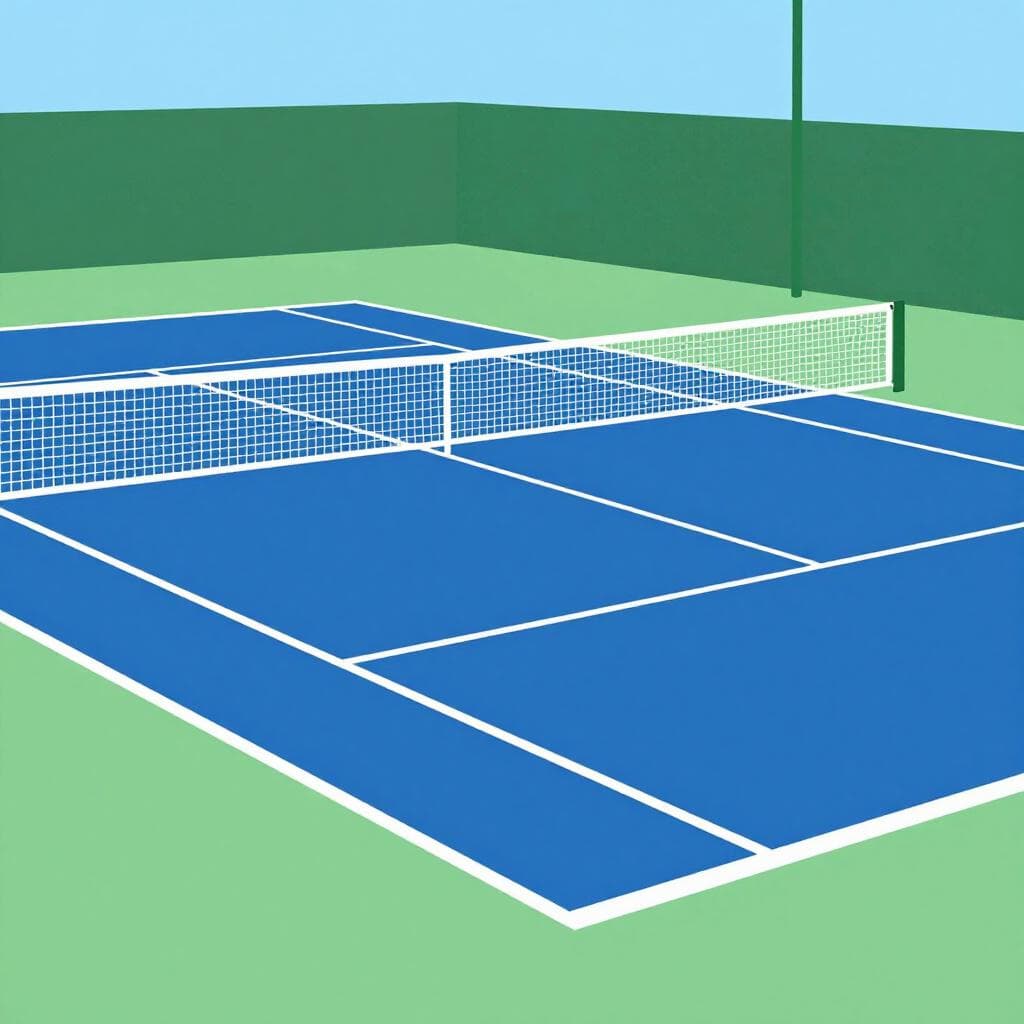
Vamos a reservar un campo de tenis para el sábado.
Let's book a tennis court for Saturday.
cancha
KAHN-chahˈkant͡ʃa
Examples
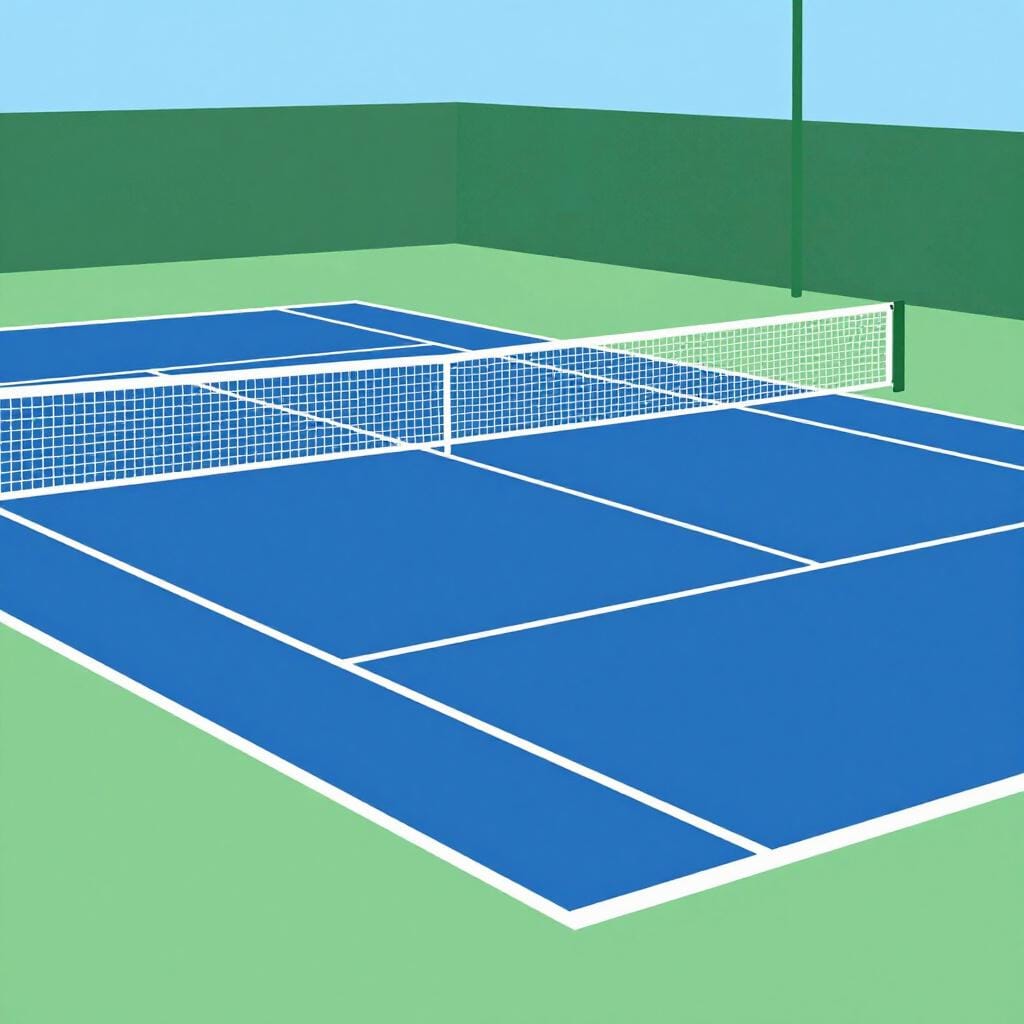
La cancha de tenis está ocupada ahora mismo.
The tennis court is busy right now.
Los niños están jugando en la cancha de fútbol.
The children are playing on the soccer field.
Feminine Noun Basics
Since this word ends in 'a,' it is feminine. Use 'la' for one and 'las' for more than one.
Cancha vs. Campo
Mistake: “Using 'cancha' to mean the rural countryside.”
Correction: Use 'campo' for the countryside or a very large open meadow; 'cancha' is specifically for a designated sports area.
lanzar
lahn-ZAHRlanˈθaɾ

Examples
El niño lanzó la pelota muy lejos.
The boy threw the ball very far.
Tenemos que lanzar el ancla antes de que empiece la tormenta.
We have to drop the anchor before the storm begins.
Spelling Change Rule (C to Z)
To keep the 's' sound consistent, 'lanzar' changes the 'z' to a 'c' whenever it is followed by the vowel 'e'. This only happens in the 'yo' form of the past simple (lancé) and in the special forms used for wishes and commands (subjunctive).
tiro
TEE-rohˈtiɾo

Examples
El delantero falló el tiro a la portería.
The striker missed the shot at the goal.
Estuvo a un tiro de piedra de la casa, muy cerca.
It was a stone's throw from the house, very close.
Measuring Distance
The phrase 'a un tiro de piedra' (a stone's throw) is a very common way to describe something that is very close by.
tono
TOH-nohˈtono

Examples
El piano necesita afinación, el tono está un poco bajo.
The piano needs tuning, the tone is a little flat.
Su voz tiene un tono muy grave y resonante.
His voice has a very deep and resonant pitch.
El tono de llamada de mi móvil es una melodía clásica.
My cell phone ringtone is a classical melody.
Masculine Noun Rule
Remember that 'tono' is a masculine noun, so you must use 'el' or 'un' before it, and any describing words (adjectives) must also end in -o (e.g., 'el tono fuerte').
lanzamiento
lan-sah-MYEN-tohlanθaˈmjento

Examples
Ganó la medalla de oro en el lanzamiento de jabalina.
He won the gold medal in the javelin throw.
El árbitro pitó un lanzamiento de falta.
The referee whistled for a free throw.
Field vs. Action vs. Sound
Learn Spanish with Inklingo
Interactive stories, personalized learning, and more.