How to Say "shot" in Spanish
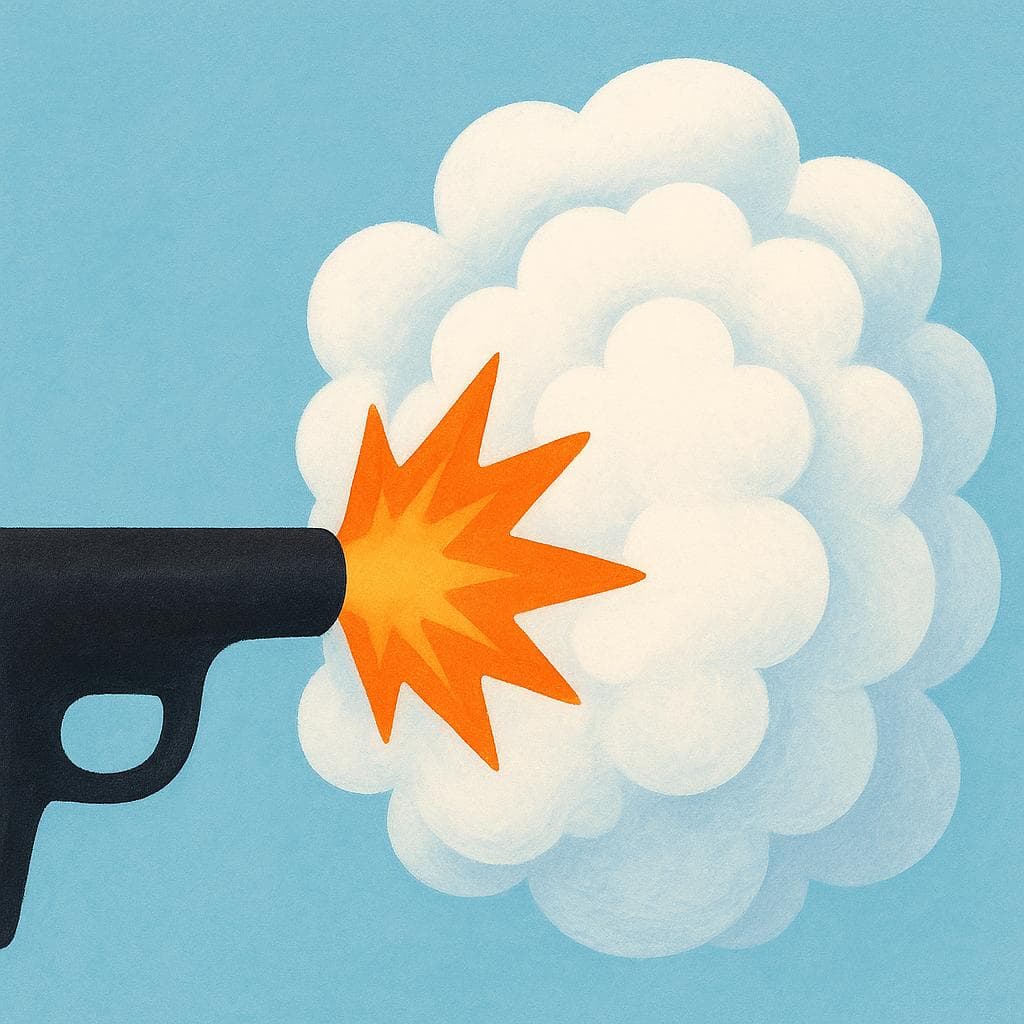
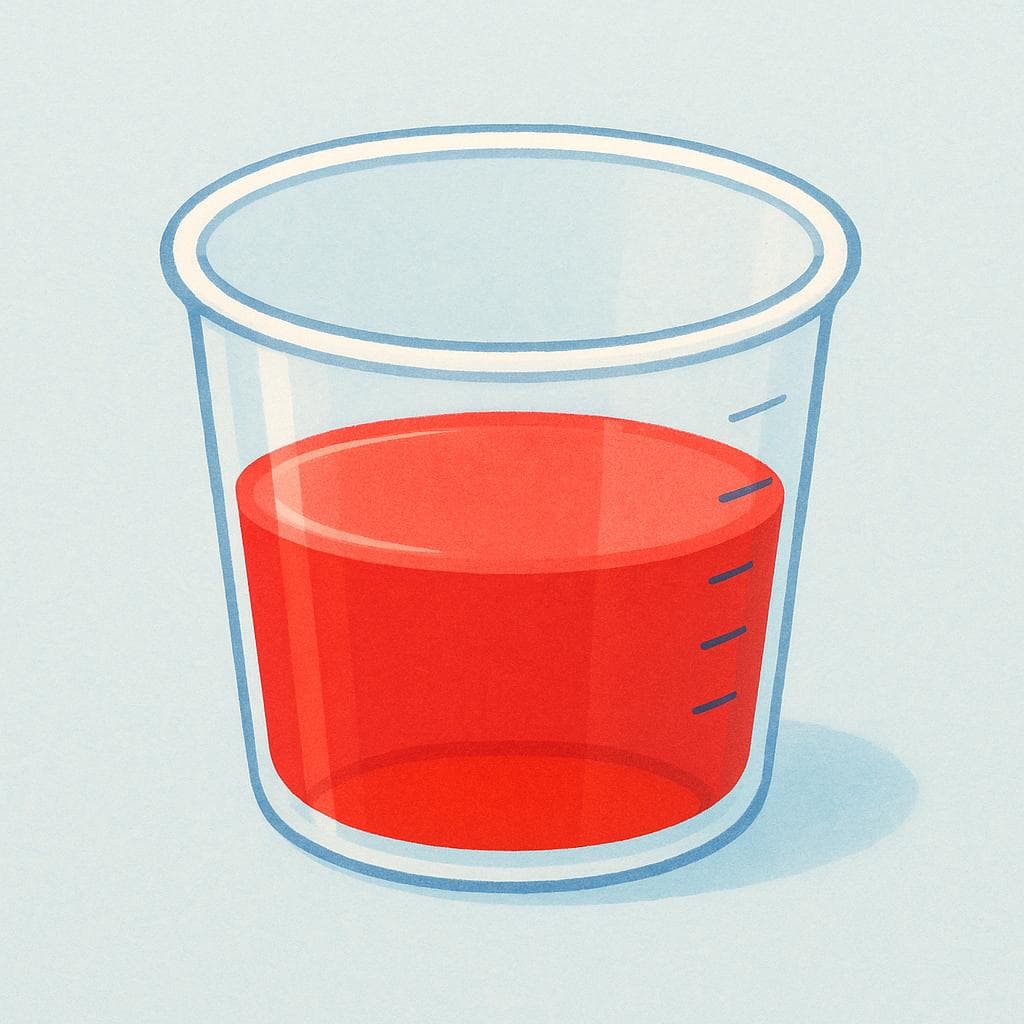
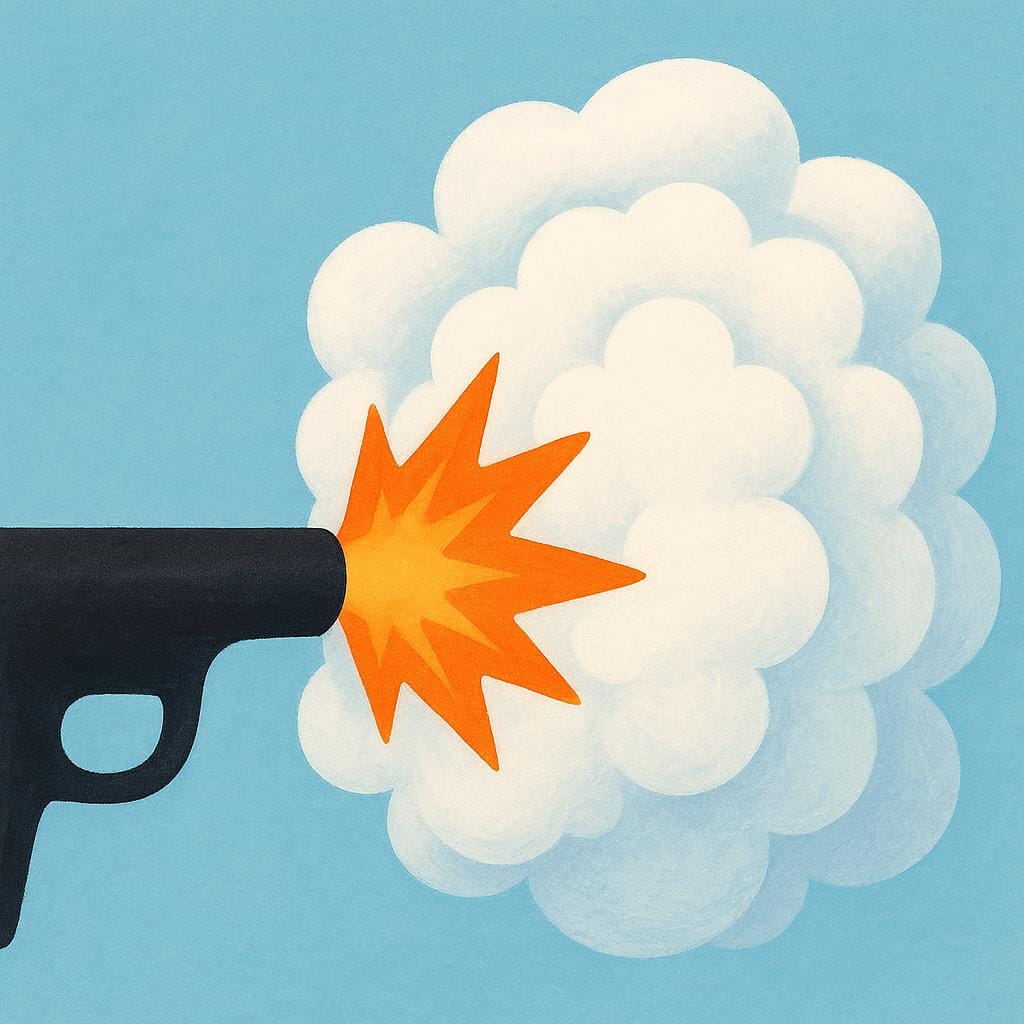
The most common Spanish word for “shot” is “tiro” — use this for the general act of firing a weapon, a gunshot sound, or a projectile fired from a gun. It's also used for attempts in games like basketball or pool.





tiro
TEE-rohˈtiɾo
Examples
El policía hizo un tiro al aire para detener la pelea.
The police officer fired a shot into the air to stop the fight.
Necesitamos practicar el tiro al blanco este fin de semana.
We need to practice target shooting this weekend.
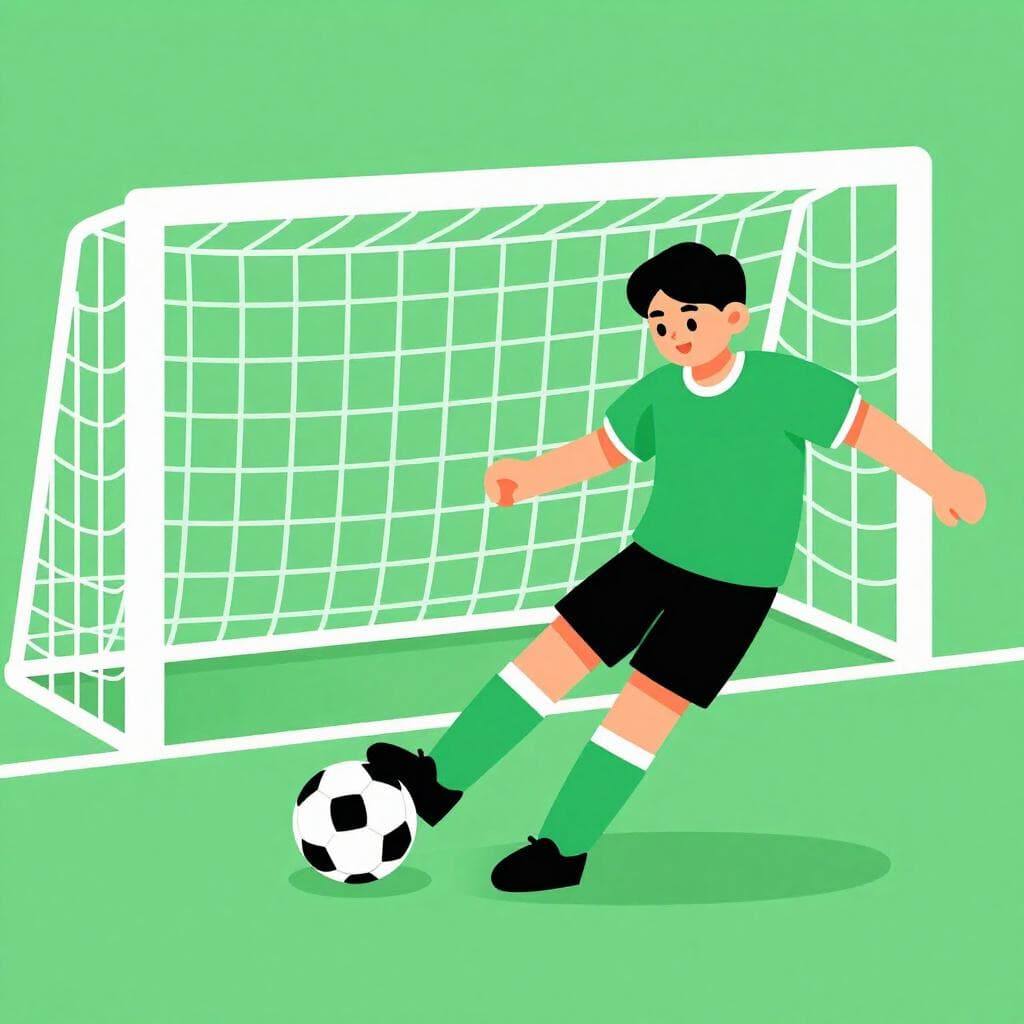
El delantero falló el tiro a la portería.
The striker missed the shot at the goal.
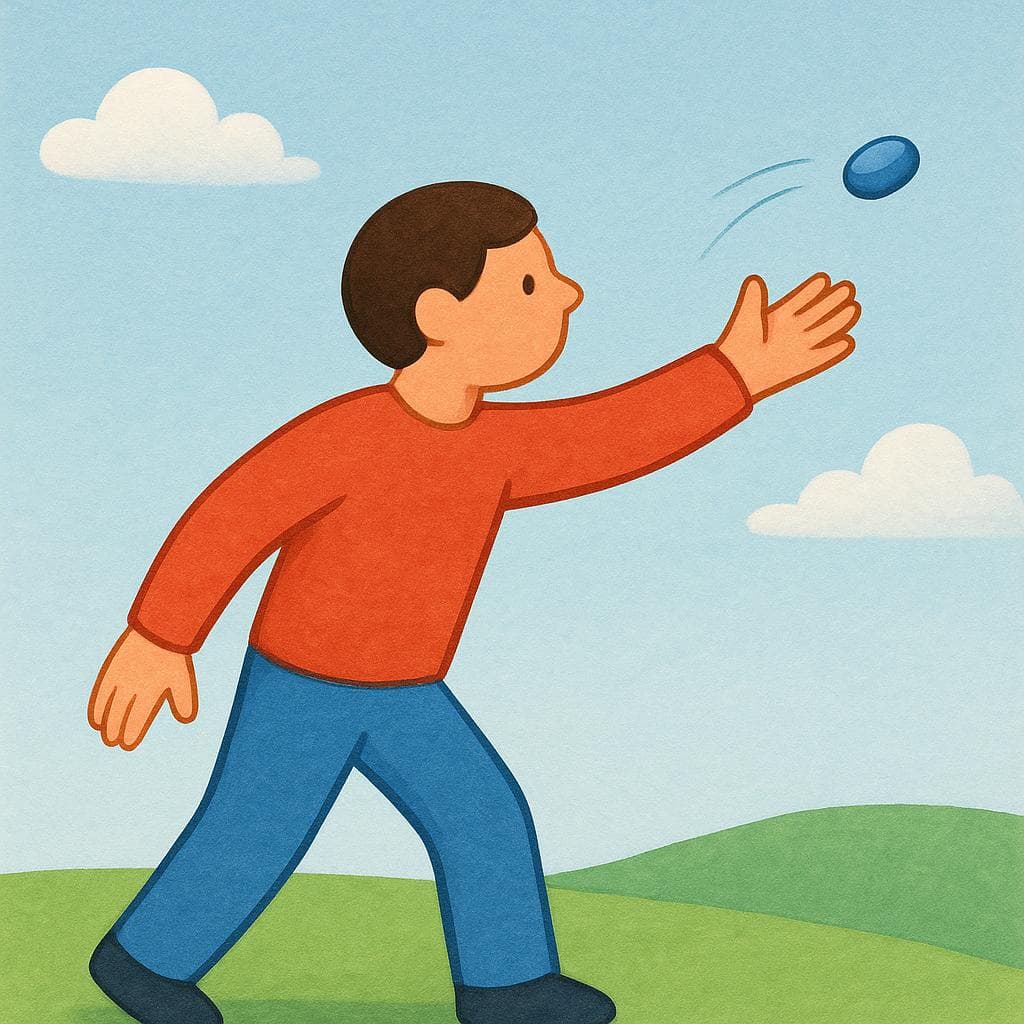
Estuvo a un tiro de piedra de la casa, muy cerca.
It was a stone's throw from the house, very close.
Measuring Distance
The phrase 'a un tiro de piedra' (a stone's throw) is a very common way to describe something that is very close by.
bala
BAH-lahˈbala

Examples
Encontraron una bala en el suelo después del ruido.
They found a bullet on the ground after the noise.
El chaleco antibalas está diseñado para detener las balas.
The bulletproof vest is designed to stop bullets.
Gender Reminder
Even though it ends in '-a', 'bala' is a feminine noun, so you use 'la' or 'una' before it.
disparo
dees-PAH-rohdisˈpaɾo
Examples
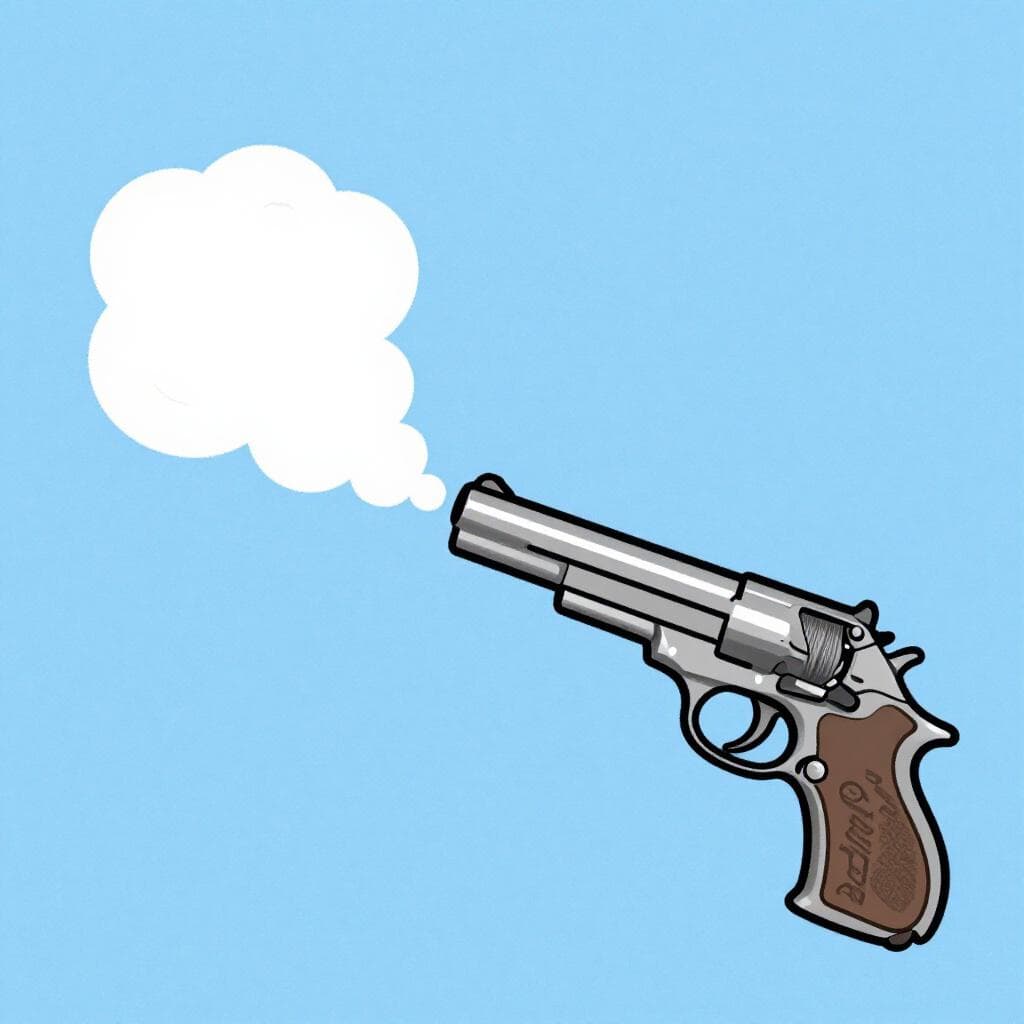
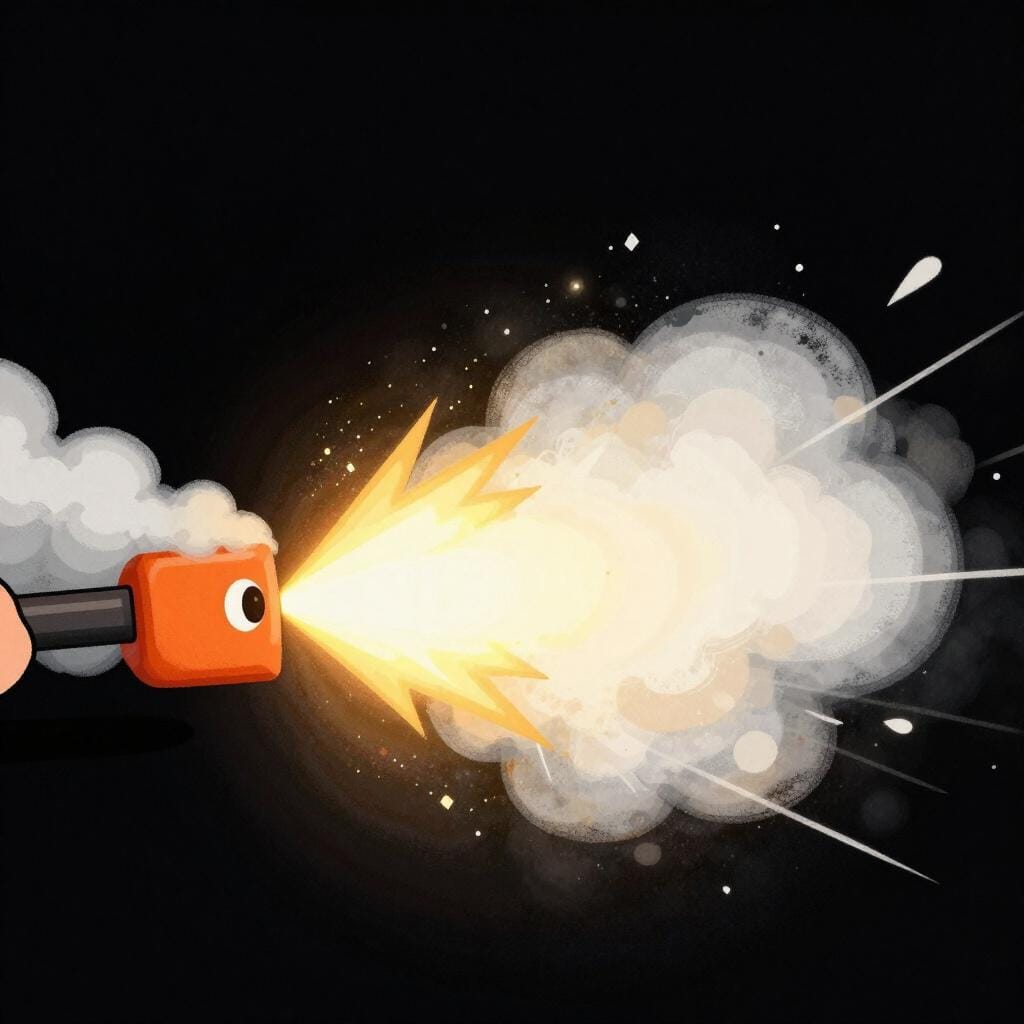
Se oyó un disparo en la distancia y todos se asustaron.
A shot was heard in the distance and everyone got scared.
El disparo de los precios del petróleo afectó la economía.
The spike in oil prices affected the economy.
Necesitamos practicar el tiro al blanco, ¿cuántos disparos quedan?
We need to practice target shooting, how many shots are left?
Gender Check
Since 'disparo' ends in -o, it is a masculine noun and always uses 'el' (el disparo) or 'un' (un disparo).
Confusing Noun and Verb
Mistake: “Using 'disparo' (the noun) when you mean the action of shooting (the infinitive verb 'disparar').”
Correction: Remember 'disparo' is the *result* or *act* (the shot), while 'disparar' is the *action* (to shoot).
inyección
Examples
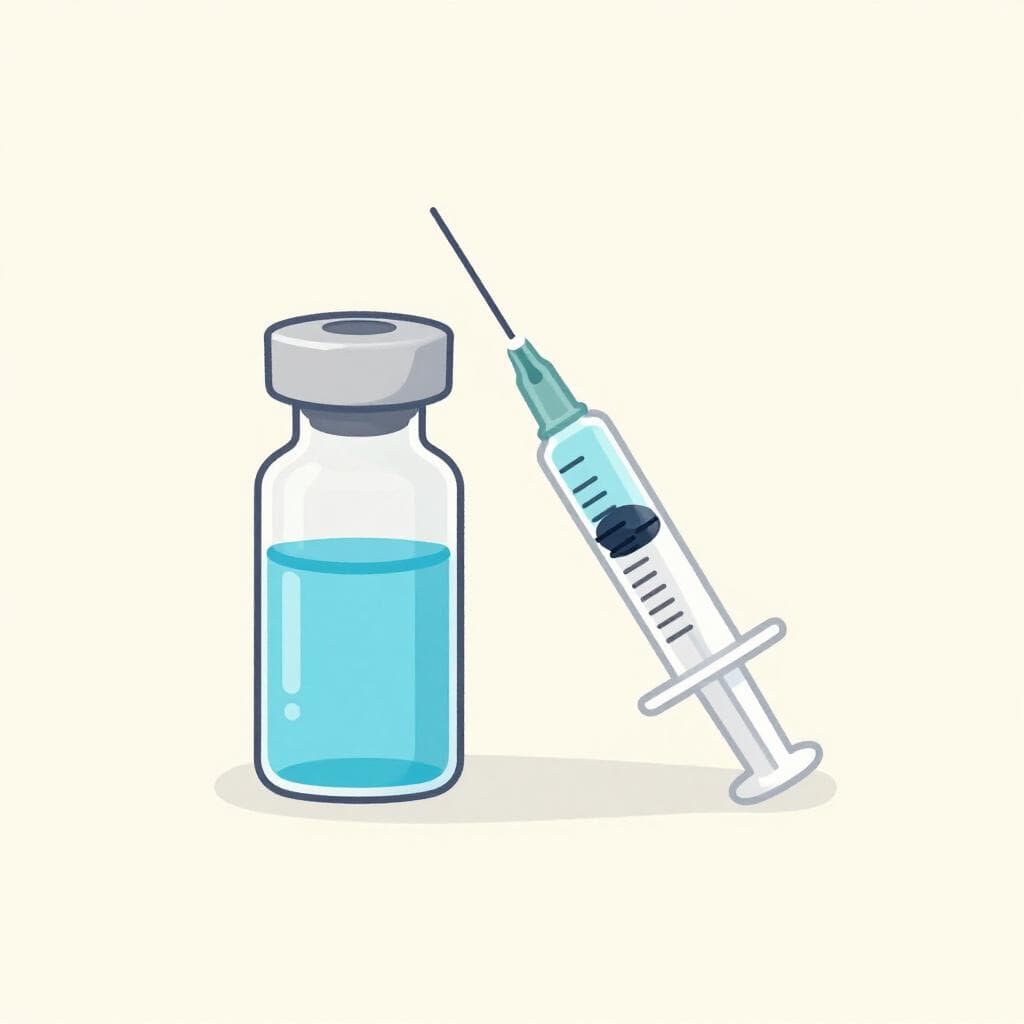
Necesité una inyección para calmar el dolor.
I needed a shot to calm the pain.
chance
chahn-sehˈtʃanse

Examples
Solo necesito un chance para demostrar mi valor.
I just need one chance to prove my worth.
Si me das un chance, puedo arreglarlo.
If you give me a shot, I can fix it.
Llegué tarde y perdí el chance de verla.
I arrived late and missed the opportunity to see her.
Masculine Noun
Even though 'chance' sounds like an English word, in Spanish it is always masculine, so you must use 'el chance' or 'un chance'.
Using 'La Chance'
Mistake: “La chance”
Correction: El chance. Remember that this word is masculine.
pinchazo
peen-CHAH-sohpinˈt͡ʃaθo
Examples
Sentí un pequeño pinchazo en el brazo.
I felt a little prick in my arm.
Solo será un pinchazo, no llores.
It will only be a quick shot, don't cry.
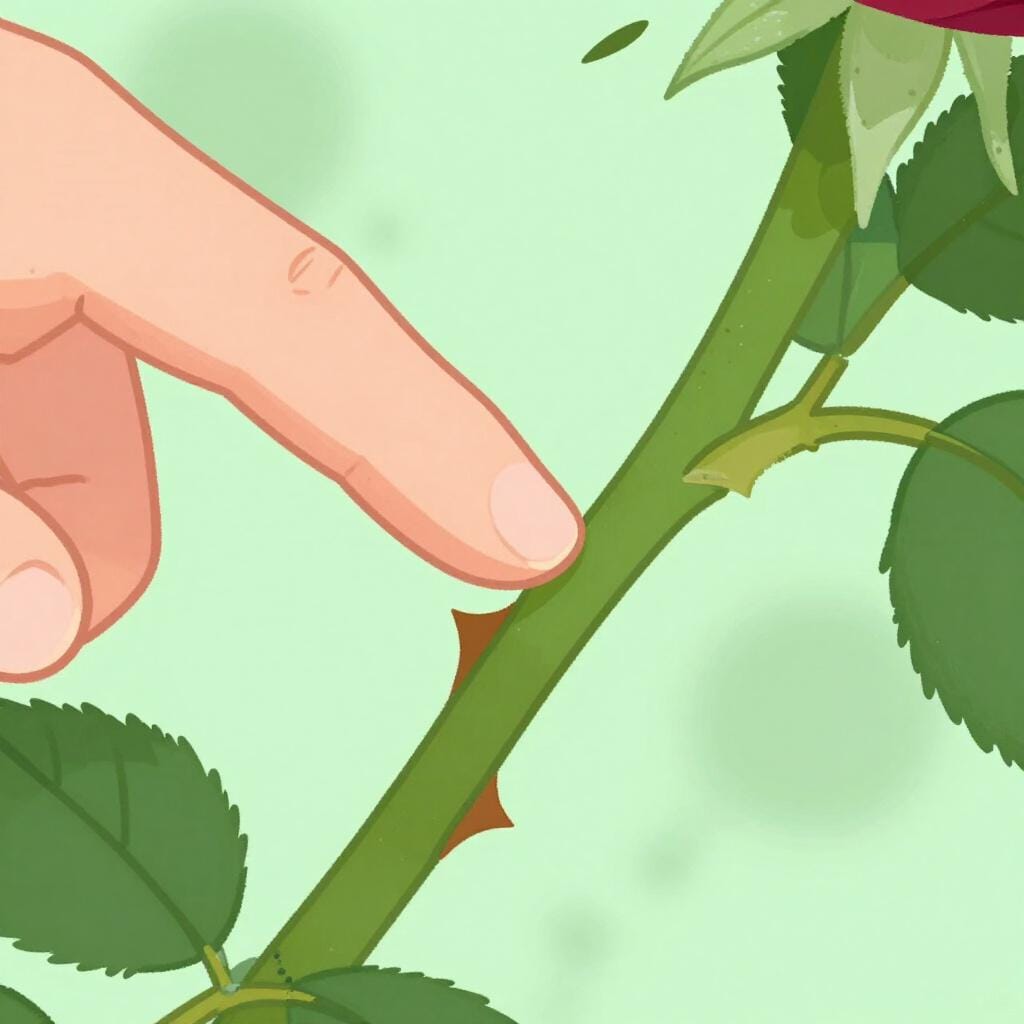
Me di un pinchazo con la espina de la rosa.
I pricked myself with the rose thorn.
The -azo Ending
The ending '-azo' in Spanish usually refers to a sudden action or a hit with something. In this case, it's a 'hit' with something sharp.
Shot vs. Pinchazo
Mistake: “Using 'disparo' for a medical shot.”
Correction: Use 'pinchazo' or 'inyección'. 'Disparo' is only for a gun!
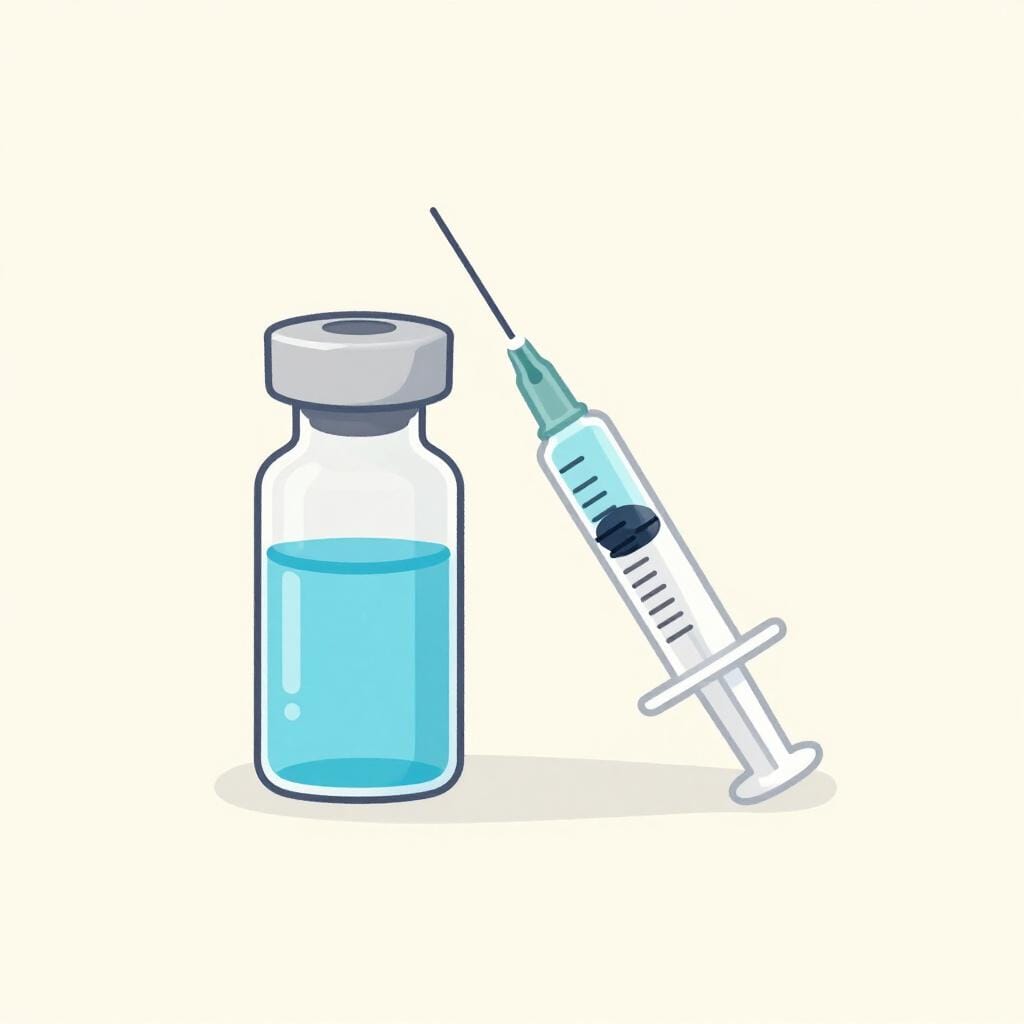
vacuna
ba-KOO-nahbaˈkuna
Examples
La vacuna contra la gripe es anual.
The flu vaccine is annual.
Mañana me ponen la segunda vacuna.
I am getting the second shot tomorrow.
Gender and Articles
Since this word ends in '-a' and is feminine, always use 'la' or 'una' before it.
Vaccine vs. Cow
Mistake: “Confusing 'vacuna' with 'vaca'.”
Correction: While related historically, 'vaca' is the animal (cow) and 'vacuna' is the medicine (vaccine).
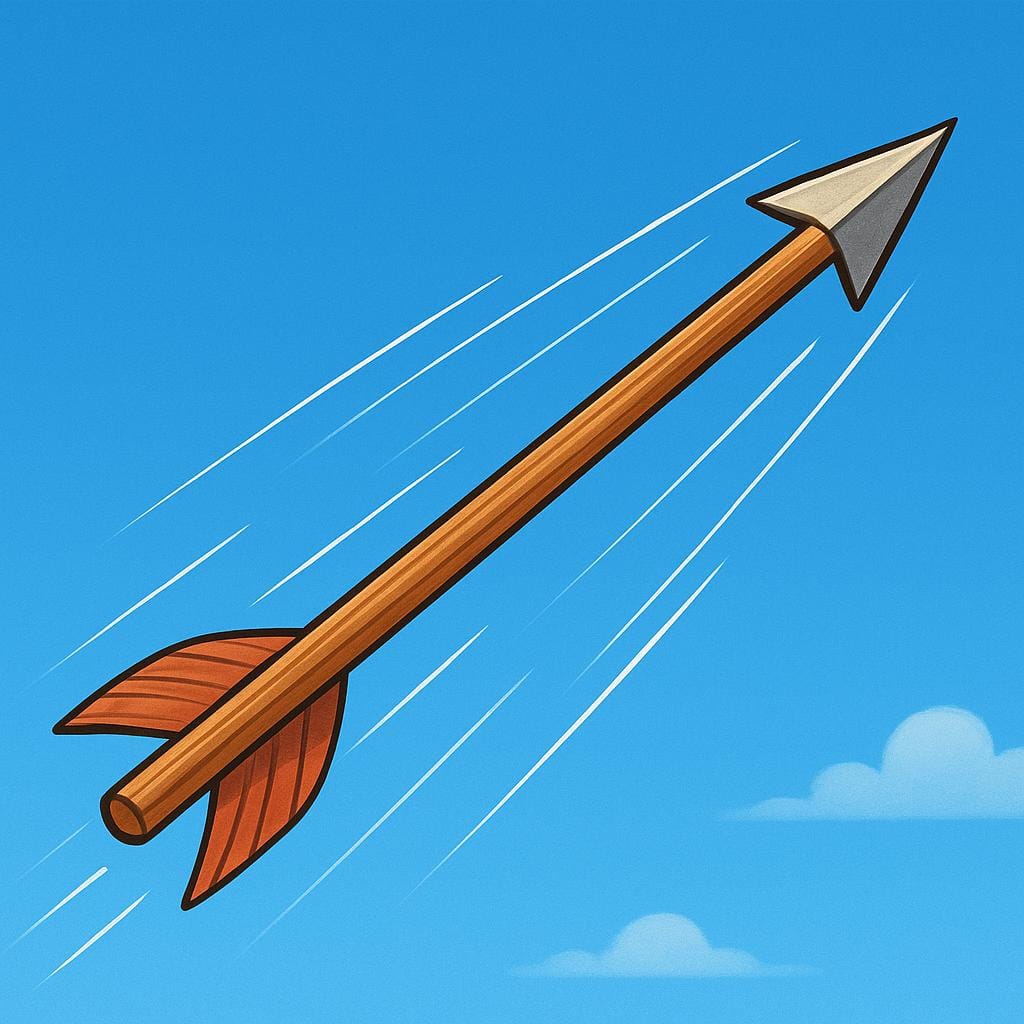
disparado
dees-pah-RAH-dohdis.paˈɾa.ðo
Examples
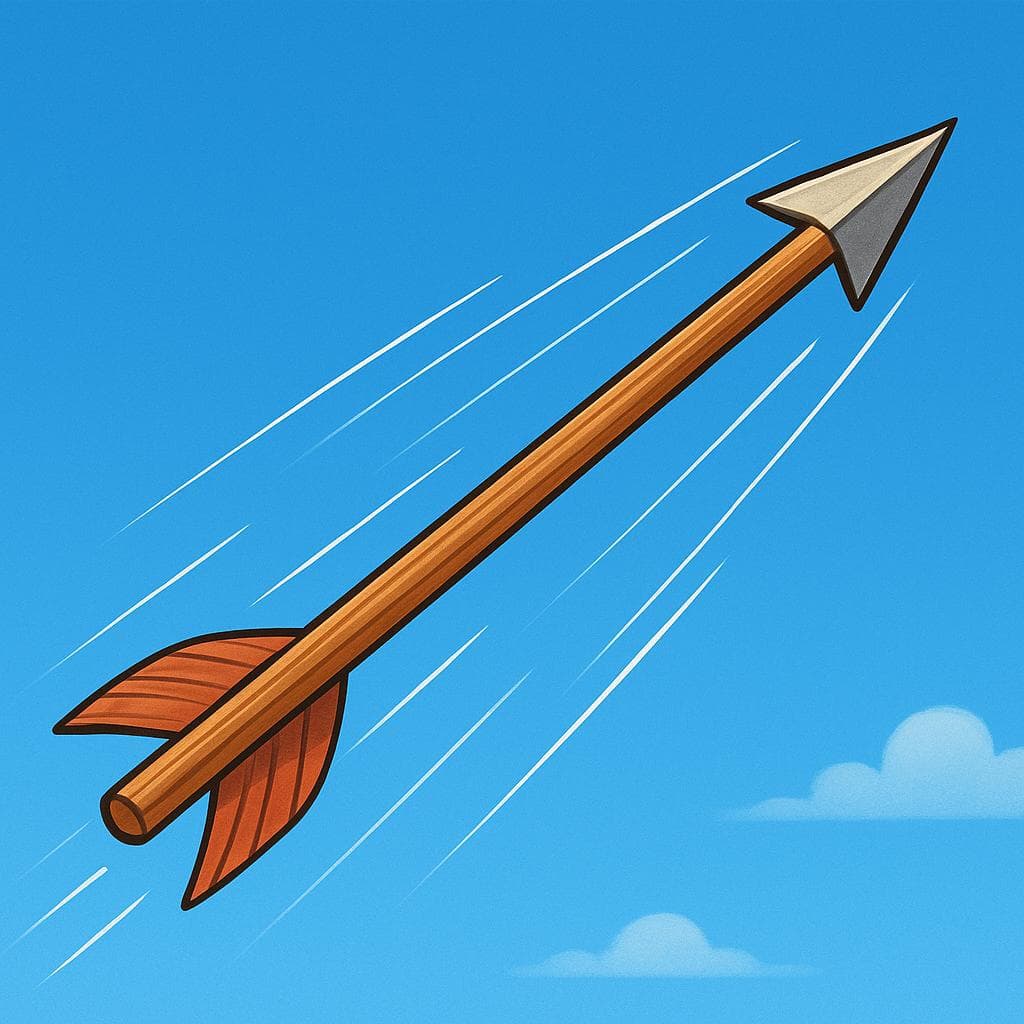
La flecha fue disparada con mucha fuerza.
The arrow was shot with great force.
El arma había sido disparada recientemente.
The weapon had been recently fired.
El proyectil disparado impactó en el blanco.
The fired projectile hit the target.
The Passive Voice
This is the form used when something receives the action of shooting. You often see it with the verb 'ser' (to be) to form the passive voice: 'fue disparado' (it was shot).
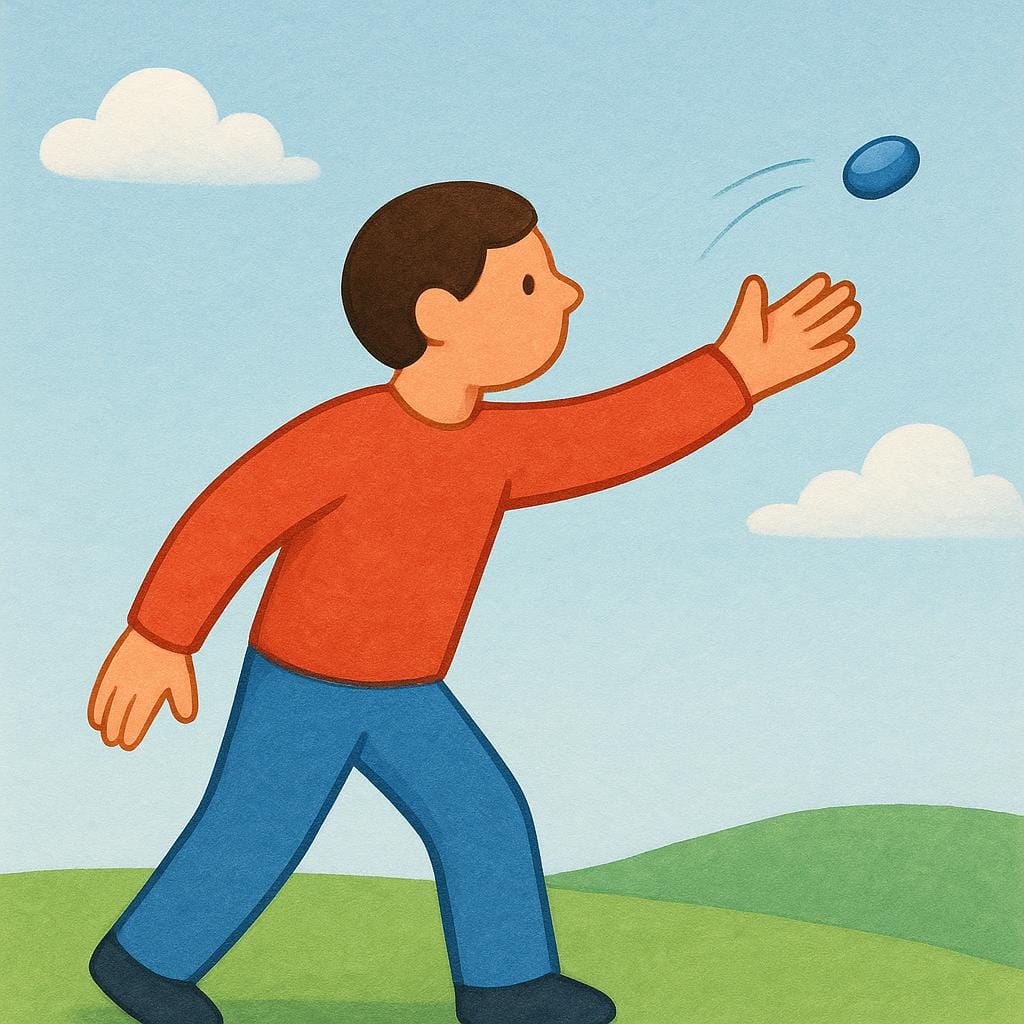
lanzamiento
lan-sah-MYEN-tohlanθaˈmjento
Examples
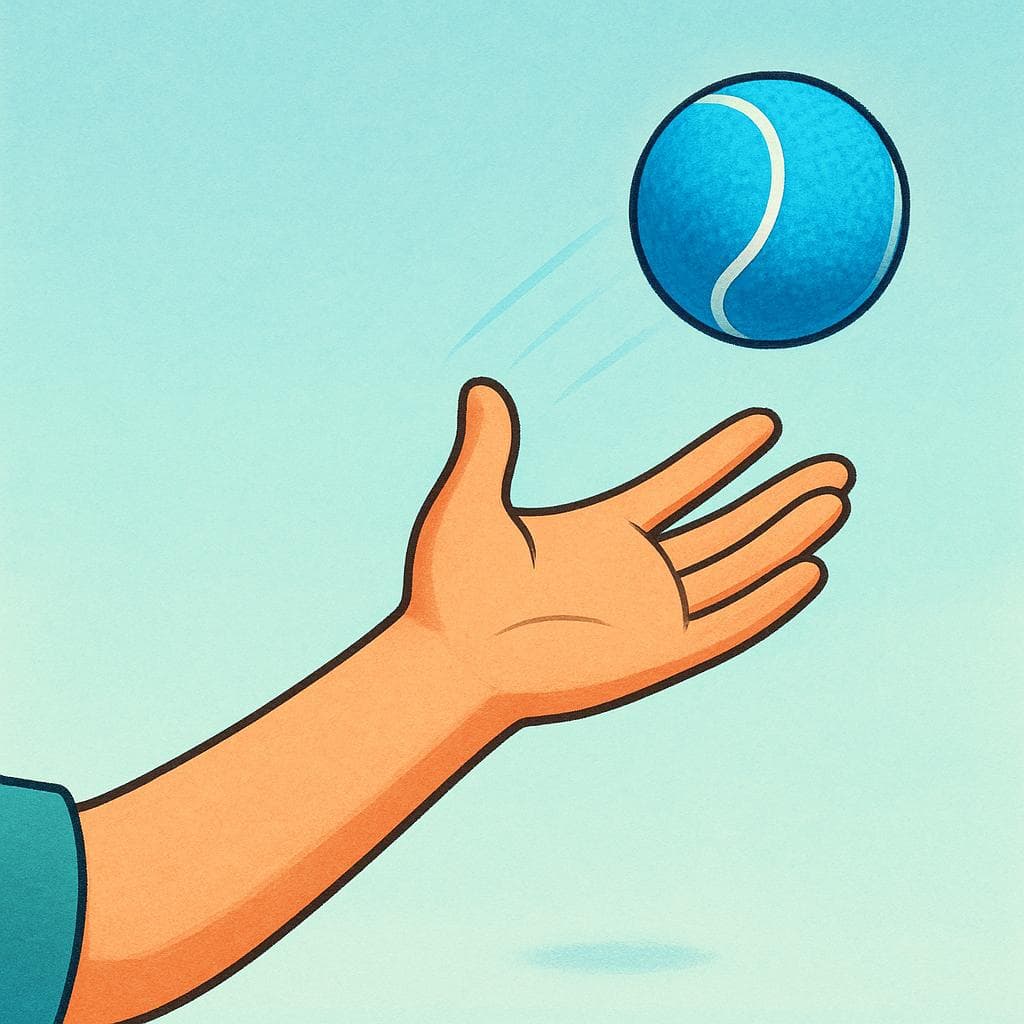
El lanzamiento de la piedra fue muy potente.
The throw of the stone was very powerful.
Vimos el lanzamiento del cohete en la televisión.
We watched the rocket launch on television.
The verb 'lanzar'
Remember that 'lanzamiento' is the action (the noun). The verb is 'lanzar' ('to throw' or 'to launch'): 'Él lanza la pelota' (He throws the ball).
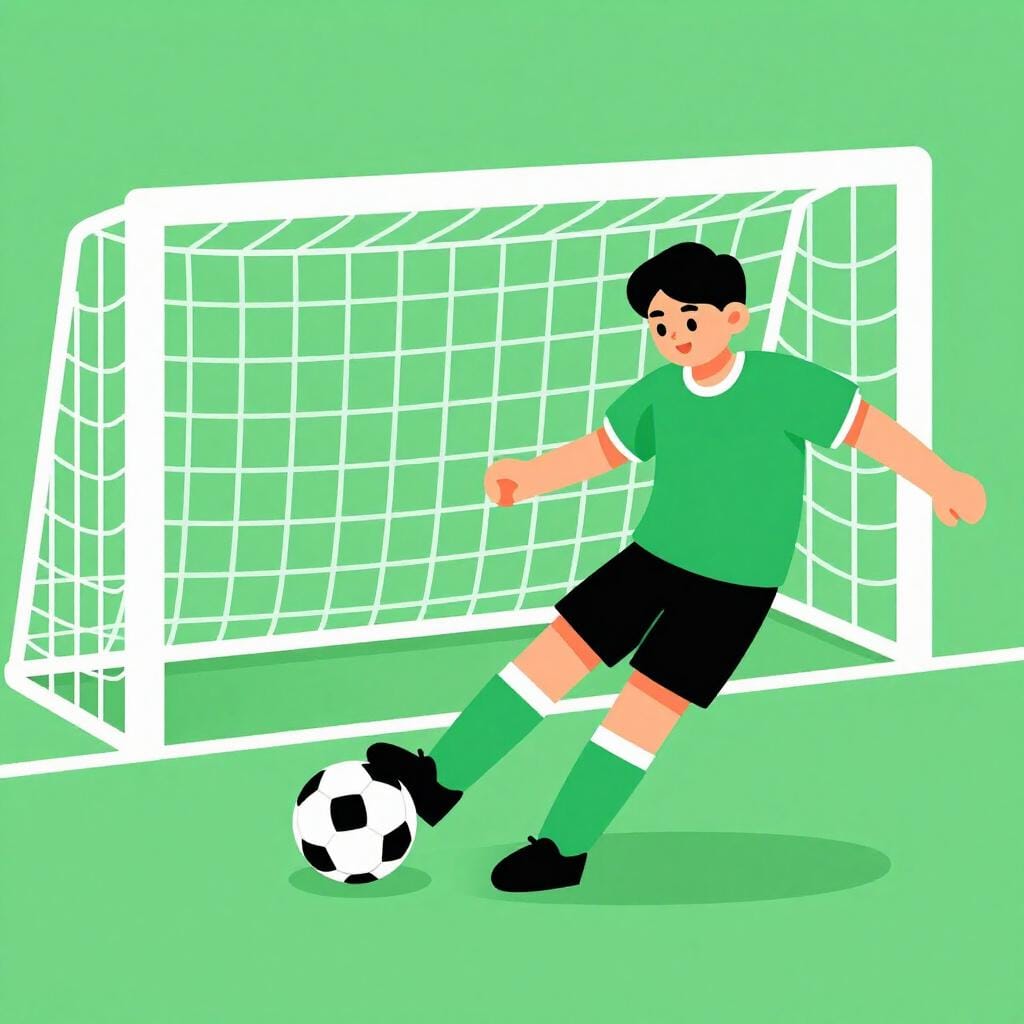
remate
reh-MAH-tehreˈmate
Examples
Fue un remate de cabeza espectacular.
It was a spectacular header.
El portero detuvo el remate de Messi.
The goalkeeper stopped Messi's shot.
El equipo ganó gracias a un remate potente en el último minuto.
The team won thanks to a powerful shot in the last minute.
Action vs. Result
While 'rematar' is the action of shooting, 'el remate' is the actual shot itself.
Not just feet
Mistake: “Thinking 'remate' only refers to kicking a ball.”
Correction: It refers to any final strike toward a goal, including using your head or your hands in volleyball.
trago
TRAH-gohˈtɾa.ɣo

Examples
Pedimos dos tragos de ron y una cerveza.
We ordered two rum drinks and a beer.
Después de un largo día, solo quiero un trago fuerte.
After a long day, I just want a strong drink.
¿Quién paga los tragos de esta noche?
Who is paying for the drinks tonight?
Plural Use
When talking about having multiple alcoholic beverages, you almost always use the plural: 'unos tragos'.
Confusion with Drink
Mistake: “Using 'trago' when you mean a non-alcoholic beverage like juice or soda.”
Correction: Use 'bebida' or 'refresco' for non-alcoholic drinks. 'Trago' implies alcohol in social settings.
balazo
ba-lah-sobaˈlaso
Examples
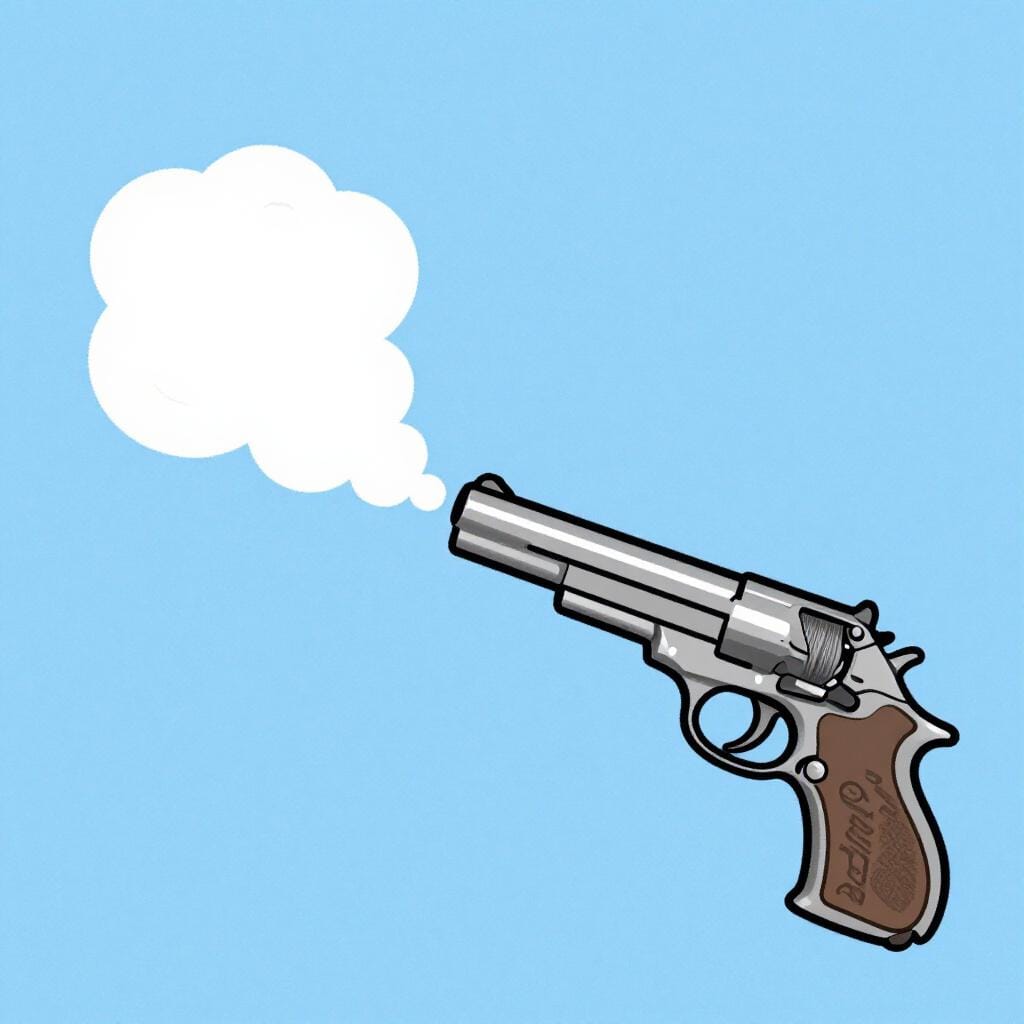
Se escuchó un balazo a lo lejos.
A gunshot was heard in the distance.
El hombre sobrevivió a un balazo en el hombro.
The man survived a bullet wound in the shoulder.
La policía investiga quién dio el balazo.
The police are investigating who fired the shot.
The 'Hit' Ending
The ending '-azo' is often added to nouns to describe a hit or a blow from that object. Since it comes from 'bala' (bullet), a 'balazo' is the hit or impact of a bullet.
Action vs. Result
While 'disparo' focuses on the act of pulling the trigger, 'balazo' focuses more on the bullet itself or the injury it leaves behind.
Confusing Balazo and Bala
Mistake: “Tengo una balazo en mi mochila.”
Correction: Tengo una bala en mi mochila.
munición
Examples
El ejército se quedó sin munición durante la batalla.
The army ran out of ammunition during the battle.
plano
plah-nohˈplano

Examples
El director decidió hacer un primer plano de sus ojos para mostrar la emoción.
The director decided to do a close-up shot of her eyes to show the emotion.
El plano general captura todo el paisaje de la montaña.
The wide shot captures the entire mountain landscape.
lance
lan-se/ˈlanθe/ (Spain) /'lanse/ (Latam)
Examples
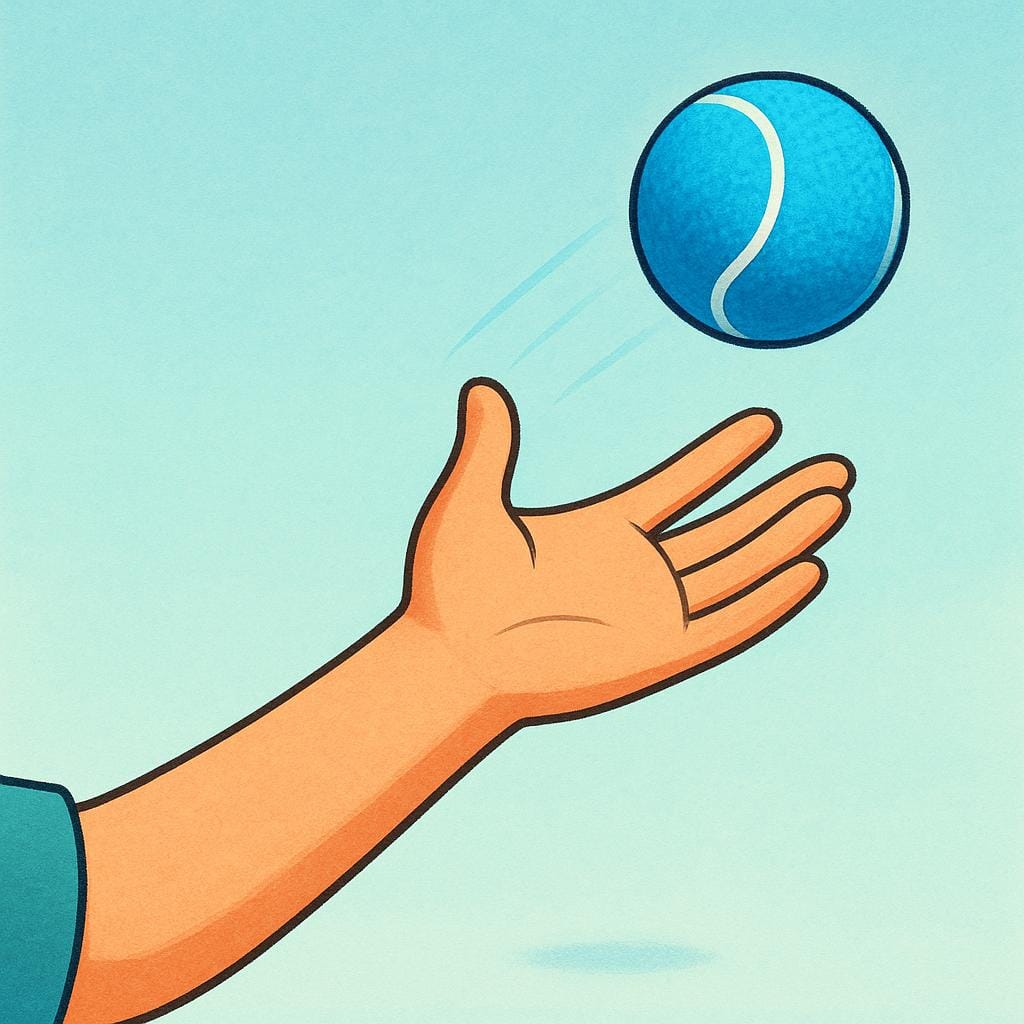
El pescador hizo un lance perfecto y su red cayó sobre el banco de peces.
The fisherman made a perfect cast and his net fell over the school of fish.
Necesitas más fuerza en el lance para llegar a la otra orilla.
You need more strength in the throw to reach the other shore.
dosis
DOH-seesˈdo.sis
Examples
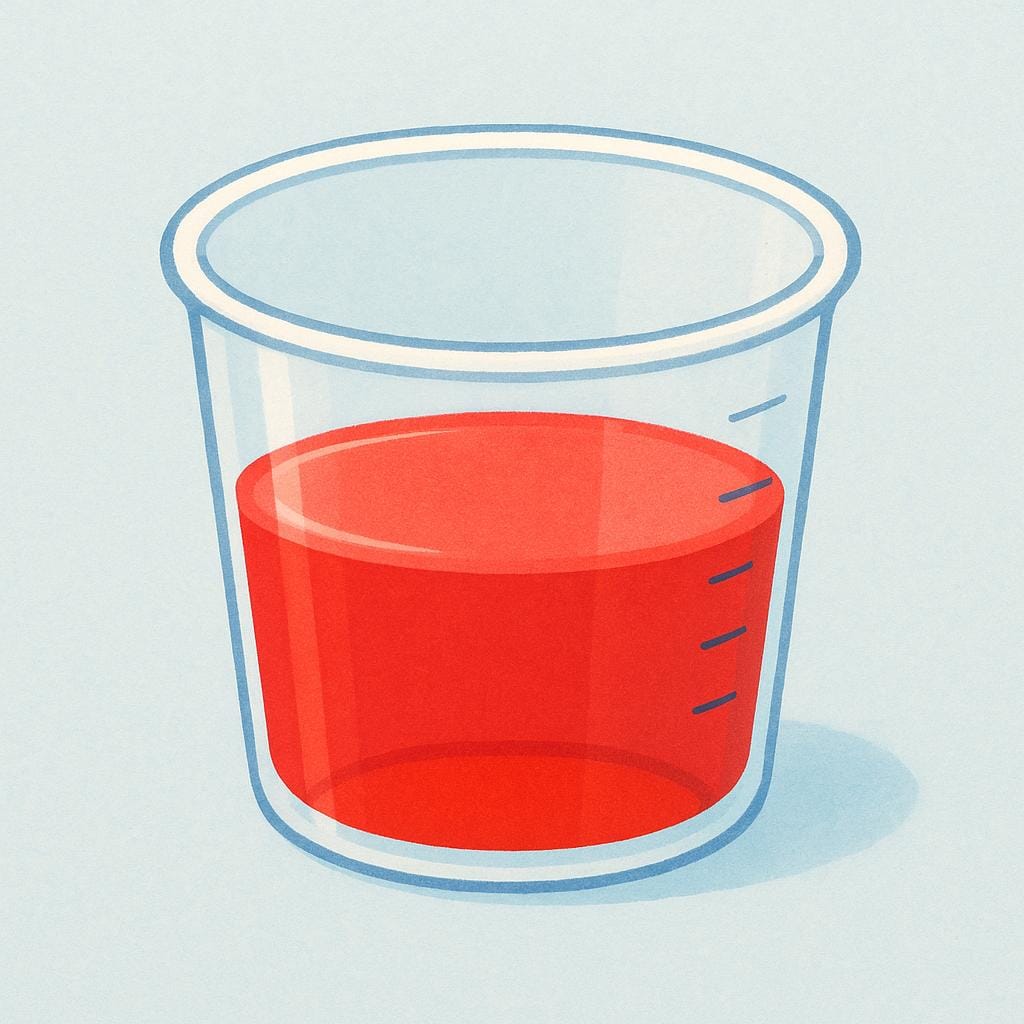
El doctor me dijo que tomara una dosis cada ocho horas.
The doctor told me to take one dose every eight hours.
La dosis de este medicamento es muy alta para un niño.
The dosage of this medicine is too high for a child.
Necesitamos las dosis exactas para la vacuna.
We need the exact doses for the vaccine.
Always Feminine
Remember to always use feminine words before 'dosis': 'la dosis' (the dose), 'una dosis' (a dose).
Singular and Plural Look the Same!
Since 'dosis' already ends in -s, its form doesn't change when you make it plural. You only change the article: 'la dosis' (one dose), 'las dosis' (many doses).
Confusing Gender
Mistake: “El dosis.”
Correction: La dosis. Always treat it as a feminine word.
Bullet vs. Gunshot vs. Firing Action
Learn Spanish with Inklingo
Interactive stories, personalized learning, and more.