vacuna
“vacuna” means “vaccine” in Spanish. It has 2 different meanings depending on context:
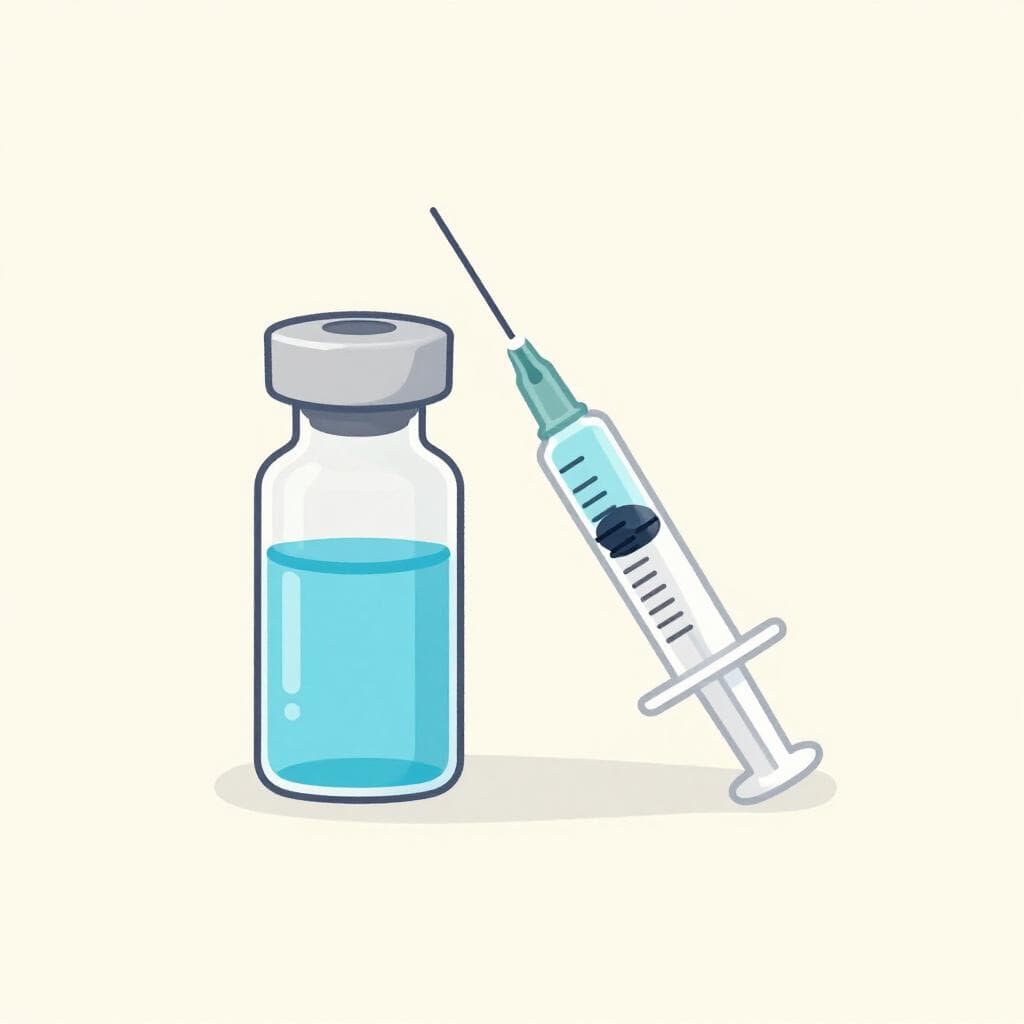

vaccineAlso: shot
📝 In Action
La vacuna contra la gripe es anual.
A2The flu vaccine is annual.
Mañana me ponen la segunda vacuna.
A2I am getting the second shot tomorrow.
Word Connections
vaccinatesAlso: vaccinate!

📝 In Action
El pediatra vacuna a los bebés hoy.
B1The pediatrician vaccinates the babies today.
¡Vacuna a tu perro para protegerlo!
B1Vaccinate your dog to protect it!
Word Connections
Subjunctive
Imperfect Subjunctive
Present Subjunctive
Indicative
Preterite
Imperfect
Present
Translate to Spanish
Words that translate to "vacuna" in Spanish:
✏️ Quick Practice
Quick Quiz: vacuna
Question 1 of 2
If a doctor says 'Él vacuna al niño', what is happening?
📚 More Resources
👥 Word Family
📚 Etymology
From the Latin 'vacca', meaning 'cow'. This is because the first smallpox vaccines were derived from cowpox viruses found in cows.
First recorded: 18th century
Cognates (Related words)
💡 Master Spanish
Take your Spanish to the next level. Read 200+ illustrated and narrated Spanish stories tailored to your level with the Inklingo app!
Frequently Asked Questions
Why is 'vacuna' related to cows?
Scientific history! The first vaccine was made using cowpox (viruela de las vacas) to protect people from smallpox, so they named the medicine after the cow ('vaca').
How do I say 'I have been vaccinated'?
You can say 'Estoy vacunado' (if you are male) or 'Estoy vacunada' (if you are female).