How to Say "blast" in Spanish
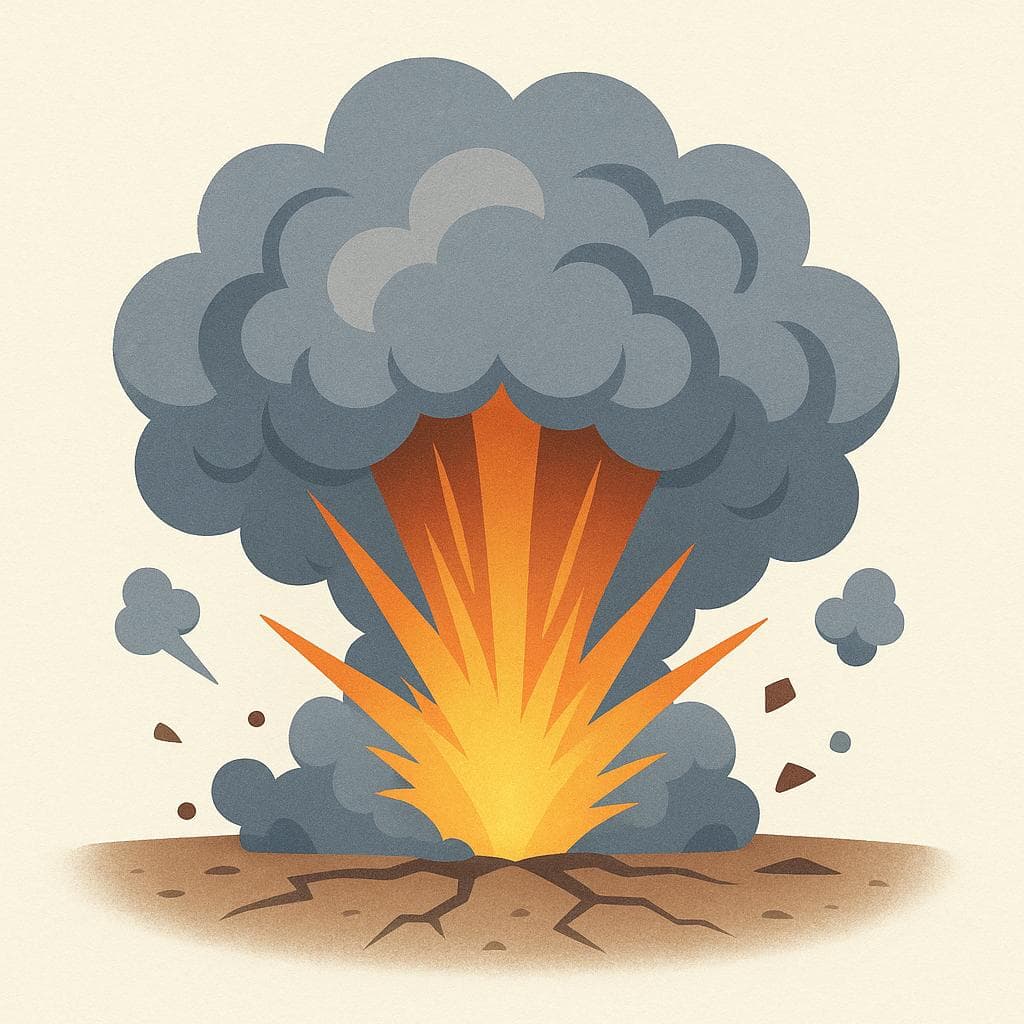
The most common Spanish word for “blast” is “explosión” — use 'explosión' for a violent, destructive event, often involving fire, gas, or a bomb.

explosión
Examples
La explosión de gas rompió todas las ventanas.
The gas explosion broke all the windows.
disparo
dees-PAH-rohdisˈpaɾo
Examples
Se oyó un disparo en la distancia y todos se asustaron.
A shot was heard in the distance and everyone got scared.
El disparo de los precios del petróleo afectó la economía.
The spike in oil prices affected the economy.
Necesitamos practicar el tiro al blanco, ¿cuántos disparos quedan?
We need to practice target shooting, how many shots are left?
Gender Check
Since 'disparo' ends in -o, it is a masculine noun and always uses 'el' (el disparo) or 'un' (un disparo).
Confusing Noun and Verb
Mistake: “Using 'disparo' (the noun) when you mean the action of shooting (the infinitive verb 'disparar').”
Correction: Remember 'disparo' is the *result* or *act* (the shot), while 'disparar' is the *action* (to shoot).
balazo
ba-lah-sobaˈlaso
Examples
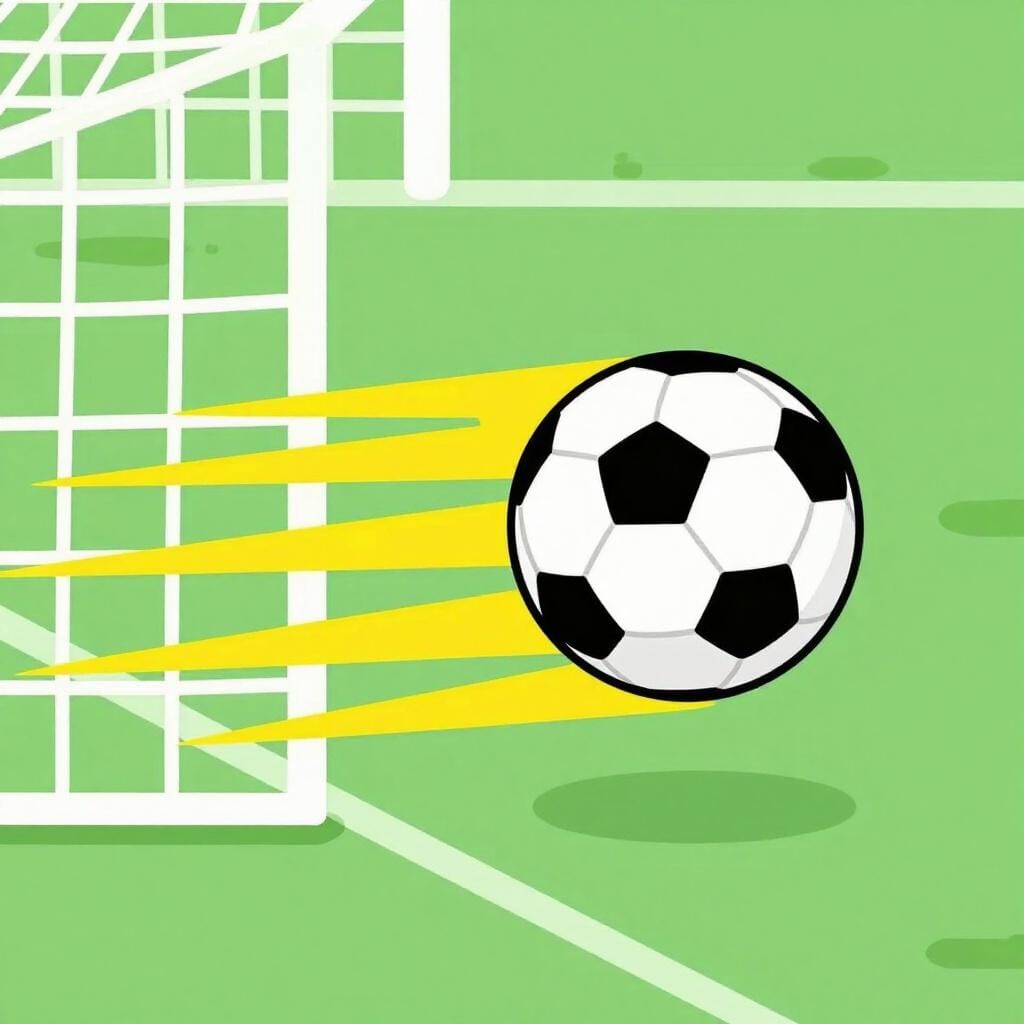
¡Vaya balazo metió el delantero!
What a blast the forward shot!
Le pegó un balazo al balón desde media cancha.
He sent a cannonball at the ball from mid-field.
El portero no pudo detener ese balazo.
The goalkeeper couldn't stop that rocket of a shot.
Sports Metaphors
Spanish speakers love using weapon imagery (cannon, bullet, fire) to describe how hard a ball is kicked.
racha
rah-chahˈrat͡ʃa

Examples
Una racha de viento muy fuerte me rompió el paraguas.
A very strong gust of wind broke my umbrella.
Habrá rachas de viento de hasta 80 kilómetros por hora.
There will be wind gusts of up to 80 kilometers per hour.
boom
/boom/ (like the English word)bum
Examples
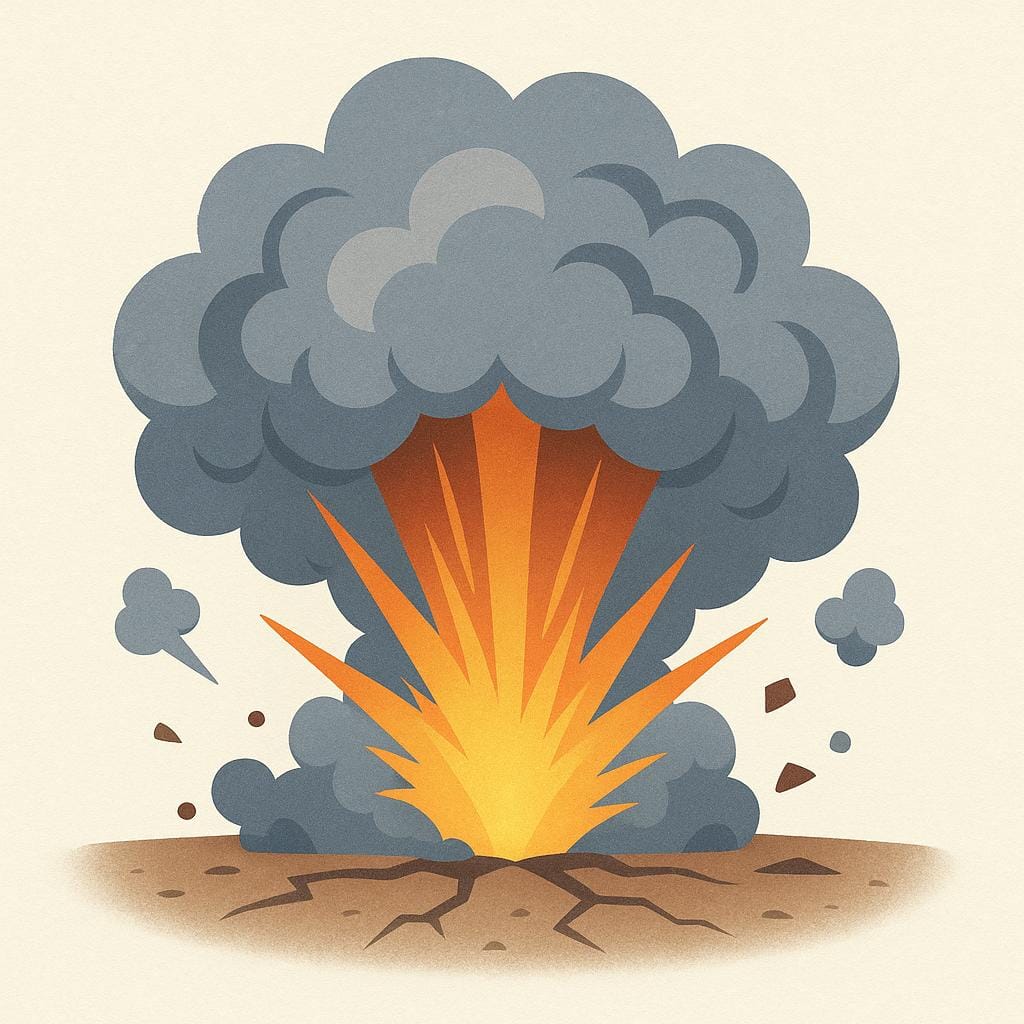
Oímos un gran boom que venía de la calle.
We heard a big boom coming from the street.
El cohete hizo boom y desapareció en el cielo.
The rocket went boom and disappeared into the sky.
Sound Words
In Spanish, words that imitate sounds (onomatopoeia) often function like nouns, or they are paired with verbs like 'hacer' (to make) to describe the action.
Sound vs. Event
Related Translations
Learn Spanish with Inklingo
Interactive stories, personalized learning, and more.