lance
“lance” means “incident” in Spanish. It has 3 different meanings depending on context:
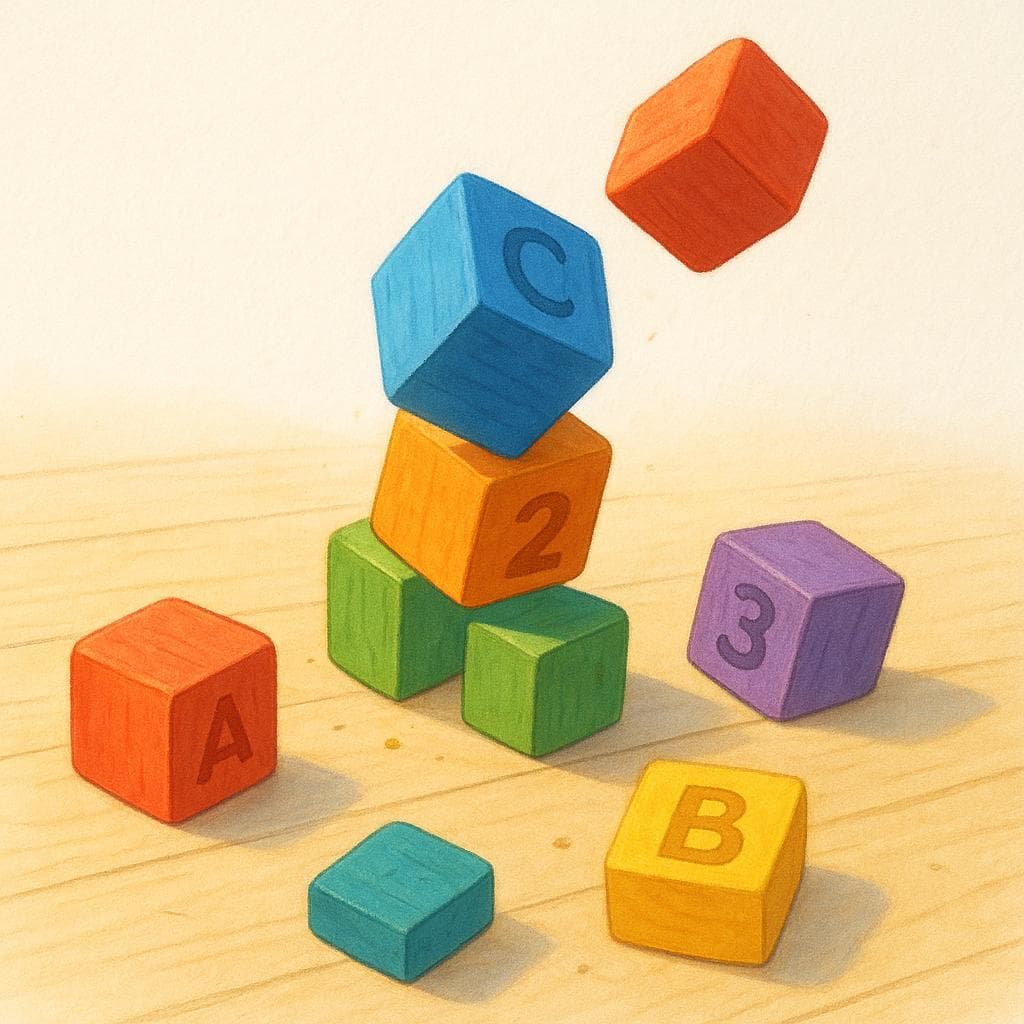
incident, encounter
Also: affair, tight spot
📝 In Action
Tuvimos un lance muy tenso con la policía en la frontera.
B2We had a very tense incident with the police at the border.
El joven tuvo un lance amoroso con la hija del jefe.
C1The young man had a romantic affair with the boss's daughter.
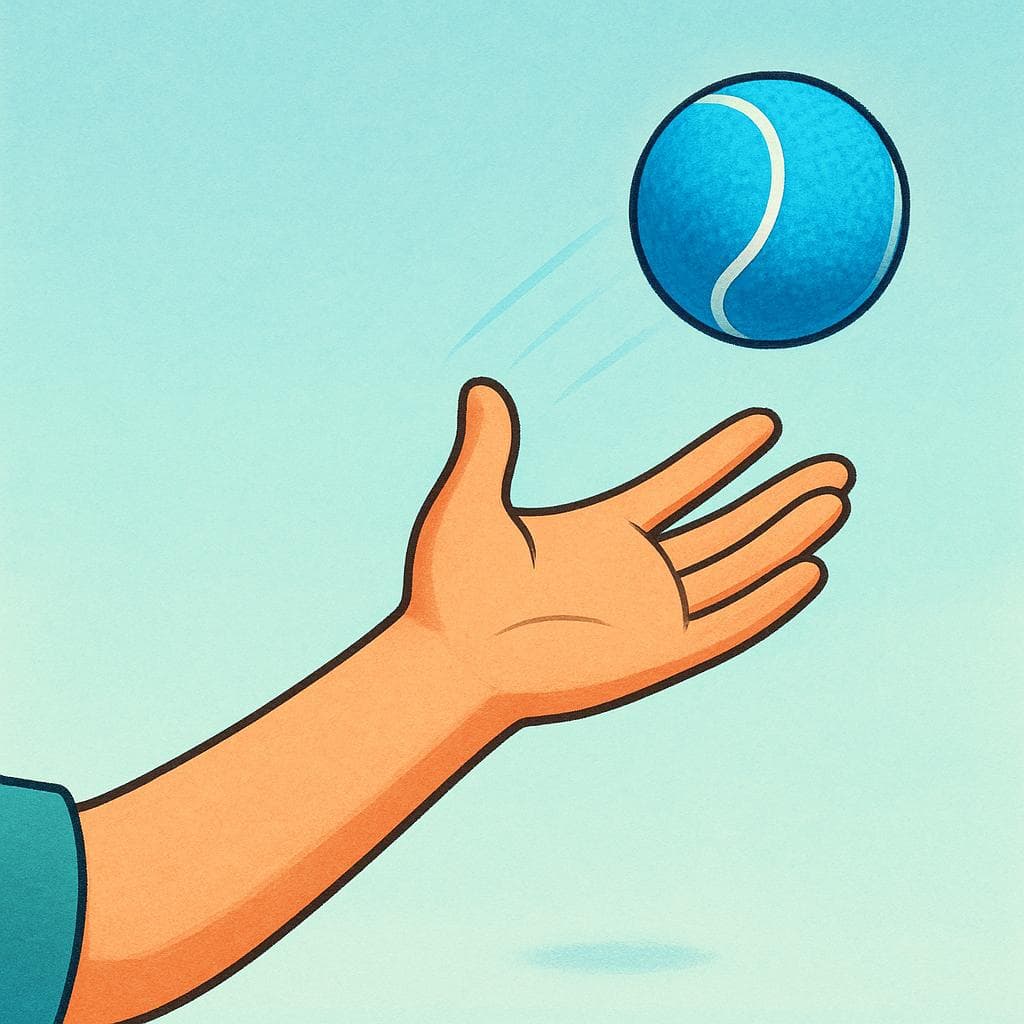
throw, cast
Also: shot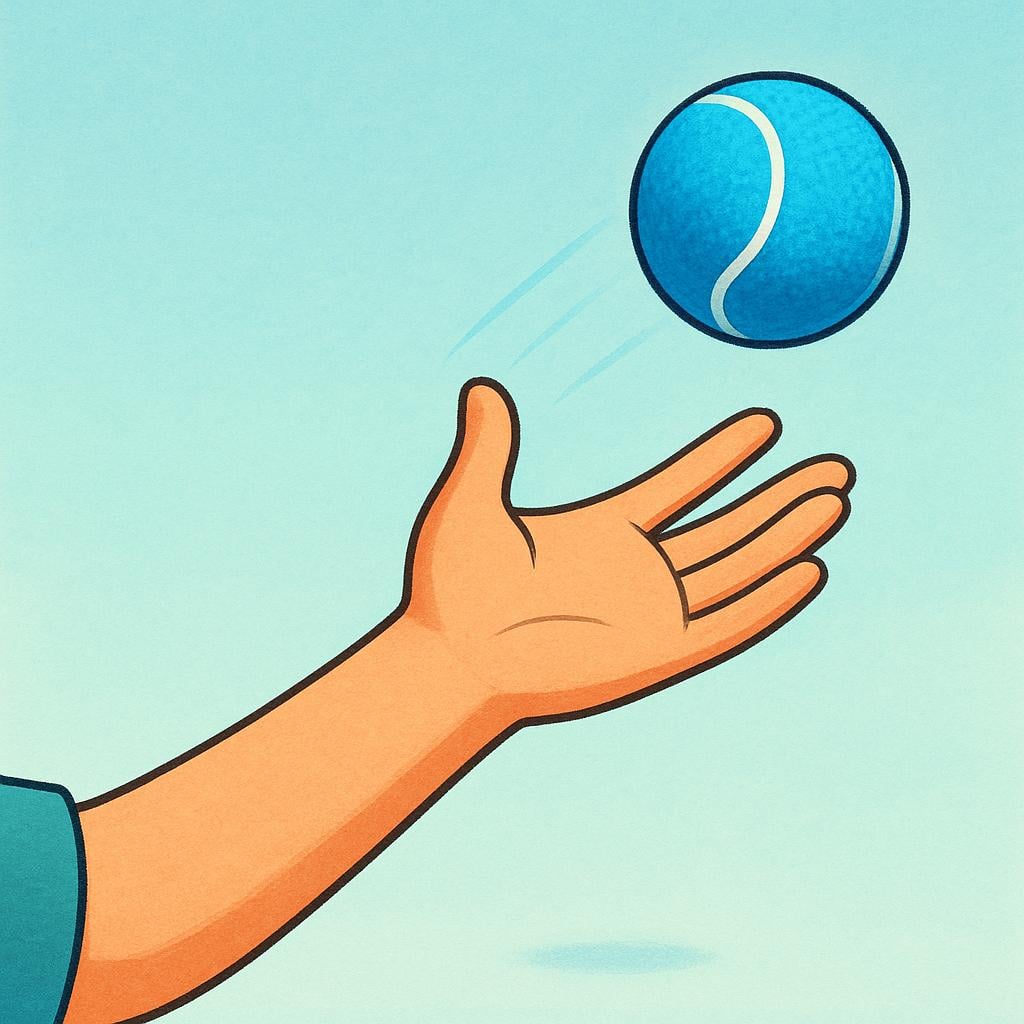
📝 In Action
El pescador hizo un lance perfecto y su red cayó sobre el banco de peces.
B2The fisherman made a perfect cast and his net fell over the school of fish.
Necesitas más fuerza en el lance para llegar a la otra orilla.
B1You need more strength in the throw to reach the other shore.
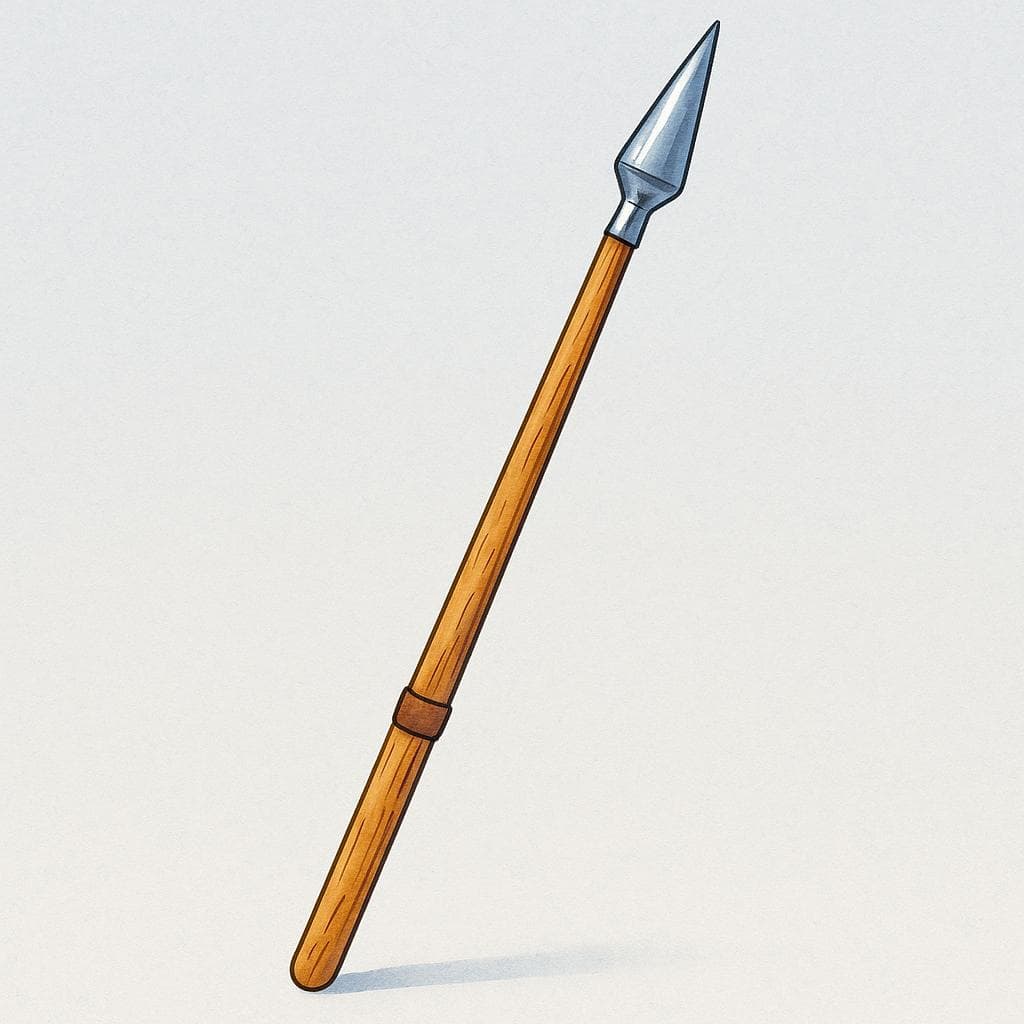
lance, spear

📝 In Action
El caballero preparó su lance para el duelo.
C1The knight prepared his lance for the duel.
Translate to Spanish
✏️ Quick Practice
Quick Quiz: lance
Question 1 of 1
Which sentence uses 'lance' to mean a sudden, intense event?
📚 More Resources
👥 Word Family▼
📚 Etymology▼
Comes from the verb 'lanzar' (to throw or hurl), which itself derived from the Old Spanish word for 'lance' or 'spear' (lanza). The noun 'lance' evolved to mean the action of throwing the spear, and later, the sudden, sharp incident or encounter that results.
First recorded: 13th century
Cognates (Related words)
💡 Master Spanish
Take your Spanish to the next level. Read 200+ illustrated and narrated Spanish stories tailored to your level with the Inklingo app!
Frequently Asked Questions
Is 'lance' related to 'lanza' (spear)?
Yes, they are closely related. 'Lanza' is the physical object (the spear), which is feminine. 'Lance' is the masculine noun that originally meant the action of throwing that spear, but now usually means a specific event or encounter.
How do I know if 'lance' means 'throw' or 'incident'?
Check the surrounding words. If it’s used with fishing, hunting, or sports terms, it means 'throw' or 'cast.' If it’s used with words like 'amoroso' (romantic), 'difícil' (difficult), or 'tenso' (tense), it means 'incident' or 'encounter.'