How to Say "cast" in Spanish
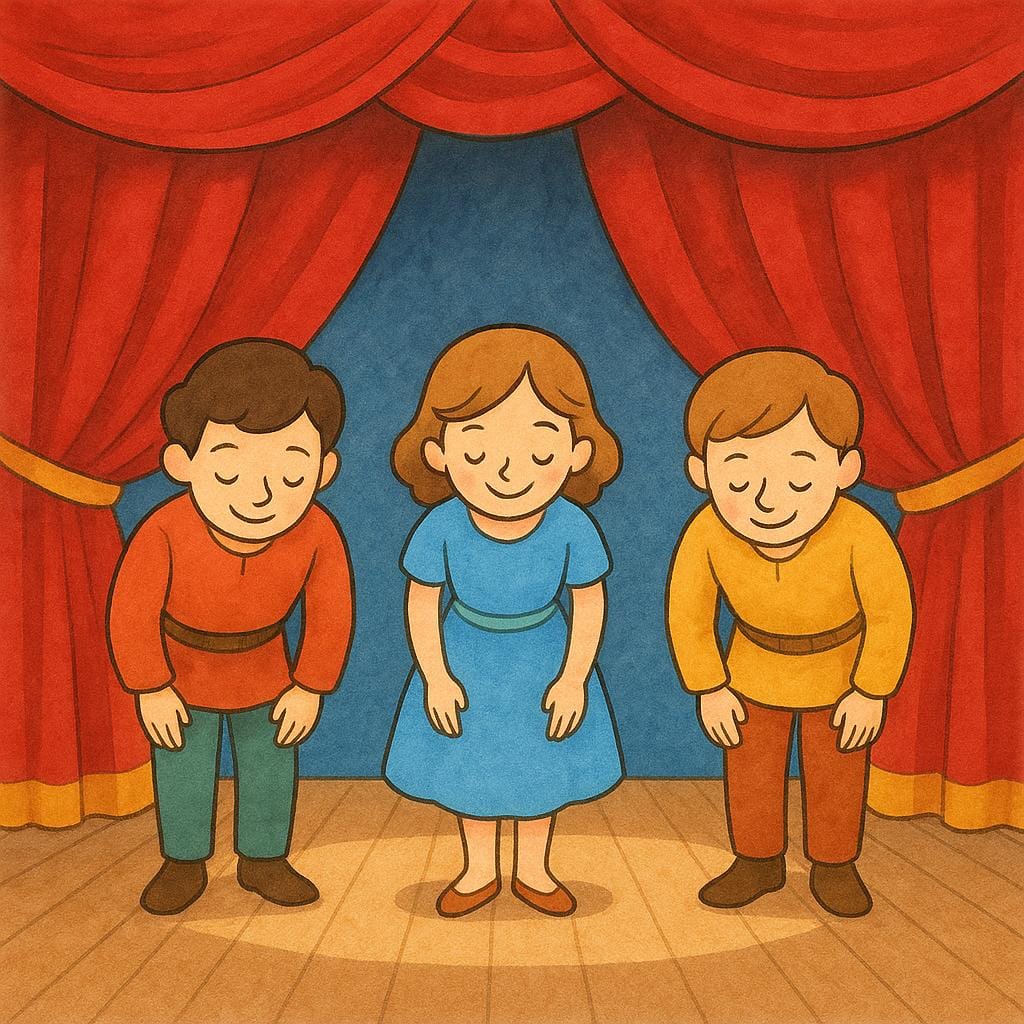
The most common Spanish word for “cast” is “actores” — use 'actores' when referring to the individual performers or the general profession of acting, rather than the specific group in a production.





actores
ak-TOR-esakˈtoɾes
Examples
Los actores de esa película son muy famosos.
The actors in that movie are very famous.
Necesitamos más actores para la obra de teatro.
We need more performers for the play.
El director felicitó a todos los actores después del ensayo.
The director congratulated all the cast members after the rehearsal.
Masculine Plural Default
Even if a group includes both men and women, 'actores' (masculine plural) is the standard word used to refer to the whole group.
Using the Singular for Groups
Mistake: “El actor son famosos.”
Correction: Los actores son famosos. Since 'actores' is plural, the word 'son' (are) and the article 'Los' (The) must also be plural.
echado
eh-CHAH-doheˈt͡ʃa.ðo

Examples
Ya hemos echado la carta al buzón.
We have already put/thrown the letter in the mailbox.
Ella había echado demasiada azúcar al café.
She had poured/put too much sugar in the coffee.
Forming Perfect Tenses
'Echado' is combined with forms of the helping verb 'haber' (to have) to create perfect tenses like the present perfect ('he echado', I have thrown/put) and past perfect ('había echado', I had thrown/put).
Use in Passive Voice
It can also be combined with the verb 'ser' (to be) to show that an action was done to someone or something: 'El balón fue echado fuera' (The ball was thrown out).
Confusing Echar and Hacer
Mistake: “Some learners confuse 'echar' (to throw/put) with 'hacer' (to do/make).”
Correction: Remember that 'echado' is only the participle of 'echar'. The participle of 'hacer' is 'hecho'.
Examples
El niño echó la piedra al agua y vimos las ondas.
The boy threw the stone into the water and we saw the ripples.
reparto
reh-PAHR-tohreˈpaɾto
Examples
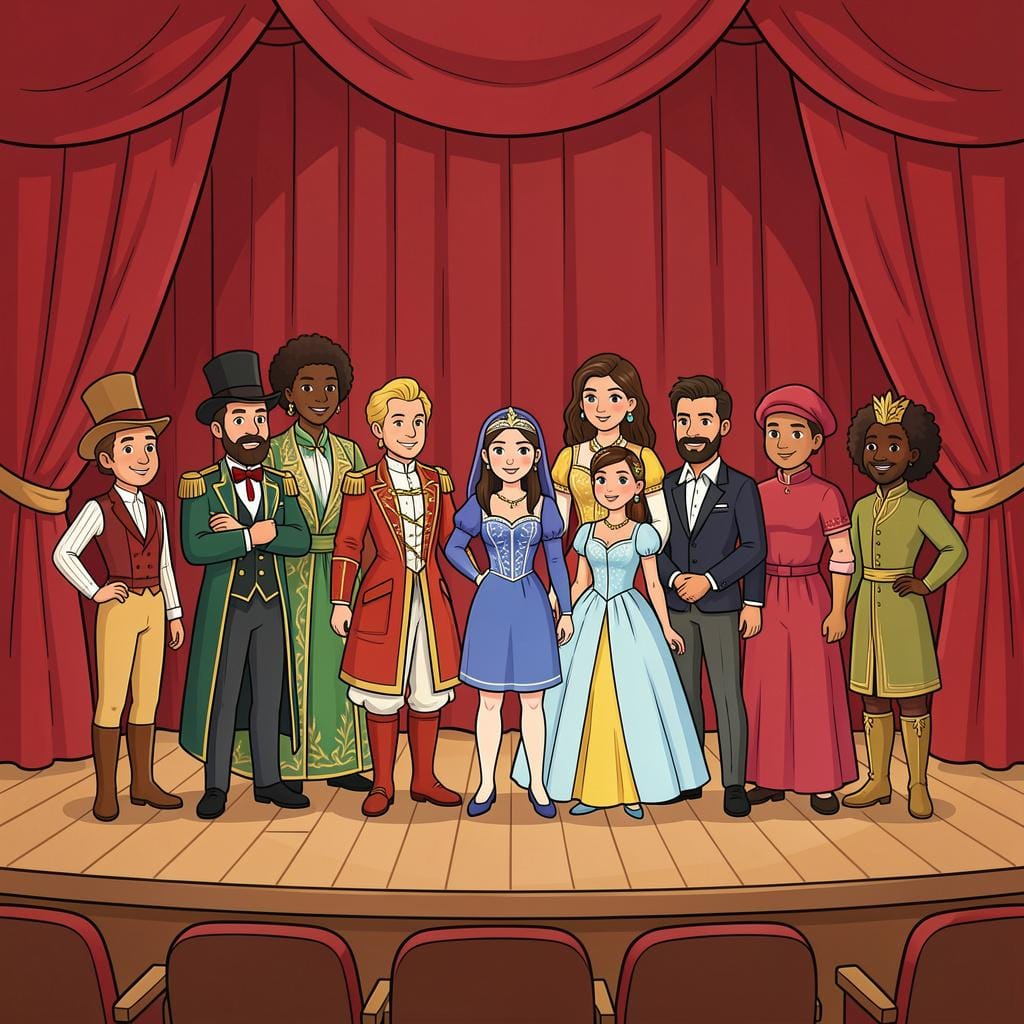
El reparto de la película incluye actores famosos.
The movie's cast includes famous actors.
Aparece el primero en el reparto.
He appears first in the cast list.
Collective Nouns
Even though 'reparto' refers to a group of people, it is a singular word. Use 'el reparto es' not 'son'.
personajes
pehr-soh-NAH-hesspeɾsoˈnaxes
Examples
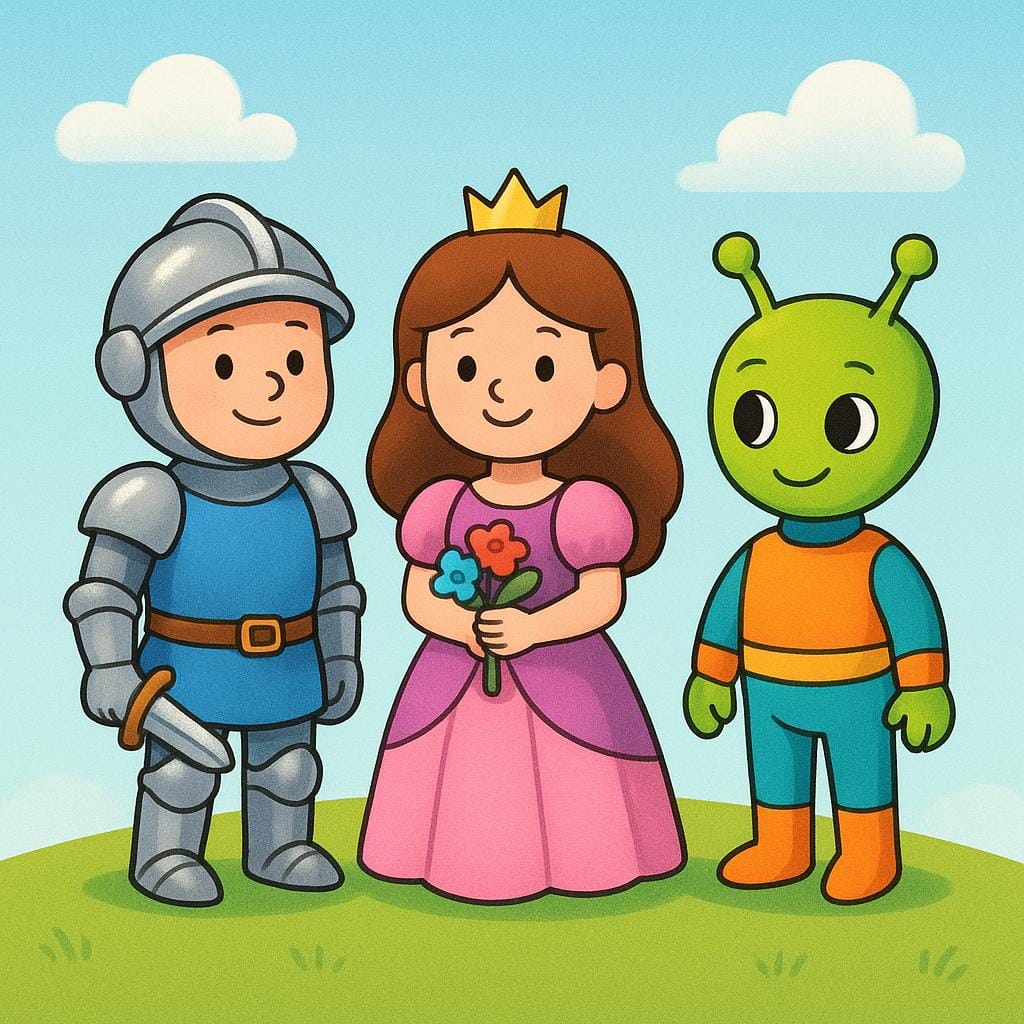
Los personajes principales de la novela son muy complejos.
The main characters of the novel are very complex.
¿Cuáles son tus personajes favoritos de la serie?
Who are your favorite characters from the series?
El director presentó a los personajes antes de empezar la obra.
The director introduced the characters before the play started.
The Fixed Gender of 'Personaje'
Even though 'personaje' refers to people of any gender, the word itself is always masculine. You must use 'el personaje' or 'los personajes,' never 'la personaje,' even if referring to a female character.
Confusing Gender
Mistake: “La personajes son interesantes.”
Correction: Los personajes son interesantes. Remember the article must match the noun's grammatical gender (masculine), not the character's real-life gender.
elenco
eh-LEN-koheˈlen.ko
Examples
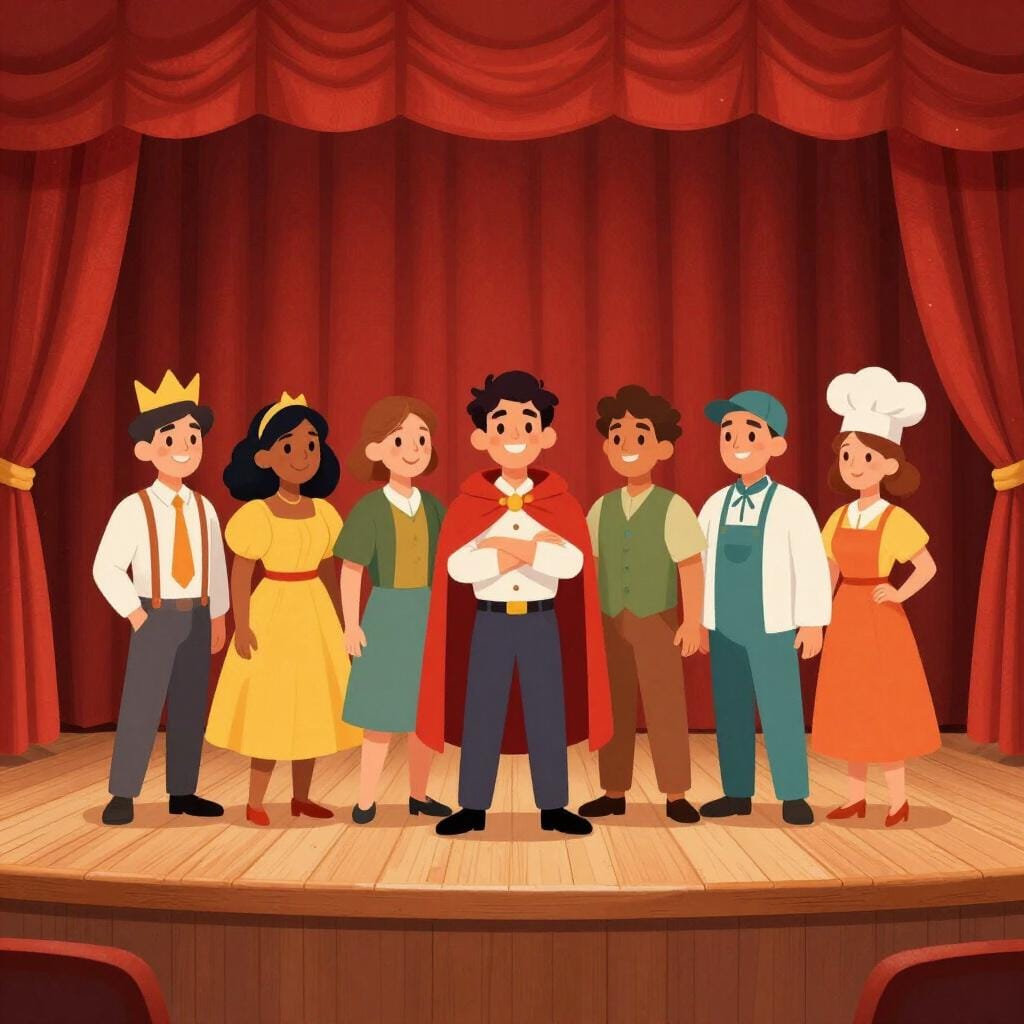
El elenco de la obra ensayó durante tres meses.
The cast of the play rehearsed for three months.
Esta película tiene un elenco estelar.
This movie has an all-star cast.
La empresa presentó a su elenco de expertos en la conferencia.
The company presented its roster of experts at the conference.
One word, many people
Even though an 'elenco' refers to a group of people, it is a singular word. This means you should use singular verbs, like 'El elenco es bueno' (The cast is good) instead of 'son buenos'.
Matching your adjectives
Because 'elenco' is a masculine noun, any describing words must also be masculine. Always use 'el' and 'un' with this word.
Cast vs. Casta
Mistake: “La casta de la película es famosa.”
Correction: El elenco de la película es famoso. 'Casta' refers to a social class or lineage, not a group of actors.
Mixing up 'elenco' and 'reparto'
Mistake: “None (both are often fine), but 'elenco' is more common for the group as a whole.”
Correction: Use 'elenco' when talking about the group of performers, and 'reparto' when talking about the list of roles/credits.
yeso
YEH-sohˈʝeso

Examples
Tengo el brazo en yeso por seis semanas.
My arm is in a cast for six weeks.
¿Puedo firmar tu yeso con este rotulador?
Can I sign your cast with this marker?
El médico me quitó el yeso esta mañana.
The doctor took off my cast this morning.
Using 'en' with yeso
To say someone 'has a cast on,' we usually say they have the body part 'en yeso' (literally 'in cast').
Don't use 'un' when describing the state
Mistake: “Tengo un yeso en la pierna.”
Correction: Tengo la pierna en yeso.
fundido
foon-DEE-dohfunˈdiðo

Examples
Me encanta el pan con queso fundido.
I love bread with melted cheese.
Tengo que cambiar la bombilla porque está fundida.
I have to change the lightbulb because it is burnt out.
La estatua está hecha de hierro fundido.
The statue is made of cast iron.
Matching the Noun
Since this acts as a description word, it must match what it describes. Use 'fundido' for masculine items (el queso) and 'fundida' for feminine items (la bombilla).
The 'Result' Word
This word is a 'past participle' (the -ed form of a verb). We use it with the word 'está' (is) to describe the state of something after an action has happened.
Melted vs. Burnt out
Mistake: “Using 'quemado' for a lightbulb.”
Correction: Say 'La bombilla está fundida'. In Spanish, we use 'fundido' for electrical failures involving a broken connection, whereas 'quemado' usually implies fire or charring.
molde
MOL-dehˈmolde

Examples
Engrasa el molde antes de verter la masa del pastel.
Grease the pan before pouring in the cake batter.
Usamos un molde de silicona para hacer los chocolates.
We used a silicone mold to make the chocolates.
El escultor sacó la figura de arcilla del molde.
The sculptor took the clay figure out of the cast.
Gender memory aid
Even though it ends in 'e', 'molde' is masculine. Use 'el' or 'un' with it: 'el molde'.
Describing material
To say what a mold is made of, use the word 'de' (of) followed by the material: 'molde de metal' or 'molde de plástico'.
The 'La' Trap
Mistake: “La molde es pequeño.”
Correction: El molde es pequeño. Because words ending in 'e' don't have a fixed gender rule, you just have to memorize that this one is masculine.
lance
lan-se/ˈlanθe/ (Spain) /'lanse/ (Latam)

Examples
El pescador hizo un lance perfecto y su red cayó sobre el banco de peces.
The fisherman made a perfect cast and his net fell over the school of fish.
Necesitas más fuerza en el lance para llegar a la otra orilla.
You need more strength in the throw to reach the other shore.
Actors vs. Actions
Learn Spanish with Inklingo
Interactive stories, personalized learning, and more.