echado
“echado” means “lying down” in Spanish. It has 3 different meanings depending on context:

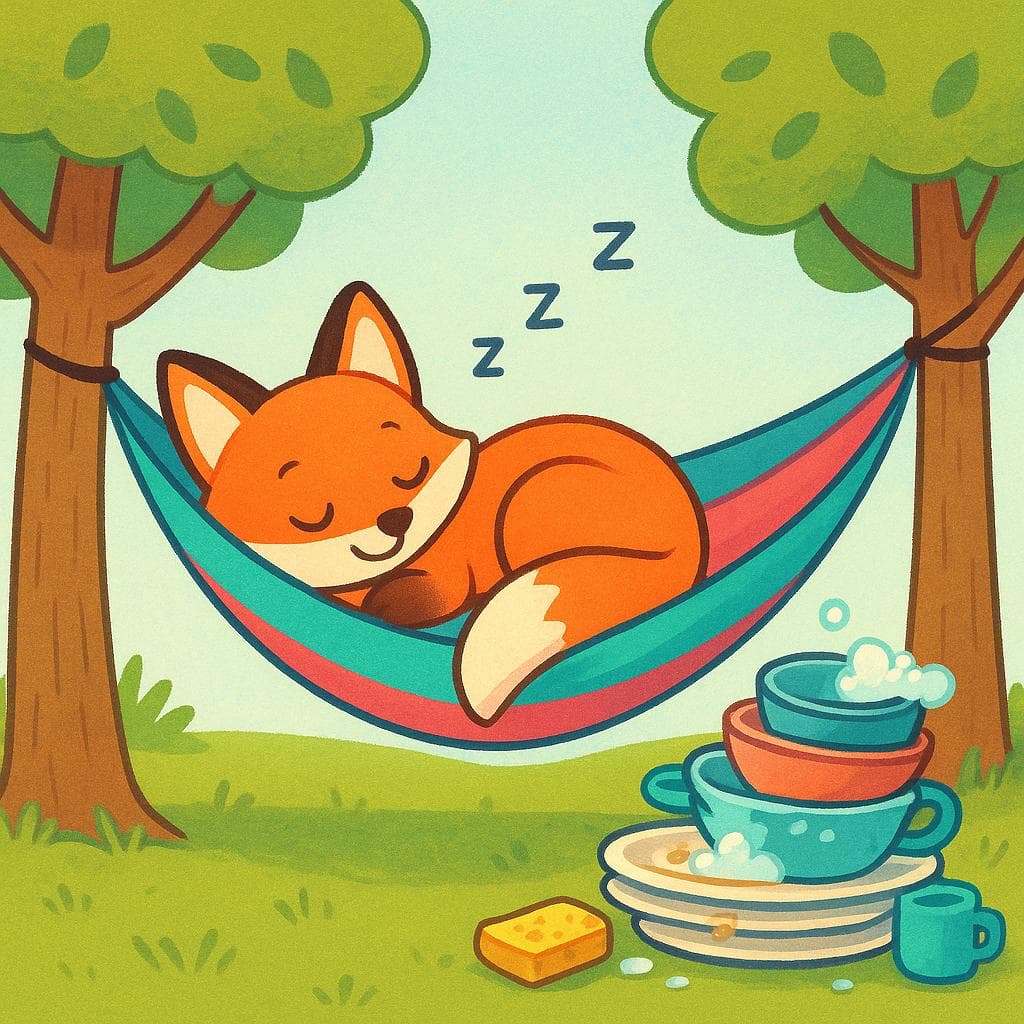

lying down, stretched outAlso: reclining

📝 In Action
El gato siempre está echado al sol en la ventana.
A2The cat is always lying down in the sun on the window.
Después de la comida, mi abuelo se queda echado en el sillón.
B1After lunch, my grandfather stays stretched out on the armchair.
Word Connections
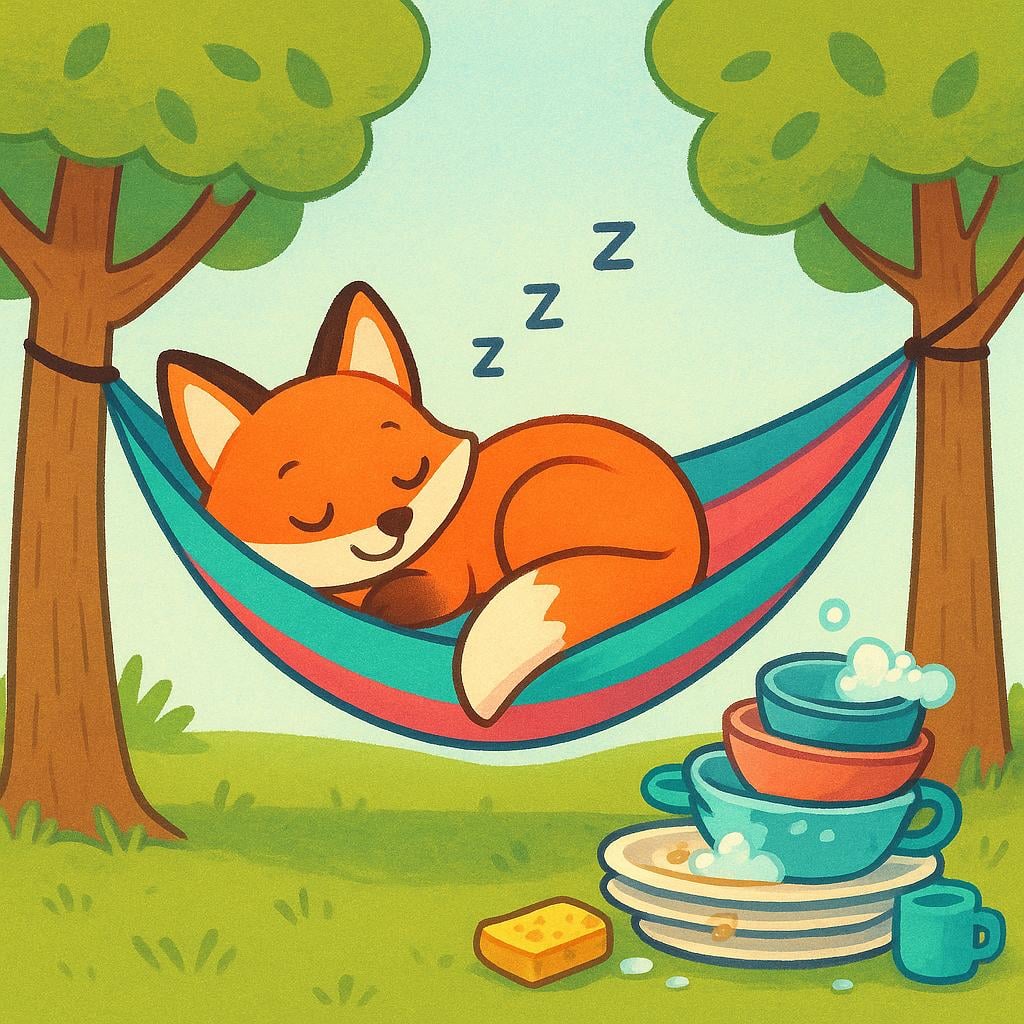
lazy, idleAlso: negligent
📝 In Action
Es muy echado y nunca ayuda con las tareas de la casa.
B1He is very lazy and never helps with the housework.
Si eres tan echado, nunca terminarás el proyecto a tiempo.
B2If you are so idle/lazy, you will never finish the project on time.
Word Connections
thrown, putAlso: poured, cast

📝 In Action
Ya hemos echado la carta al buzón.
A1We have already put/thrown the letter in the mailbox.
Ella había echado demasiada azúcar al café.
B1She had poured/put too much sugar in the coffee.
Word Connections
Translate to Spanish
✏️ Quick Practice
Quick Quiz: echado
Question 1 of 2
Which sentence uses 'echado' to describe a personality trait rather than a physical position?
📚 More Resources
👥 Word Family
📚 Etymology
The word comes from the Latin verb *iactare*, which meant 'to throw violently' or 'to cast.' This explains the modern Spanish meaning of 'echar' (to throw/put). The state of being 'echado' (lying down) comes from the idea of being 'cast down' or laid out for rest.
First recorded: Medieval Spanish (c. 13th century)
Cognates (Related words)
💡 Master Spanish
Take your Spanish to the next level. Read 200+ illustrated and narrated Spanish stories tailored to your level with the Inklingo app!
Frequently Asked Questions
Is 'echado' an irregular verb form?
No. 'Echar' is a regular '-ar' verb, and 'echado' is its regular past participle (ending in -ado). It is used regularly to form compound tenses.
What is the difference between 'estar echado' and 'estar acostado'?
Both mean 'lying down.' 'Estar acostado' usually specifically implies lying down in a bed or going to sleep. 'Estar echado' is more general and can mean stretched out on a sofa, the floor, or the grass.