personajes
“personajes” means “characters” in Spanish. It has 2 different meanings depending on context:
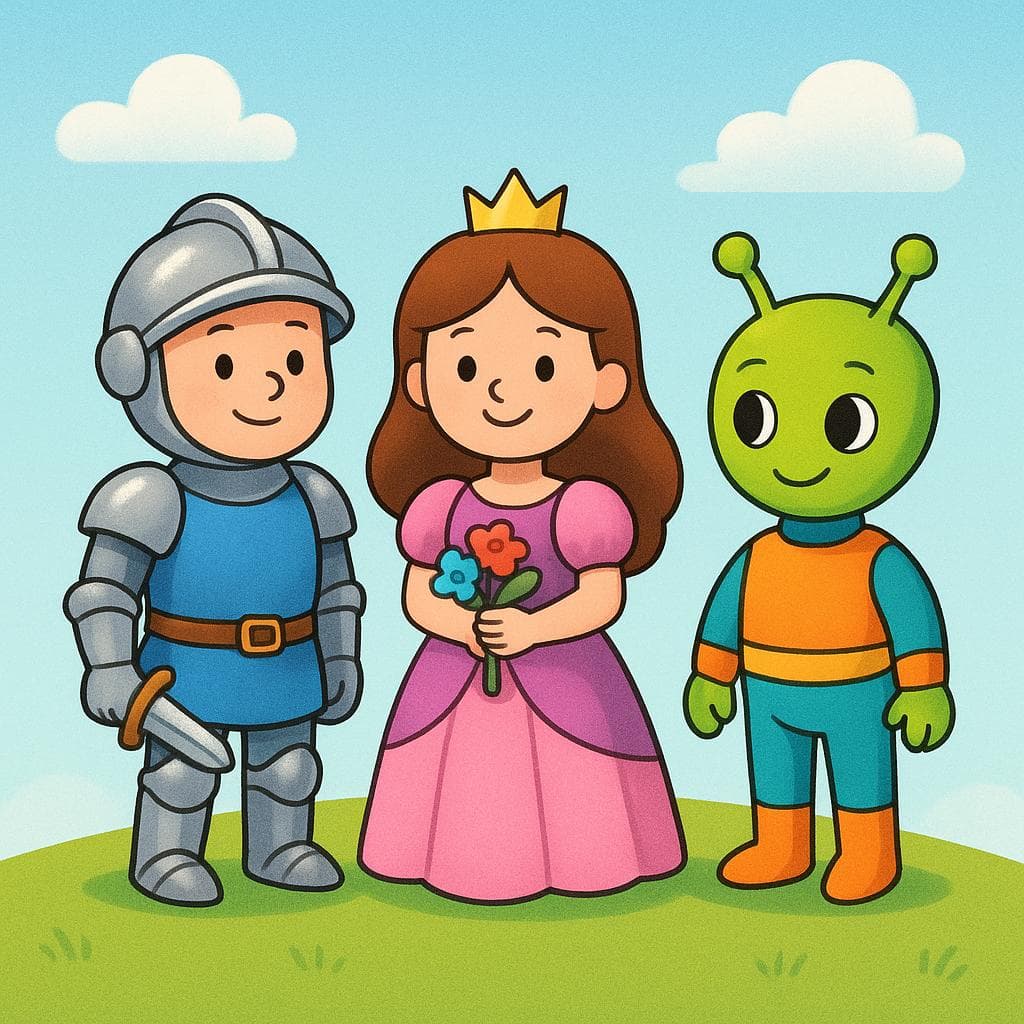
characters
Also: cast
📝 In Action
Los personajes principales de la novela son muy complejos.
B1The main characters of the novel are very complex.
¿Cuáles son tus personajes favoritos de la serie?
A2Who are your favorite characters from the series?
El director presentó a los personajes antes de empezar la obra.
B2The director introduced the characters before the play started.
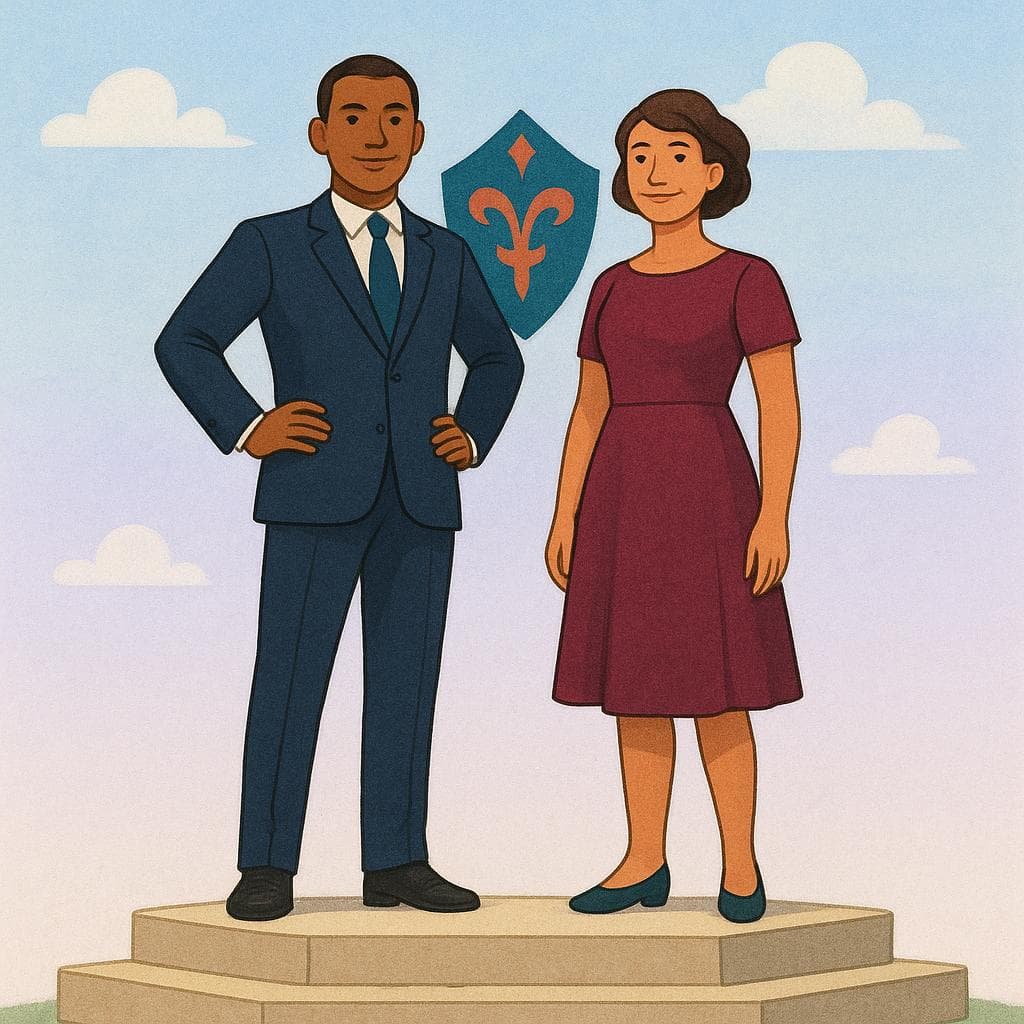
figures, personalities
Also: VIPs
📝 In Action
La conferencia reunió a los personajes más influyentes de la política.
C1The conference brought together the most influential figures in politics.
Eran personajes de gran prestigio en el ámbito científico.
C2They were personalities of great prestige in the scientific field.
Los personajes históricos de la Revolución Francesa son fascinantes.
B2The historical figures of the French Revolution are fascinating.
Translate to Spanish
✏️ Quick Practice
Quick Quiz: personajes
Question 1 of 2
Which sentence correctly uses 'personajes' to refer to fictional figures?
📚 More Resources
👥 Word Family▼
📚 Etymology▼
The word comes from the older Spanish word 'persona' (person), which itself comes from the Latin word *persōna*. Originally, *persōna* meant the mask worn by actors in ancient theater to indicate their role. Over time, the meaning evolved from the actor's mask to the role itself, and then finally to the person playing the role or a notable individual.
First recorded: 15th century (as 'personaje')
Cognates (Related words)
💡 Master Spanish
Take your Spanish to the next level. Read 200+ illustrated and narrated Spanish stories tailored to your level with the Inklingo app!
Frequently Asked Questions
Is 'personaje' the same as 'persona'?
'Persona' means 'person' in general. 'Personaje' means 'character' (in a story) or an 'important/notable person.' While related, 'personaje' carries a sense of importance, fame, or fictionality that 'persona' does not.
Can 'personajes' be used to talk about someone eccentric?
Yes, absolutely! Saying 'son unos personajes' is a common, informal way to describe people who are very colorful, quirky, or unusual in a memorable way.