personal
“personal” means “personal” in Spanish. It has 2 different meanings depending on context:


personalAlso: private, own

📝 In Action
Esta es mi opinión personal.
A2This is my personal opinion.
Por favor, no toques mis cosas personales.
A2Please, don't touch my personal things.
Necesito un día de asuntos personales para ir al médico.
B1I need a personal day to go to the doctor.
Word Connections
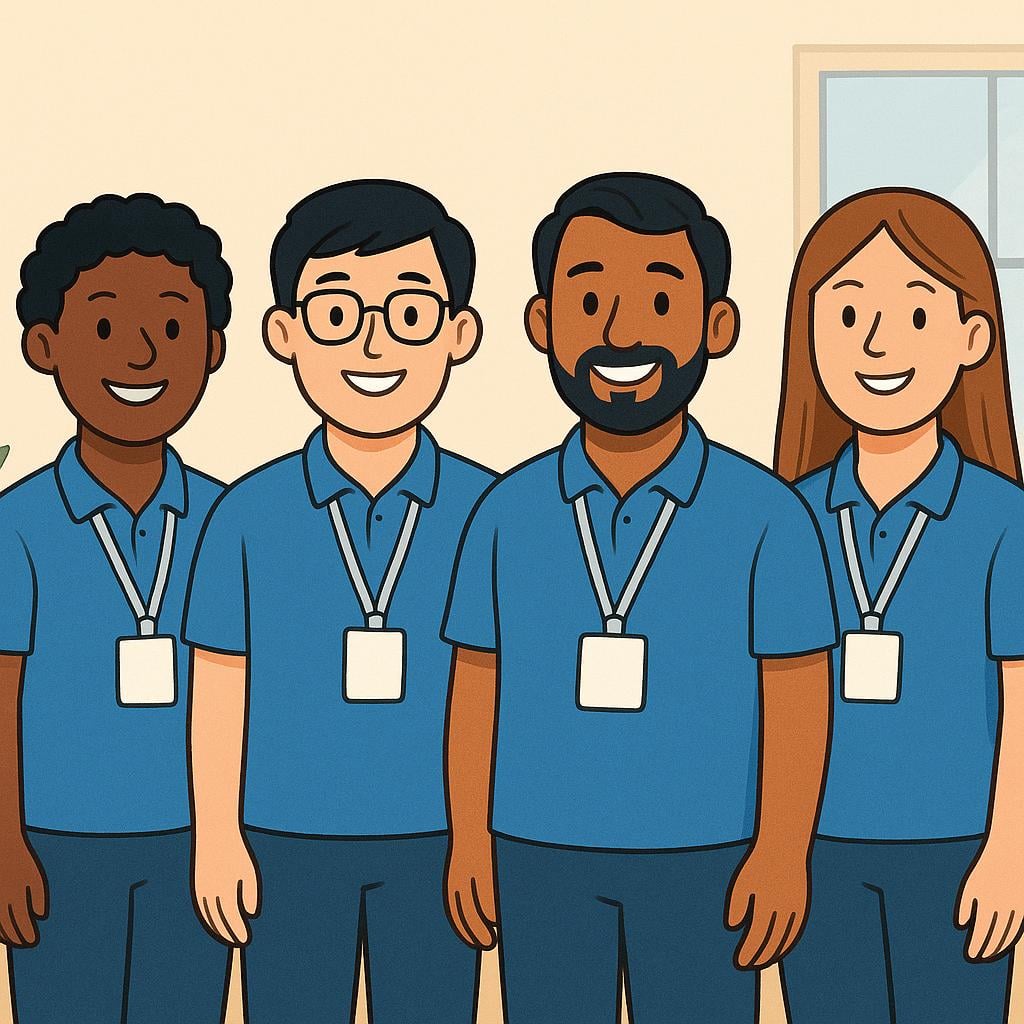
staff, personnelAlso: workforce
📝 In Action
Todo el personal de la tienda es muy amable.
B1All the store's staff is very friendly.
El departamento de recursos humanos se encarga del personal.
B1The human resources department is in charge of the personnel.
Se necesita contratar más personal para el proyecto.
B2We need to hire more staff for the project.
Word Connections
Translate to Spanish
✏️ Quick Practice
Quick Quiz: personal
Question 1 of 1
Which sentence uses 'personal' to mean 'staff' or 'employees'?
📚 More Resources
👥 Word Family
📚 Etymology
Comes from the Latin word 'personālis', which means 'relating to a person'. This itself comes from 'persōna', a word that first meant 'mask' (like the ones worn by actors in ancient plays) and later grew to mean 'a character' or 'an individual person'.
First recorded: 15th century
Cognates (Related words)
💡 Master Spanish
Take your Spanish to the next level. Read 200+ illustrated and narrated Spanish stories tailored to your level with the Inklingo app!
Frequently Asked Questions
What's the difference between 'personal' and 'persona'?
'Personal' can be an adjective meaning 'private' ('mi opinión personal') or a noun for a group of employees ('el personal'). 'Persona' always means one single 'person'.
Is 'personal' masculine or feminine?
It depends! When it's a noun meaning 'staff', it's always masculine: 'el personal'. When it's an adjective describing something, it changes to match the noun's gender: 'un problema personal' (masculine), 'una decisión personal' (feminine).