How to Say "characters" in Spanish
The most common Spanish word for “characters” is “personajes” — use 'personajes' when referring to the people or figures within a story, film, play, or other narrative work.
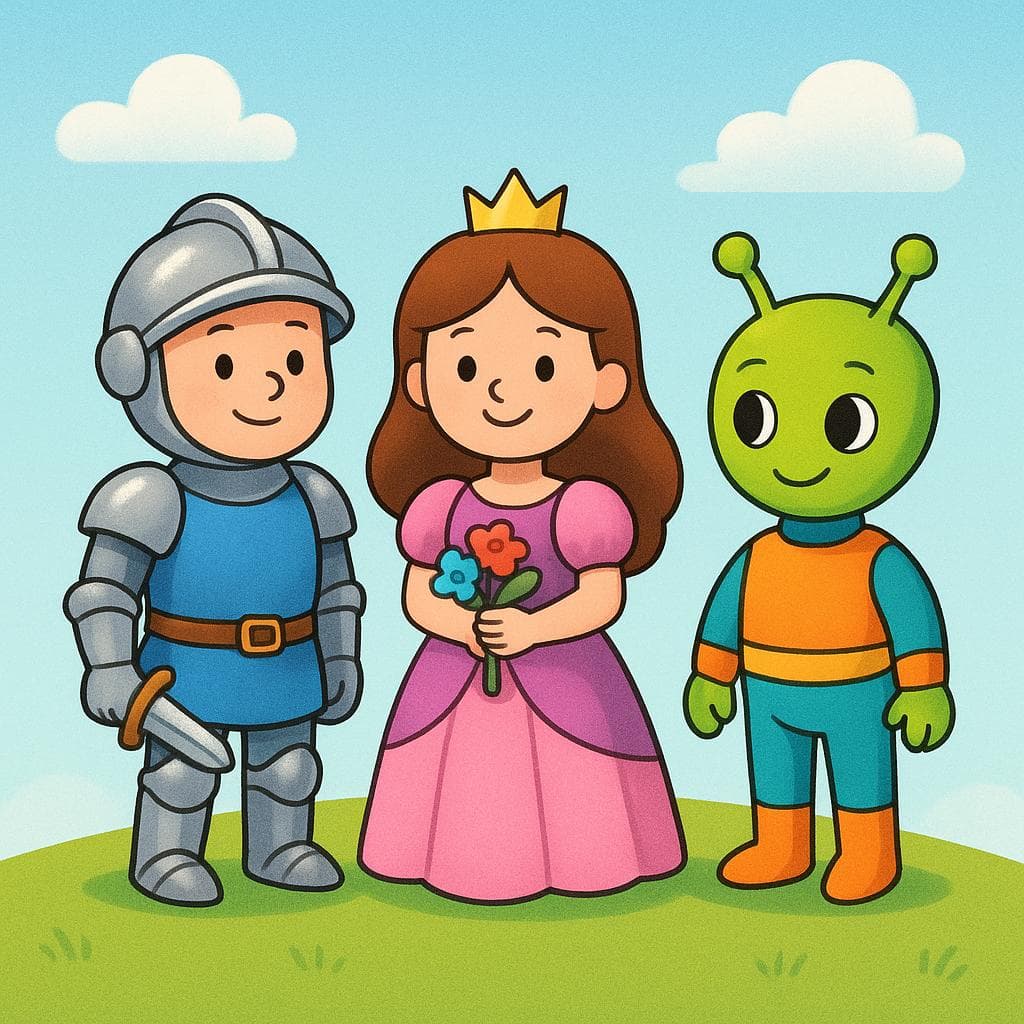
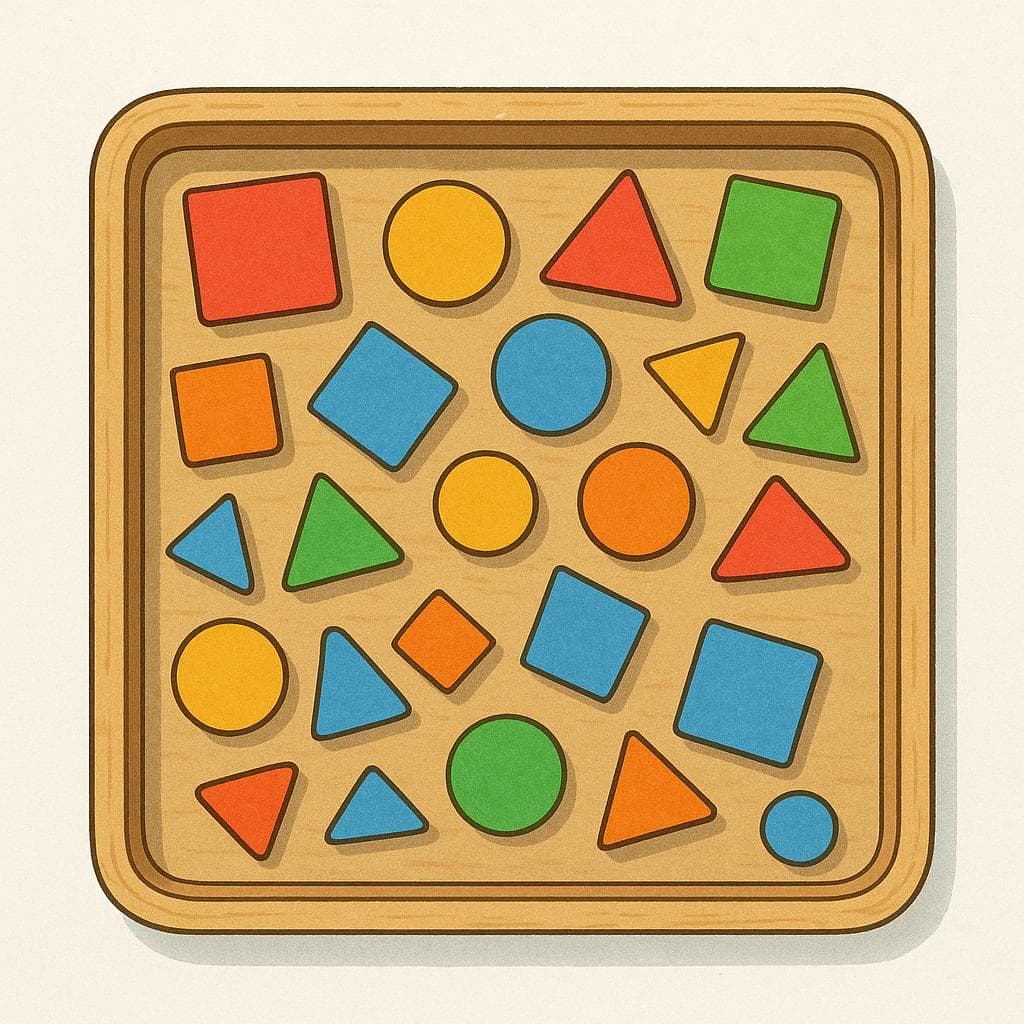
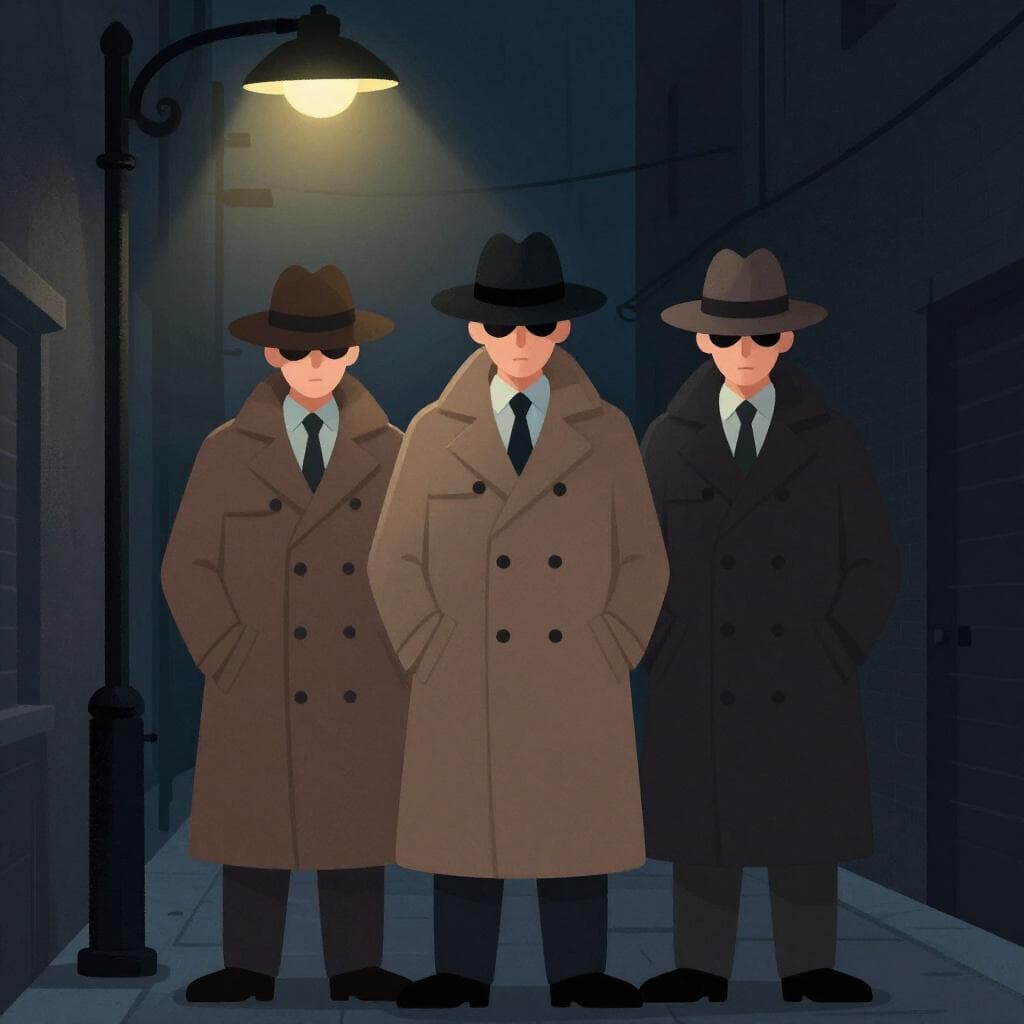
personajes
pehr-soh-NAH-hesspeɾsoˈnaxes
Examples
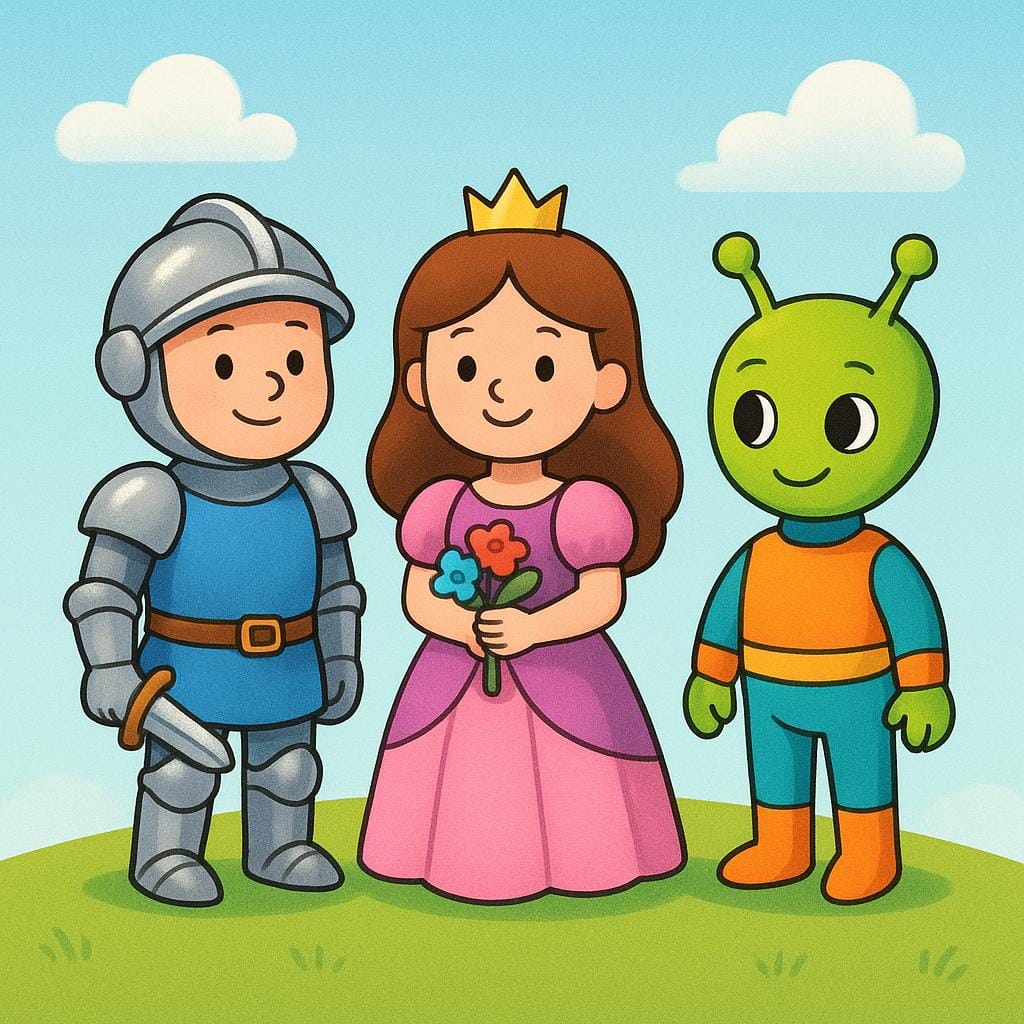
Los personajes principales de la novela son muy complejos.
The main characters of the novel are very complex.
¿Cuáles son tus personajes favoritos de la serie?
Who are your favorite characters from the series?
El director presentó a los personajes antes de empezar la obra.
The director introduced the characters before the play started.
The Fixed Gender of 'Personaje'
Even though 'personaje' refers to people of any gender, the word itself is always masculine. You must use 'el personaje' or 'los personajes,' never 'la personaje,' even if referring to a female character.
Confusing Gender
Mistake: “La personajes son interesantes.”
Correction: Los personajes son interesantes. Remember the article must match the noun's grammatical gender (masculine), not the character's real-life gender.
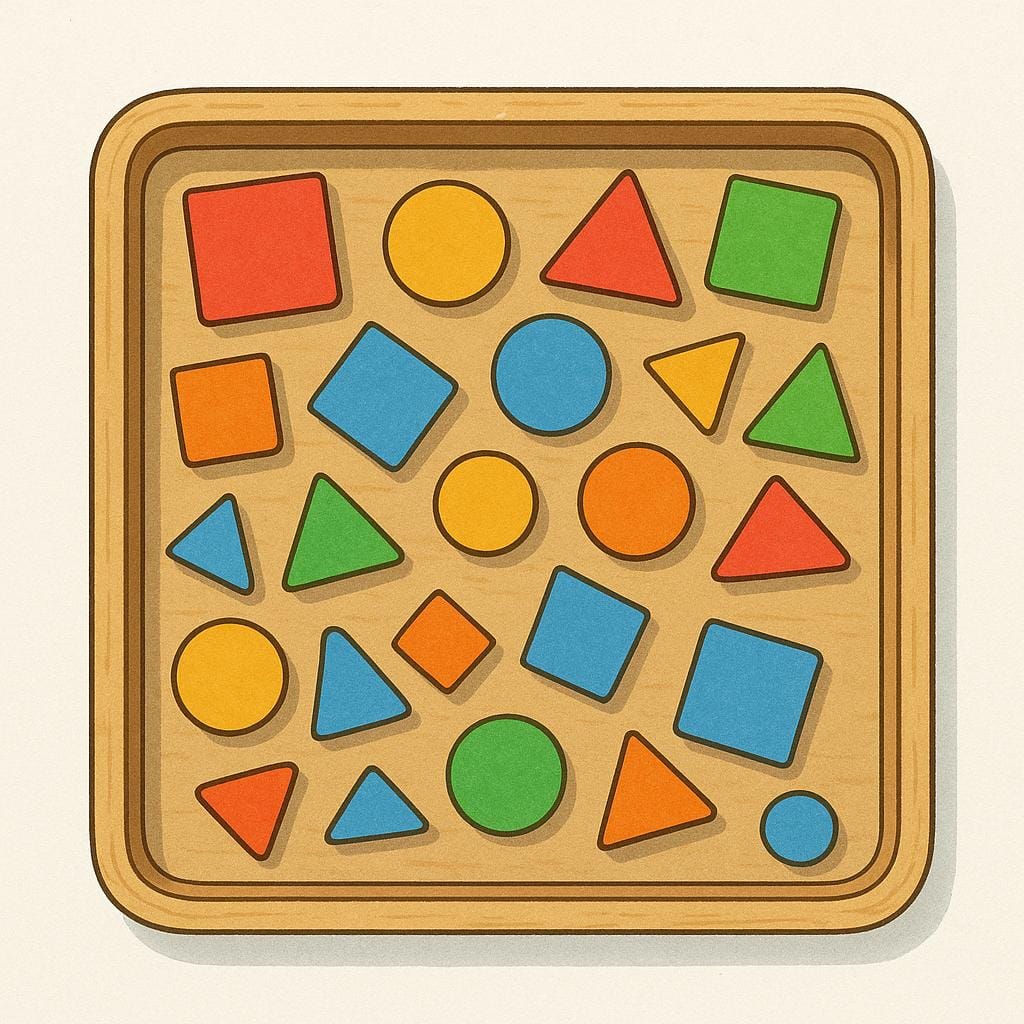
letras
LEH-trasˈle.tɾas
Examples
¿Cuántas letras tiene la palabra 'paraguas'?
How many letters does the word 'paraguas' have?
El niño está aprendiendo a reconocer las letras mayúsculas.
The child is learning to recognize the capital letters.
Always Feminine Plural
Even though it refers to basic symbols, remember 'letras' is always a feminine noun, so you use 'las' (the) or 'estas' (these) with it.
Confusing 'letras' and 'números'
Mistake: “Usar 'letras' para referirse a cifras.”
Correction: Use 'números' (numbers) for digits and 'letras' for alphabetical characters.
individuos
een-dee-BEE-dwosindiˈβiðwos
Examples
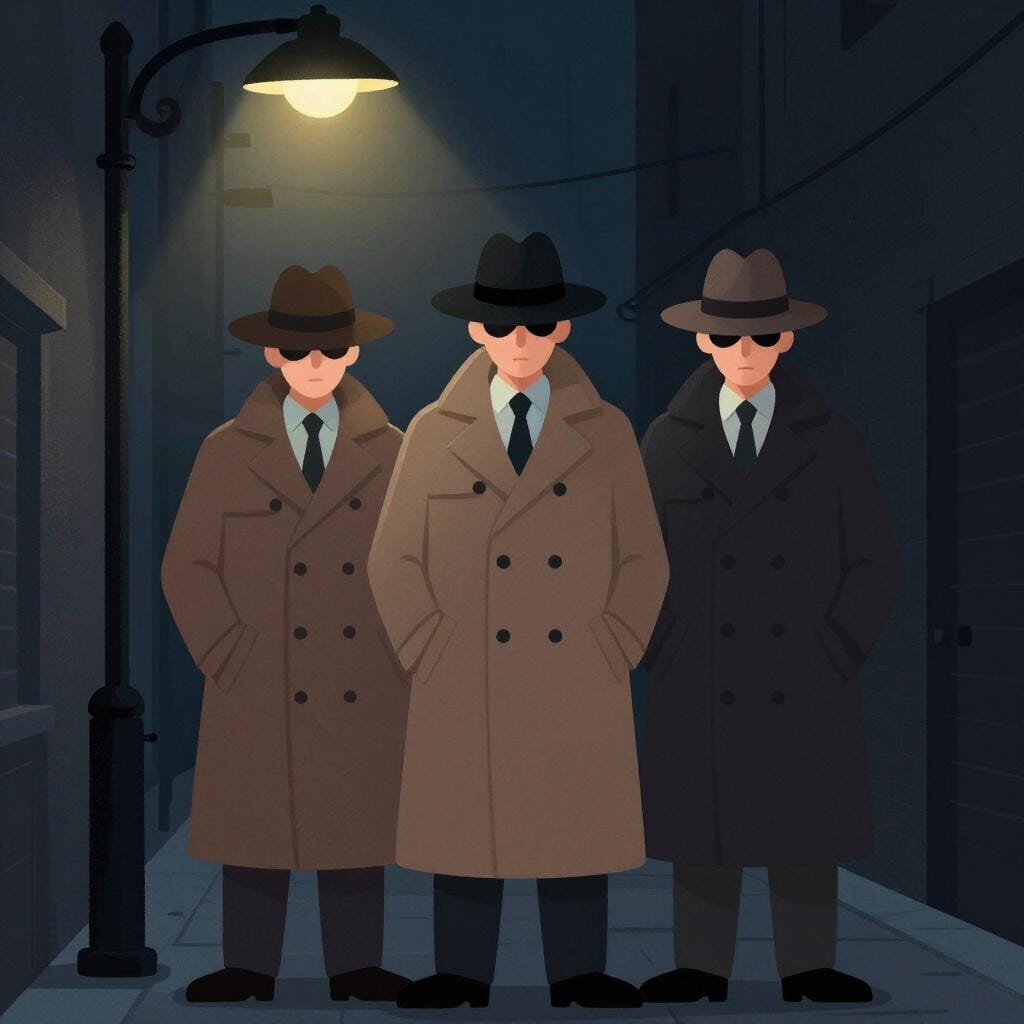
Había dos individuos merodeando por el edificio.
There were two characters/guys loitering around the building.
Characters in stories vs. people
Related Translations
Learn Spanish with Inklingo
Interactive stories, personalized learning, and more.