yeso
“yeso” means “cast” in Spanish. It has 2 different meanings depending on context:

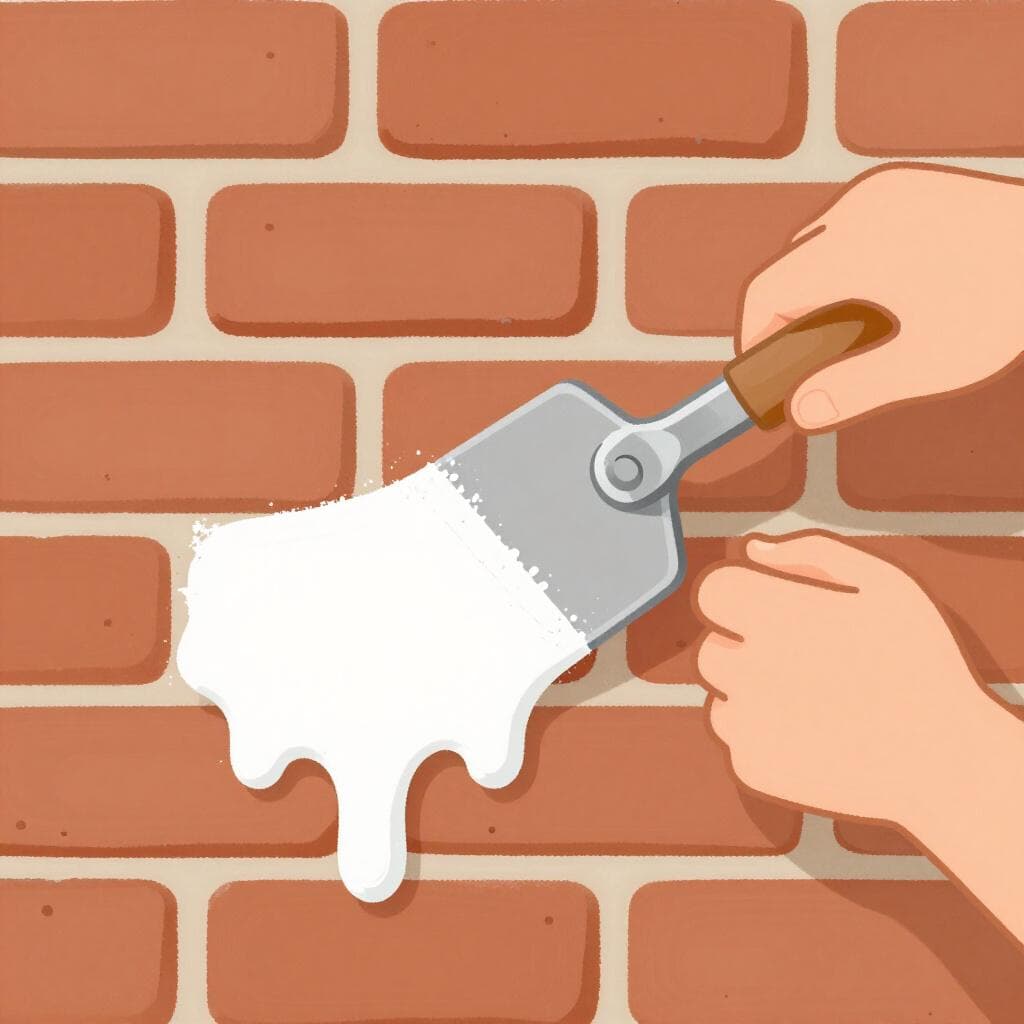
cast
Also: plaster
📝 In Action
Tengo el brazo en yeso por seis semanas.
A1My arm is in a cast for six weeks.
¿Puedo firmar tu yeso con este rotulador?
A2Can I sign your cast with this marker?
El médico me quitó el yeso esta mañana.
B1The doctor took off my cast this morning.
plaster, gypsum
Also: drywall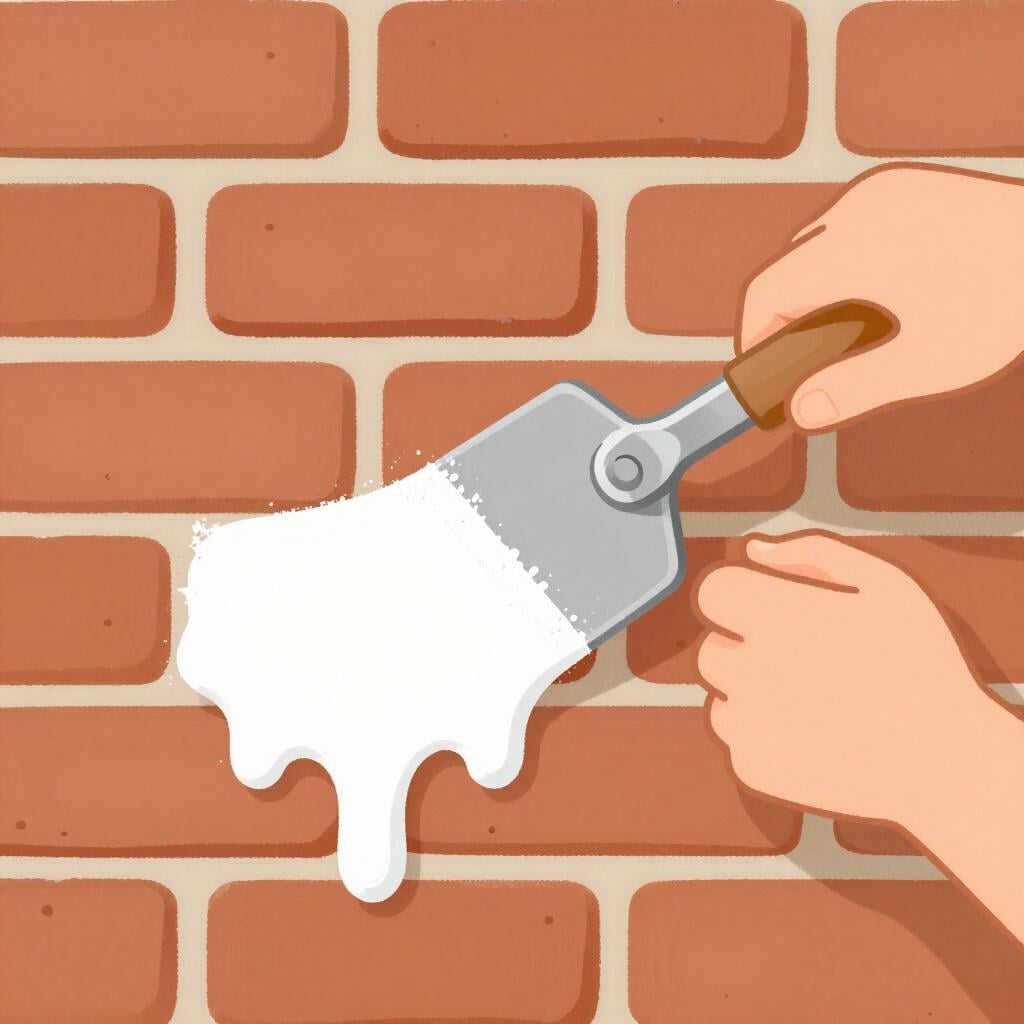
📝 In Action
Las paredes de esta casa son de yeso.
A2The walls of this house are made of plaster.
El artista hizo un molde de yeso para la escultura.
B1The artist made a plaster mold for the sculpture.
Hay que tapar ese agujero con un poco de yeso.
B2That hole needs to be covered with a bit of plaster.
✏️ Quick Practice
Quick Quiz: yeso
Question 1 of 3
If you break your leg in Mexico, what will the doctor likely put on it?
📚 More Resources
👥 Word Family▼
📚 Etymology▼
From the Latin 'gypsum', which was borrowed from the Greek 'gypsos', meaning 'chalk' or 'plaster'. It has been used in Spanish since the Middle Ages to describe both the mineral and the building material.
First recorded: 13th century
Cognates (Related words)
💡 Master Spanish
Take your Spanish to the next level. Read 200+ illustrated and narrated Spanish stories tailored to your level with the Inklingo app!
Frequently Asked Questions
Is 'yeso' used for 'chalk' anywhere?
In some regions, especially in the past or in specific dialects, 'yeso' might be used to refer to chalk, but 'tiza' is the standard word today to avoid confusion with construction plaster.
What is the verb for 'to plaster' a wall?
The verb is 'enyesar'. It can mean both applying plaster to a wall or putting a medical cast on someone.
Can I use 'yeso' for 'drywall'?
Yes, but usually as part of a phrase like 'placa de yeso' or 'pared de yeso'. In many countries, brand names like 'Durlock' or 'Tablaroca' are also used informally.