echo
“echo” means “I throw” in Spanish. It has 3 different meanings depending on context:
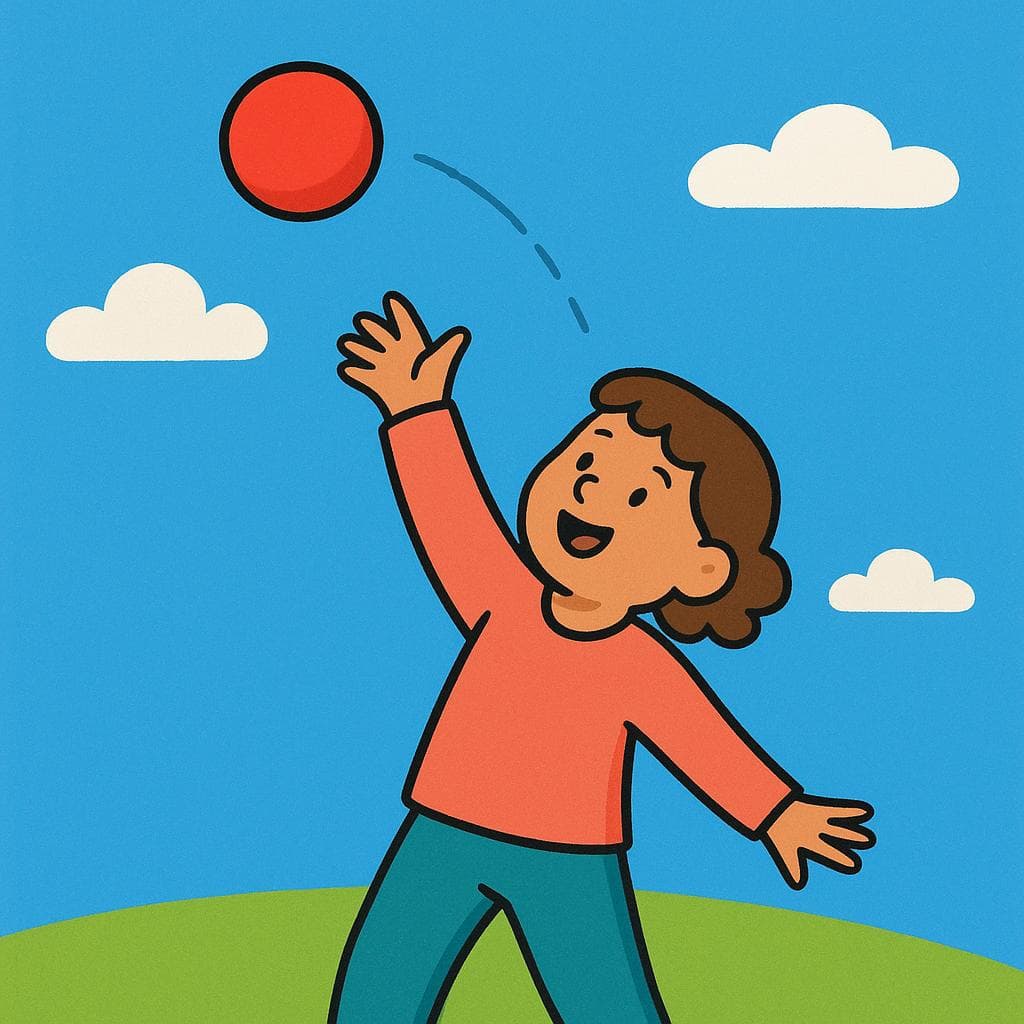


I throw, I castAlso: I hurl
📝 In Action
Yo echo la basura al contenedor.
A1I throw the trash into the bin.
Cada mañana, echo una mirada rápida al periódico.
B1Every morning, I cast a quick glance at the newspaper.
Word Connections
I put in, I addAlso: I pour

📝 In Action
Echo un poco de aceite a la sartén.
A2I put a little oil in the frying pan.
Echo una moneda en la máquina de café.
A2I put (drop) a coin in the coffee machine.
Word Connections
I fire, I expelAlso: I kick out

📝 In Action
Si no cumplo la cuota, mi jefe me echo.
B1If I don't meet the quota, my boss fires me. (Note: Often used reflexively, 'me echa')
Echo a los invitados que están causando problemas.
B2I kick out the guests who are causing trouble.
Word Connections
Indicative
Present
Imperfect
Preterite
Subjunctive
Present Subjunctive
Imperfect Subjunctive
🔀 Commonly Confused With
Translate to Spanish
✏️ Quick Practice
Quick Quiz: echo
Question 1 of 1
Which sentence correctly uses 'echo' (without H)?
📚 More Resources
👥 Word Family
📚 Etymology
Comes from the vulgar Latin verb *iactare*, which meant 'to throw' or 'to hurl.' The original meaning is still the core of the Spanish verb *echar*.
First recorded: 10th century
Cognates (Related words)
💡 Master Spanish
Take your Spanish to the next level. Read 200+ illustrated and narrated Spanish stories tailored to your level with the Inklingo app!
Frequently Asked Questions
What is the difference between 'echo' and 'hecho'?
'Echo' (no H) means 'I throw' or 'I put' (from the verb *echar*). 'Hecho' (with H) means 'done' or 'made' (from the verb *hacer*). This is the most common spelling mistake in Spanish!
How can I remember if I need the 'H' or not?
Think of the action: If you are *H*urling something or *H*aving *H*appened (done), use the H: *H*echo. If you are just *E*jecting or *E*mptying, leave the H out: *E*cho.