How to Say "throw" in Spanish
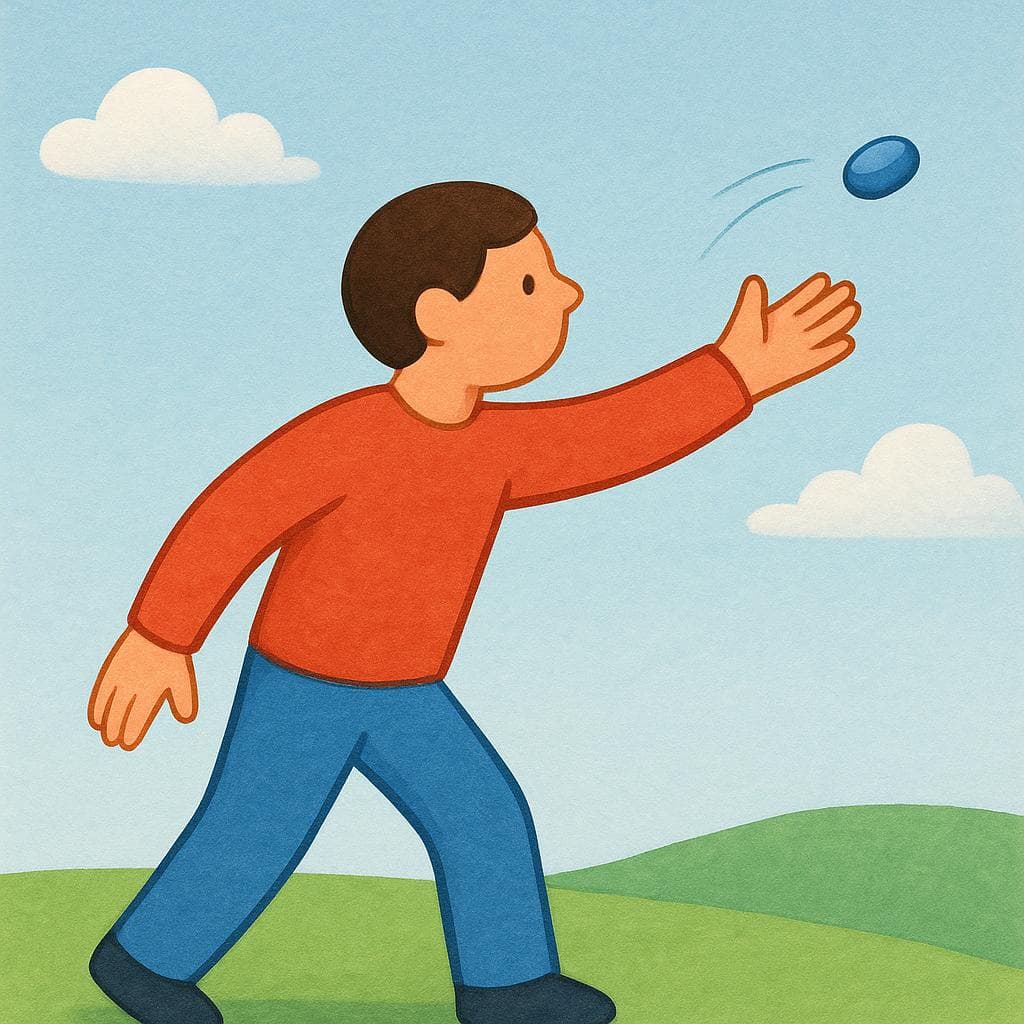
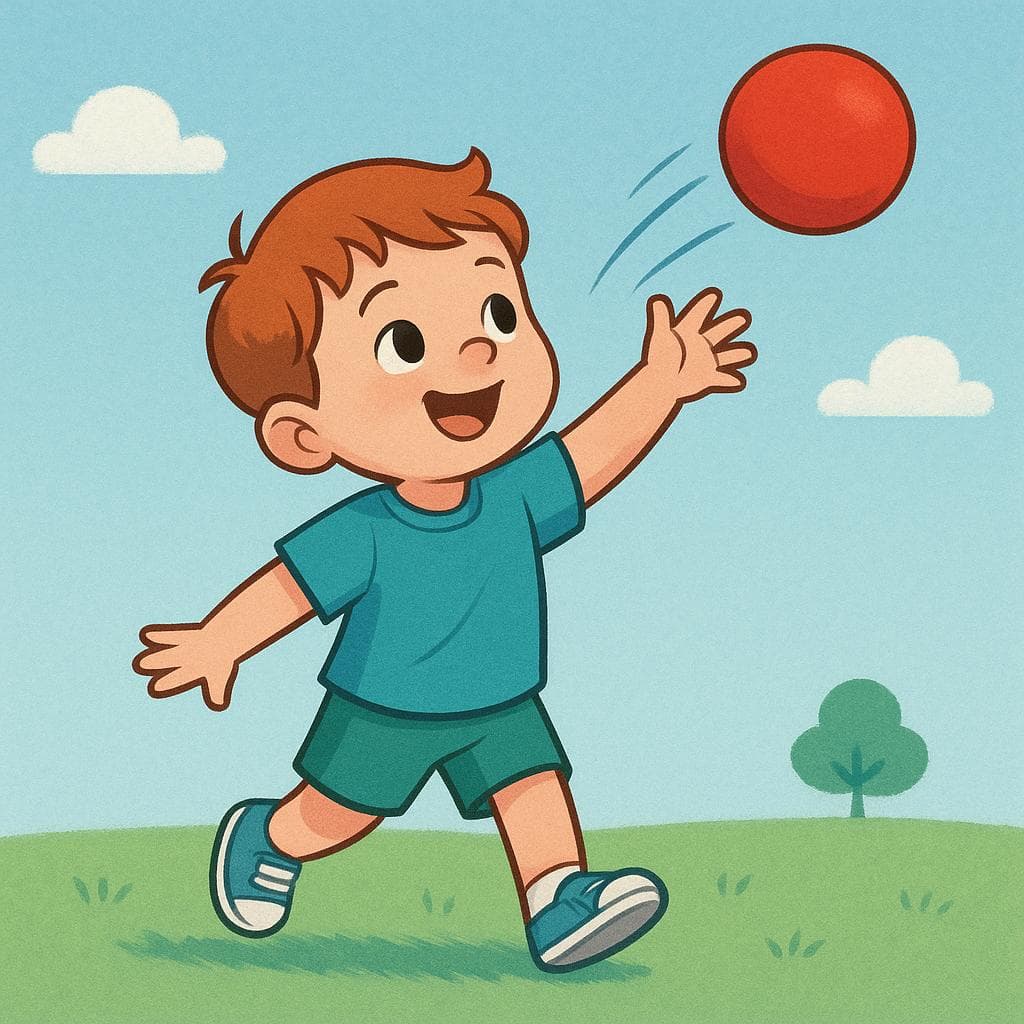
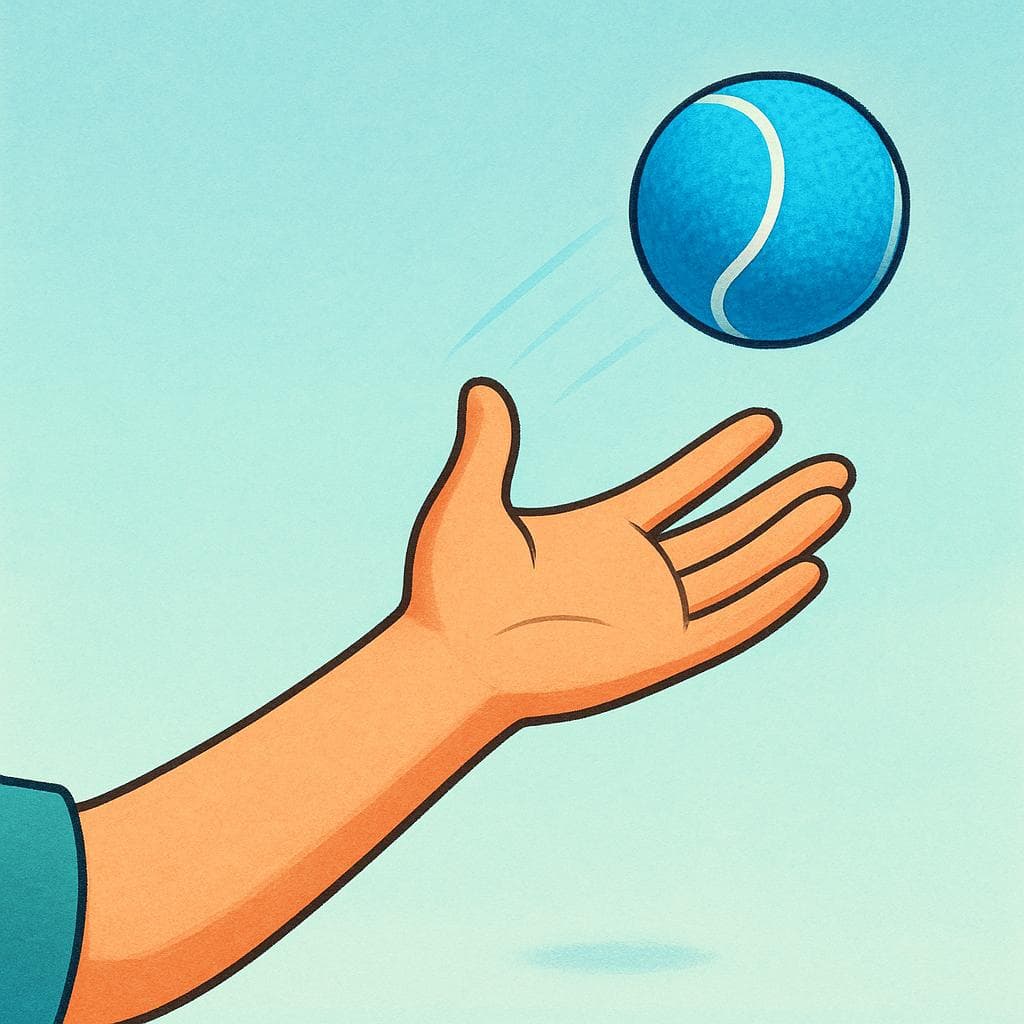
The most common Spanish word for “throw” is “lanzar” — use 'lanzar' when you want to describe the general action of propelling an object through the air, like throwing a ball or a frisbee.



lanzar
lahn-ZAHRlanˈθaɾ

Examples
El niño lanzó la pelota muy lejos.
The boy threw the ball very far.
Tenemos que lanzar el ancla antes de que empiece la tormenta.
We have to drop the anchor before the storm begins.
Spelling Change Rule (C to Z)
To keep the 's' sound consistent, 'lanzar' changes the 'z' to a 'c' whenever it is followed by the vowel 'e'. This only happens in the 'yo' form of the past simple (lancé) and in the special forms used for wishes and commands (subjunctive).
tire
TEE-rehˈti.ɾe

Examples
Quiero que usted tire la pelota lejos.
I want you (formal) to throw the ball far away.
¡Tire la llave aquí, por favor!
Throw the key here, please!
Espero que no tire el vaso.
I hope I don't drop the glass.
What 'tire' means here
'Tire' is the special verb form (the subjunctive) used when you express desires, wishes, or uncertainty about someone else (yo, él, ella, or usted) throwing something.
The Formal Command
'Tire' is also the polite, formal command for 'you' (usted), meaning 'Throw!' or 'Toss!'
lanzamiento
lan-sah-MYEN-tohlanθaˈmjento
Examples
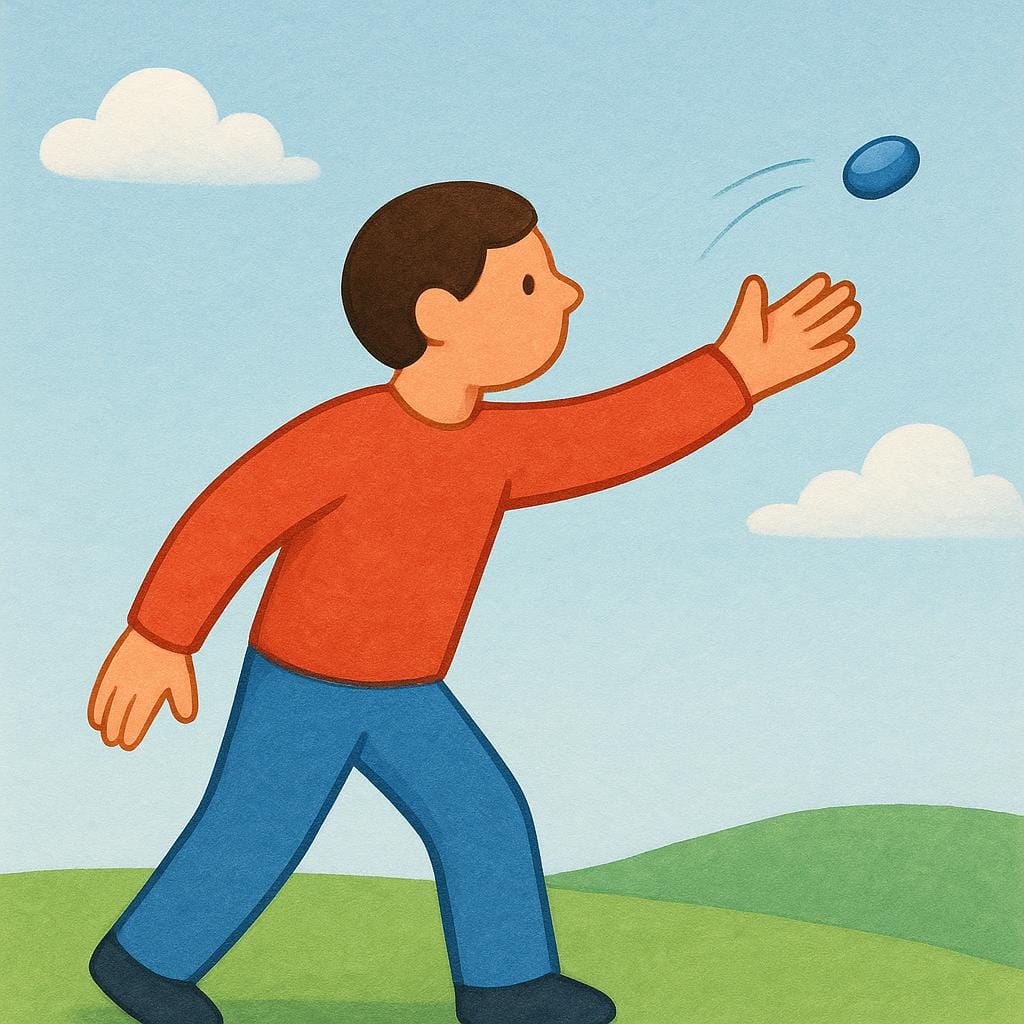
El lanzamiento de la piedra fue muy potente.
The throw of the stone was very powerful.
Vimos el lanzamiento del cohete en la televisión.
We watched the rocket launch on television.
Ganó la medalla de oro en el lanzamiento de jabalina.
He won the gold medal in the javelin throw.
El árbitro pitó un lanzamiento de falta.
The referee whistled for a free throw.
The verb 'lanzar'
Remember that 'lanzamiento' is the action (the noun). The verb is 'lanzar' ('to throw' or 'to launch'): 'Él lanza la pelota' (He throws the ball).
eche
AY-chayˈe.t͡ʃe
Examples
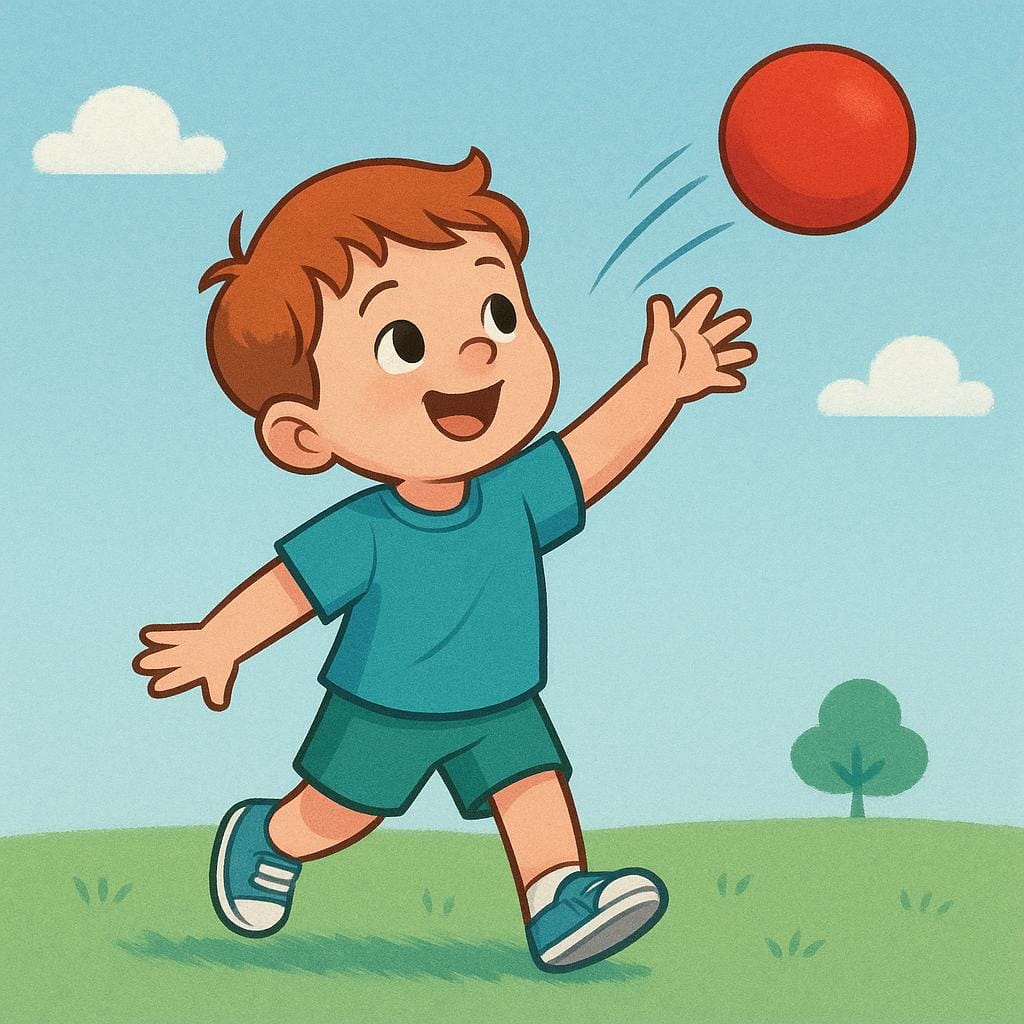
¡Eche más leña al fuego, por favor!
Please, throw more wood onto the fire!
Mi madre quiere que yo eche menos sal a la sopa.
My mother wants me to put less salt in the soup.
No creo que eche gasolina hoy, el tanque está lleno.
I don't think I'll put gas in today, the tank is full.
A Form of the Verb 'echar'
'Eche' is the special verb form (subjunctive) used when you express a wish, a doubt, or a command directed at 'yo' (I), 'él/ella' (he/she), or 'usted' (the formal 'you').
Formal Command (Usted)
When giving a polite command to an adult or someone you don't know well, you use 'eche': 'Eche la basura' (Throw the garbage).
Confusing Eche and Echa
Mistake: “Using 'Echa usted la sal' (using the informal command form 'echa' for the formal 'usted').”
Correction: The formal command must use the subjunctive form: 'Eche usted la sal' (Please put in the salt).
tiro
TEE-rohˈtiɾo

Examples
El delantero falló el tiro a la portería.
The striker missed the shot at the goal.
Estuvo a un tiro de piedra de la casa, muy cerca.
It was a stone's throw from the house, very close.
Measuring Distance
The phrase 'a un tiro de piedra' (a stone's throw) is a very common way to describe something that is very close by.
lance
lan-se/ˈlanθe/ (Spain) /'lanse/ (Latam)
Examples
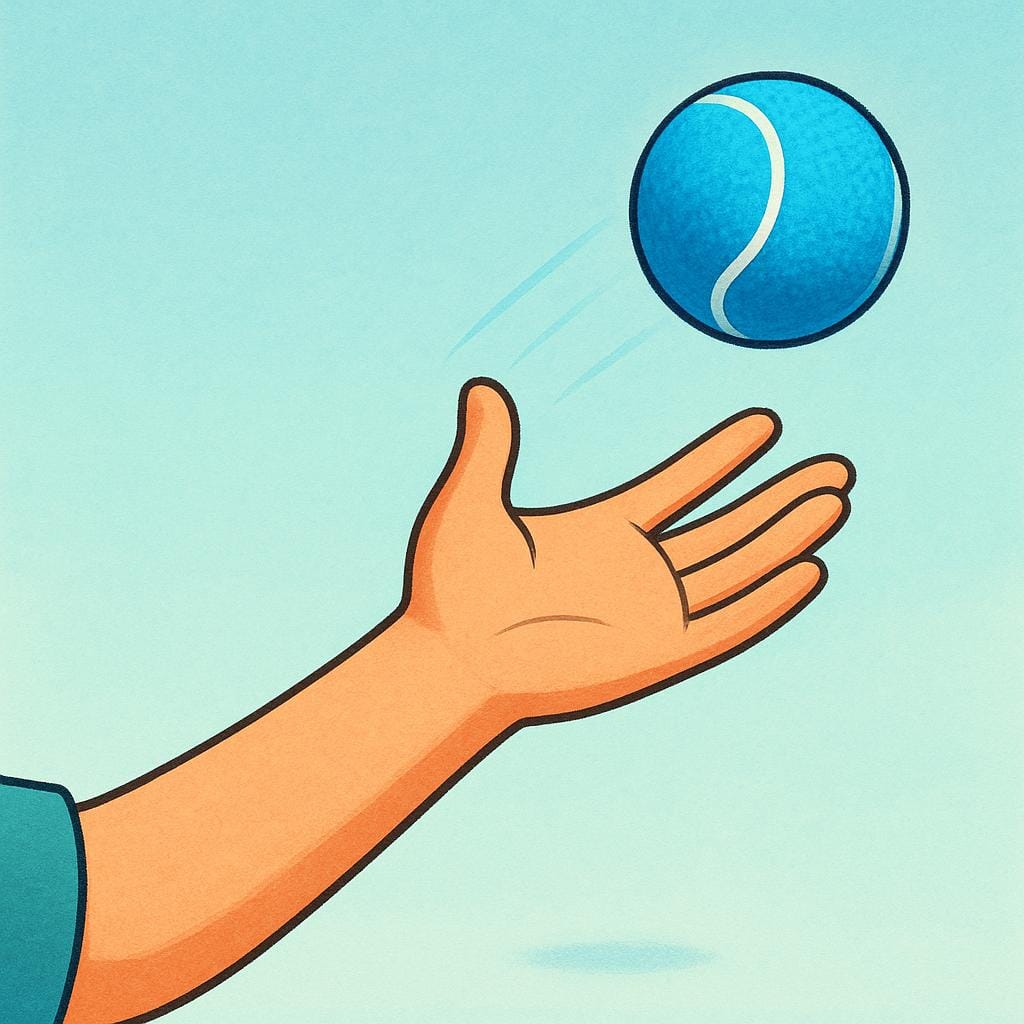
El pescador hizo un lance perfecto y su red cayó sobre el banco de peces.
The fisherman made a perfect cast and his net fell over the school of fish.
Necesitas más fuerza en el lance para llegar a la otra orilla.
You need more strength in the throw to reach the other shore.
Verb vs. Noun Confusion
Learn Spanish with Inklingo
Interactive stories, personalized learning, and more.