How to Say "pull" in Spanish
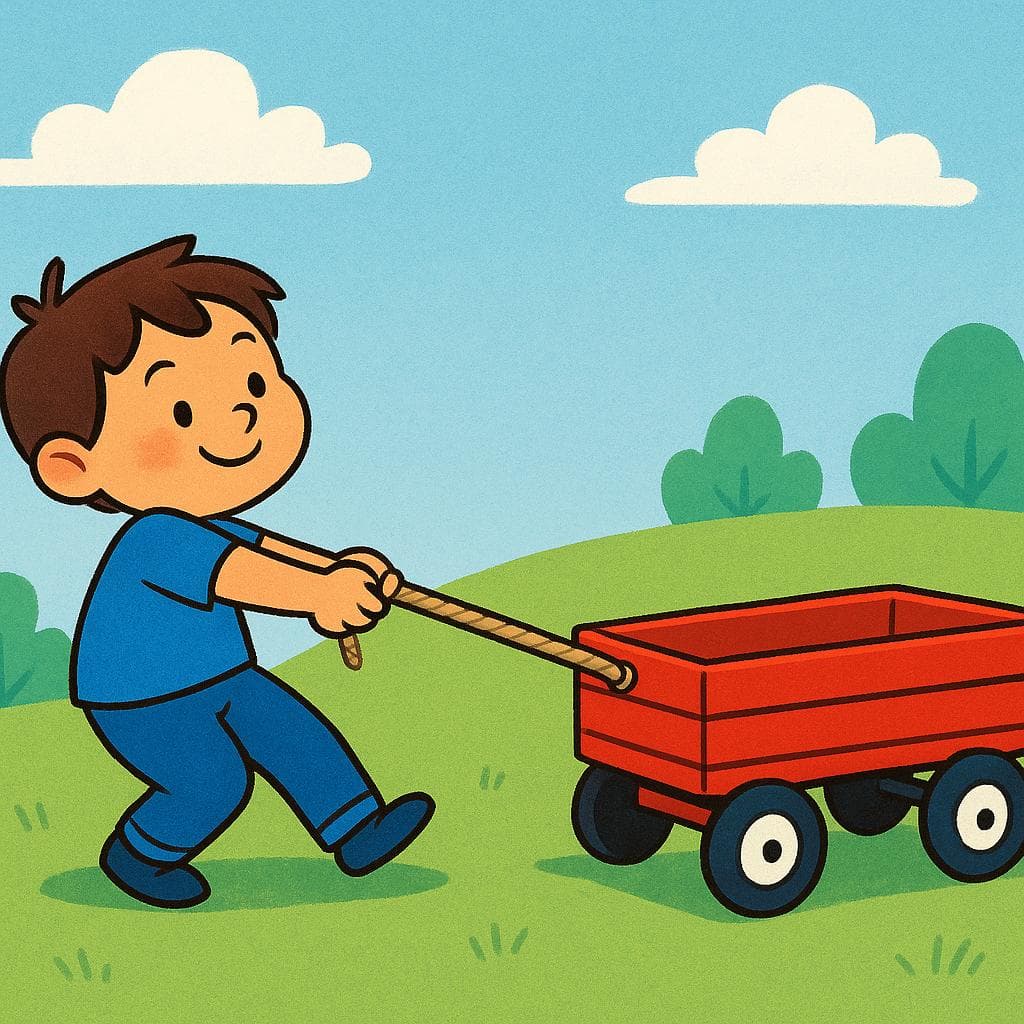
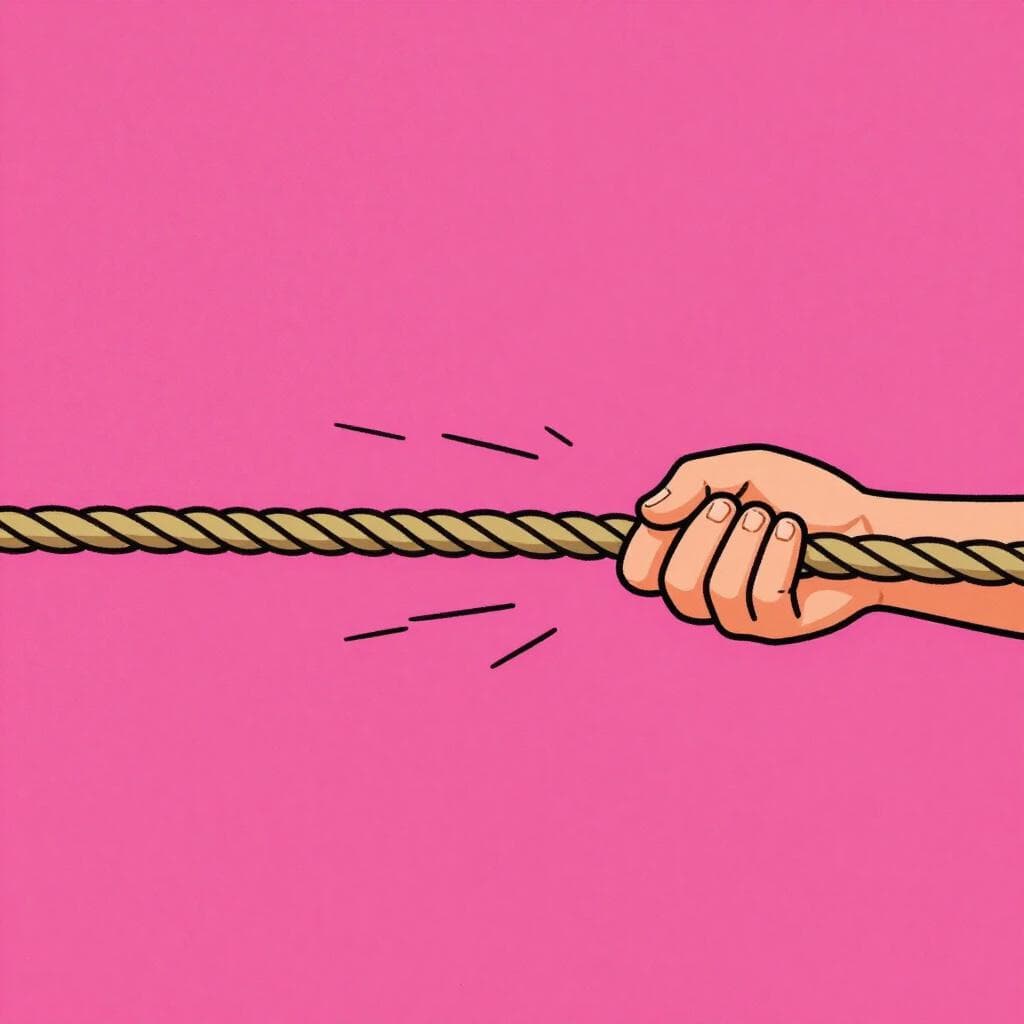
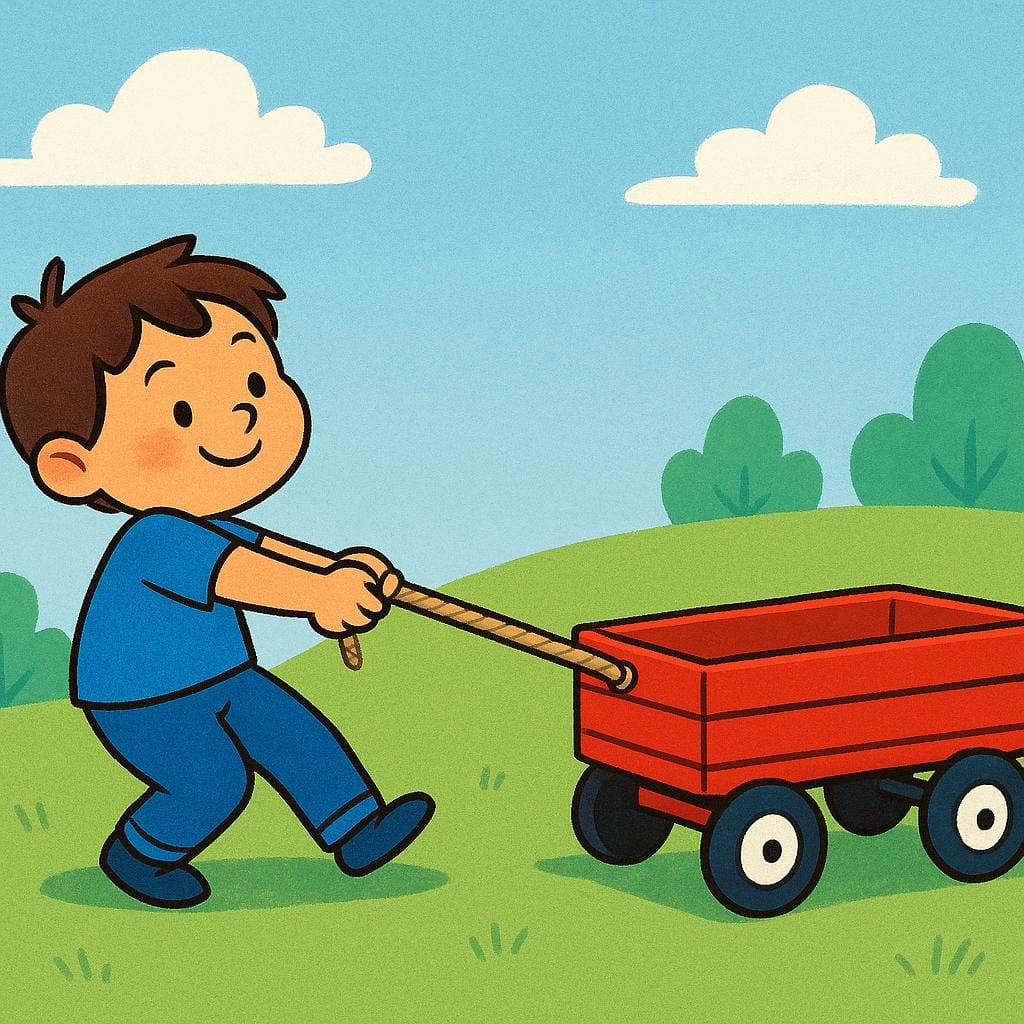
The most common Spanish word for “pull” is “tire” — use 'tire' when referring to the physical action of exerting force to move something towards yourself, like pulling a door or a rope.


tire
TEE-rehˈti.ɾe
Examples
Tira de la puerta para abrirla.
Pull the door to open it.
Le pido que tire la cuerda con fuerza.
I ask that you (formal) pull the rope hard.
Si usted no tire de la manija, la puerta no abre.
If you don't pull the handle, the door won't open.
tirón
tee-ROHNtiˈɾon

Examples
Le dio un tirón a la cuerda para abrir la cortina.
He gave the rope a pull to open the curtain.
Sentí un tirón en mi bolso y vi al ladrón corriendo.
I felt a tug on my bag and saw the thief running.
No abras la puerta de un tirón, hazlo despacio.
Don't open the door with a jerk; do it slowly.
Using 'Dar' with Tirón
To say 'to pull' something suddenly, Spanish often uses the verb 'dar' (to give) with 'tirón' instead of just a single verb.
Using 'Pulsar' for pull
Mistake: “Pulsé la cuerda.”
Correction: Le di un tirón a la cuerda.
arrastre
ah-RAHS-trehaˈras.tɾe

Examples
Ese candidato tiene mucho arrastre entre los jóvenes.
That candidate has a lot of pull among young people.
Su carisma le da un gran arrastre electoral.
His charisma gives him great electoral appeal.
La marca perdió su arrastre después del escándalo.
The brand lost its attraction after the scandal.
Figurative Use
Just as a tractor 'drags' a load, a charismatic person 'drags' or pulls people toward their ideas. This is why we use the same word for both.
palanca
pah-LAHN-kahpaˈlaŋka
Examples
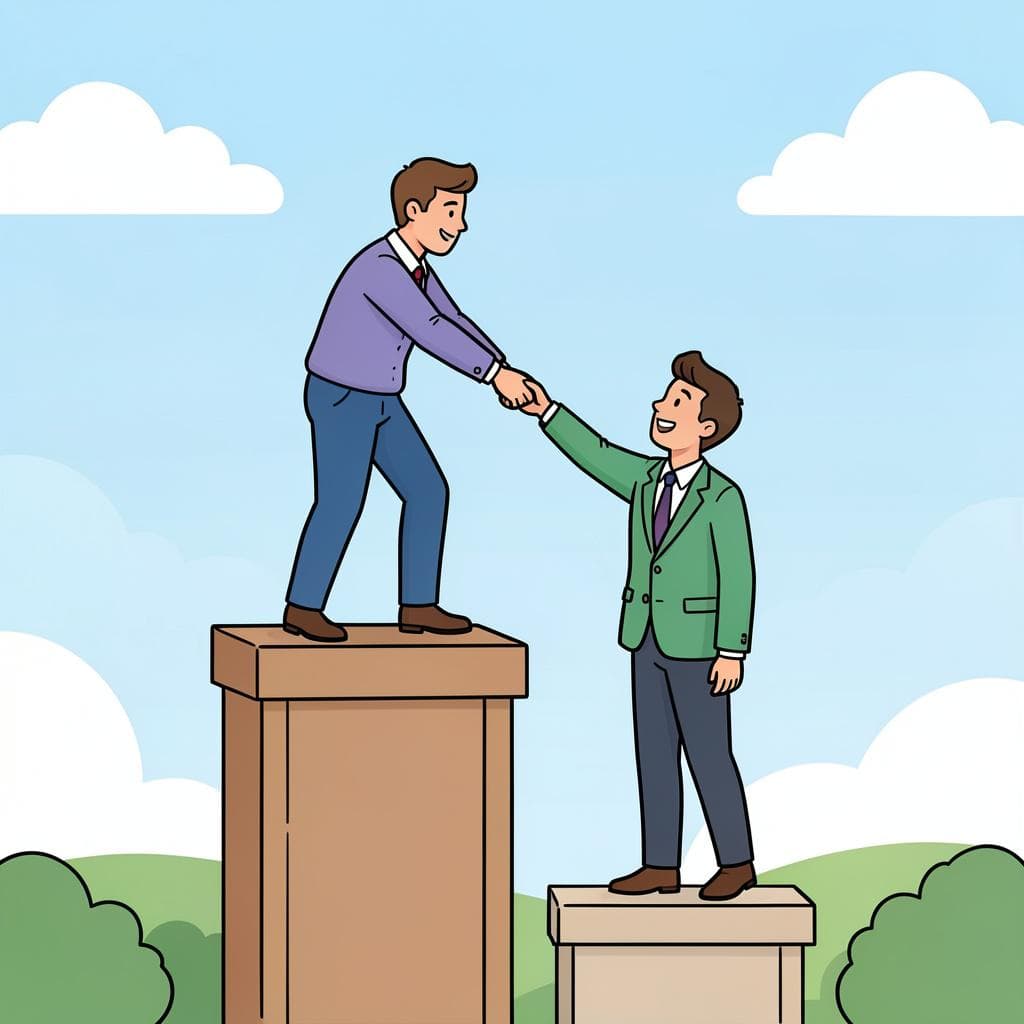
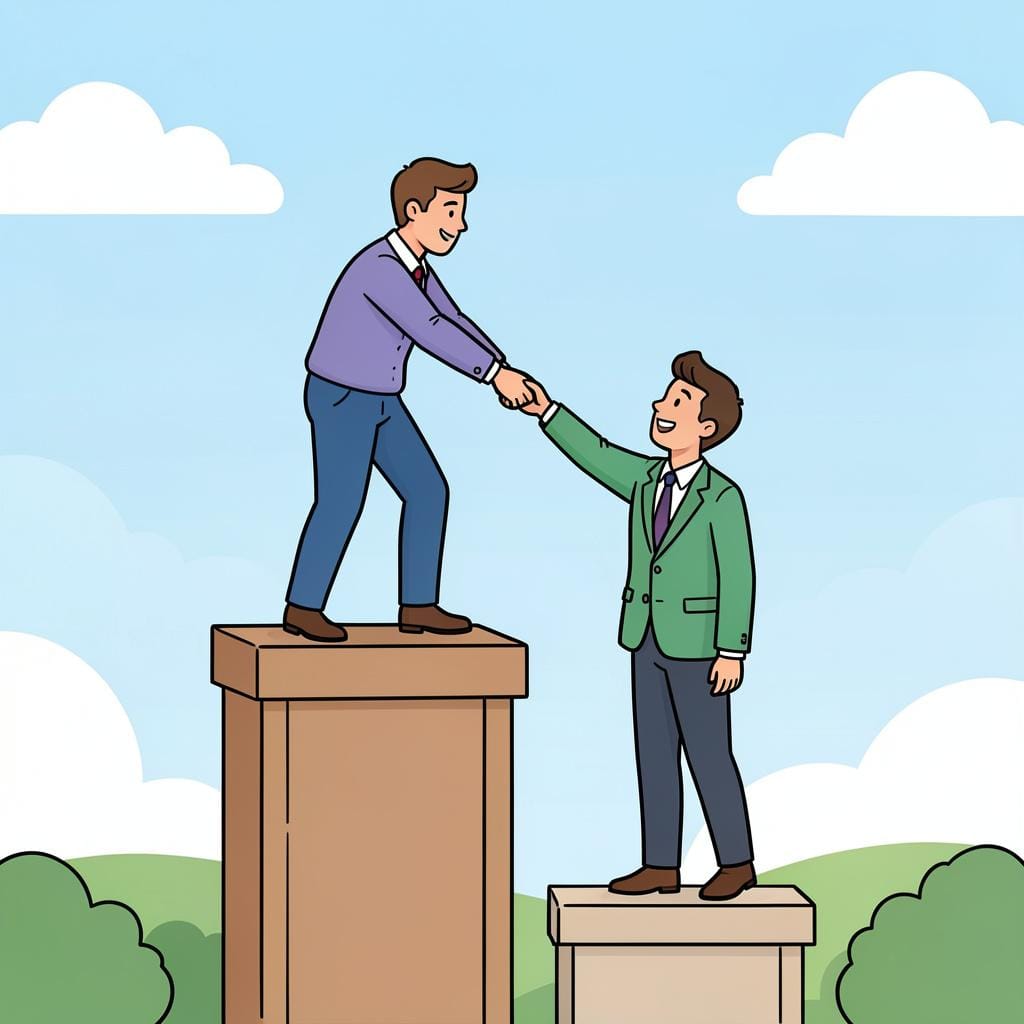
Entró en esa empresa porque tiene mucha palanca.
He got into that company because he has a lot of pull/connections.
Sin palanca es difícil conseguir los permisos rápido.
Without influence, it is hard to get the permits quickly.
Palanca vs. Enchufe
Mistake: “Using 'enchufe' in Mexico to mean influence.”
Correction: Use 'palanca' in Latin America for more natural-sounding slang.
tiro
TEE-rohˈtiɾo
Examples
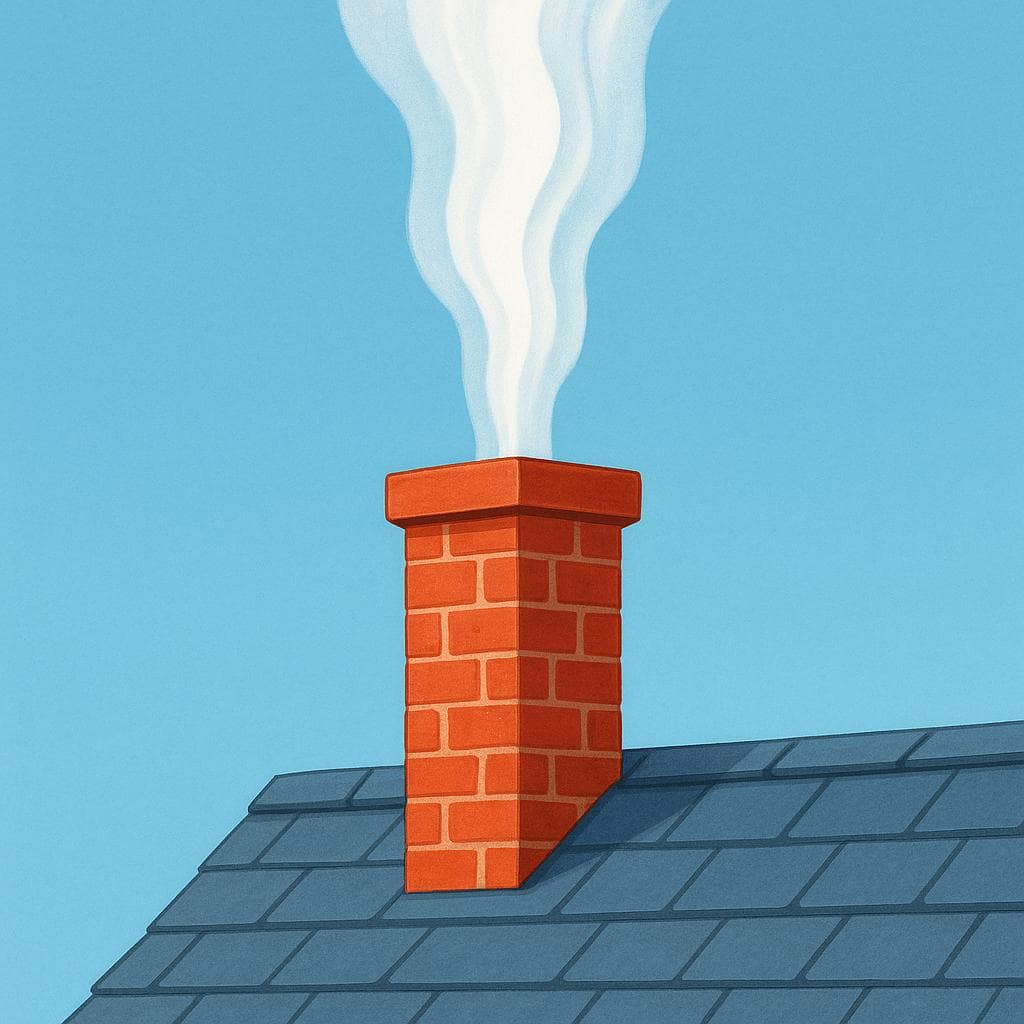
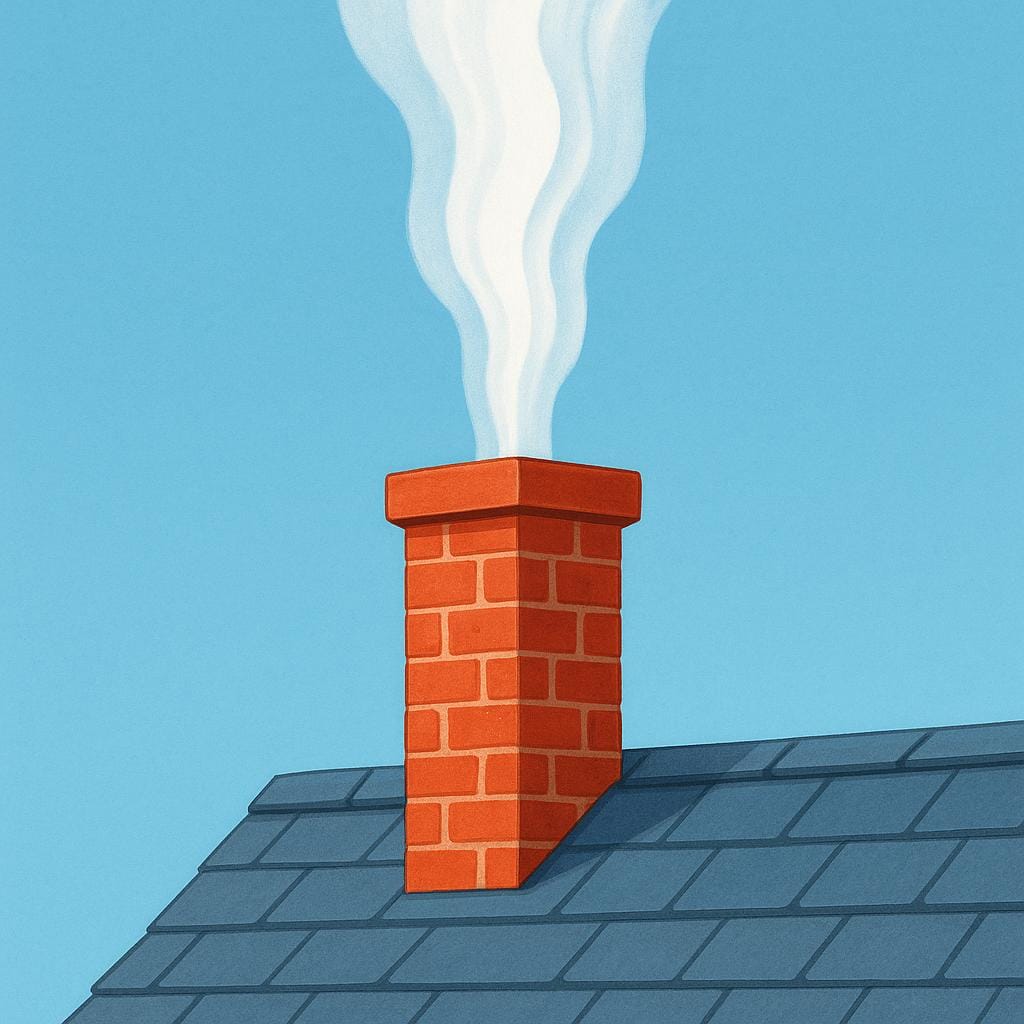
La chimenea tiene buen tiro, por eso no sale humo.
The chimney has a good draft, that's why no smoke comes out.
El carro de tiro es muy pesado para un solo caballo.
The haulage cart is too heavy for a single horse.
vara
bah-rahˈba.ɾa

Examples
En este pueblo, el alcalde tiene la vara alta.
In this town, the mayor has a lot of influence.
No intentes discutir con ella; tiene la vara de mando.
Don't try to argue with her; she holds the staff of command.
Él tiene vara en ese departamento.
He has pull in that department.
Symbolic Power
The 'vara' represents the physical staff that leaders or mayors used to carry as a symbol of their office.
Verb vs. Noun for 'Pull'
Related Translations
Learn Spanish with Inklingo
Interactive stories, personalized learning, and more.