vara
“vara” means “rod” in Spanish. It has 3 different meanings depending on context:
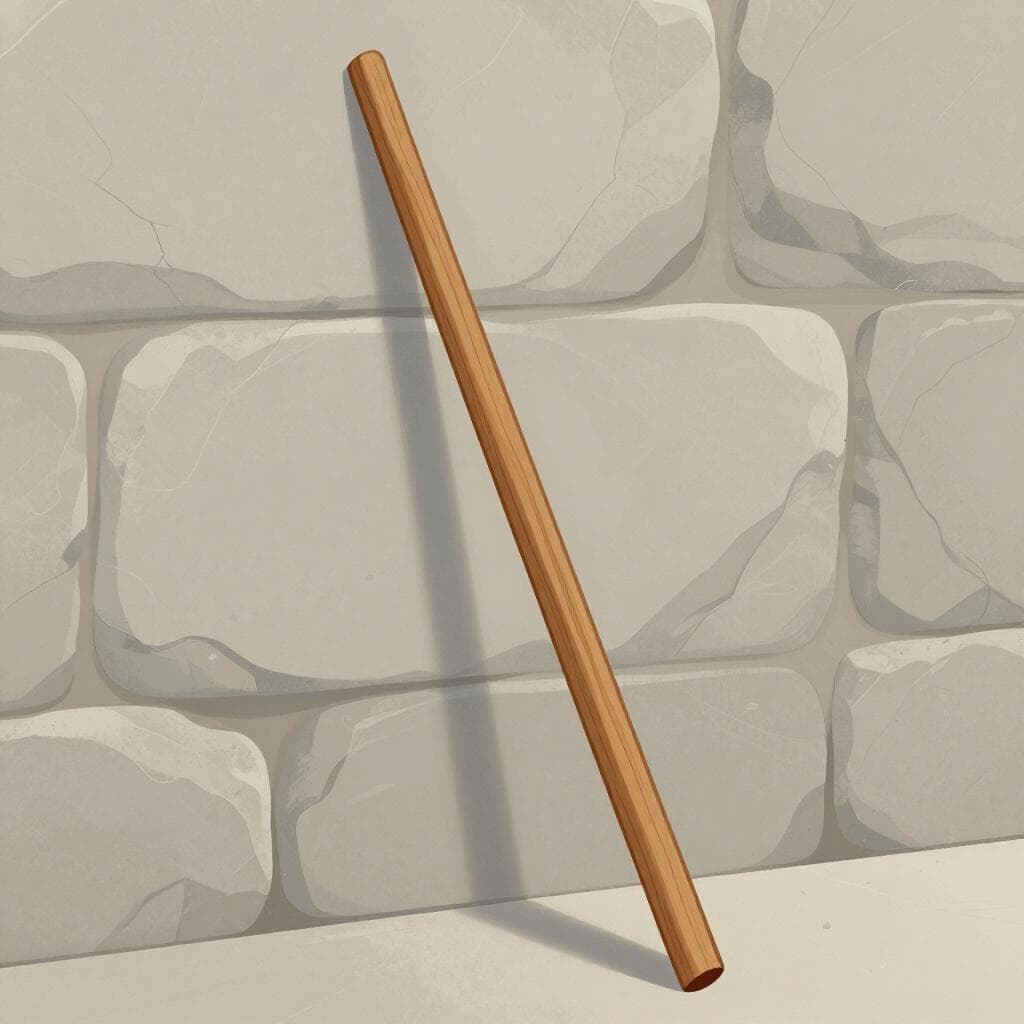

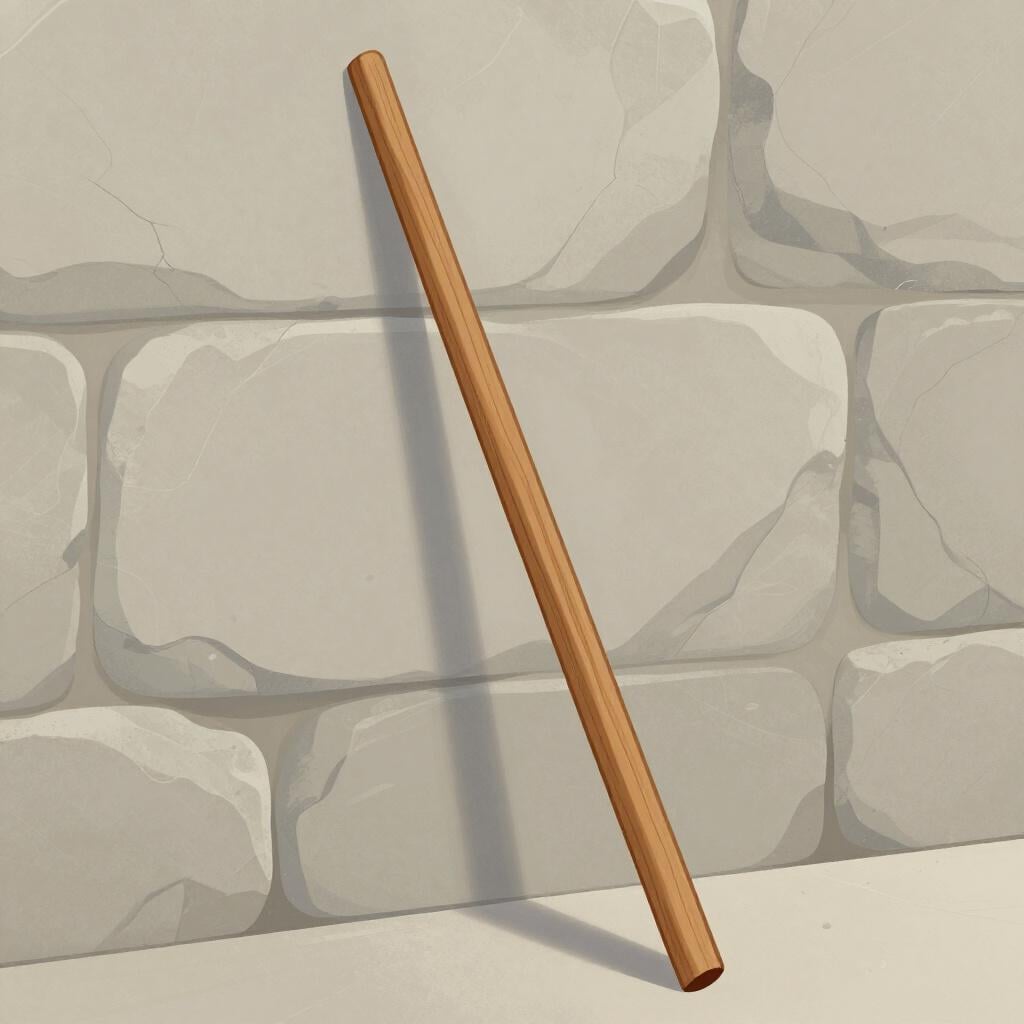
rod, stickAlso: wand, pole
📝 In Action
El pastor dirige a sus ovejas con una vara de madera.
A2The shepherd guides his sheep with a wooden rod.
El mago agitó su vara mágica y desapareció el conejo.
B1The magician waved his magic wand and the rabbit disappeared.
Usamos una vara larga para alcanzar los mangos del árbol.
B1We used a long pole to reach the mangoes on the tree.
Word Connections
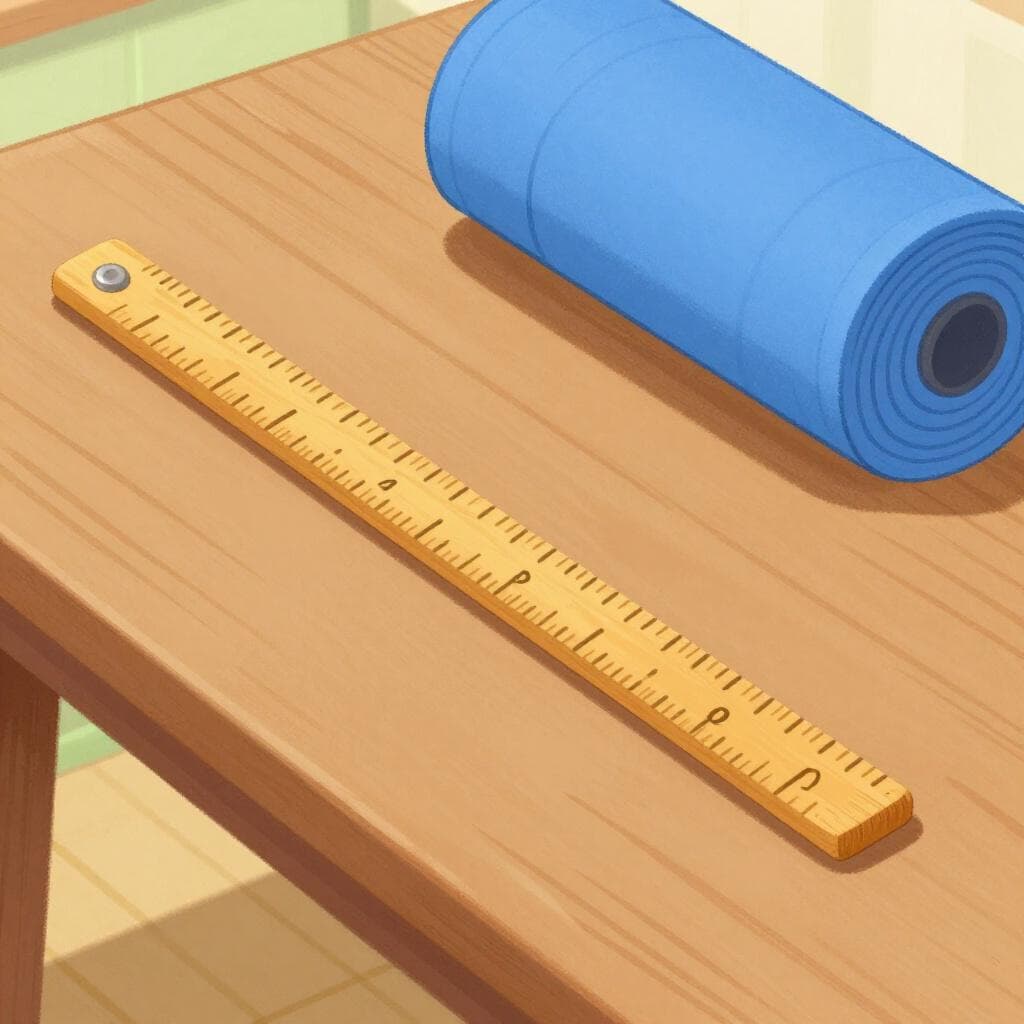
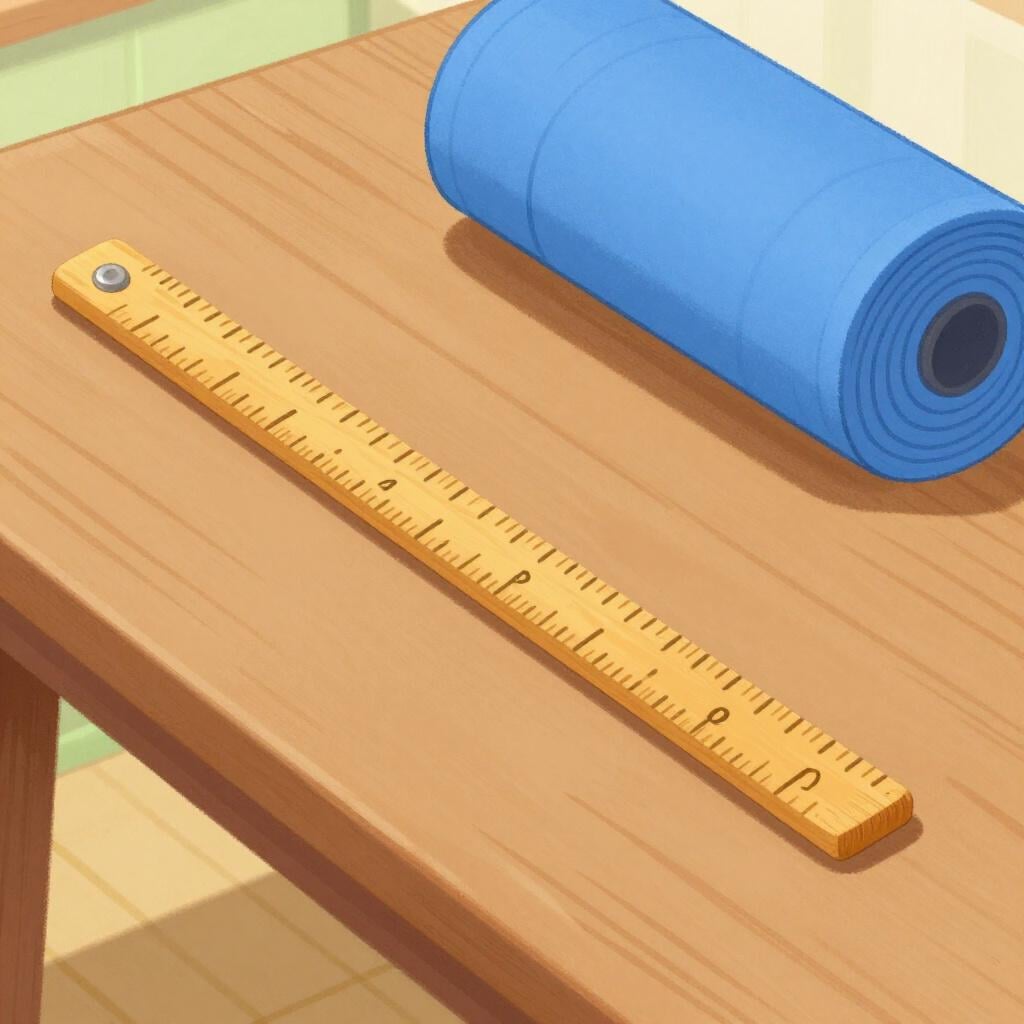
yardstick, standard
📝 In Action
No podemos juzgar a todos con la misma vara.
B2We cannot judge everyone by the same yardstick.
Su vara de medir es demasiado estricta.
C1His standard of measurement is too strict.
La empresa cambió su vara para evaluar el éxito.
C1The company changed its yardstick for evaluating success.
Word Connections
authority, swayAlso: pull

📝 In Action
En este pueblo, el alcalde tiene la vara alta.
C1In this town, the mayor has a lot of influence.
No intentes discutir con ella; tiene la vara de mando.
C2Don't try to argue with her; she holds the staff of command.
Él tiene vara en ese departamento.
C2He has pull in that department.
Word Connections
Translate to Spanish
✏️ Quick Practice
Quick Quiz: vara
Question 1 of 3
What does the idiom 'doble vara de medir' mean?
📚 More Resources
👥 Word Family
📚 Etymology
From Latin 'vāra', which referred to a wooden bar or a forked stick used in construction and agriculture.
First recorded: 12th century
Cognates (Related words)
💡 Master Spanish
Take your Spanish to the next level. Read 200+ illustrated and narrated Spanish stories tailored to your level with the Inklingo app!
Frequently Asked Questions
Is 'vara' the same as 'palo'?
Not exactly. 'Palo' is a general word for any stick. 'Vara' is usually straighter, thinner, and often has a specific purpose like measuring or guiding.
What is the difference between 'vara' and 'varita'?
'Varita' is the diminutive. While a fairy might use a 'varita' (wand), a shepherd would use a 'vara' (rod/staff).
Is 'vara' still used as a measurement?
Historically, the 'vara' was a unit of length (about 83cm), but it is no longer used officially. You will mostly find it in historical documents or old idioms.