How to Say "pole" in Spanish
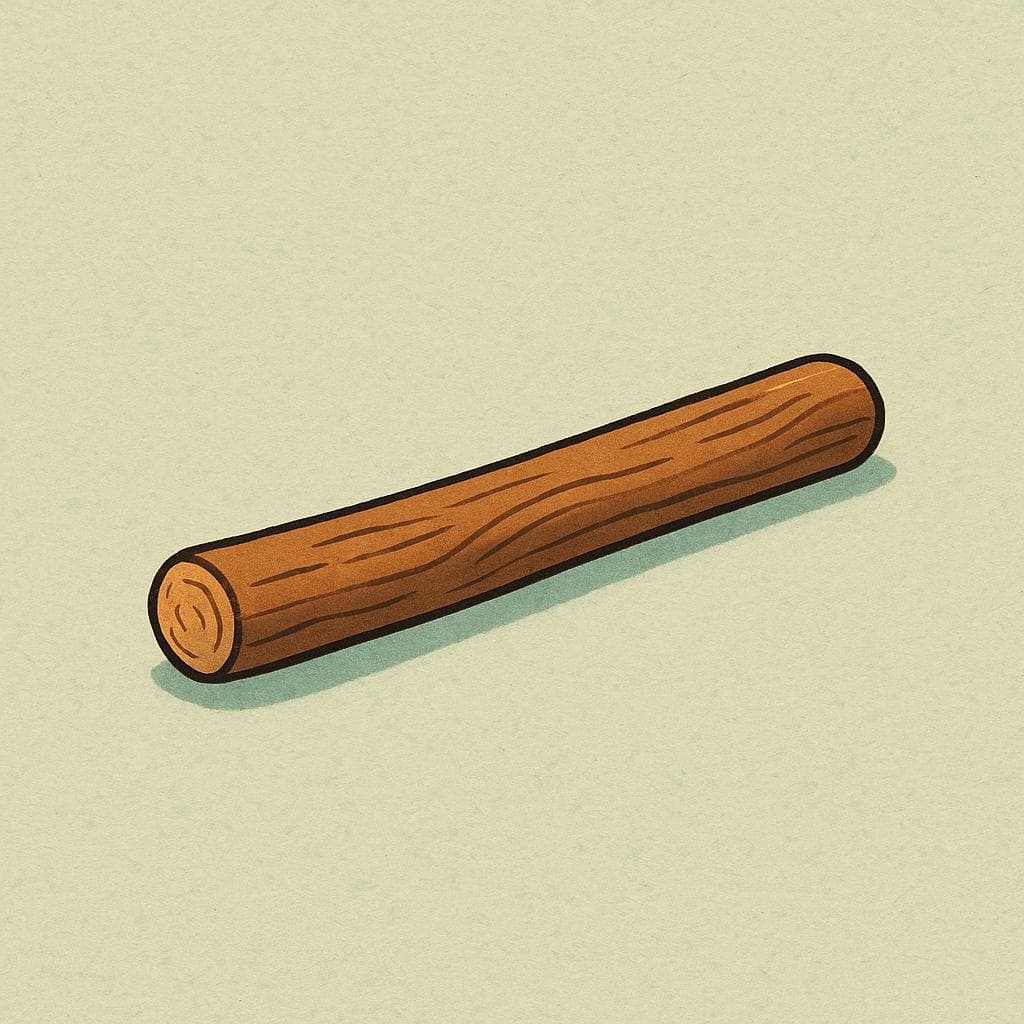
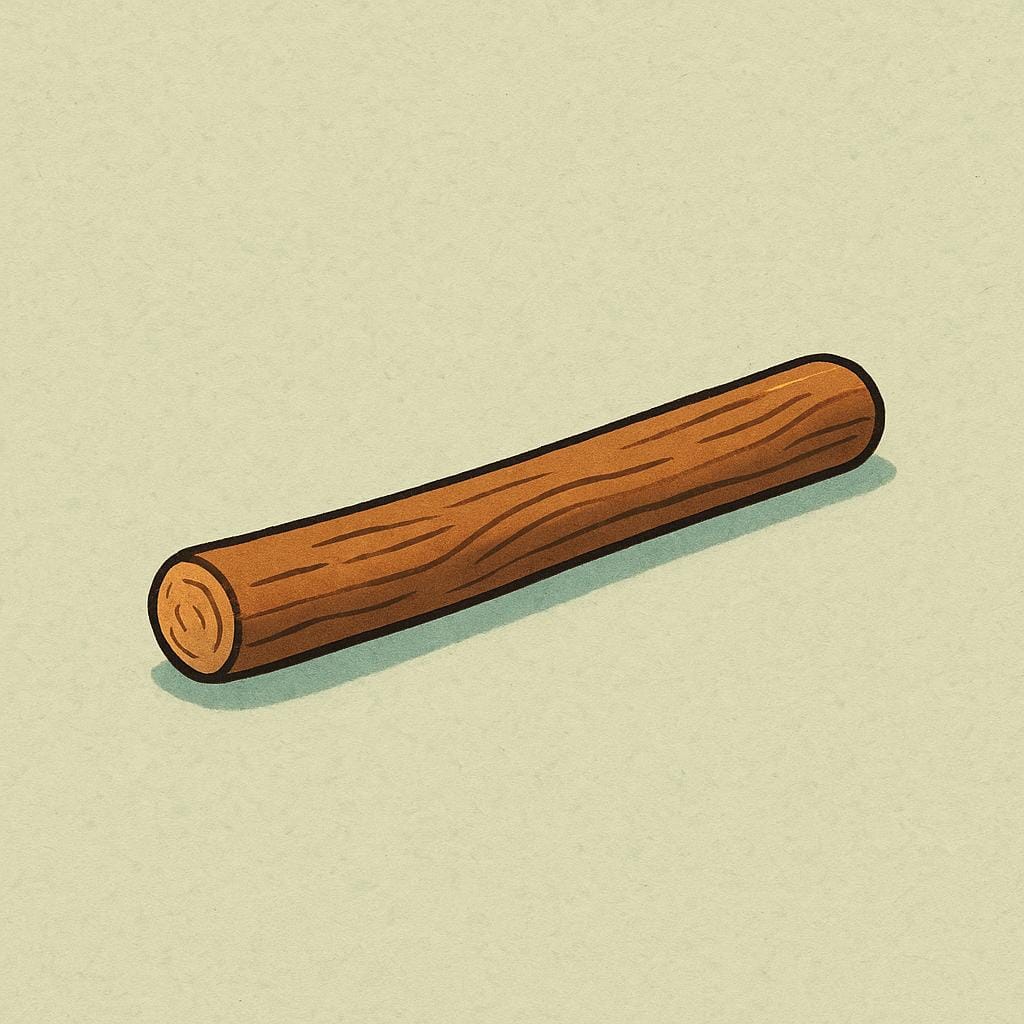
The most common Spanish word for “pole” is “palo” — use 'palo' for a long, rigid object like a stick or a staff, often found in nature or used for simple support.

palo
PAH-lohˈpa.lo
Examples
El perro siempre trae un palo grande del parque.
The dog always brings a big stick from the park.
Necesitamos un palo largo para alcanzar esa rama.
We need a long pole to reach that branch.
Gender Reminder
Even though 'palo' ends in -o, remember it is a masculine noun ('el palo').
poste
POS-tehˈposte
Examples
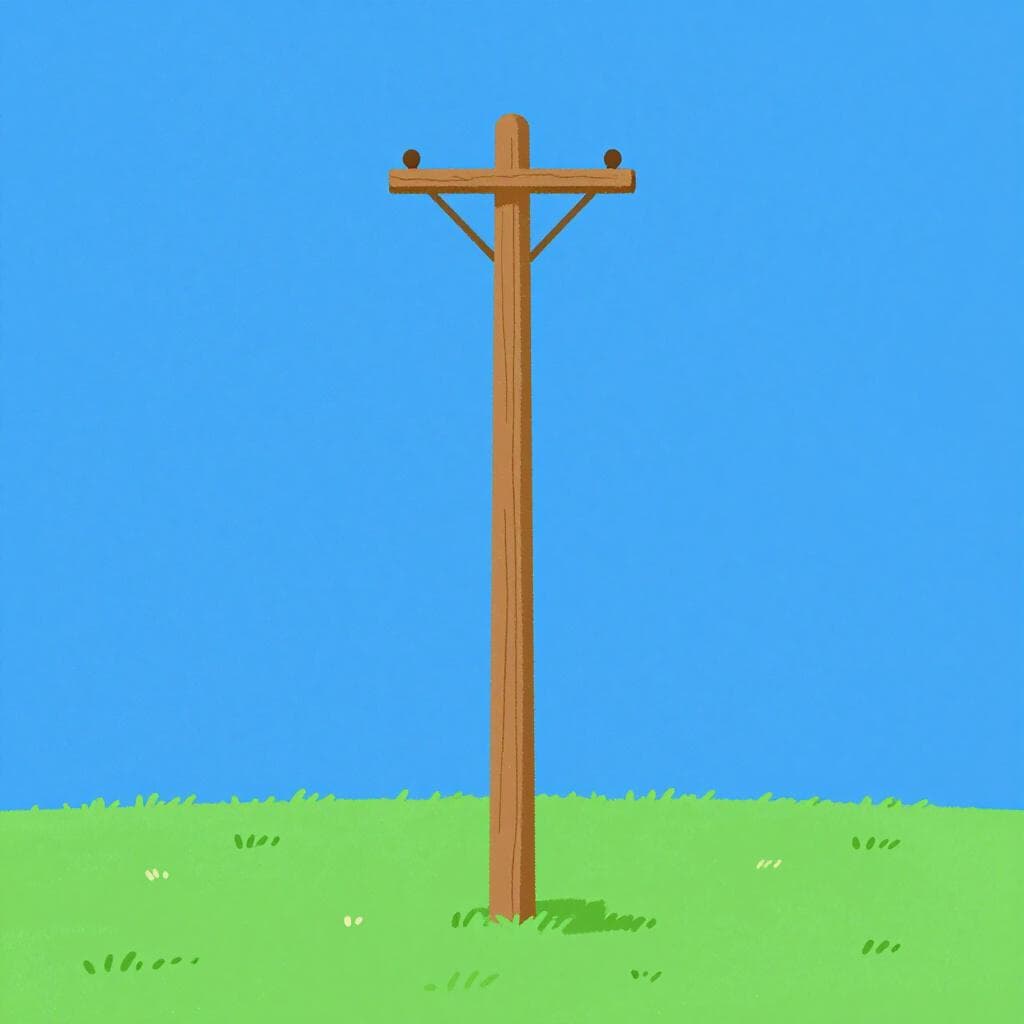
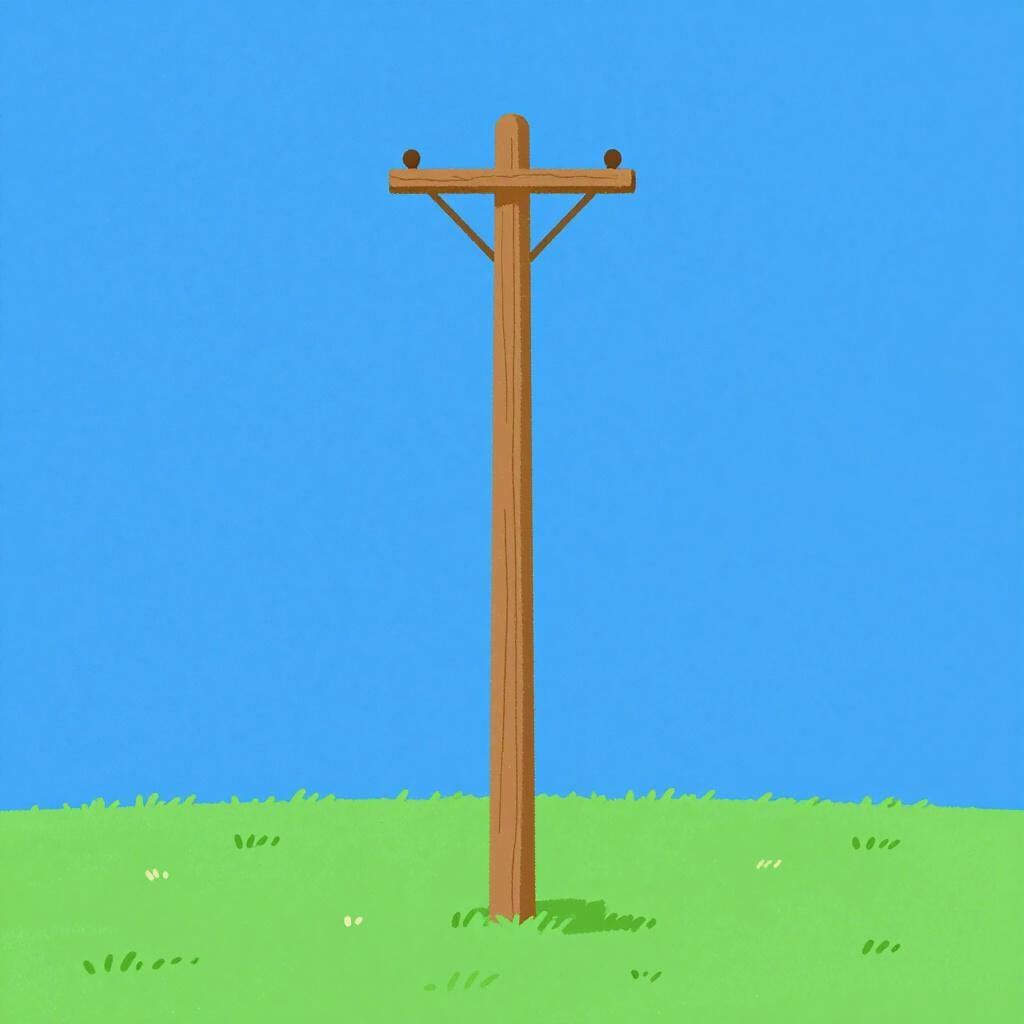
El coche chocó contra un poste de luz.
The car hit a light pole.
La pelota pegó en el poste de la portería y no fue gol.
The ball hit the goalpost and wasn't a goal.
Tenemos que cambiar los postes de madera de la cerca.
We have to change the wooden fence posts.
Gender Identification
Even though it ends in 'e', 'poste' is a masculine noun. Always use 'el' or 'un' with it.
Plural Form
To make it plural, just add an 's' to the end: 'los postes'.
Confusing Poste with Postre
Mistake: “Quiero comer un poste.”
Correction: Quiero comer un postre.
polo
POH-lohˈpo.lo

Examples
El Polo Norte es el punto más septentrional de la Tierra.
The North Pole is the northernmost point on Earth.
La batería tiene un polo positivo y un polo negativo.
The battery has a positive pole and a negative pole.
Capitalization
When referring to the specific geographic locations, 'Polo Norte' and 'Polo Sur' are usually capitalized in Spanish, just like in English.
vara
bah-rahˈba.ɾa
Examples
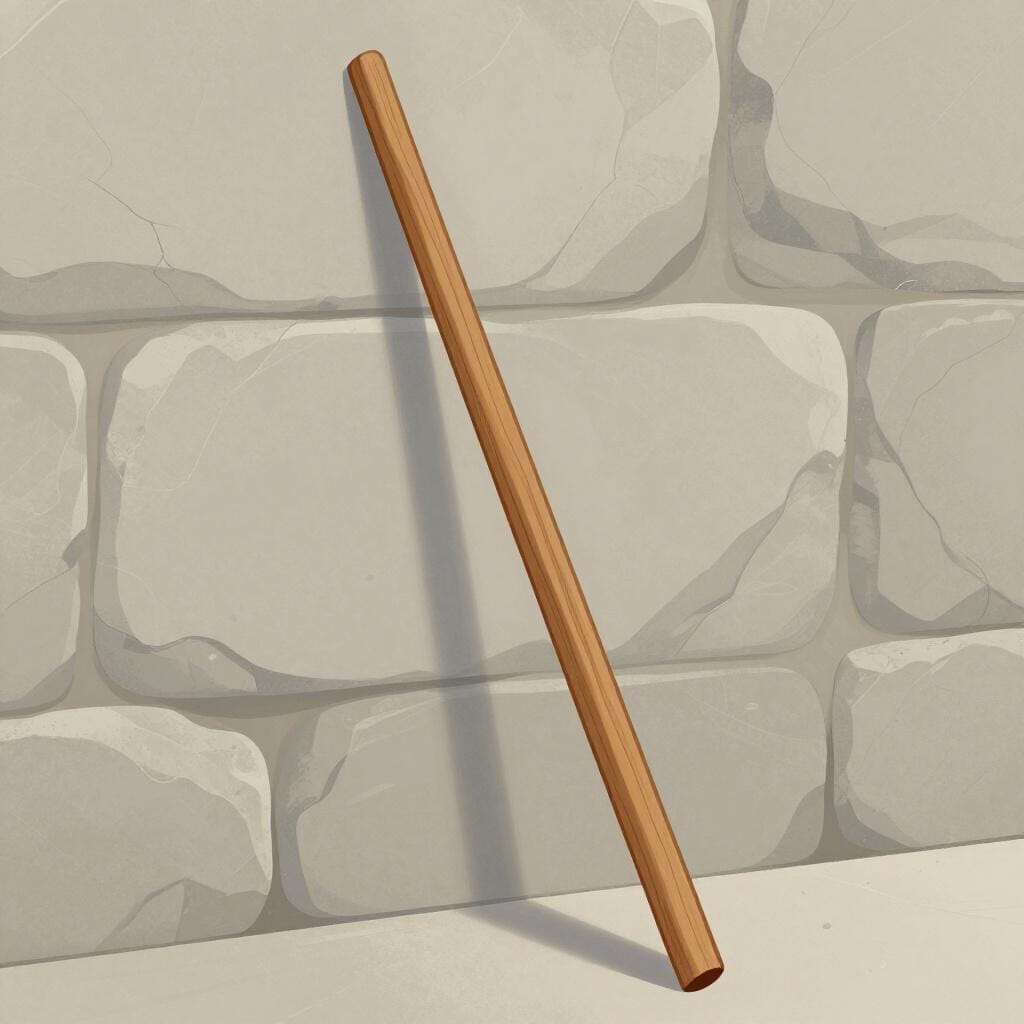
El pastor dirige a sus ovejas con una vara de madera.
The shepherd guides his sheep with a wooden rod.
El mago agitó su vara mágica y desapareció el conejo.
The magician waved his magic wand and the rabbit disappeared.
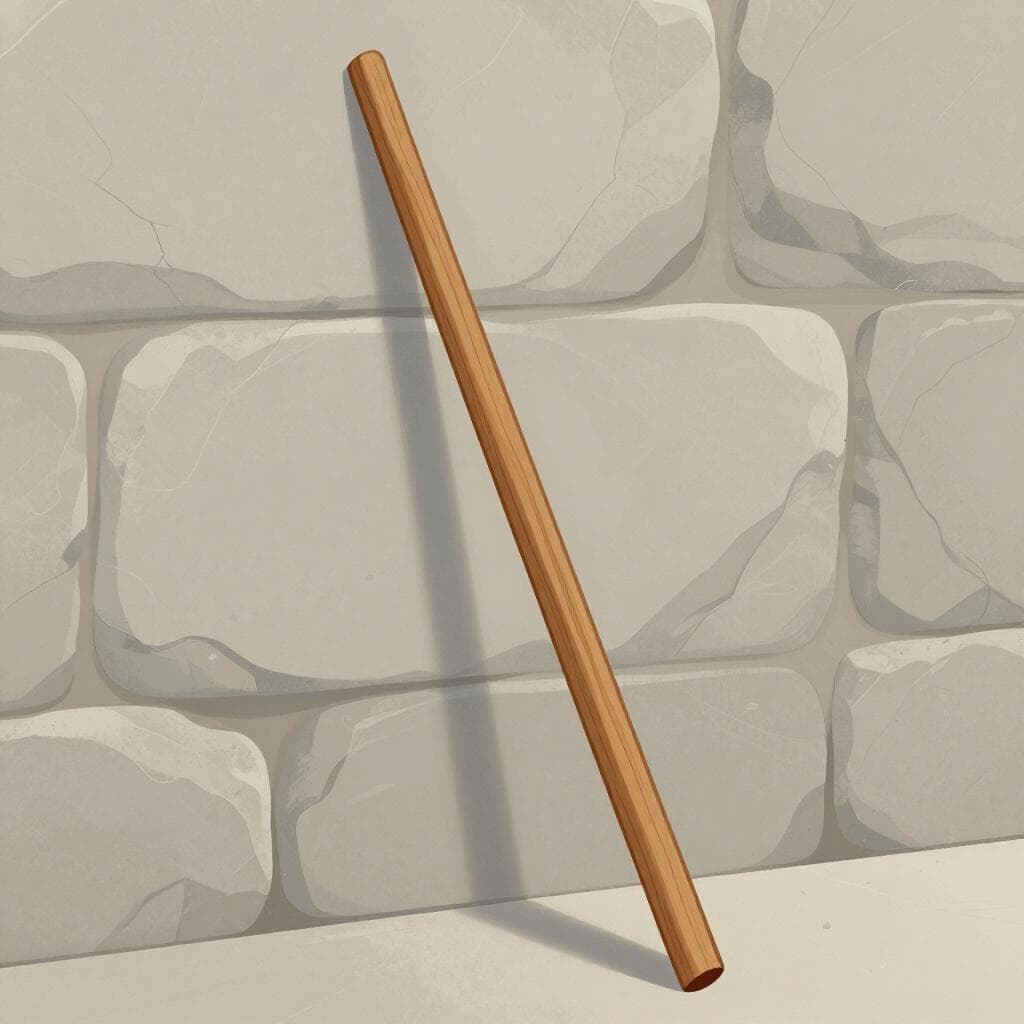
Usamos una vara larga para alcanzar los mangos del árbol.
We used a long pole to reach the mangoes on the tree.
Always Feminine
Even though it ends in 'a', it's worth remembering that it always uses 'la' or 'una'. Never 'el' or 'un'.
Pluralization
To talk about more than one, simply add an 's' to get 'varas'.
Vara vs. Valla
Mistake: “Me salté la vara.”
Correction: Me salté la valla.
polaco
po-LAH-kopoˈlako

Examples
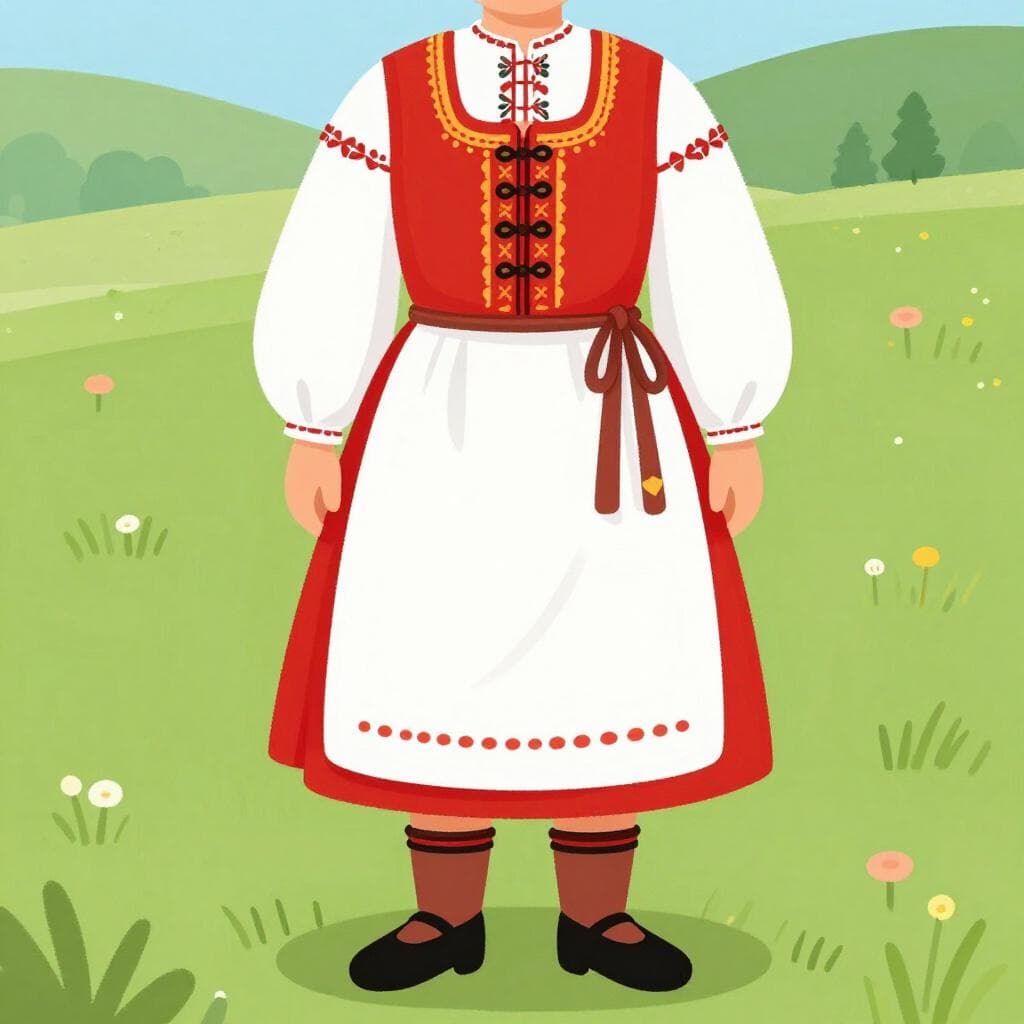
Mi vecino es un polaco muy amable.
My neighbor is a very kind Polish man.
Los polacos celebran esta tradición en invierno.
The Poles celebrate this tradition in winter.
Un polaco ganó el premio de ciencias.
A Polish man won the science prize.
Don't capitalize
Just like the adjective, the word for the person is written with a small letter.
The feminine version
If you are talking about a woman, the word changes to 'una polaca'.
Using 'Polish' for people
Mistake: “Él es un polandés.”
Correction: Él es polaco.
Don't confuse poles and people!
Related Translations
Learn Spanish with Inklingo
Interactive stories, personalized learning, and more.