How to Say "pillar" in Spanish
The most common Spanish word for “pillar” is “columna” — use 'columna' for a substantial, architectural support structure, often found in buildings, temples, or monuments.

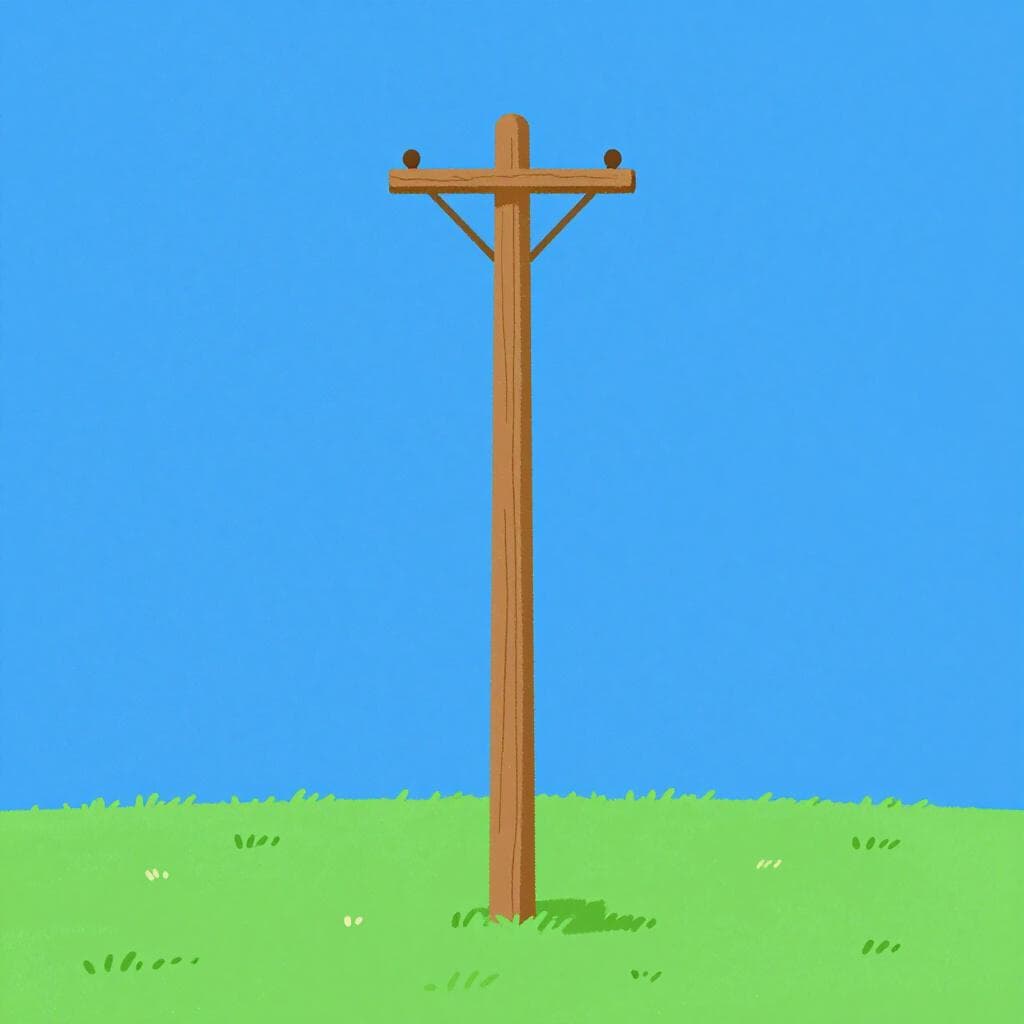

columna
koh-LOOM-nahkoˈlumna

Examples
Las columnas del templo griego eran de mármol blanco.
The columns of the Greek temple were made of white marble.
Necesitamos construir una columna de apoyo en el sótano.
We need to build a support column in the basement.
Gender Reminder
Even though 'columna' ends in '-a', it is a feminine noun, which is the most common pattern for Spanish nouns ending in '-a'.
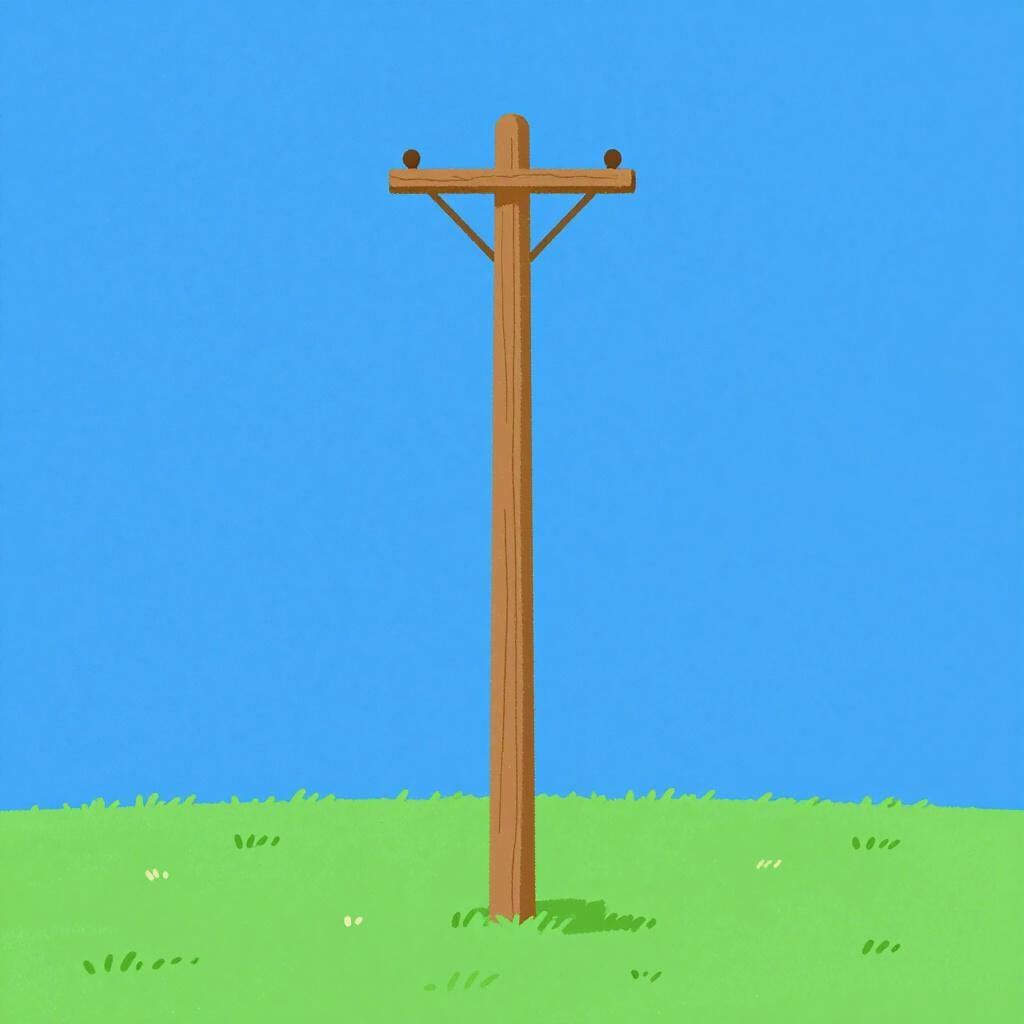
poste
POS-tehˈposte
Examples
El coche chocó contra un poste de luz.
The car hit a light pole.
La pelota pegó en el poste de la portería y no fue gol.
The ball hit the goalpost and wasn't a goal.
Tenemos que cambiar los postes de madera de la cerca.
We have to change the wooden fence posts.
Gender Identification
Even though it ends in 'e', 'poste' is a masculine noun. Always use 'el' or 'un' with it.
Plural Form
To make it plural, just add an 's' to the end: 'los postes'.
Confusing Poste with Postre
Mistake: “Quiero comer un poste.”
Correction: Quiero comer un postre.
roca
ROH-kahˈroka

Examples
Su madre ha sido la roca de la familia durante todos estos años difíciles.
His mother has been the rock of the family during all these difficult years.
Aunque todo se derrumbó, él se mantuvo como una roca.
Even though everything collapsed, he remained like a rock (steadfast).
Using Figuratively
When using 'roca' to describe a person, you are emphasizing their emotional strength or reliability, not their physical appearance.
Physical vs. Metaphorical Use
Learn Spanish with Inklingo
Interactive stories, personalized learning, and more.