How to Say "backbone" in Spanish
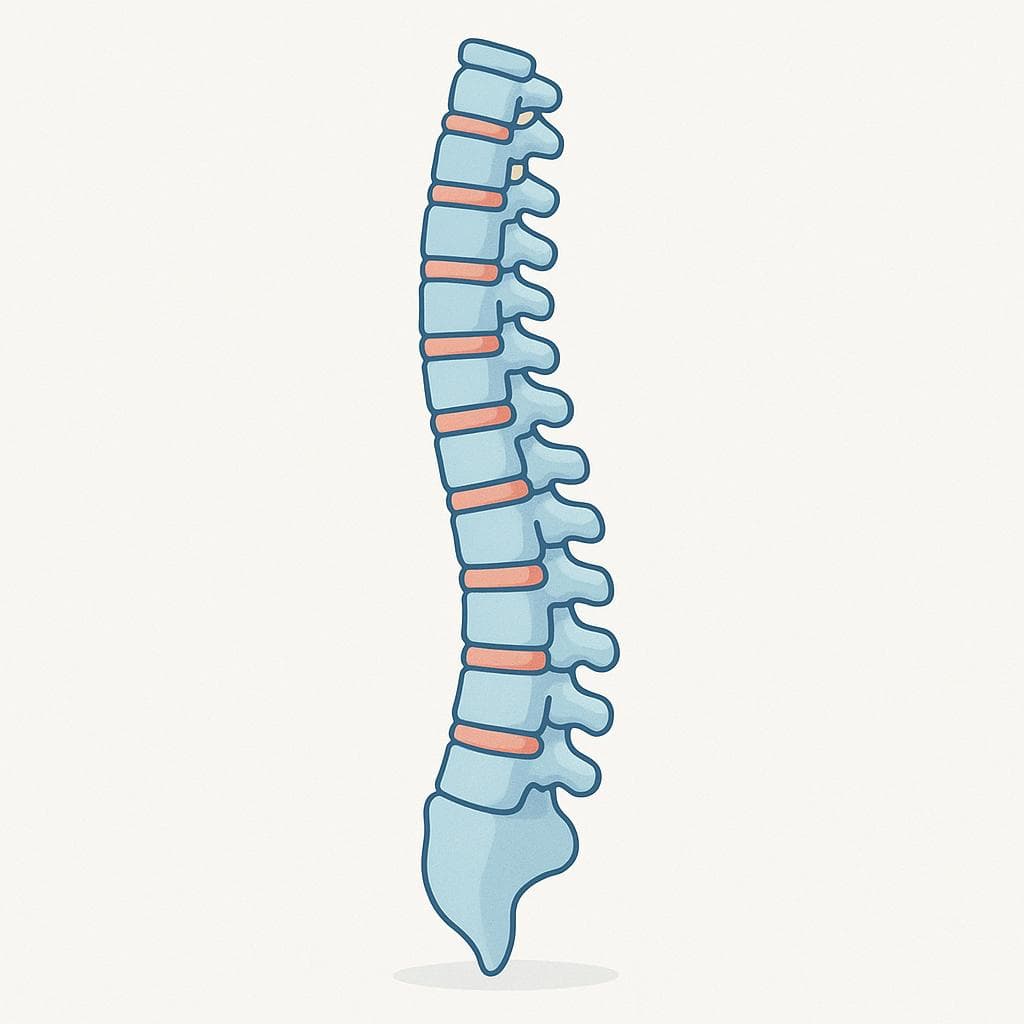
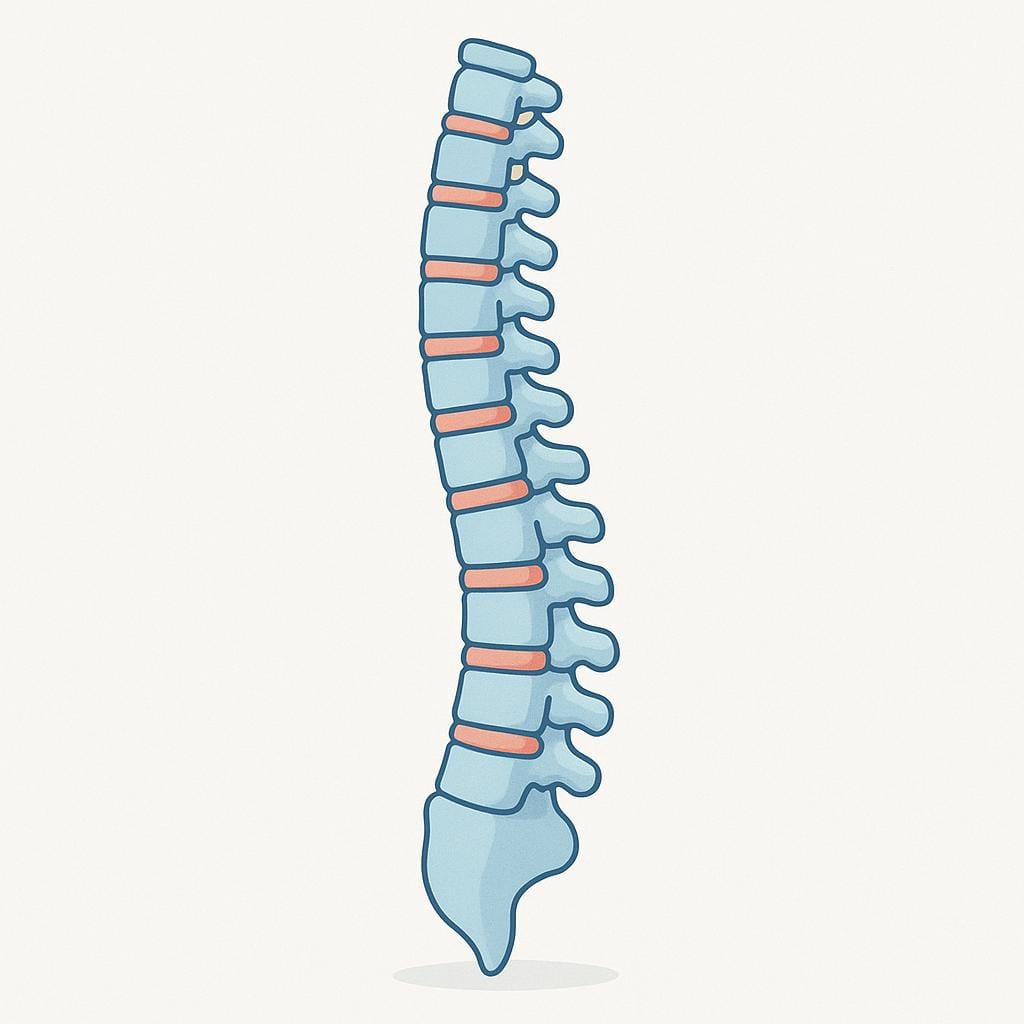
The most common Spanish word for “backbone” is “columna” — use this for the literal, anatomical spine or a figurative 'column' of support in a physical sense.


columna
koh-LOOM-nahkoˈlumna
Examples
Tengo un dolor en la columna que no me deja dormir.
I have a pain in my spine that won't let me sleep.
La columna vertebral protege la médula espinal.
The spinal column protects the spinal cord.
Vertebral vs. Solo Columna
When talking about the backbone, Spanish often uses the full phrase 'columna vertebral' (vertebral column), but in casual conversation, just 'columna' is understood.
eje
EH-hehˈexe

Examples
La educación es el eje de nuestro programa político.
Education is the core of our political program.
El eje del problema es la falta de comunicación.
The heart of the problem is the lack of communication.
Su familia es el eje de su vida.
Her family is the center of her life.
Abstract Use
You can use 'eje' to describe the most important part of something invisible, like a conversation, a law, or a feeling.
Overusing 'Centro'
Mistake: “La familia es el centro de todo.”
Correction: While 'centro' is correct, using 'eje' makes you sound more advanced and precise when talking about a supporting structure.
infraestructura
een-frah-ehs-trook-too-rahiɱfɾaestɾukˈtuɾa

Examples
La ciudad necesita invertir más dinero en su infraestructura.
The city needs to invest more money in its infrastructure.
La infraestructura vial incluye puentes, túneles y carreteras.
The road infrastructure includes bridges, tunnels, and highways.
Una buena infraestructura digital es esencial para el trabajo remoto.
A good digital infrastructure is essential for remote work.
It's always feminine
Even though it is a long word, it ends in 'a' and is feminine. You should always use 'la' or 'una' with it.
The hidden 'E'
In Spanish, words starting with an 'S' sound followed by another consonant usually need an 'E' in front. Notice that it's 'infra-E-structura', not 'infra-structura'.
The 'E' sound
Mistake: “La infrastructura es vieja.”
Correction: La infraestructura es vieja. Don't forget the 'e' before 'structura'—it feels more natural for Spanish speakers to say.
vertebral
behr-teh-BRAHLbeɾteˈβɾal

Examples
La educación es el eje vertebral de su programa político.
Education is the pivotal axis of their political program.
Este argumento es la pieza vertebral de mi tesis.
This argument is the backbone of my thesis.
El turismo se convirtió en el elemento vertebral de la economía local.
Tourism became the core element of the local economy.
Using 'Eje' vs 'Columna'
When using this word figuratively, it is very common to pair it with 'eje' (axis) or 'columna' (column) to mean 'the most important part'.
Literal Translation
Mistake: “Saying 'Él es el backbone de la empresa'.”
Correction: Say 'Él es la columna vertebral de la empresa'. Spanish uses the full phrase where English might just use one word.
Noun vs. Adjective for Abstract Support
Related Translations
Learn Spanish with Inklingo
Interactive stories, personalized learning, and more.